Olive varieties: seventeen Turkish varieties in numbers
Gemlik, Ayvalık, Memecik, Domat and the rest: Türkiye's olive varieties with oil content, fruit size, flesh ratio, region and ripening calendar.
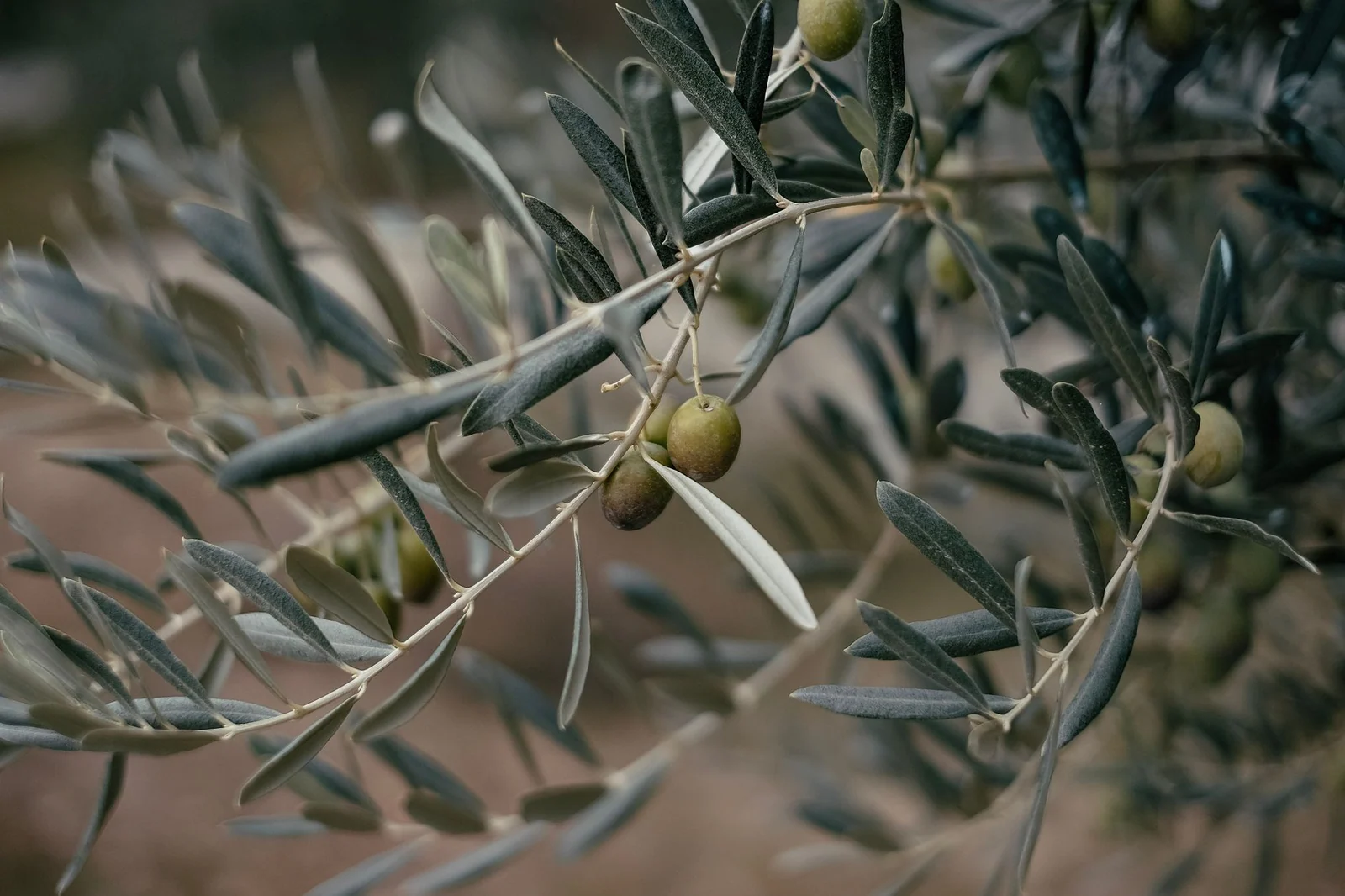
Türkiye lies in the region considered the olive's homeland, and the evidence is in its variety count. Olive trees numbered 26.4 million in 1936; by 2015 the figure had passed 165 million, spread across dozens of distinct varieties, some found only in Anatolia.
This page describes those varieties in numbers: how much oil each yields, how many fruits make a kilogram, how much flesh sits on the stone, and where each one grows.
All varieties: the full list
Every variety with its own page on this site — 51 in all. Open a variety's page for its measured values.
Varieties of Türkiye (41): Adana Topağı · Ayvalık (Edremit) · Belluti · Butko · Büyük Topak Ulak · Domat · Edincik Su · Erkence · Eğriburun · Gemlik · Gölvala · Halhalı · Hursuki · Kalem Bezi · Kan Çelebi · Karamürsel Su · Kilis Yağlık · Kiraz · Marantelli · Mavi · Melkebazi · Memecik · Memeli · Nizip Yağlık · Otur · Patos · Samanlı · Sarı Haşebi · Sarı Ulak · Sat · Saurani · Tavşanyüreği · Uslu · Yamalak Sarısı · Yağ Çelebi · Zoncuk · Çakır · Çekişte · Çelebi · Çilli · İzmir Sofralık
World varieties (10): Arbequina · Coratina · Frantoio · Hojiblanca · Kalamata · Koroneiki · Leccino · Manzanilla · Mission · Picual
The variety table
| Variety | Oil content | Fruits per kg | Flesh | Use | Main areas |
|---|---|---|---|---|---|
| Memecik | 24-25% | 210 | 88% | Oil + table | Aydın, İzmir, Muğla, Denizli, Antalya |
| Edremit (Ayvalık) | 25% | — | — | Oil + table | Gulf of Edremit, Ayvalık, Burhaniye, Havran |
| Gemlik | 29-30% | — | — | Table (black) | Gemlik, İznik, Mudanya, Orhangazi, Erdek |
| Domat | 22% | — | — | Table (green, stuffed) | Akhisar, Manisa, Turgutlu, Saruhanlı |
| Uslu | 21% | 280 | 85% | Table (black) | Akhisar |
| Kilis Yağlık | 31% | 560 | 82% | Oil | Kilis, Gaziantep, Şanlıurfa, K.Maraş |
| Kalem Bezi | 31% | 450 | 85% | Oil | Gaziantep, Nizip |
| Saurani | 29% | 340 | 87% | Oil + table | Hatay, Altınözü |
| Nizip Yağlık | 27% | 455 | 81% | Oil + table | Nizip, Gaziantep, K.Maraş, Mardin |
| Sarı Haşebi | 25% | 338 | 85% | Table | Hatay, Altınözü |
| Samanlı | 21% | 250 | 84% | Table | Around İznik |
| Yağ Çelebi | 21% | 230 | 85% | Oil + table | Gaziantep |
| Memeli | 20% | 215 | 89% | Oil + table | İzmir, around Ayvalık |
| Kiraz | 19% | 240 | 86% | Table | Akhisar |
| Sarı Ulak | 19% | 263 | 72% | Table | Erdemli, Mersin |
| Karamürsel Su | 19% | 140 | 87% | Table | Yalova, Karamürsel |
| Eğriburun | 17% | 165 | 89% | Table | Nizip |
Source: Efe, Soykan, Cürebal and Sönmez (2016). Blank cells mean the source gives no measured value for that variety — we do not fill gaps with estimates. Oil content is the variety's genetic potential; actual yield from a given tree can fall below it depending on the season, irrigation and harvest timing.
What the table shows
The oiliest varieties are in the southeast. Kilis Yağlık and Kalem Bezi top the list at 31%, both grown along the Gaziantep-Kilis line. Their fruits are correspondingly tiny — 560 fruits to the kilogram for Kilis Yağlık, against just 140 for Karamürsel Su.
Small fruit means oil, large fruit means table. The relationship in the table is close to a rule: every variety above 400 fruits per kilo is an oil variety, and those below 250 are mostly table varieties. The reason is straightforward — a table olive is wanted large, fleshy and small-stoned, while fruit size is irrelevant for oil.
Flesh runs from 72% to 89%. Highest in Memeli and Eğriburun (89%), lowest in Sarı Ulak (72%). For a table variety a high flesh share translates directly into value: more edible weight per kilogram.
A common confusion: Memecik is not Edremit
A frequent error online is treating Memecik and Edremit as the same variety. They are distinct:
- Memecik is the most widespread variety in the Aegean — more than half of the region's trees and roughly 45% of all olive trees in Türkiye. Its name comes from the small nipple-like tip on the fruit. It runs along the Aydın-Muğla-İzmir line.
- Edremit (Ayvalık) belongs to the northern Aegean, about a quarter of the region's trees. Depending on where it grows it is also called Ayvalık, Edremit Yağlık, Şakran, Midilli or Ada Zeytini.
Both serve for oil and table and both give quality oil — but they are not the same tree.
The leading varieties
Memecik. The variety with the most trees in Türkiye. Oil content 24-25%, generous flesh, easily separated stone. It shows strong alternate bearing — heavy one year, light the next. Its oil is a deep greenish-yellow with a pronounced fruity aroma.
Edremit (Ayvalık). Self-fertile, above-average yield, but with strong alternate bearing. The fruit ripens early and the tree is partly cold-tolerant. The source notes that the best green slit table olives come from this variety. In recent years it has also been planted in Antalya, Mersin, Adana, K.Maraş and Mardin.
Gemlik. The best black table variety grown in Türkiye. It comes into bearing early and yields highly and regularly — meaning low alternate bearing, which makes it predictable for a grower. Thin-skinned, fleshy, with a stone that separates easily. Known regionally as Trilye, Kaplık, Kıvırcık or Kara. Its reputation has led to planting attempts across the country, though the source maintains it still fruits best in and around Gemlik.
Domat. From Akhisar. Its large cylindrical fruit makes it the variety for green stuffed table olives (with pepper or almond). Well managed, it shows low alternate bearing and crops regularly. But it is sensitive to cold — not a choice where frost is a risk.
Uslu. Also native to Akhisar, among the best suited for black table olives. Its thin skin bruises easily in picking, so it needs careful hand harvesting. It is markedly cold-sensitive. Around 850,000 trees exist across Türkiye. November is the ideal harvest month.
Kilis Yağlık. The oiliest in the table at 31%. Small-fruited, oil only. A variety adapted to the hot, dry conditions of the southeast.
Oil or table?
Three measures decide what a variety suits:
- Oil content. Above 25% favours oil production.
- Fruit size. Table use wants large fruit, so fewer than 250 per kilogram.
- Flesh-to-stone ratio. The higher the flesh share, the better for the table.
Dual-purpose varieties (Memecik, Edremit, Saurani, Nizip Yağlık) work either way, letting the grower decide by that year's prices. We measured separately how the same olive can be worth six times more depending on where it goes.
Leading varieties worldwide
| Variety | Country | Character | Use |
|---|---|---|---|
| Kalamata | Greece | Large, almond-shaped, deep purple | Table |
| Arbequina | Spain | Small-fruited, fruity oil | Oil + table |
| Manzanilla | Spain | The most widespread green table olive | Table |
| Picual | Spain | High oil content, pungent | Oil |
| Frantoio | Italy | Fruity, lightly bitter | Oil |
| Koroneiki | Greece | Very small-fruited, high polyphenol | Oil |
Ripening calendar by variety
The most concrete thing determining whether a variety is a table or an oil olive is when it ripens. The dates below come from the variety table of Türkiye's Ministry of Agriculture and Forestry.
| Variety | Flowering | Fruit set | Green maturity | Black maturity |
|---|---|---|---|---|
| Ayvalık (oil) | 16 May - 9 Jun | 20 May - 15 Jun | 15-30 October | after 15 November |
| Çakır | 13 May - 9 Jun | 18 May - 15 Jun | second half of October | 15 Nov - December |
| Çilli | 13 May - 4 Jun | 18 May - 9 Jun | second half of October | 15 Nov - 15 Dec |
| Domat | 16 May - 6 Jun | 20 May - 10 Jun | second half of October | 15 Nov - December |
| Gemlik | 12 May - 9 Jun | 16 May - 13 Jun | 20 August - 10 September | 1-15 November |
| Halhalı | 16 May - 3 Jun | 21 May - 10 Jun | second half of October | last week of November |
| İzmir (table) | 16 May - 9 Jun | 20 May - 14 Jun | late Sept - early Oct | first half of November |
| Kilis (oil) | 20 May - 4 Jun | 25 May - 9 Jun | October | second half of November |
| Kiraz | 20 May - 9 Jun | 25 May - 14 Jun | late Aug - first half of Sept | first half of November |
| Manzanilla | 25 May - 5 Jun | 25 May - 5 Jun | October | first week of November |
| Memecik | 16 May - 6 Jun | 20 May - 11 Jun | first half of October | 15 Nov - 15 Dec |
Source: Republic of Türkiye, Ministry of Agriculture and Forestry, TAGEM, Olive Integrated Pest Management Technical Instruction, Ankara 2022, Table 10.
Three things follow from the table:
1. Flowering is nearly identical; ripening is not. Every variety flowers from mid-May to early June. They part company in autumn.
2. Two varieties ripen early: Gemlik and Kiraz. Both reach green maturity at the end of August, while the others wait for October. Both are table olives. That is no coincidence — early ripening opens a long table-olive window.
3. Oil varieties come late. Ayvalık reaches black maturity "after 15 November", Memecik "15 November - 15 December". There is no hurry with oil, because oil accumulation continues with ripening — though early harvest has its own case.
Source
The measured values for Turkish varieties on this page — oil content, fruit count, flesh and stone ratios, geographical distribution — are taken from:
t; Efe, R., Soykan, A., Cürebal, İ. and Sönmez, S. (2016). Türkiye'de Yetişen Zeytin Çeşitlerinin Özellikleri ve Coğrafi Dağılışı [Characteristics and Geographical Distribution of Olive Varieties Grown in Türkiye]. In Zeytin Kitabı (E. Naskali, ed.), Kitabevi Yayınları, pp. 37-80.
Tree-count figures rest on the UZZK (2015) data cited in the same work. The international varieties section is general literature and carries no measured values.
Related reading: Where do olives grow in Türkiye · The difference between black and green olives · The same olive, six times the price · Yield calculator
Every variety has its own page
The names in the table are clickable. For detail:
Mainly for oil
- Kilis Yağlık — 31% oil, the southeast's main oil variety
- Kalem Bezi — 31% oil, Gaziantep–Nizip
- Nizip Yağlık — 27% oil, self-fertile
- Memecik — the Aegean's dominant variety, 45.5% of the country's trees
- Edremit (Ayvalık) — two names for one variety
- Saurani — 29% oil with 87% flesh, Hatay
- Yağ Çelebi — named for oil, but only 21%
- Memeli — the highest flesh ratio on the list (89%)
Mainly for the table
- Gemlik — Türkiye's black table standard
- Domat — the largest fruit, the only source of stuffed olives
- Uslu — Akhisar's black table olive
- Karamürsel Su — only 140 fruits per kilo
- Samanlı — around Lake İznik
- Kiraz — early, green maturity in late August
- Sarı Ulak — eastern Mediterranean, lowest flesh ratio
- Sarı Haşebi — Hatay's local variety
- Eğriburun — 17% oil, 89% flesh
World varieties
Türkiye's 17 are a small share of the roughly 1,200 cultivars thought to exist worldwide. The most planted and best known foreign varieties — Picual, Arbequina, Kalamata, Frantoio, Leccino, Koroneiki, Manzanilla, Hojiblanca and others — are gathered on a separate page:
→ World olive varieties: from Picual to Kalamata
Two sources, two different distributions
The distribution above follows Turkish sources. The International Olive Council's world catalogue gives markedly different shares for the same varieties. Since readers should know which is being used, we set them side by side:
| Variety | Turkish source (table above) | IOC catalogue |
|---|---|---|
| Gemlik | 11% | 48.7% |
| Memecik | 45% | 19% |
| Domat | 1.4% | 7.56% (2016) |
Source: International Olive Council (IOC), World Catalogue of Olive Varieties. The catalogue describes Gemlik as the most widely grown variety in Türkiye, "spreading rapidly across all olive-growing regions".
Where does the difference come from?
This need not mean one source is wrong. There are three plausible explanations, and our data is not enough to settle which applies:
- They may measure different things. Tree count and planted area are not the same. Memecik stands in traditional, widely spaced groves of large old trees; Gemlik is planted new and close. The same hectare holds far more Gemlik trees — area share could favour Memecik while tree share favours Gemlik.
- They may date from different years. Gemlik plantings have risen sharply over the past twenty to thirty years; a distribution based on an older census would not show it.
- They may cover different ground. Some sources count only oil varieties, others only bearing trees.
Gemlik's catalogue traits support the rapid spread: early bearing, low tendency to alternate, high cold adaptation and easy rooting from cuttings. These are the traits that let a variety travel.
The Turkish figures are retained on this page; the catalogue figures are given above alongside them. This section will be updated when a definitive national varietal inventory is published.
Related pages
- Chilling requirement in olive — which variety grows where?
- Where do olives grow in Türkiye?
- Olive growing in Marmara
One rating per visitor; you can change yours at any time. Ratings are real reader votes — no seeded or default scores.
Related
 Article
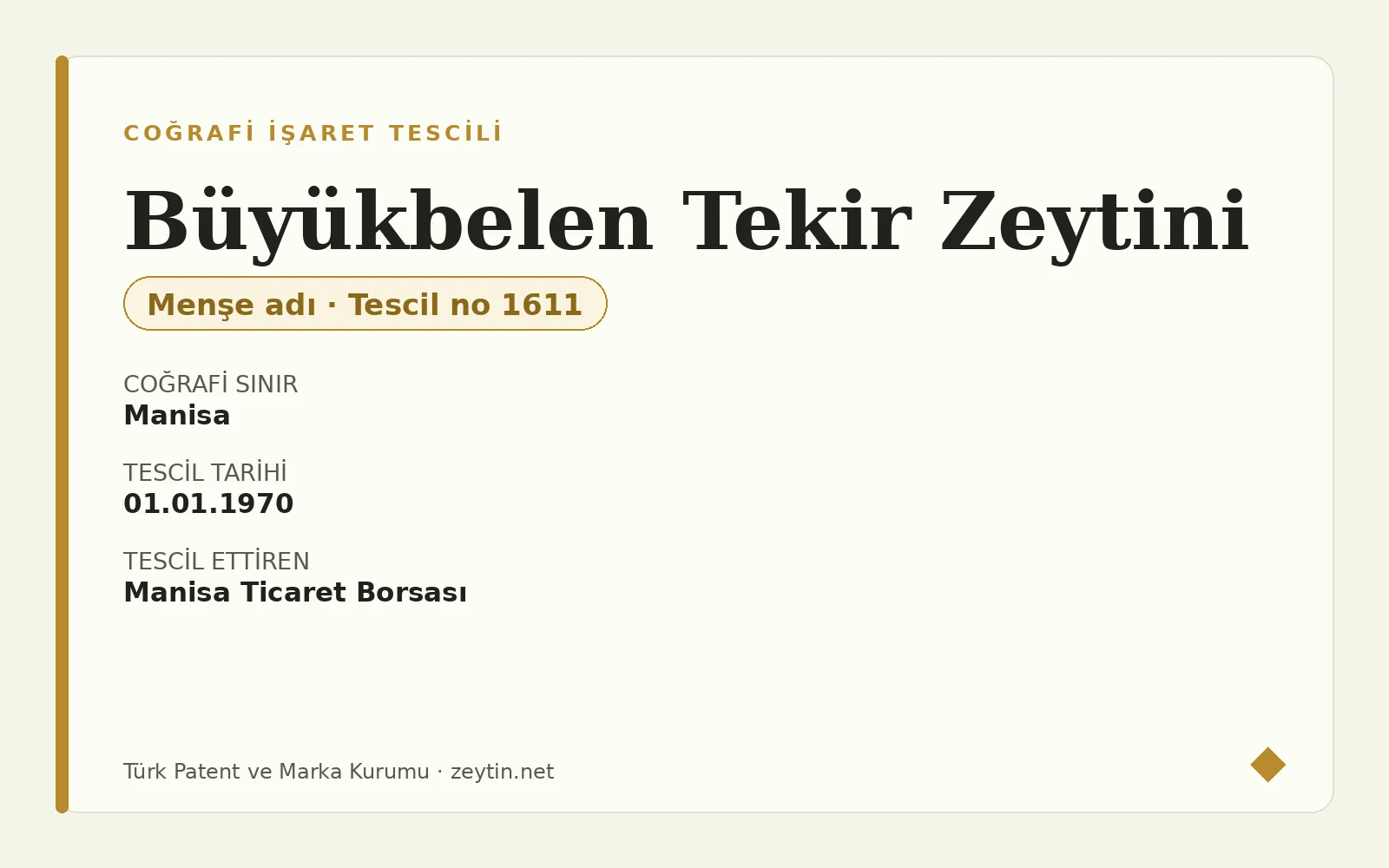
Büyükbelen Tekir Olive: a table olive born from grafting two cultivars
Registered in 2024. The Eşek (Ödemiş) cultivar is grafted onto Uslu seedling rootstock. The flesh does not soften after processing, giving a long shelf life.
Article
Büyükbelen Tekir Olive: a table olive born from grafting two cultivars
Registered in 2024. The Eşek (Ödemiş) cultivar is grafted onto Uslu seedling rootstock. The flesh does not soften after processing, giving a long shelf life.
 Article
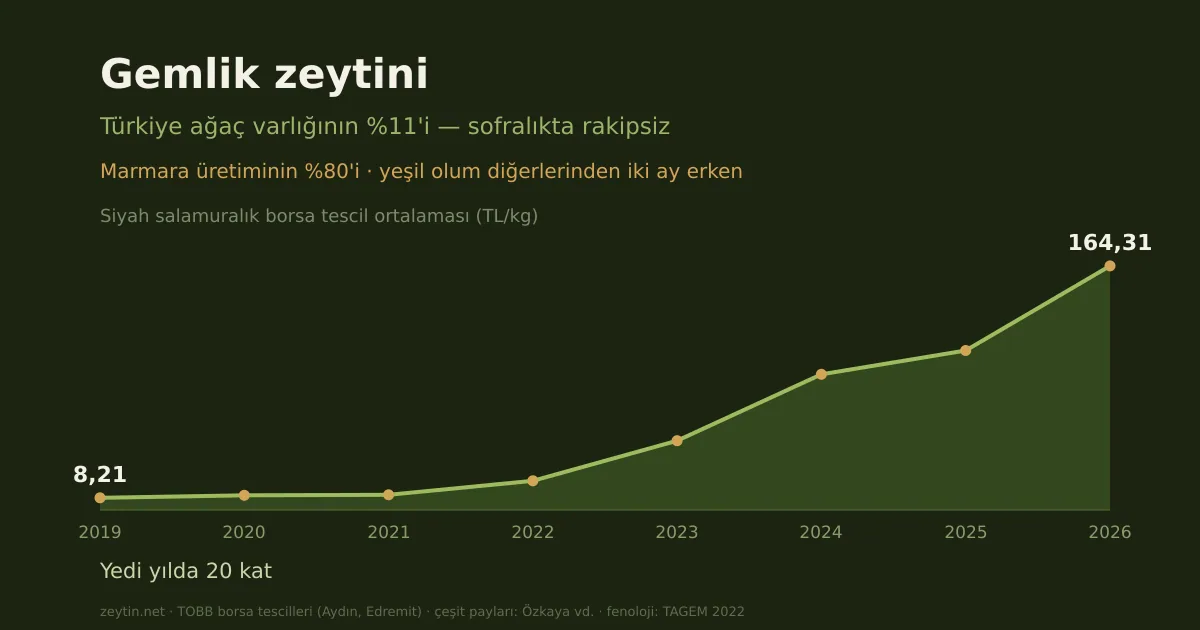
The Gemlik olive: small fruit, six times the flesh
Turkey s only olive cultivar with a geographical indication: 3.7 g fruit, a 6.4 flesh-to-pit ratio, 29-30% oil. Self-fertility measurements, chilling requirement, and why it is still picked by hand.
Article
The Gemlik olive: small fruit, six times the flesh
Turkey s only olive cultivar with a geographical indication: 3.7 g fruit, a 6.4 flesh-to-pit ratio, 29-30% oil. Self-fertility measurements, chilling requirement, and why it is still picked by hand.
 Article
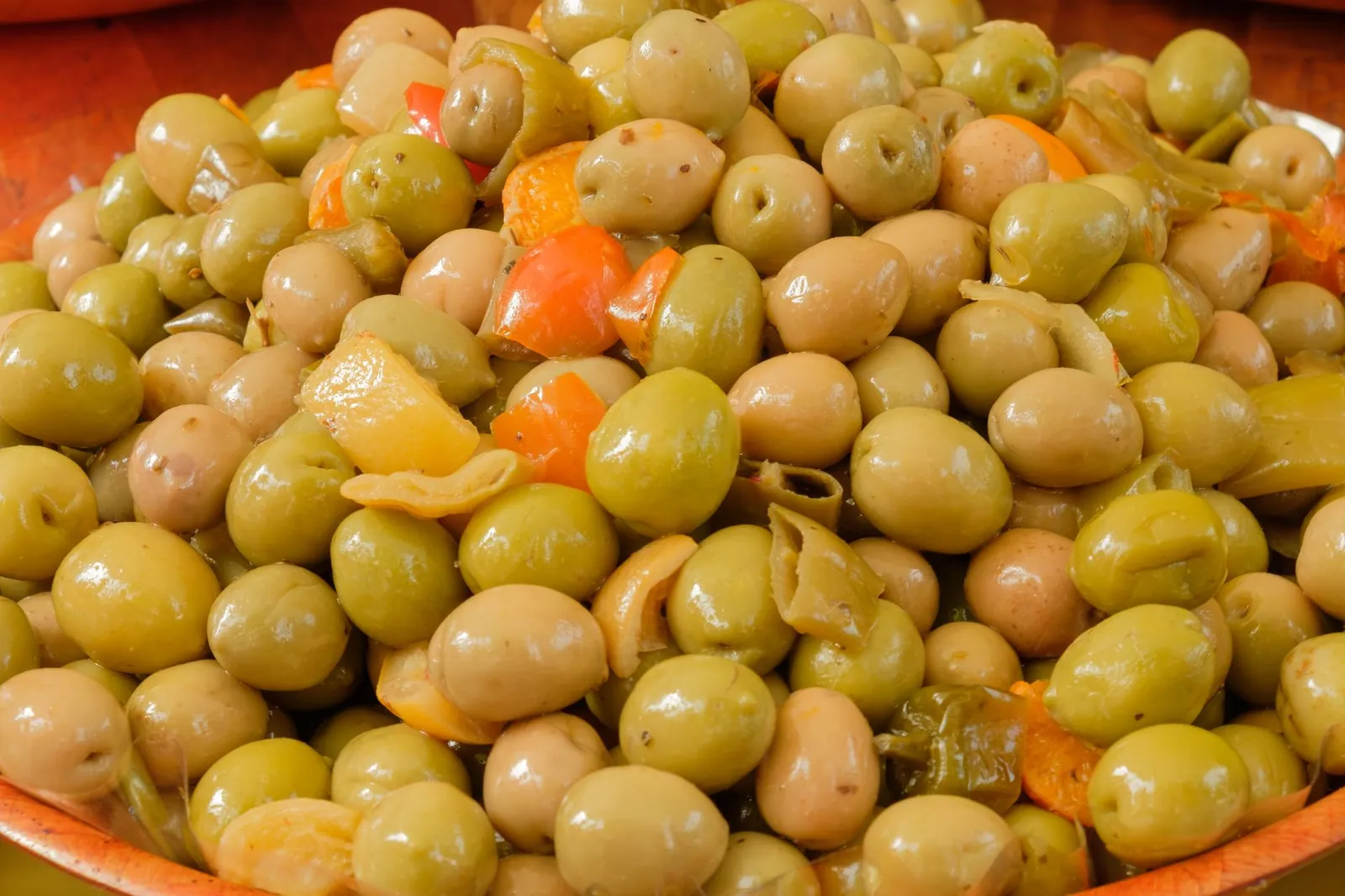
Geographical Indication Olives and Olive Oils of Turkey
Türkiye's registered olive and olive oil geographical indications: which product, which locality, under what conditions — and what registration means.
Article
Geographical Indication Olives and Olive Oils of Turkey
Türkiye's registered olive and olive oil geographical indications: which product, which locality, under what conditions — and what registration means.
 Article
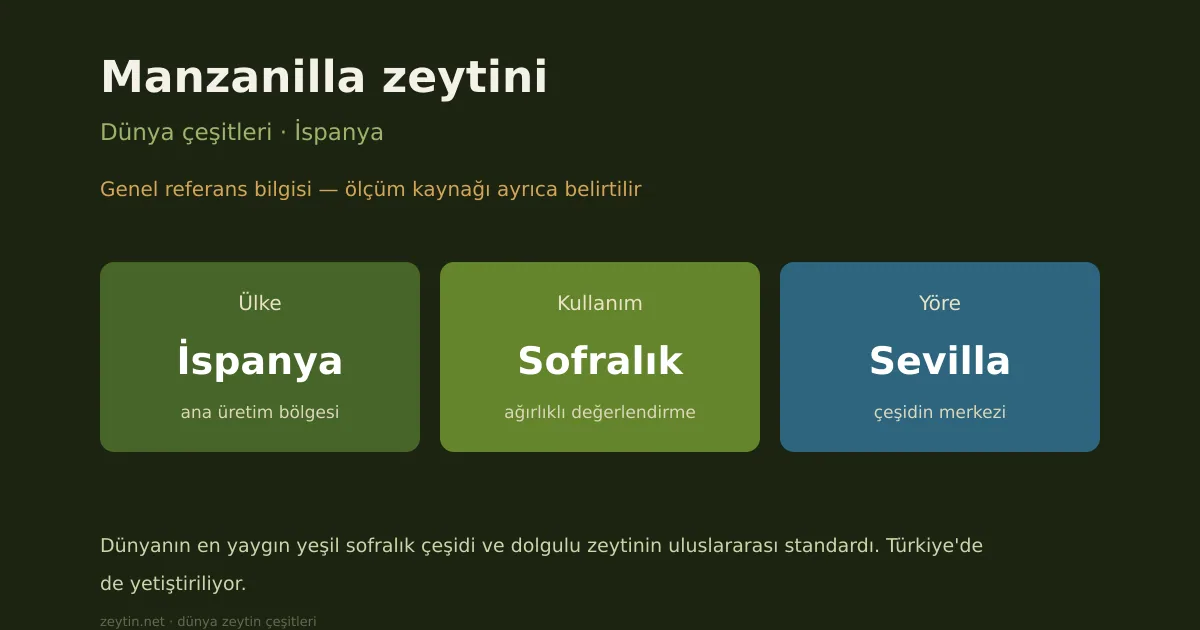
Manzanilla olive: Spain's table variety
The world's most widely planted green table variety and the international standard for stuffed olives. It is grown in Türkiye too.
Article
Manzanilla olive: Spain's table variety
The world's most widely planted green table variety and the international standard for stuffed olives. It is grown in Türkiye too.