The olive in mythology: from Athena's gift to Noah's dove
From Athena's gift to the branch of peace: the olive in mythology, and which story rests on which source.

It is unusual for a single tree to sit at the centre of so many stories for so long. In the mythologies of the Mediterranean the olive is not merely a plant: it is the reason a city bears its name, a goddess's gift, a victor's crown, the frame of a bed, and the branch that announces the end of a flood.
This article takes those stories one at a time — which source each comes from, which were invented later, and what idea lies underneath them all.
The name of Athens: Athena against Poseidon
One of the best-known Greek myths is about how a city got its name.
Athena and Poseidon cannot agree on who will hold Attica. Zeus proposes a contest: whoever gives the city the more valuable gift will have it. On the rock of the Acropolis, before the gods and the people, Poseidon strikes the stone with his trident and brings forth a spring of salt water. Athena kneels and plants something in the earth; from it rises an olive tree.
Athena wins. The city takes her name: Athenai.
t; Source: Apollodorus, Bibliotheca 3.14.1
The logic of the myth is plain and often missed. Poseidon's gift is spectacular but salt — it cannot be drunk or used to irrigate. Athena's is unspectacular but can be eaten, burned, rubbed on the skin and sold. The story says which kind of wealth a civilisation chose: not the impressive one, the useful one.
The tree that burned and did not die
The tree said to have been planted by Athena was kept beside the Erechtheion on the Acropolis. That temple was built between 421 and 406 BC precisely to house these sacred things: Athena's olive tree, the Palladion carved from olive wood, the marks of Poseidon's trident in the rock, and the salt well.
The most striking part of the story belongs to the Persian Wars. When the Persians burned the Acropolis in 480 BC, the sacred olive burned with it. Yet according to Herodotus, the next day a fresh shoot a cubit long had risen from the stump.
t; Source: Herodotus, Histories 8.55
Why does the detail matter? Because for Athenians that shoot was the sign that the city would rise again. And botanically it is true: olives resprout from the root. An olive whose trunk is cut or burned comes back from the base if the root survives. The myth is built on a real property of the tree — observed, not invented.
Moriai: the untouchable groves
The sacred olive trees of Athens, held to belong to Athena, were called moriai. They stood under state protection; cutting, uprooting or even damaging one was a serious offence.
This was not only a religious prohibition. Olive oil was Athens' principal export, and oil from the sacred groves supplied the prizes for the Panathenaic games. Sanctity and economy were intertwined.
The defence speech of a man accused of uprooting a moria survives among the orations of Lysias — which tells us this was a matter for the courts.
The prize: a jar of olive oil
At the Panathenaic games the winners received not medals but olive oil.
The prize came in specially made large jars painted with the goddess Athena and a scene from the event; these are known today as Panathenaic amphorae. The oil inside came from the sacred groves and the quantity was substantial — for the winning athlete it was both prestige and a saleable fortune.
At Olympia the prize was different: the victor was crowned with the kotinos, a wreath woven from wild olive. It had no material value; its symbolic value was everything.
Even the difference between the two prizes shows the olive's two faces: tangible wealth on one side, pure honour on the other.
The bed of Odysseus
One of the finest scenes in the Odyssey turns on an olive tree.
Odysseus returns home after twenty years and Penelope will not acknowledge him; to be certain, she sets a trap and orders the bed moved out of the chamber. Odysseus is furious: that bed cannot be moved, because he built it himself by carving the trunk of a living olive tree still rooted in the ground. One leg of the bed is still a growing tree.
Only the real Odysseus could know this. So Penelope knows her husband.
t; Source: Homer, Odyssey, book 23
The power of the scene comes from the choice of tree. The bed stands for the immovability of the marriage, and that immovability rests on its roots being in the earth. A bed that could be carried would be a loyalty that could be carried too.
Rome: the branch of peace
When Rome inherited Greek mythology it adopted Athena as Minerva, and the olive's symbolic weight came with her.
In Rome the olive branch was a diplomatic sign: envoys coming to ask for peace carried one to show they were unarmed and open to negotiation. Cities wishing to surrender used the same signal.
The custom recurs throughout Latin literature and is the direct source of the phrase "to extend an olive branch". The two olive branches on the United Nations flag are the last link in that two-thousand-year chain.
Flood stories and the dove
The scene that binds the olive most tightly to peace is in the Torah: the dove Noah releases from the ark returns with a freshly plucked olive leaf in its beak. The waters have receded.
t; Source: Genesis 8:11
A common error is worth flagging here. In Mesopotamia's far older flood narrative — the Epic of Gilgamesh — Utnapishtim also releases birds from his boat: a dove, a swallow and a raven. But there is no olive leaf in that account. The olive leaf motif belongs to the Torah, and the claim circulating online that "Gilgamesh had the olive too" has no source.
We covered the olive in scripture in detail in a separate article.
Egypt and Anatolia
In Egypt olive branches appear among tomb finds; olive leaves have been identified in wreaths placed in pharaonic burials. Olive oil served both in the embalming process and in temple lamps.
In Anatolia the olive's trace falls to archaeology before mythology: the ancient oil works at Klazomenai (present-day Urla) was a facility producing at scale in the 6th century BC. Anatolia's relationship with the olive comes from a tradition of production rather than a story. Detail here.
The cult of Athena was widespread along Anatolia's western coast and cities had their own olive stories. But most are local and recorded in fragments; none is as complete as the Athenian account.
The idea underneath them all
These stories belong to different peoples and different centuries. Three things run through all of them:
Continuity. The olive lives for centuries and returns from the root when burned. Its standing for immortality is not a metaphor but an observation turned into a symbol.
Peace. Groves are the first thing destroyed in war; wiping out a grove set an enemy back a decade. So whoever plants an olive is betting that peace will hold. We measured the arithmetic of that today: replacing a cleared decare takes ten years.
Light. The oil that lit temple lamps was olive oil — in Jerusalem, in Athens, in Rome alike. The bond between sanctity and the substance that lights the dark was formed there.
The olive's place in mythology is so large not because the gods valued it, but because people got so much from it. A myth is often gratitude that has turned into a story.
Sources
The ancient accounts here rest on primary classical texts:
- Apollodorus, Bibliotheca 3.14.1 — the contest of Athena and Poseidon
- Herodotus, Histories 8.55 — the sacred olive resprouting after the Persian fire
- Homer, Odyssey, book 23 — the bed made from an olive tree
- Genesis 8:11 — the dove and the olive leaf
For an academic treatment of the subject:
t; Yavşan, Ç. (2024). Mitolojik Yönüyle Zeytin [The Olive in Mythology]. In Bir Medeniyet Ürünü Olarak Zeytinyağı: Kadim Kültür Değerlerimiz-II (D. Küçükaltan, Ö. Sarıbaş, O. Diker, eds.), Nobel Akademik Yayıncılık, chapter 2.
Related reading: The olive in scripture and folk belief · Why the olive branch means peace · The history of the olive in Anatolia · Olive oil trade in the ancient world
One rating per visitor; you can change yours at any time. Ratings are real reader votes — no seeded or default scores.
Related
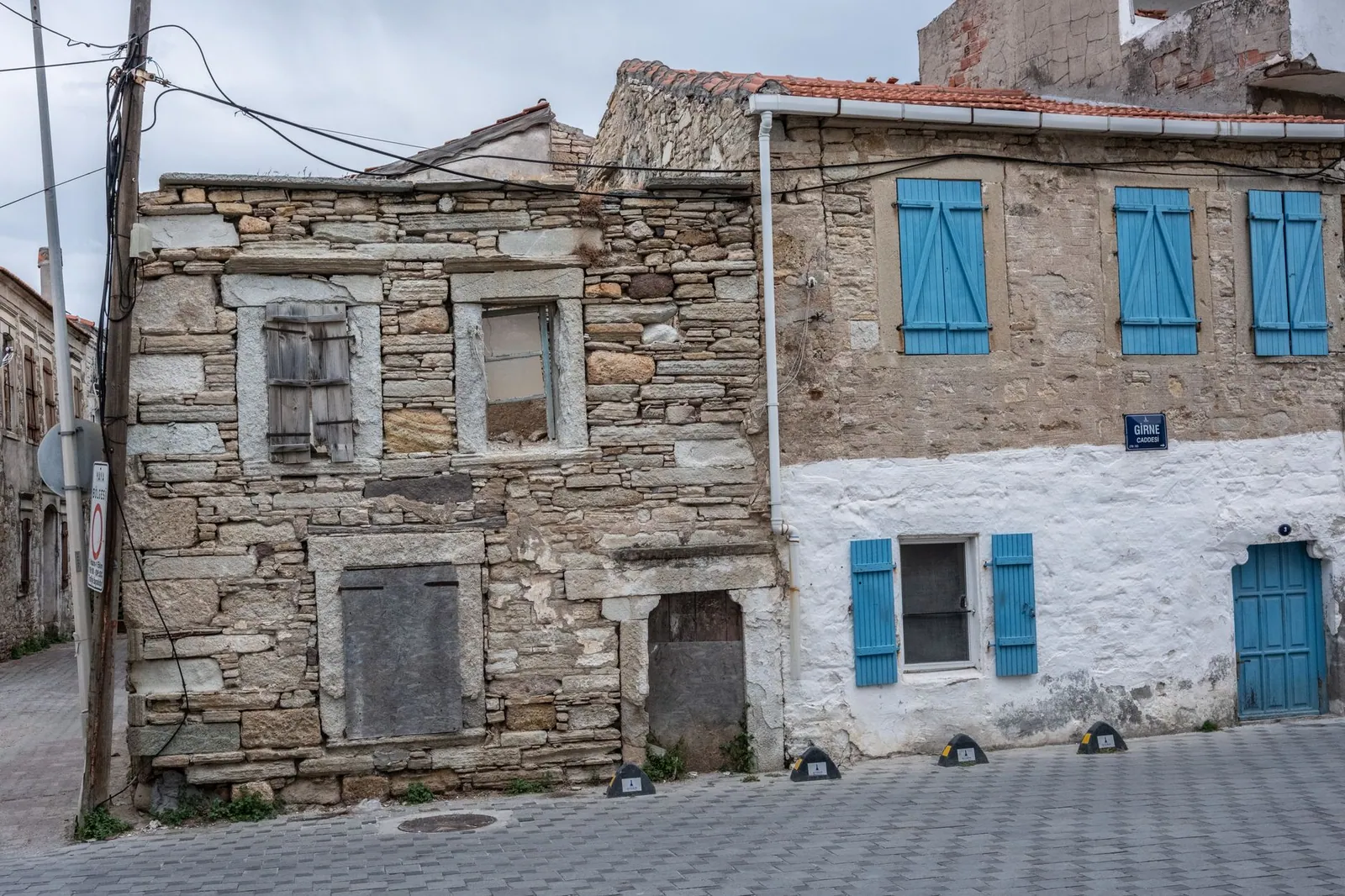 Article
Ayvalık and Edremit: Turkey's Olive Heartland
Soap works, oil mills and the population exchange of 1923. How a gulf built its identity on the olive.
Article
Ayvalık and Edremit: Turkey's Olive Heartland
Soap works, oil mills and the population exchange of 1923. How a gulf built its identity on the olive.
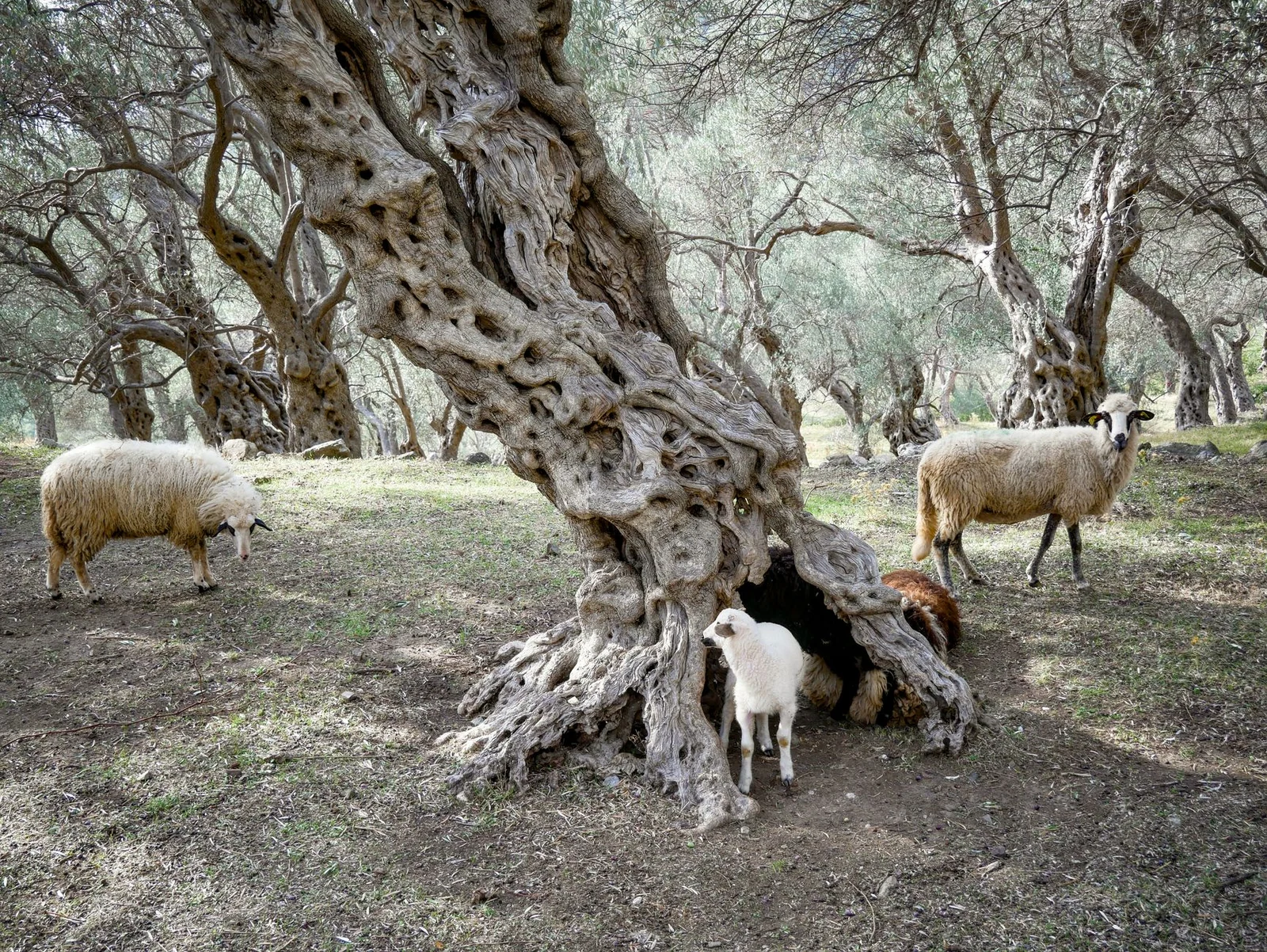 Article
The History of the Olive in Anatolia
Where did the olive come from, and when was it first cultivated in Anatolia? From the stone workshop at Klazomenai to today's Aegean groves.
Article
The History of the Olive in Anatolia
Where did the olive come from, and when was it first cultivated in Anatolia? From the stone workshop at Klazomenai to today's Aegean groves.
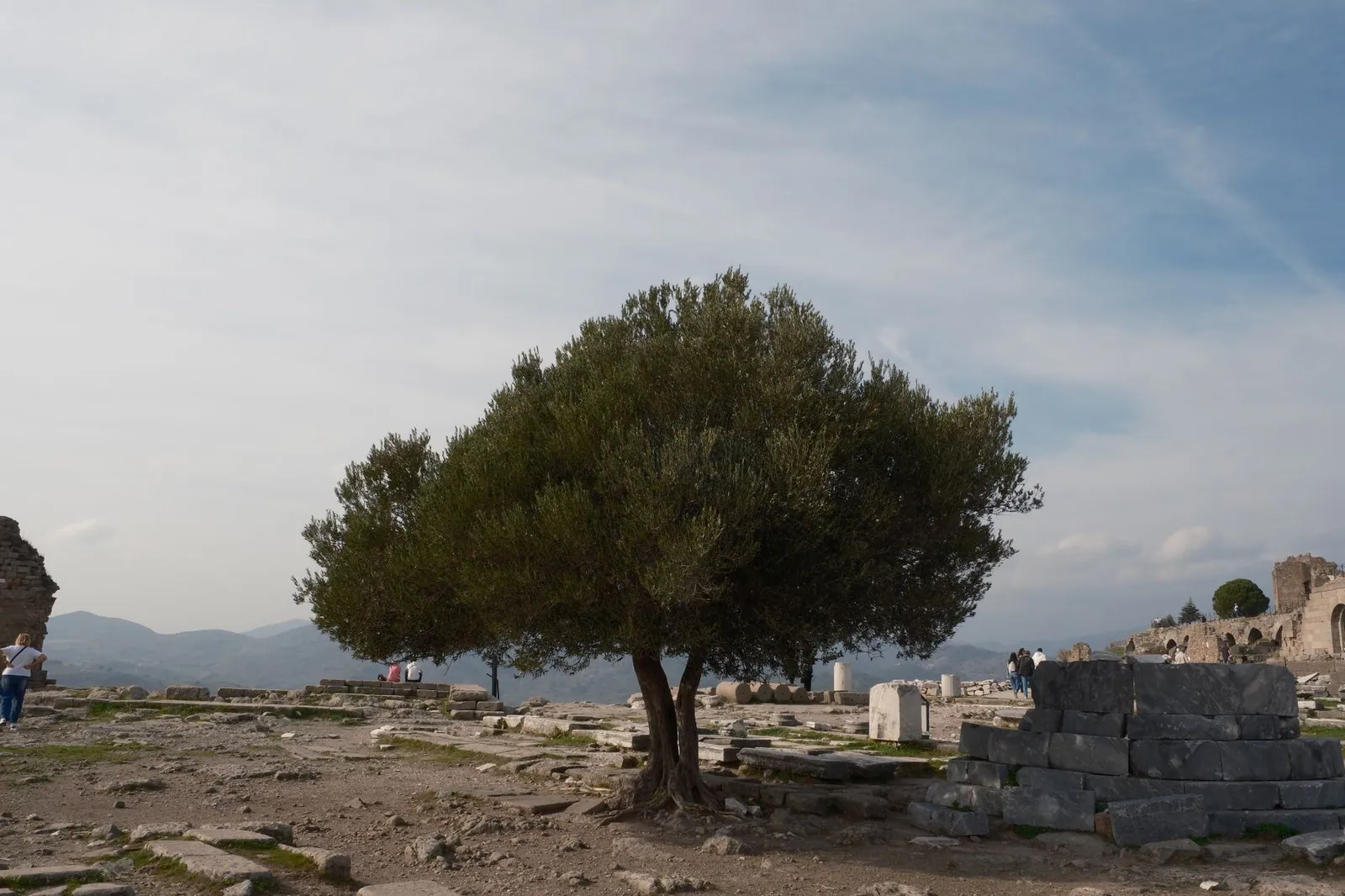 Article
History of the Olive Tree
From remains dated to 6000 BC to modern plantations: the olive tree's journey alongside humanity, and one of farming's longest stories.
Article
History of the Olive Tree
From remains dated to 6000 BC to modern plantations: the olive tree's journey alongside humanity, and one of farming's longest stories.
 Article
Where did olives come from? Origin and domestication
The olive was domesticated about 6,000 years ago in the Levant — but not at a single centre. Genetic work shows the cultivated olive kept mixing with the wild oleaster throughout its spread.
Article
Where did olives come from? Origin and domestication
The olive was domesticated about 6,000 years ago in the Levant — but not at a single centre. Genetic work shows the cultivated olive kept mixing with the wild oleaster throughout its spread.