History of the Olive
The olive was domesticated in the eastern Mediterranean some six thousand years ago. Traces in Anatolia, routes of spread and the birth of trade.
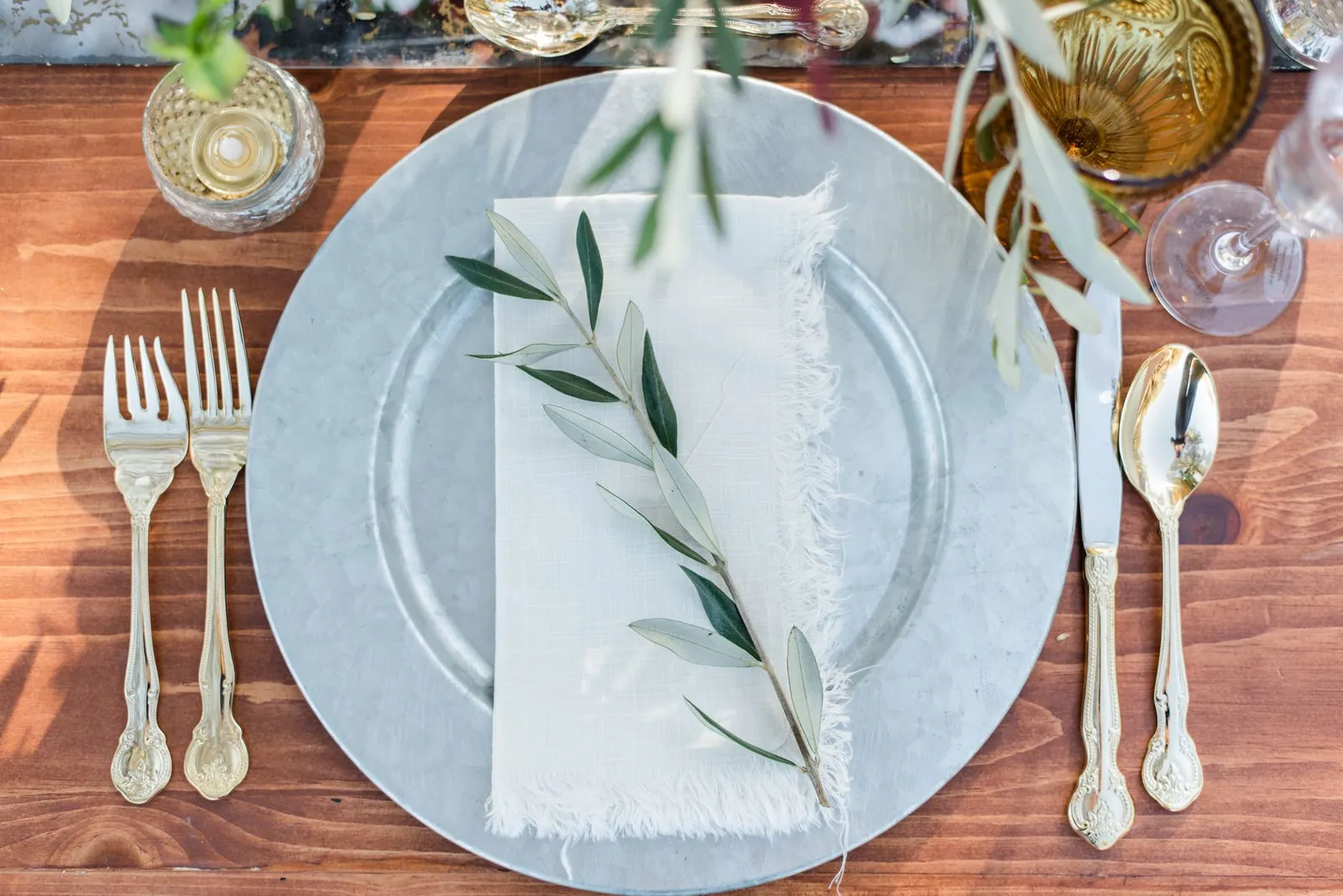
Throughout history, the olive has been far more than a foodstuff. It has served as currency, sacred object, beauty secret and a critical economic engine in the rise of civilisations.
From Mythology to Reality: The Olive and Athens
According to ancient Greek mythology, the city of Athens takes its name from a contest between Poseidon and Athena. Athena planted an olive tree on the Acropolis — and both gods and mortals judged her gift the more valuable, giving the city her name.
Egyptian Pharaohs and the Olive
In ancient Egypt, the olive tree was considered sacred and associated with the goddess Isis. Olive oil has been found in the tombs of pharaohs.
🏺 From History's Pages
In the tomb of Tutankhamun (d. 1325 BC), alongside gold and precious stones, olive wreaths and olive oil vessels were also discovered — testament to how highly the olive was valued in that era.
The Phoenicians and Trade Routes
The Phoenicians were among the first trading peoples to carry olive culture to every corner of the Mediterranean. Sailing the entire sea between 1000 and 500 BC, they spread olive trees and oil trade to North Africa, the Iberian Peninsula and the islands.
The Olive in Islamic Civilisation
The olive is mentioned in the Qur'an as a "blessed tree". During the Moorish era in Andalusia, Arab scholars systematically researched and documented the medicinal properties of the olive.
The Ottoman Empire and the Olive
In the Ottoman period, olive groves were considered a major state asset. Istanbul's primary fuel and lighting source was olive oil. Olive oil exports were an important source of foreign revenue.
Republican Turkey and the Olive
The 1939 Olive Protection Law strictly prohibited the destruction of olive groves. Today Turkey has over 180 million olive trees, with the sector supporting more than 3 million families.
One rating per visitor; you can change yours at any time. Ratings are real reader votes — no seeded or default scores.
Related
 Article
Edremit's monumental olives: four old trees, measured
At an estimated 1,100 years and a 7.20 m girth, Kavaktarla is Edremit's oldest olive. All four are hollowed and galled, none is registered, and the real threat is that they are still in production.
Article
Edremit's monumental olives: four old trees, measured
At an estimated 1,100 years and a 7.20 m girth, Kavaktarla is Edremit's oldest olive. All four are hollowed and galled, none is registered, and the real threat is that they are still in production.
 Article
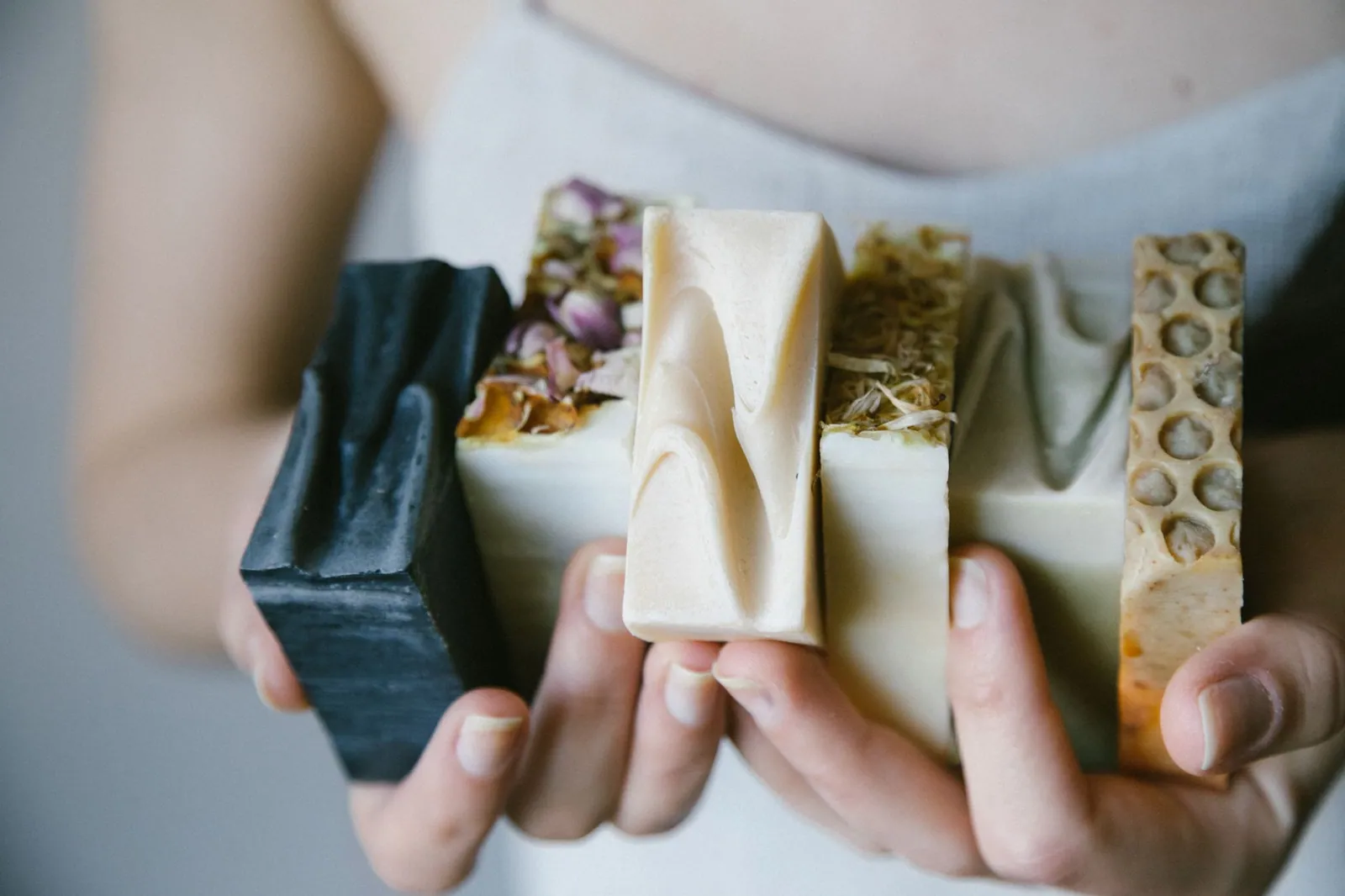
The History of Olive Oil Soap
From Aleppo to Marseille, Castile to Ayvalık: how olive oil became soap, and how that trade built cities.
Article
The History of Olive Oil Soap
From Aleppo to Marseille, Castile to Ayvalık: how olive oil became soap, and how that trade built cities.
 Article
Gemlik-Orhangazi Olive Festival, 10-13 September: what the registration says about the name
Gemlik and Orhangazi are holding their olive festivals together for the first time, on 10-13 September 2026. Dropping “Gemlik Olive” from the name drew criticism. The registered area under record no 76 covers four districts: Gemlik, İznik, Orhangazi and Mudanya.
Article
Gemlik-Orhangazi Olive Festival, 10-13 September: what the registration says about the name
Gemlik and Orhangazi are holding their olive festivals together for the first time, on 10-13 September 2026. Dropping “Gemlik Olive” from the name drew criticism. The registered area under record no 76 covers four districts: Gemlik, İznik, Orhangazi and Mudanya.
 Article
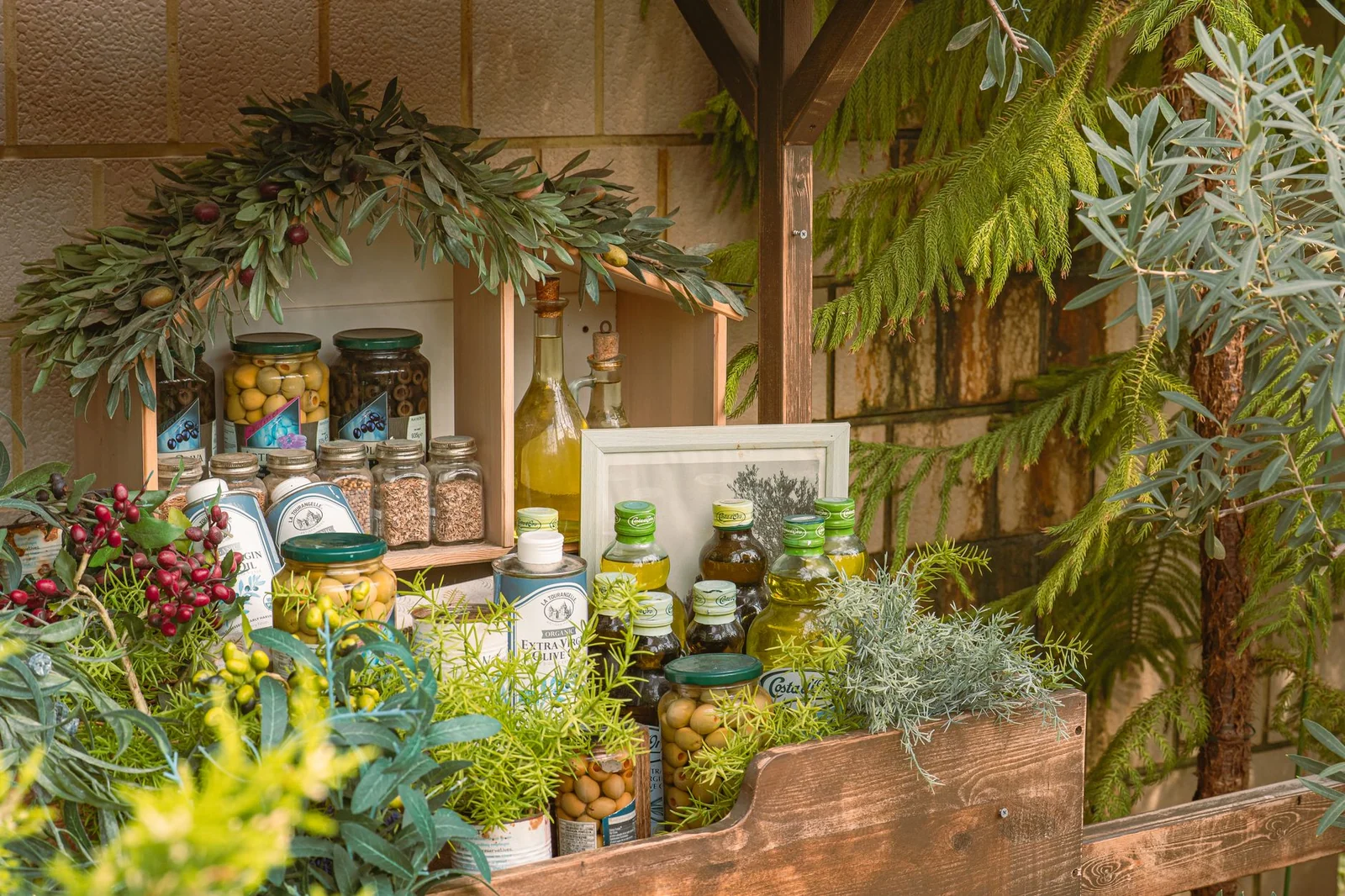
The oil was a medicine: two thousand years of olive oil in medicine and folk practice
For most of its history olive oil was not food but lamp fuel, soap, ointment and medicine. Rome's four grades are the ancestor of today's label — and much of what survives in folk medicine is two thousand years old.
Article
The oil was a medicine: two thousand years of olive oil in medicine and folk practice
For most of its history olive oil was not food but lamp fuel, soap, ointment and medicine. Rome's four grades are the ancestor of today's label — and much of what survives in folk medicine is two thousand years old.