The Olive Oil Trade in the Ancient World
Amphorae, sea routes and a Roman hill made of broken jars: olive oil was one of the Mediterranean's first large-scale commodities.
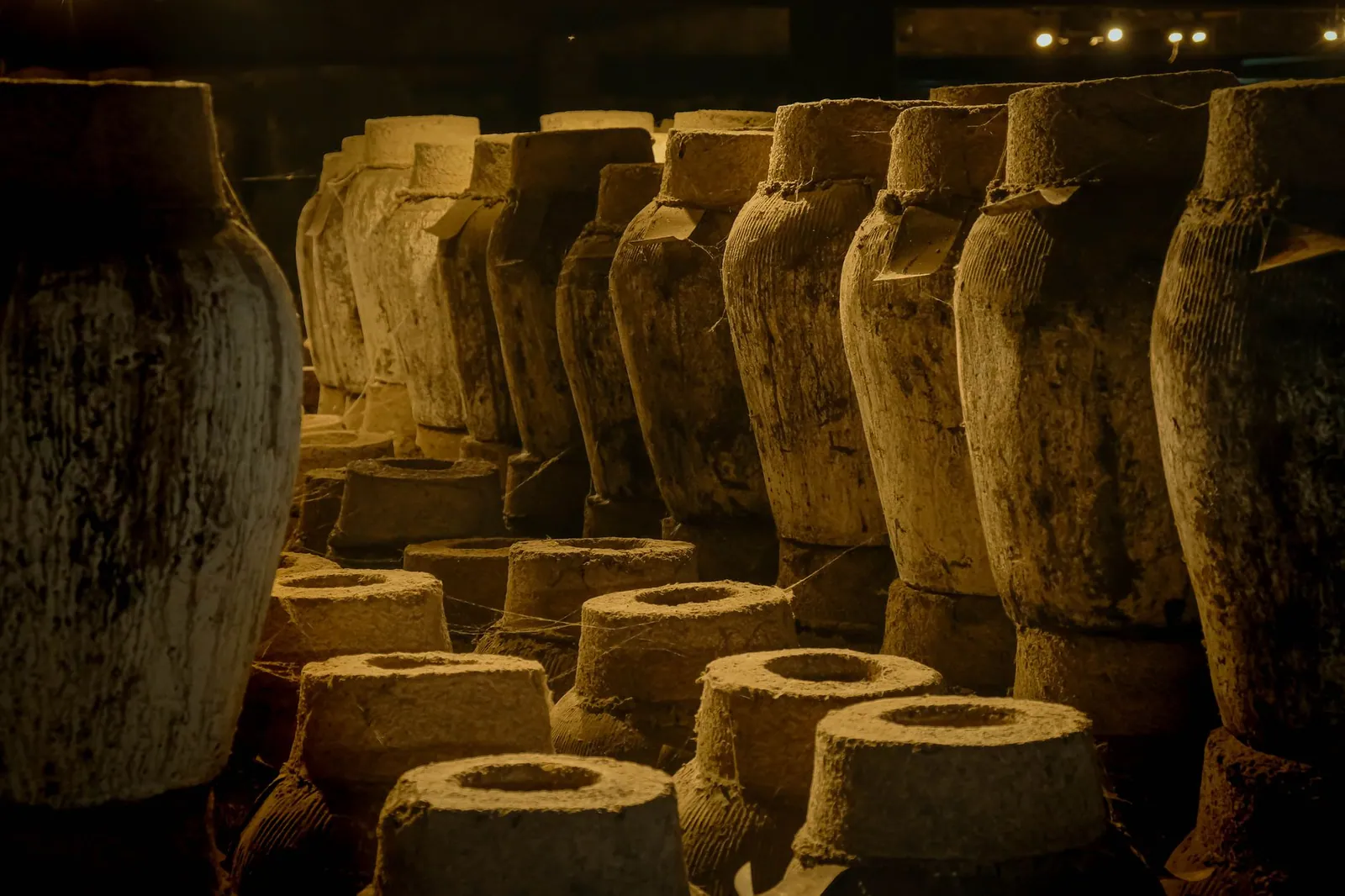
Olive oil may be counted as the Mediterranean's first true export commodity. The reason is simple: the olive tree does not grow everywhere, but its product was needed everywhere. Oil meant food, light, cleanliness and cosmetics. And unlike grain, it travelled long distances without spoiling.
The container: the amphora
The packaging of ancient trade was the amphora: a two-handled, pointed-based earthenware jar. The pointed base is not a flaw but a design. Wedged into sand or between the jars of the row below, it held the cargo firm, allowing a tight and balanced load.
Amphorae betray their origin by type. From the shape of a jar recovered from a wreck and the composition of its clay, archaeologists can largely determine the production region. Stamps on the handles identify the producer, and sometimes the weight and the inspecting official. In modern terms, the system amounted to labelling and traceability.
The routes
Olive oil had been circulating in the eastern Mediterranean since the Bronze Age. In the classical period Aegean cities — Klazomenai among them — shipped oil in their own stamped amphorae to the Black Sea and Egypt. Olive oil held a particular place in Athenian export: the laws of Solon are reported to have permitted the export of olive oil alone from Attica, forbidding the shipment of other agricultural produce.
Under Rome the scale changed entirely. In the west of the empire, Baetica (today's Andalusia) and North Africa became Rome's oil store.
Monte Testaccio
The most tangible evidence of the size of that trade stands inside Rome itself. Monte Testaccio, beside the Tiber, is not a natural hill but an artificial mound made entirely of broken amphora sherds. It rises more than thirty metres.
The cause was technical: jars that had carried olive oil could not be reused, because oil soaked into the pores of the clay and turned rancid over time. Emptied amphorae were smashed and stacked in orderly fashion on this ground. Most of the fragments are of the Spanish Dressel 20 type, and the inscriptions on them still yield dates, weights and merchants' names. Monte Testaccio is therefore not merely a rubbish tip but one of the best-preserved account books of the ancient economy.
A matter of state
In Rome, oil was also a political question. The public distribution known as the annona was at first limited to grain; under the emperor Septimius Severus, olive oil was added to the goods distributed free to the populace. When a foodstuff enters state distribution, it has ceased to be a luxury and become a necessity.
What survives
The traces of that trade can still be followed: wrecks on the Mediterranean floor are most often found with cargoes of amphorae. Each wreck is a time capsule showing the port of departure, the route and the contents of the load. We measure the quality of olive oil in a laboratory today; two thousand years ago the same job was done by a stamp struck into a handle.
One rating per visitor; you can change yours at any time. Ratings are real reader votes — no seeded or default scores.
Related
 Article
Edremit's monumental olives: four old trees, measured
At an estimated 1,100 years and a 7.20 m girth, Kavaktarla is Edremit's oldest olive. All four are hollowed and galled, none is registered, and the real threat is that they are still in production.
Article
Edremit's monumental olives: four old trees, measured
At an estimated 1,100 years and a 7.20 m girth, Kavaktarla is Edremit's oldest olive. All four are hollowed and galled, none is registered, and the real threat is that they are still in production.
 Article
History of the Olive
The olive was domesticated in the eastern Mediterranean some six thousand years ago. Traces in Anatolia, routes of spread and the birth of trade.
Article
History of the Olive
The olive was domesticated in the eastern Mediterranean some six thousand years ago. Traces in Anatolia, routes of spread and the birth of trade.
 Article
The oil was a medicine: two thousand years of olive oil in medicine and folk practice
For most of its history olive oil was not food but lamp fuel, soap, ointment and medicine. Rome's four grades are the ancestor of today's label — and much of what survives in folk medicine is two thousand years old.
Article
The oil was a medicine: two thousand years of olive oil in medicine and folk practice
For most of its history olive oil was not food but lamp fuel, soap, ointment and medicine. Rome's four grades are the ancestor of today's label — and much of what survives in folk medicine is two thousand years old.
 Article
The olive in mythology: from Athena's gift to Noah's dove
From Athena's gift to the branch of peace: the olive in mythology, and which story rests on which source.
Article
The olive in mythology: from Athena's gift to Noah's dove
From Athena's gift to the branch of peace: the olive in mythology, and which story rests on which source.