Fava (Broad Bean Purée)
A purée of dried broad beans with dill and olive oil, set in the fridge and served in slices.
- Time
- 90 minutes
- Serves
- 6
- Level
- Medium
- Cuisine
- Turkish
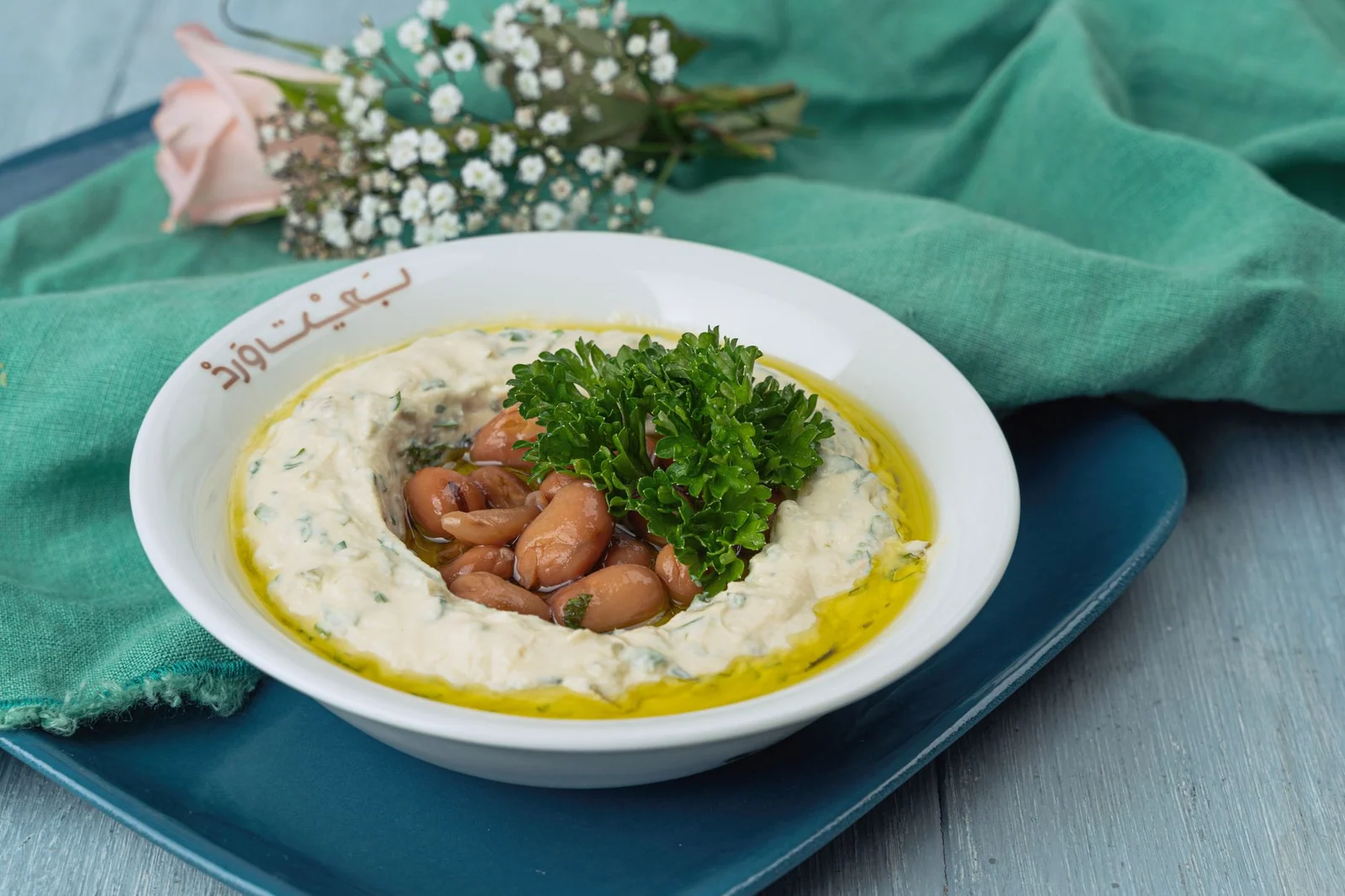
The word fava points to two different plants in two countries, and the two are often confused. In Türkiye, fava is made from dried broad beans. In Greece — and notably the PDO fava of Santorini — it is made not from broad beans but from yellow split peas (Lathyrus). The same name, the same consistency, a different legume.
Turkish fava is eaten sliced, as a meze; the purée, fluid while hot, sets firm enough to cut once cold. What makes it set is not gelatine but the bean's own starch — and the potato in the recipe supports that starch.
Directions
- Drain the soaked beans and rinse well.
- Put the beans, onion, potato and water in a pan; skim the foam once it boils.
- Add the sugar and salt, and cook over low heat with the lid ajar for 60-70 minutes, until the beans collapse.
- While still hot, pass through a blender or sieve until smooth.
- Stir in the olive oil and lemon juice a little at a time; the mixture should be loose — it firms up as it cools.
- Pour into an oiled dish, smooth the top and chill for at least 3 hours.
- Slice, drizzle with olive oil and serve with red onion and dill.
Tips & storage
⚠ Favism warning. In people with G6PD enzyme deficiency, broad beans can trigger a serious reaction, and this holds for dried beans too. Do not make this for someone with that diagnosis.
Skim the foam to keep it clear. The foam that rises as it comes to the boil is the beans' saponins; left in, the fava turns cloudy and faintly bitter.
Leave the lid ajar. A closed lid causes boiling over and clouds the beans. Ajar, some steam escapes and the consistency thickens.
Purée it hot. Beans left to cool stay grainy when blended. Blender or sieve, straight off the heat.
Add the oil gradually. Poured in at once, the olive oil separates. Added a little at a time while stirring, it emulsifies and the fava turns creamy.
The consistency is deceptive. Fava that looks fluid while hot sets firmly as it cools. If it already looks thick while hot, it will be too hard to slice when cold — add a little hot water.
Storage. Four days covered in the fridge. Pour fresh olive oil over any dried surface before serving.
One rating per visitor; you can change yours at any time. Ratings are real reader votes — no seeded or default scores.
Related
 Recipe
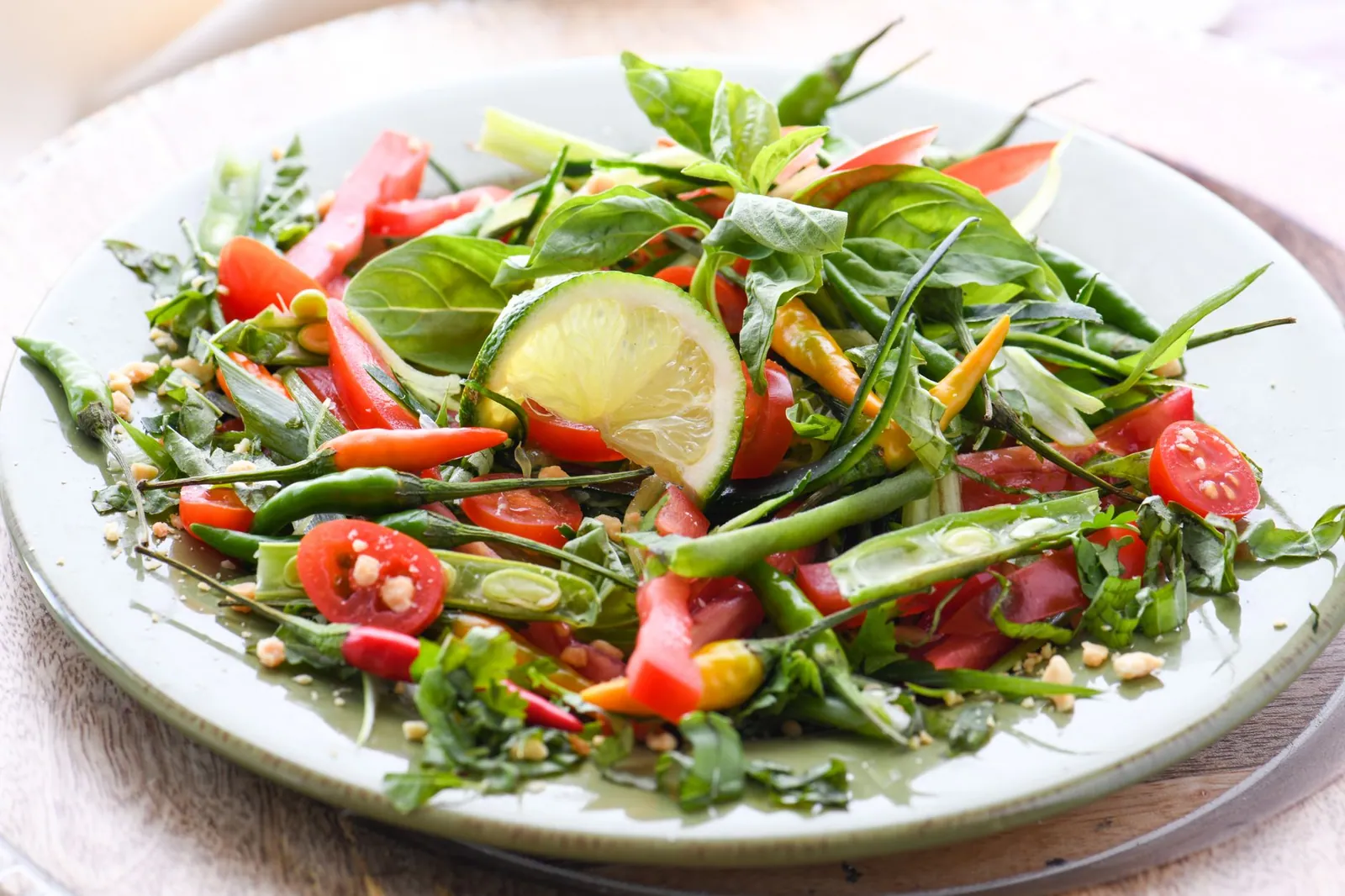
Green Beans in Olive Oil
The most classic of the Turkish olive-oil dishes: green beans cooked down with tomato and onion, eaten cool.
Recipe
Green Beans in Olive Oil
The most classic of the Turkish olive-oil dishes: green beans cooked down with tomato and onion, eaten cool.
 Recipe
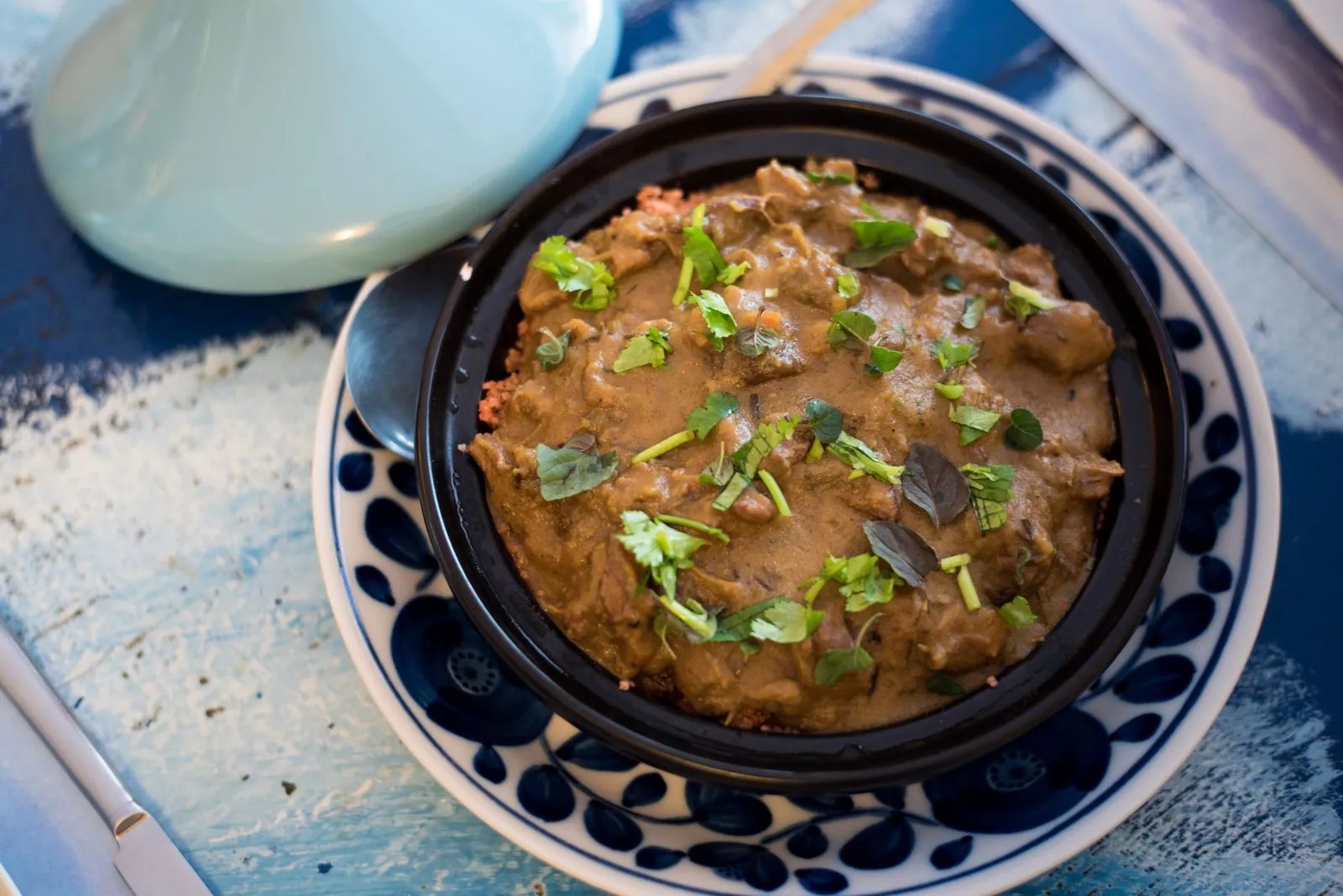
Beef Casserole with Olives
Beef slow-cooked with black olives and tomato; better the next day.
Recipe
Beef Casserole with Olives
Beef slow-cooked with black olives and tomato; better the next day.
 Recipe
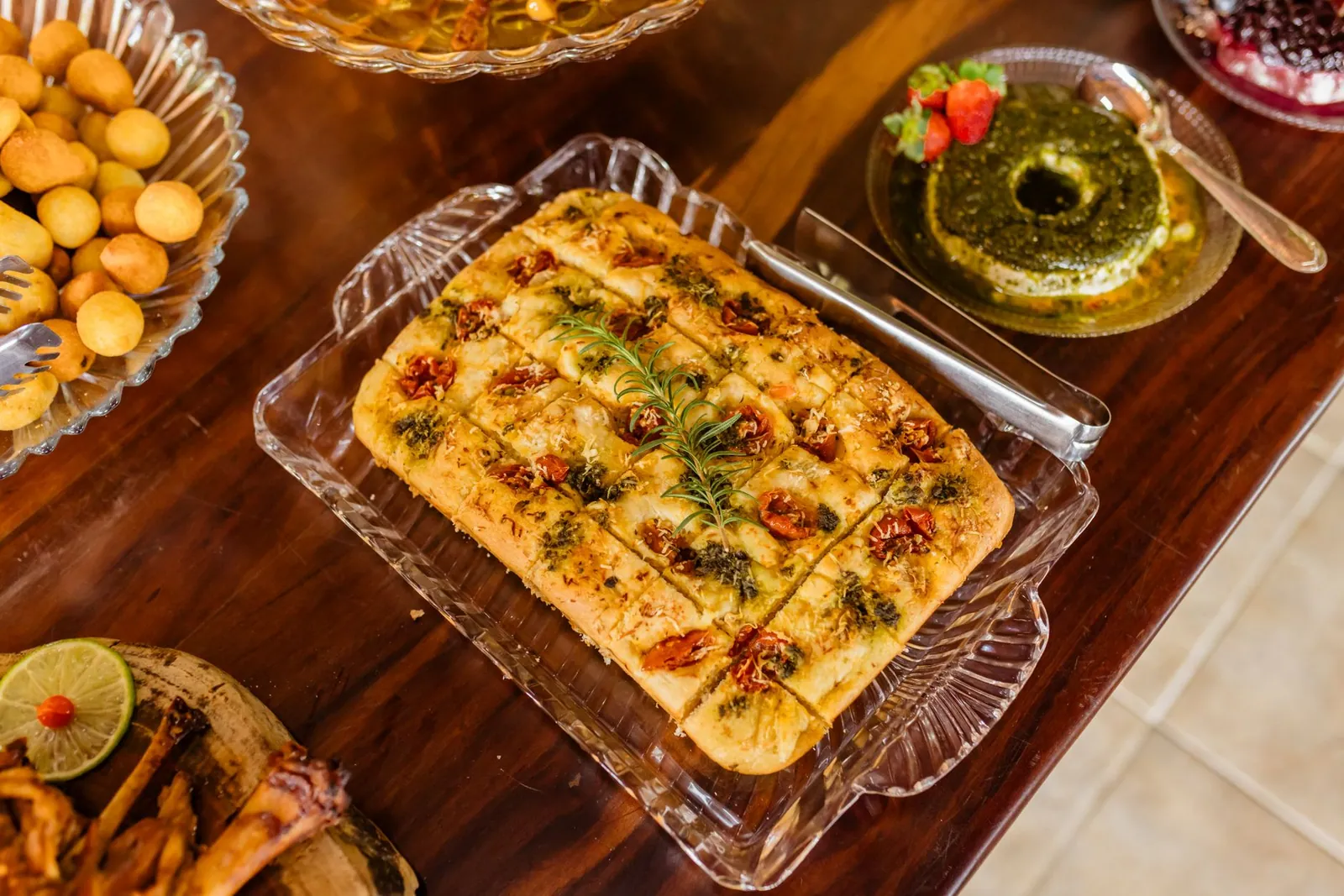
Focaccia con Olive
Liguria's best-loved bread: focaccia made with plenty of olive oil and olives, soft within and crisp without.
Recipe
Focaccia con Olive
Liguria's best-loved bread: focaccia made with plenty of olive oil and olives, soft within and crisp without.
 Recipe
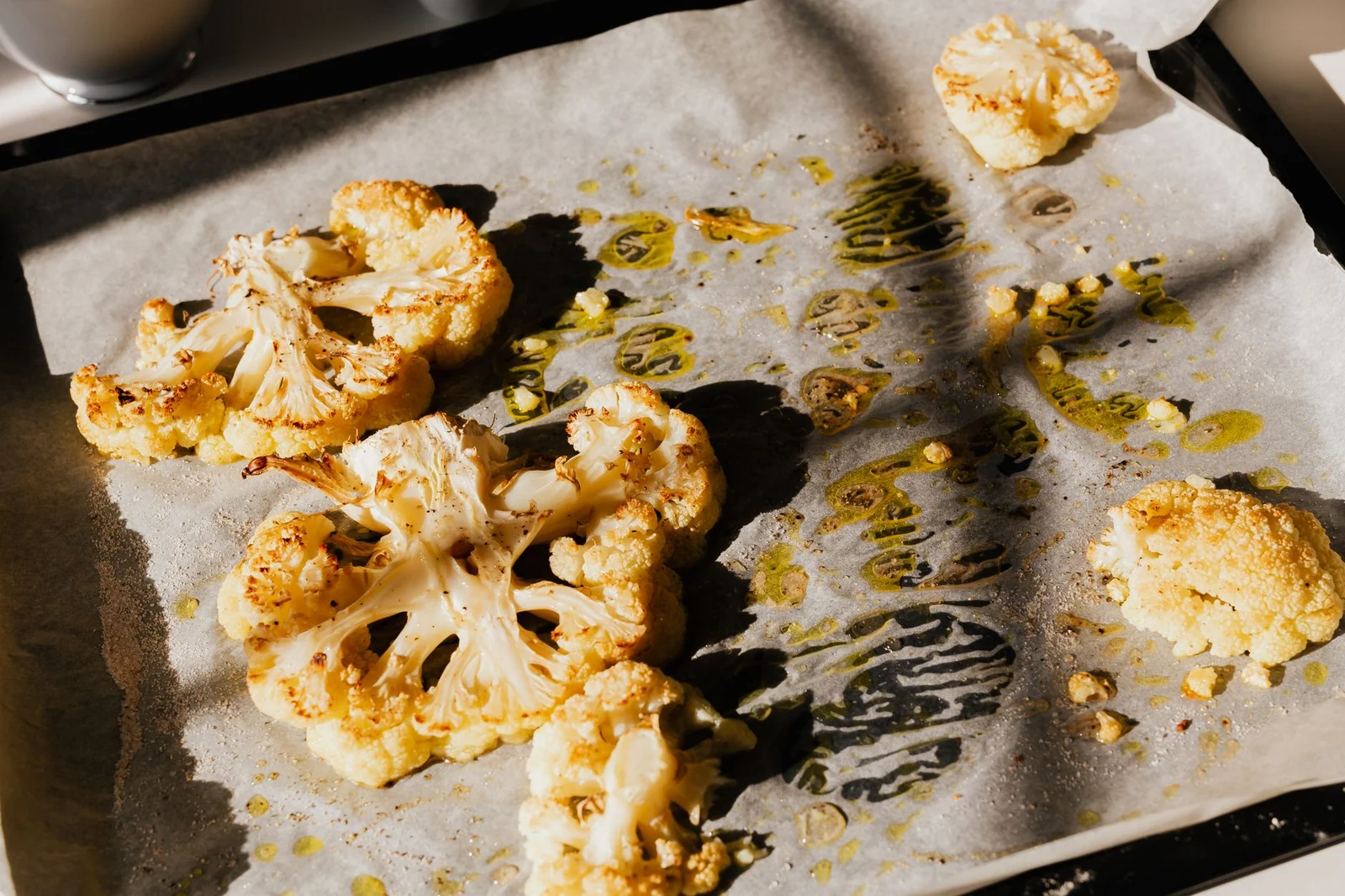
Cauliflower in Olive Oil
Winter's cheapest vegetable meets olive oil: lemon keeps it white, and short cooking keeps the sulphur at bay.
Recipe
Cauliflower in Olive Oil
Winter's cheapest vegetable meets olive oil: lemon keeps it white, and short cooking keeps the sulphur at bay.