Mallow in Olive Oil
The softest of the garden-edge greens: its characteristic velvety texture balanced with bulgur and finished with garlic yoghurt.
- Time
- 35 minutes
- Serves
- Serves 4
- Level
- Easy
- Cuisine
- Turkish
⚠ If you are foraging — identification comes first. Edible wild plants have poisonous look-alikes, some of them lethal. Do not pick anything you are not certain of, and go with someone who knows if it is your first time. Roadsides, the edges of sprayed fields and industrial areas are not gathering grounds.
Mallow (Malva) is the most familiar wild green across Anatolia, growing at the edges of gardens, against walls and in fallow fields. Its leaves are round, wavy-edged and velvety to the touch.
That velvet is not incidental: mallow contains mucilage — the same class of substance as the stickiness in okra. It gives the dish a light body as it cooks, which is why a mallow dish is never watery. In okra in olive oil we work to suppress the mucilage; here we make use of it.
The bulgur balances that texture and pulls the dish together. Using bulgur rather than rice is a regional preference, common through the inner Aegean and central Anatolia.
Directions
- Strip the stems away, using only the young, pale green leaves.
- Wash three times in plenty of water, drain and chop roughly.
- Heat the olive oil in a pan and soften the onion.
- Add the bulgur and turn for two minutes, then add the grated tomato.
- Add the mallow and cook uncovered for five minutes, until the volume drops.
- Add the salt and hot water and cover.
- Cook over low heat for fifteen to eighteen minutes, until the bulgur is tender.
- Serve warm with garlic yoghurt, or cold with a squeeze of lemon.
Tips & storage
Young leaves only. Dark green, large, tough leaves are fibrous and will not soften. If a leaf crushes easily in the palm, it is young enough.
Strip the stems. Mallow stems are thread-like and stay stringy after cooking.
Don't pick flowering plants. Once the purple flowers are open, the leaves have toughened.
Wash three times. The velvety surface holds dust and soil, which one rinse does not remove.
Go easy on the water. The green both releases liquid and binds it with its mucilage. Too much water upsets that balance.
Yoghurt onto a warm dish. Poured over a hot one it splits.
Storage. Two days in the fridge. Because it contains bulgur, do not stretch it, and do not reheat and re-chill.
One rating per visitor; you can change yours at any time. Ratings are real reader votes — no seeded or default scores.
Related
 Recipe
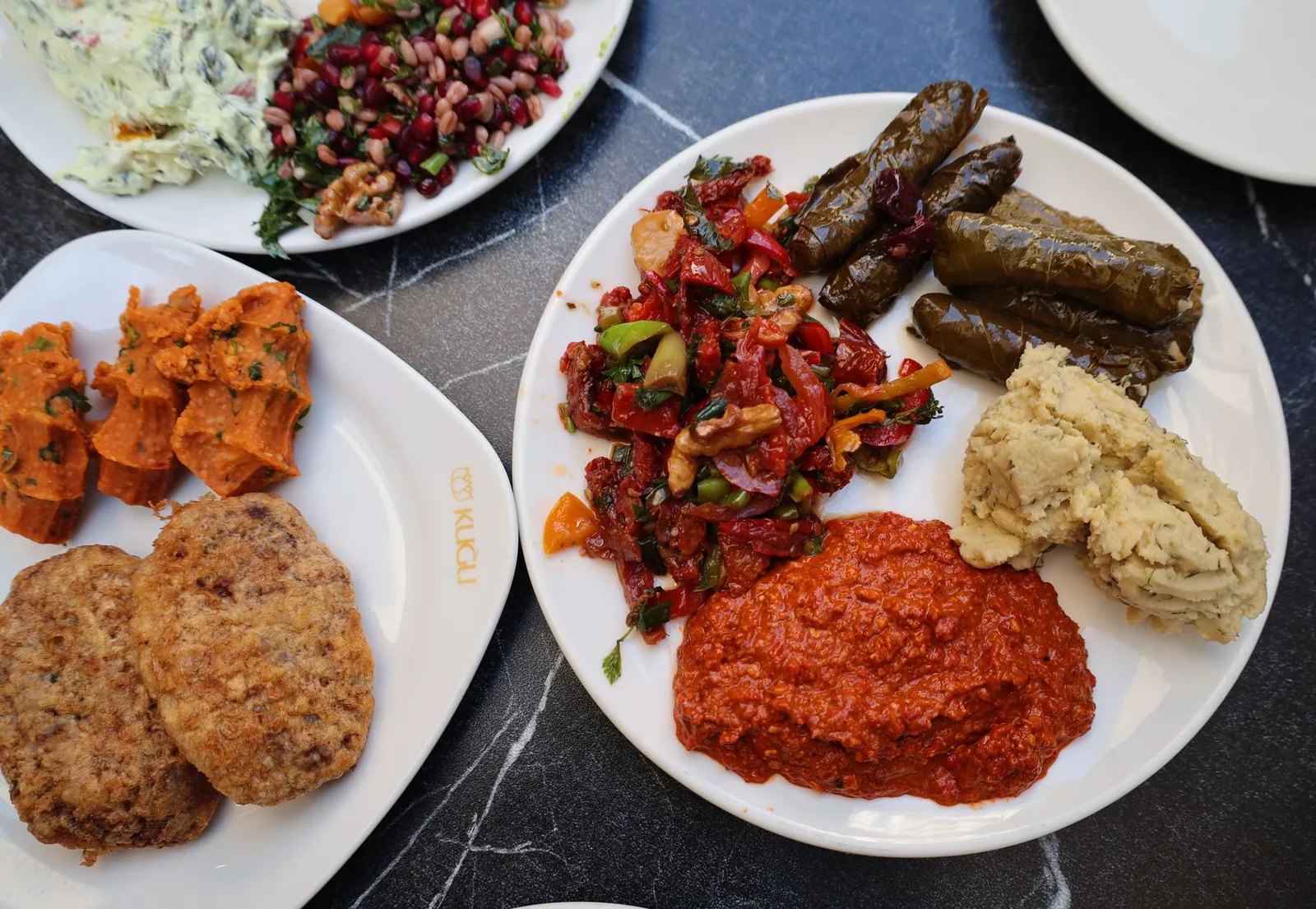
Stuffed Peppers in Olive Oil
Peppers filled with rice, currants and pine nuts — a classic eaten cold.
Recipe
Stuffed Peppers in Olive Oil
Peppers filled with rice, currants and pine nuts — a classic eaten cold.
 Recipe
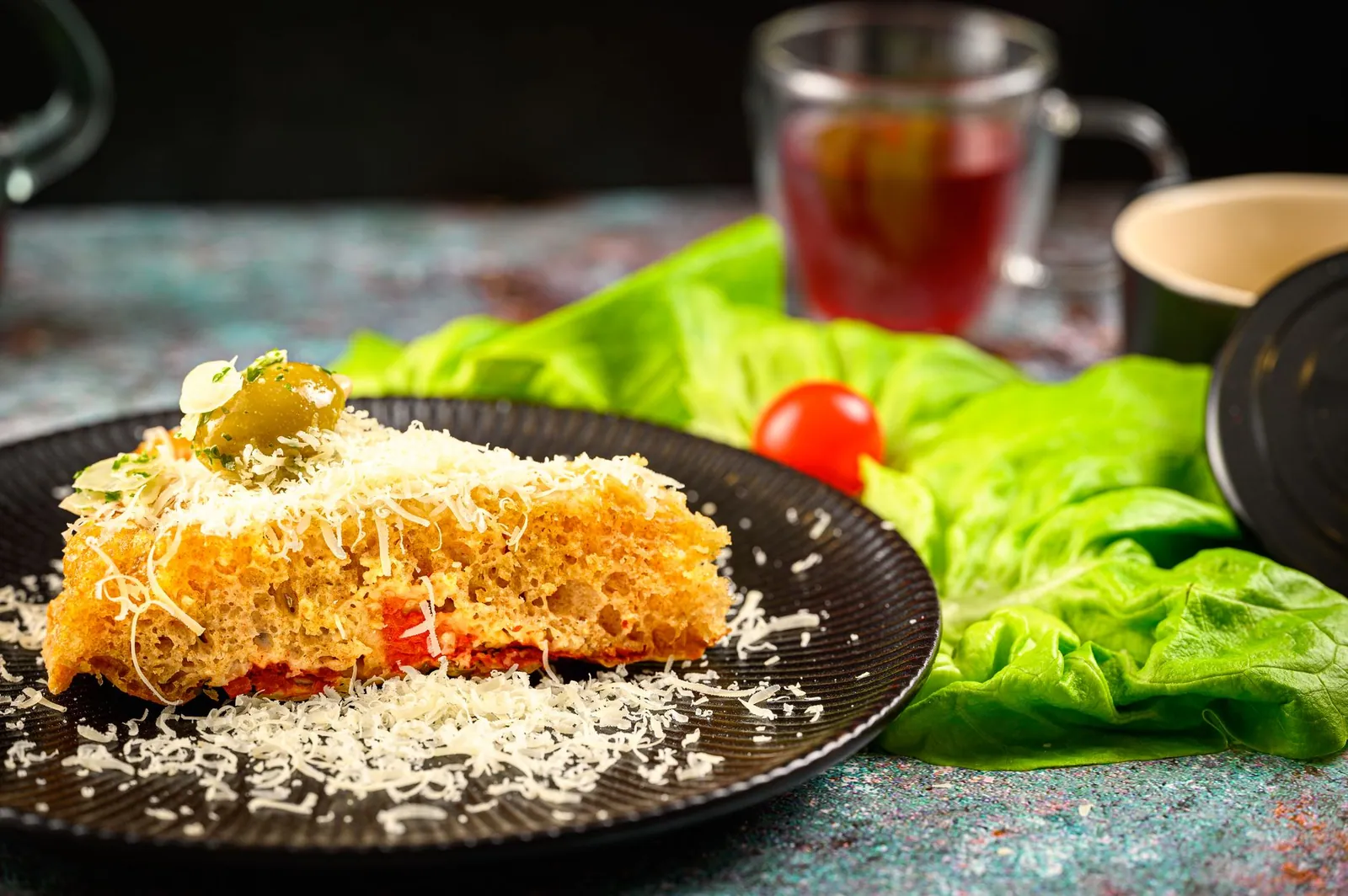
Savoury Olive Cake
A breakfast cake bringing together brined olives and olive oil — a Turkish take on the Italian savoury cake tradition.
Recipe
Savoury Olive Cake
A breakfast cake bringing together brined olives and olive oil — a Turkish take on the Italian savoury cake tradition.
 Recipe
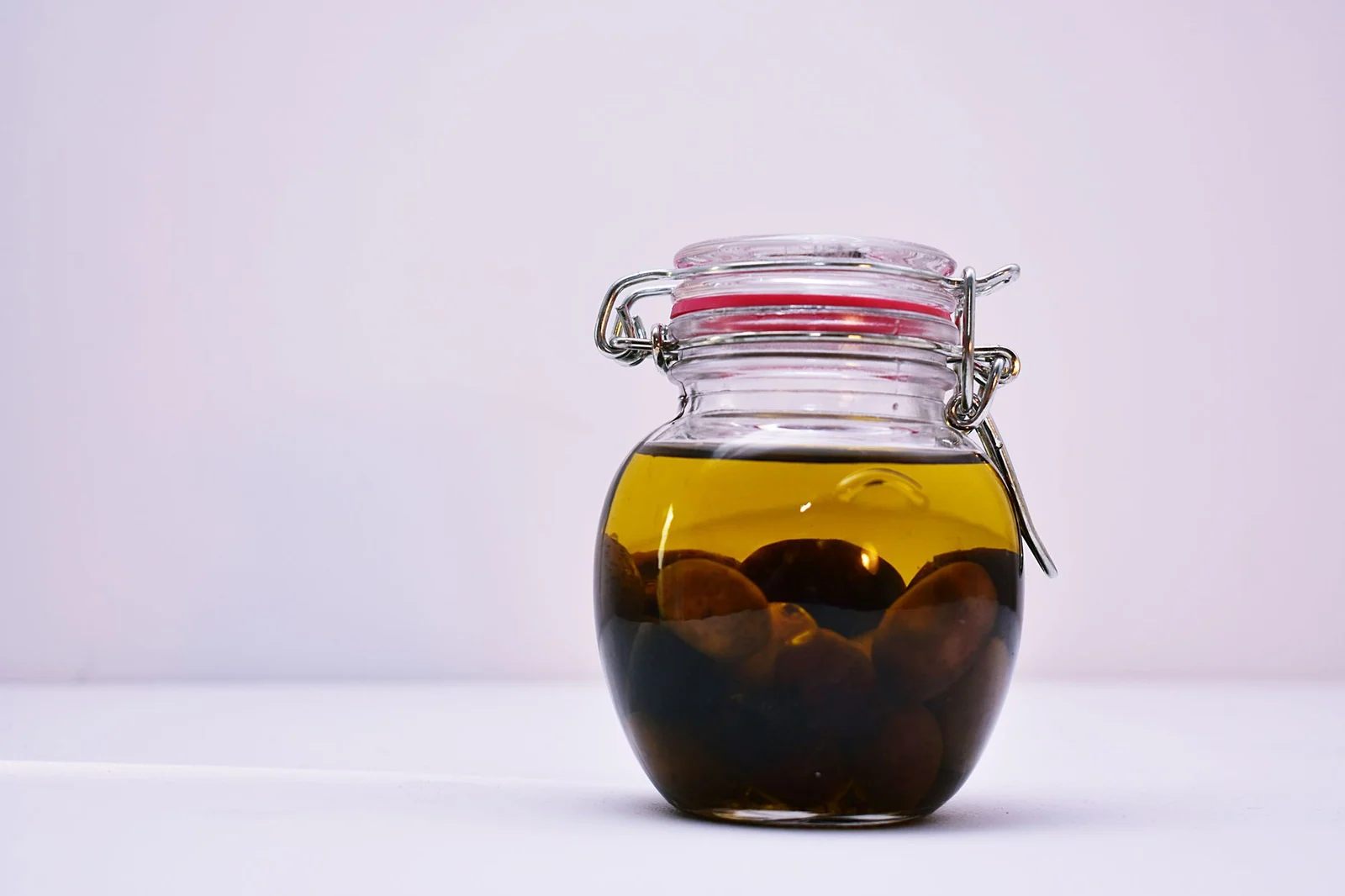
Black Olives in Brine, Naturally Fermented
The oldest and most patient method: ripe black olives go into salted water uncut and give up their bitterness on their own over several months.
Recipe
Black Olives in Brine, Naturally Fermented
The oldest and most patient method: ripe black olives go into salted water uncut and give up their bitterness on their own over several months.
 Recipe
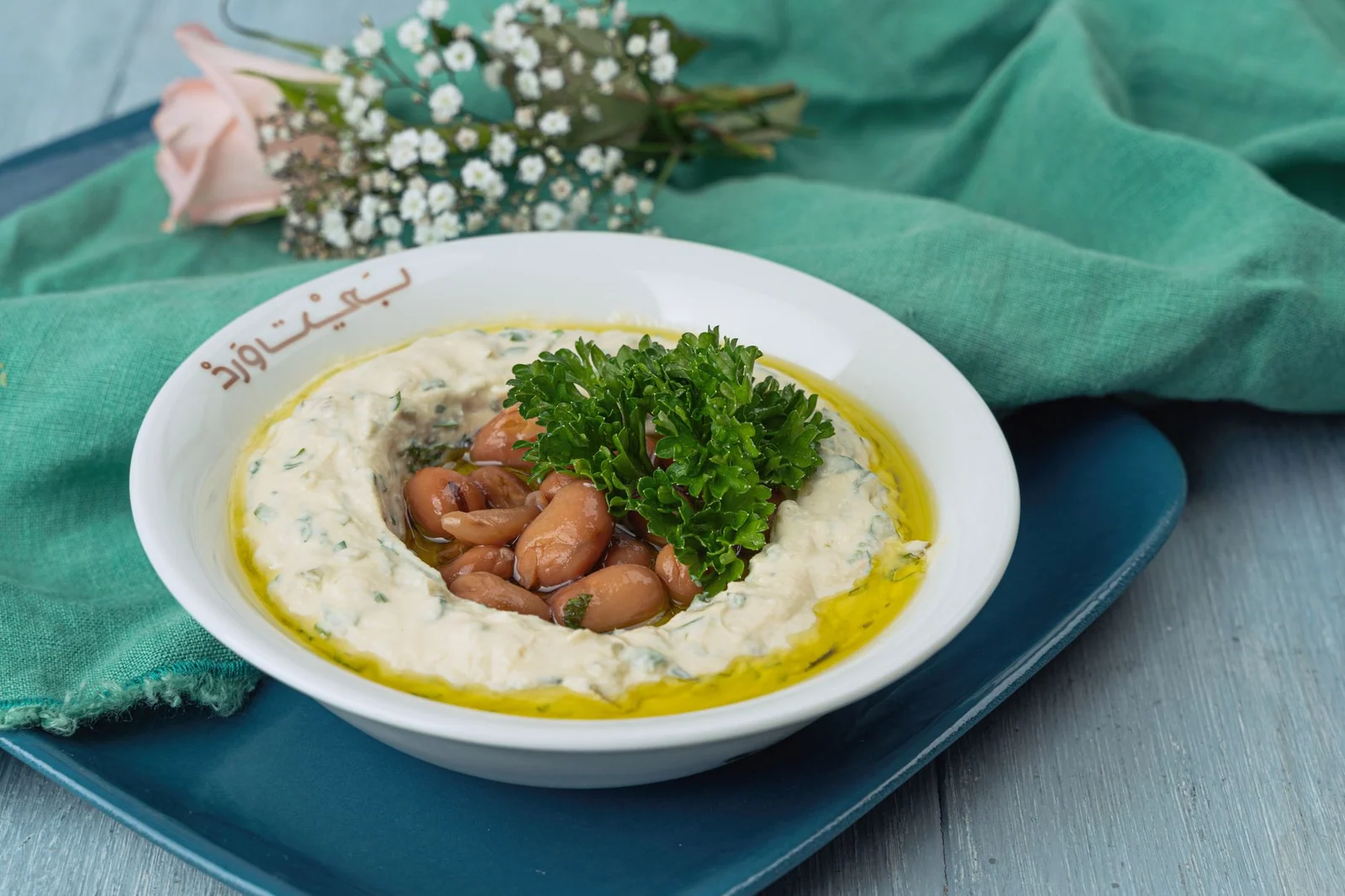
Fava (Broad Bean Purée)
A purée of dried broad beans with dill and olive oil, set in the fridge and served in slices.
Recipe
Fava (Broad Bean Purée)
A purée of dried broad beans with dill and olive oil, set in the fridge and served in slices.