How to store olive spread: homemade, opened jars and freezing
Homemade olive spread is kept in the fridge in a clean glass jar, covered with a thin layer of olive oil, and eaten within about a week. For opened shop-bought jars, the time on the label applies. Spread with garlic or fresh herbs should never be left at room temperature.

Olive spread is a handy companion for breakfast, meze and sandwiches. It spoils much faster than whole olives, for a simple reason: crushing the olives multiplies their surface area thousands of times. Air, light and microorganisms that meet the skin of a whole olive reach the flesh directly in a spread. That is why how to store olives does not translate one-to-one to spreads.
The short answer
| Situation | Where | How long |
|---|---|---|
| Homemade, plain (olives + olive oil) | Fridge | About 1 week |
| Homemade, with garlic or fresh herbs | Fridge | A few days; do not leave at room temperature |
| Shop-bought, unopened | Cool, dark cupboard | Until the date on the label |
| Shop-bought, opened | Fridge | The "once opened" period on the label |
| Frozen | Freezer | A few months; texture changes |
Homemade spread
As we note in our olive spread recipe, homemade spread keeps for about a week in the fridge. To make the most of that time:

1. Clean the jar. Wash it in hot soapy water and dry it thoroughly. A damp jar is where spoilage starts.
2. Pack it down. Leave no air pockets in the spread. Smooth the surface with the back of a spoon.
3. Cover with olive oil. A layer of oil about a finger thick cuts off contact with air. If the surface is exposed after use, add a little more oil.
4. Refrigerate straight away. Putting spread back in the fridge after hours on the table shortens its life.
5. Use a clean, dry spoon. A spoon that has been dipped with bread or been in someone's mouth carries microorganisms into the jar.
Do not add salt; the brine in the olives already carries enough. Salt has some preserving effect, but not enough to make homemade spread safe at room temperature.
Making it last longer from the start
How long a spread keeps is largely decided before it goes into the jar. Drain the olives well after taking them out of the brine; excess brine in the spread makes it watery and speeds up spoilage. Remove every stone, because broken fragments are bad for teeth and create air pockets in the jar. Running the food processor for too long warms the spread, so use short pulses. Above all, make only as much as you will finish in a week. Splitting a batch into two small jars instead of opening one large jar every day lets you keep one unopened in the fridge.
Garlic and fresh herbs: take care
Spread with garlic, fresh thyme, basil or peppers is delicious but more delicate to store. Fresh vegetables and herbs sealed under oil without air create conditions in which dangerous bacteria can multiply if left at room temperature. Such spreads should therefore:
- Always be kept in the fridge,
- Be eaten within a few days,
- Not sit on the table for long.
Dried thyme and chilli flakes are safer in this respect than fresh herbs.
Shop-bought jars
Commercial olive spreads are usually sold heat-treated in sealed jars. An unopened jar keeps until the date on the label in a cool, dark cupboard. As soon as the lid is opened, however, the product is exposed to the same risks as homemade spread.
If the label says something like "refrigerate after opening and consume within ... days", that period applies. If there is no such statement, a cautious approach is to refrigerate the opened jar, keep the oil layer on top and finish it within a few weeks.
Can it be frozen?
Yes. Divide the spread into small containers or ice cube trays so you only thaw what you need. It keeps safely for several months. When thawed, the oil may separate and the texture may become a little watery; stirring well is usually enough. Do not refreeze thawed spread, and thaw it in the fridge rather than at room temperature.
How to tell it has gone off
If you see any of the following, throw the spread away rather than trying to rescue it:
- Mould. White, green or black fuzzy patches on the surface. In a spread, mould is not only where you can see it; scraping off the top is not enough.
- A sour, yeasty or sharp smell. Fresh spread smells of olives and oil.
- Bulging or gas. A domed lid, or foaming when opened.
- Rancid oil. If the oil on top smells of old paint or stale walnuts, it has gone rancid.
We explained in are my olives spoiled that the white film on whole olives can sometimes be harmless. In a spread that distinction is far harder to make; when in doubt, throw it out.
The quality of the oil matters too
The oil poured over the spread is part of the flavour as well as a protective layer. Use fresh, well-stored extra virgin oil. How to store the oil itself and how to tell when it has turned is a separate topic. The Cretan meze, made with cheese, yoghurt, garlic and fresh herbs, is more delicate than olive spread: keep it in the fridge and eat it within a day or two.
Reading notes
The times given here are general guidance. Fridge temperature, jar hygiene and the ingredients added to the spread all change them. For shop-bought products, the manufacturer's label always takes precedence.
One rating per visitor; you can change yours at any time. Ratings are real reader votes — no seeded or default scores.
Related
 Article
Eğriburun olive: characteristics, oil content and growing areas
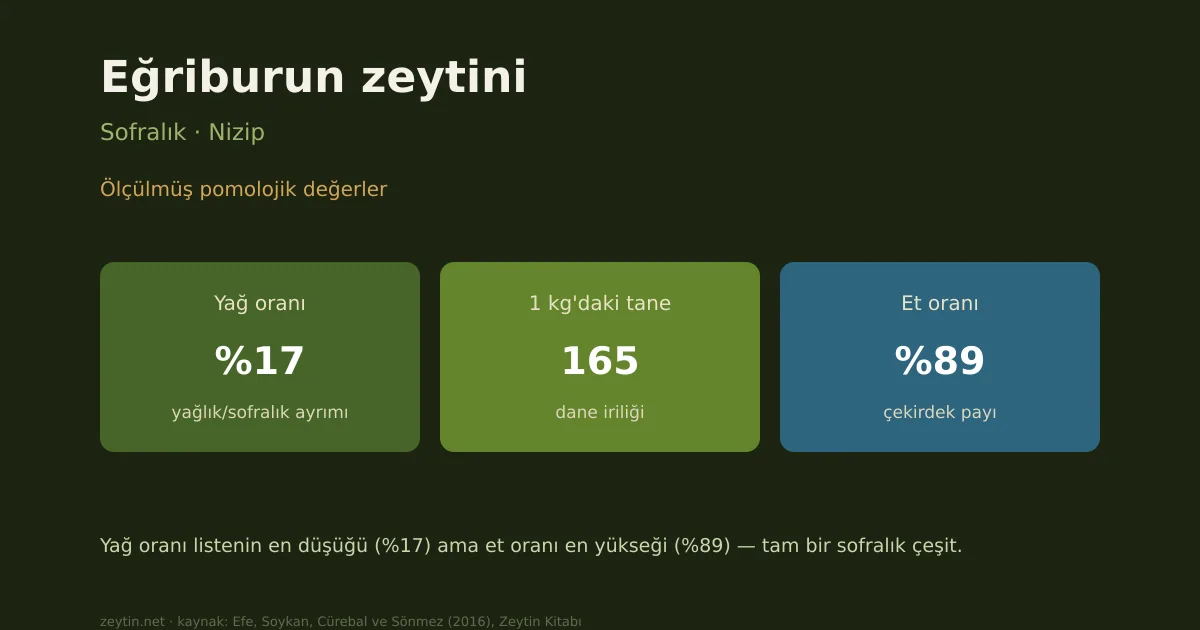
The lowest oil content on the list (17%) but the highest flesh ratio (89%) — a pure table variety.
Article
Eğriburun olive: characteristics, oil content and growing areas
The lowest oil content on the list (17%) but the highest flesh ratio (89%) — a pure table variety.
 Article
Which type of olive is better?
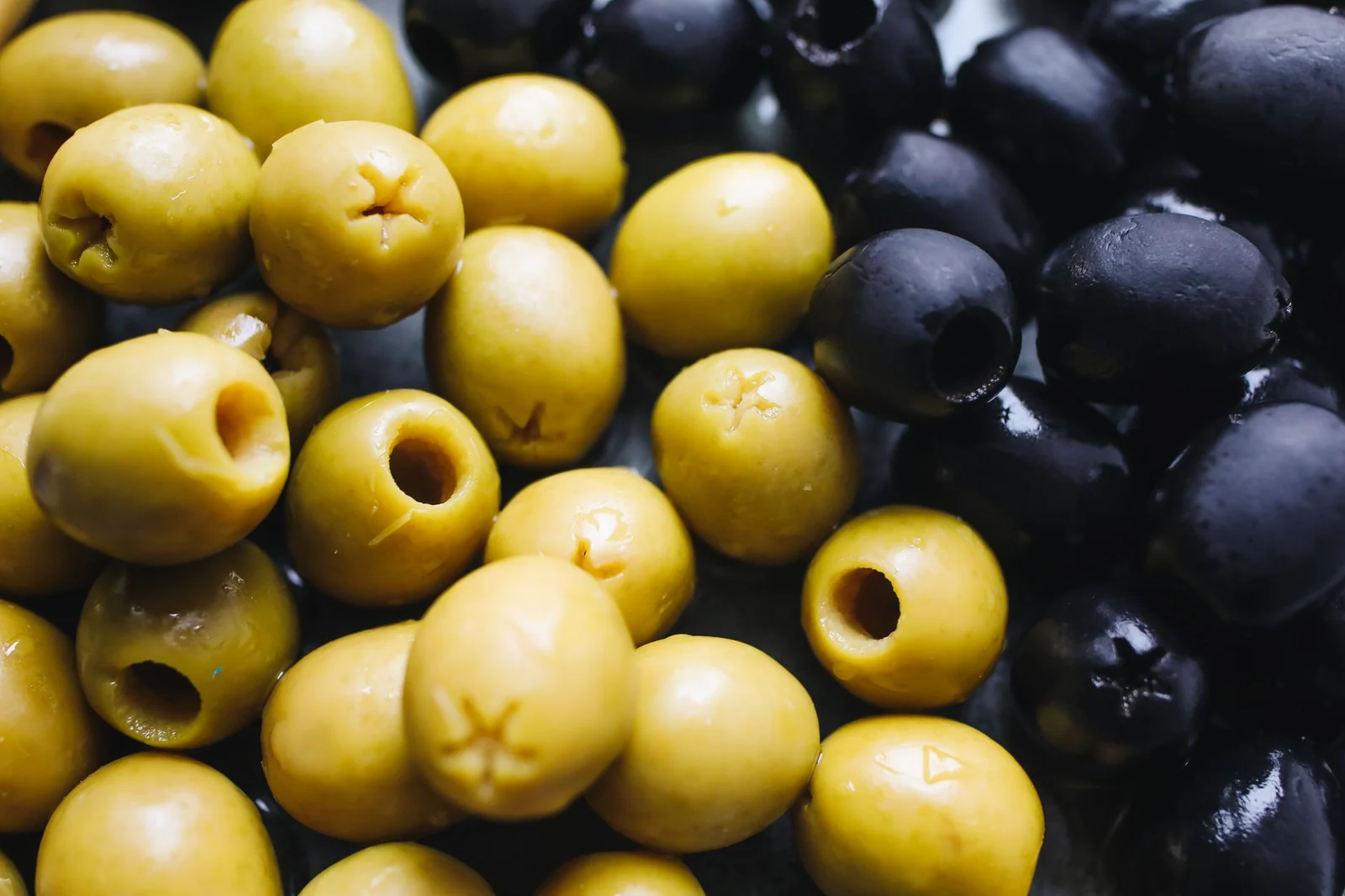
Table or oil, green or black — choosing a variety by purpose, with a short regional map.
Article
Which type of olive is better?
Table or oil, green or black — choosing a variety by purpose, with a short regional map.
 Article
Hojiblanca olive: Spain's oil and table variety
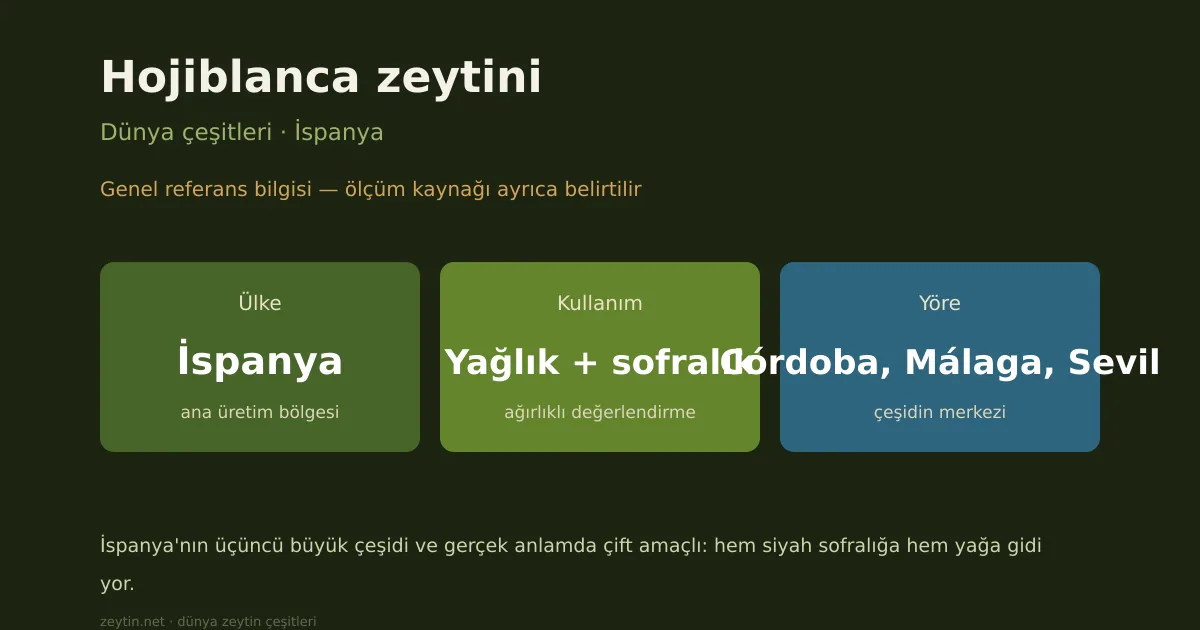
Spain's third-largest variety and genuinely dual-purpose: it goes to black table olives and to oil alike.
Article
Hojiblanca olive: Spain's oil and table variety
Spain's third-largest variety and genuinely dual-purpose: it goes to black table olives and to oil alike.
 Article
The Gemlik Olive designation of origin: what the certificate says
Turkey's first registered olive (2005, no 76). The certificate defines four districts, three cultivars, four curing methods and seven size grades — all of them binding.
Article
The Gemlik Olive designation of origin: what the certificate says
Turkey's first registered olive (2005, no 76). The certificate defines four districts, three cultivars, four curing methods and seven size grades — all of them binding.