Turkish Olive Spread
The black olive spread of the breakfast table, with walnuts, garlic and olive oil.
- Time
- 10 minutes
- Serves
- 6
- Level
- Easy
- Cuisine
- Turkish
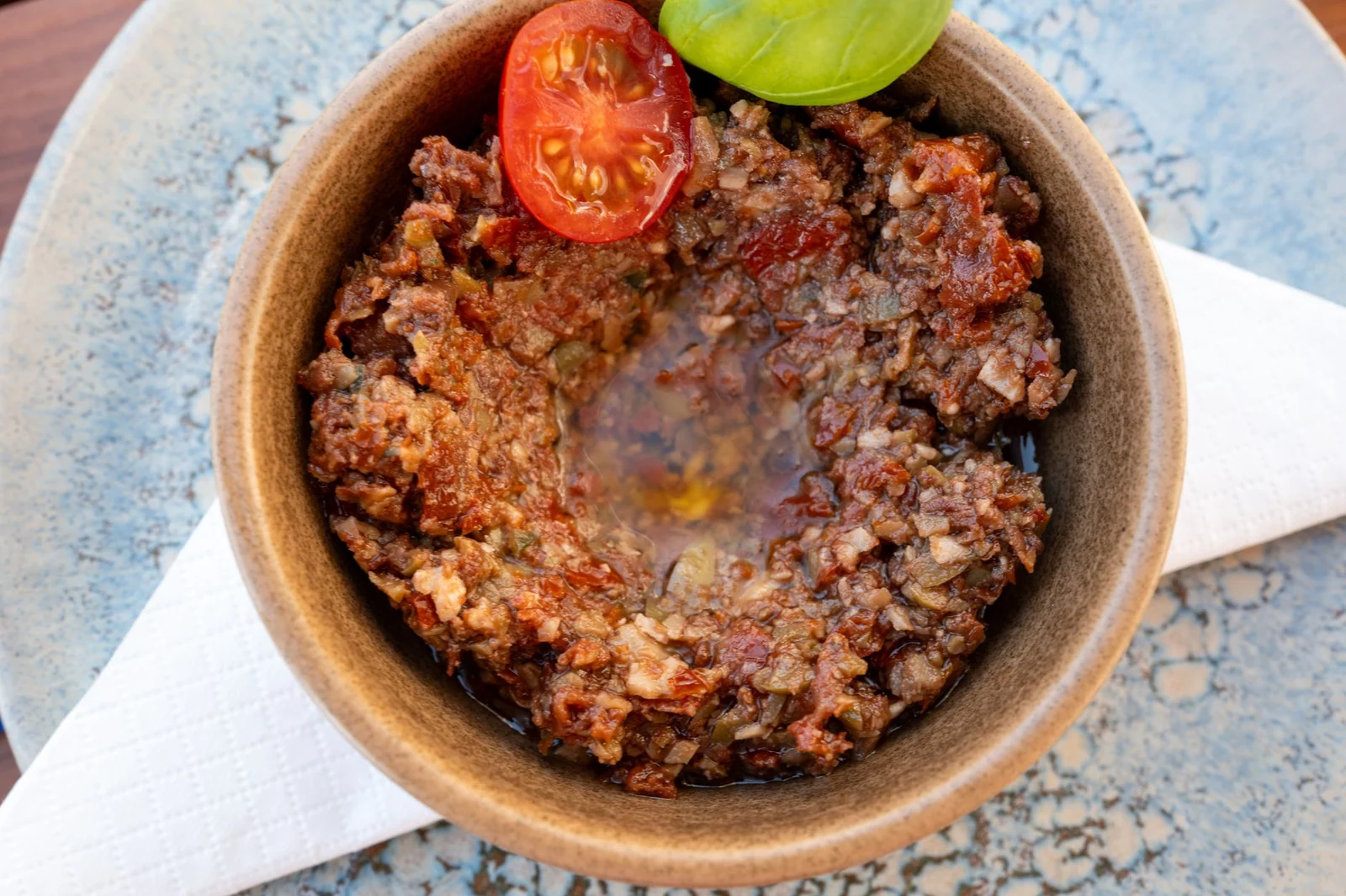
Olive spread is the most practical member of the breakfast table and the olive in its most concentrated form. One jar carries the flavour of a whole plate of olives onto whatever it is spread on.
The decisive point of the recipe is the choice of olive. Brining time and salt levels vary markedly between table varieties, and which variety suits which purpose determines the taste of the spread directly. A fleshy, soft black olive — the Gemlik type — is best suited here; firm green olives will not make a spread, they stay gritty.
Directions
- Drain the olives and pat them dry; wet olives loosen the spread.
- Put the olives, walnuts and garlic in a food processor.
- Pulse in short bursts — keep some texture rather than a smooth purée.
- Add the olive oil and lemon juice and pulse a few seconds more.
- Stir in the oregano, chilli flakes and, if using, the pomegranate molasses.
- Add no salt; the brine of the olives carries enough.
- Transfer to a jar and pour a finger of olive oil on top — it keeps a week in the fridge.
Tips & storage
Drying prevents thinning. Olives out of brine carry water. Without a pat down with kitchen paper, they reduce the spread to the consistency of a sauce and stop the oil binding.
Pulse, don't run. Running the processor continuously warms the mixture and turns the olive oil bitter. Work in bursts of three or four seconds.
Add no salt. In this recipe the salt is already inside the olives. If you taste it and want more, add another pinch of oregano rather than salt.
Why is the pomegranate molasses optional? Acid opens the spread up, but the olives' own sharpness varies by variety. If yours are already sharp, leave it out.
Seal the surface with oil. A finger's depth of olive oil over the spread in the jar cuts off contact with air; that is what prevents oxidation and the darkening of the surface.
Storage. A week in the fridge under its layer of oil. After each use, level the surface and top the oil up.
One rating per visitor; you can change yours at any time. Ratings are real reader votes — no seeded or default scores.
Related
 Recipe
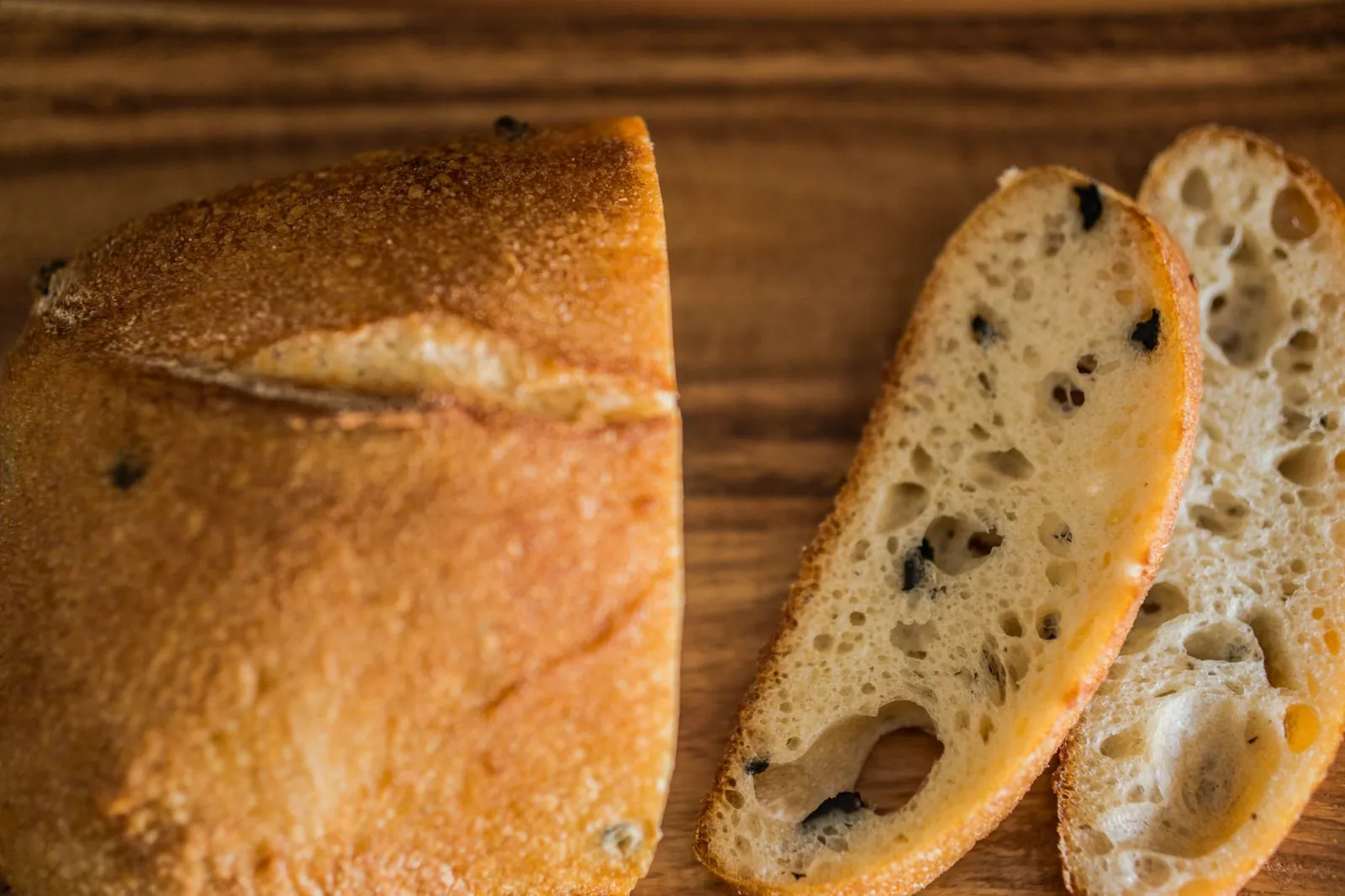
Olive Bread
An Aegean bakery classic: a loaf kneaded with black olives and olive oil, crisp outside and soft within.
Recipe
Olive Bread
An Aegean bakery classic: a loaf kneaded with black olives and olive oil, crisp outside and soft within.
 Recipe
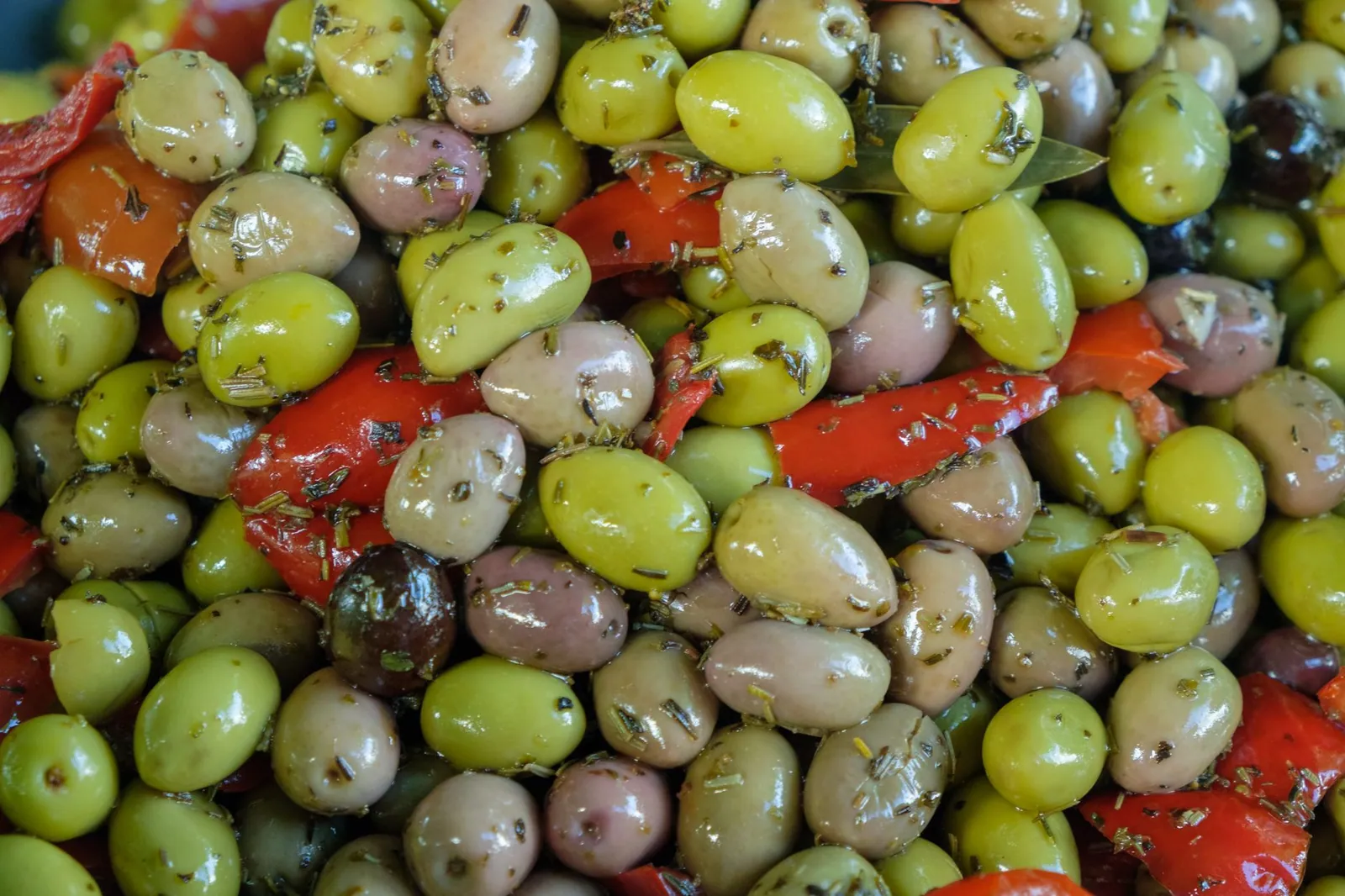
Marinated Olives
The easiest way to turn plain brined olives into a meze overnight: olive oil, lemon zest, garlic and oregano.
Recipe
Marinated Olives
The easiest way to turn plain brined olives into a meze overnight: olive oil, lemon zest, garlic and oregano.
 Recipe
Virgin Mary with Olives
The alcohol-free counterpart of the Bloody Mary: tomato juice, spices and olive brine.
Recipe
Virgin Mary with Olives
The alcohol-free counterpart of the Bloody Mary: tomato juice, spices and olive brine.
 Recipe
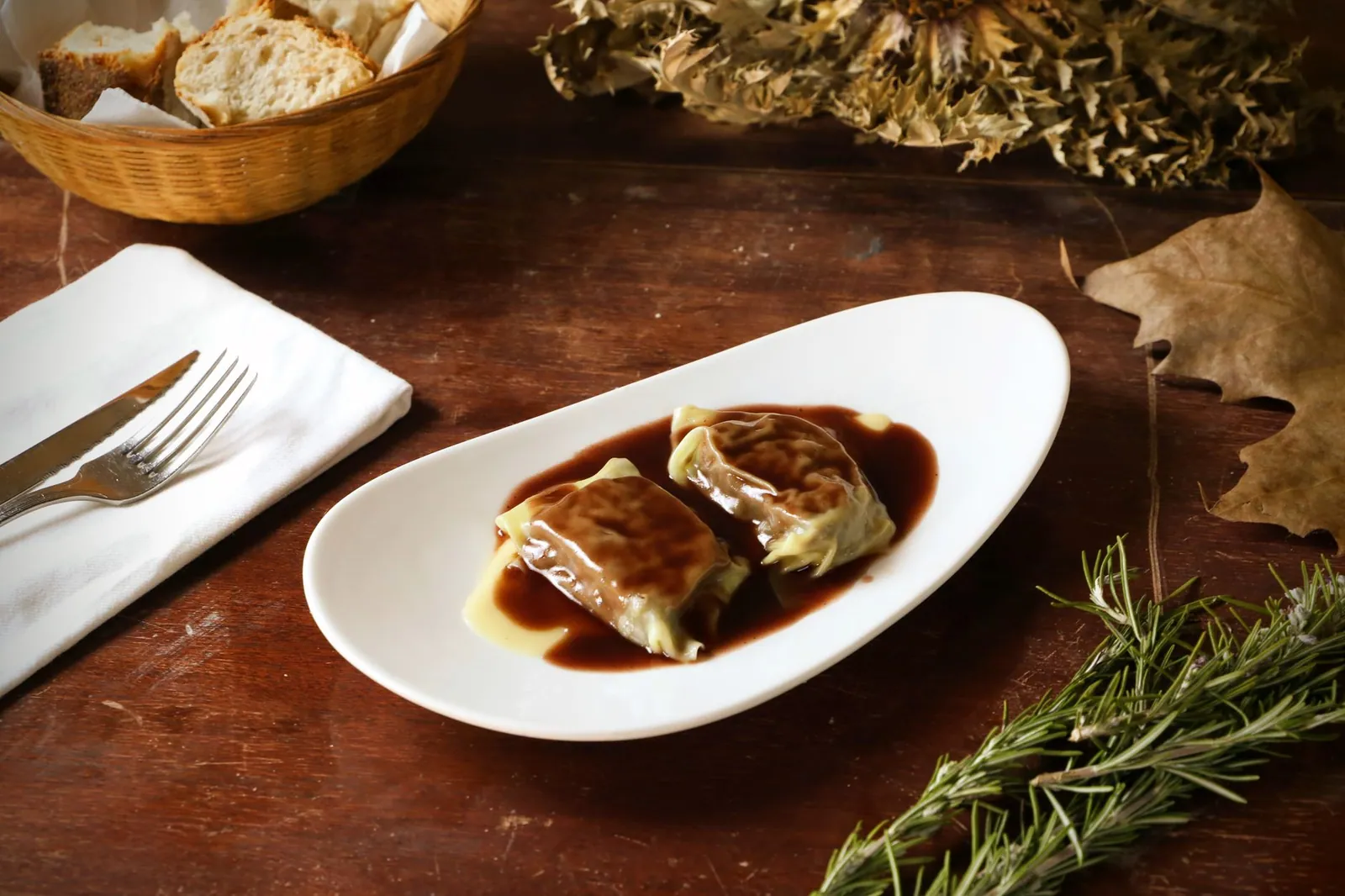
Cabbage Rolls in Olive Oil
The winter roll: blanched cabbage leaves around spiced rice, cooked with lemon.
Recipe
Cabbage Rolls in Olive Oil
The winter roll: blanched cabbage leaves around spiced rice, cooked with lemon.