The History and Culture of the Olive
How did the olive tree reach Anatolia, why is the olive branch a symbol of peace, and what place does it hold in religion? The history of the olive from antiquity to today.
The domestication of the olive tree is one of the oldest chapters in the history of agriculture, reaching back some six thousand years in the eastern Mediterranean. The western shores of Anatolia became one of its most suitable grounds.
This section approaches the history of the olive along three lines: the traces of production in Anatolia, from the stone workshop at Klazomenai to Ottoman groves; the story of how the olive branch became a symbol of peace; and the place of the olive in the three great faiths. It also covers the amphora trade that carried olive oil across the ancient world.
 Article
Where did olives come from? Origin and domestication
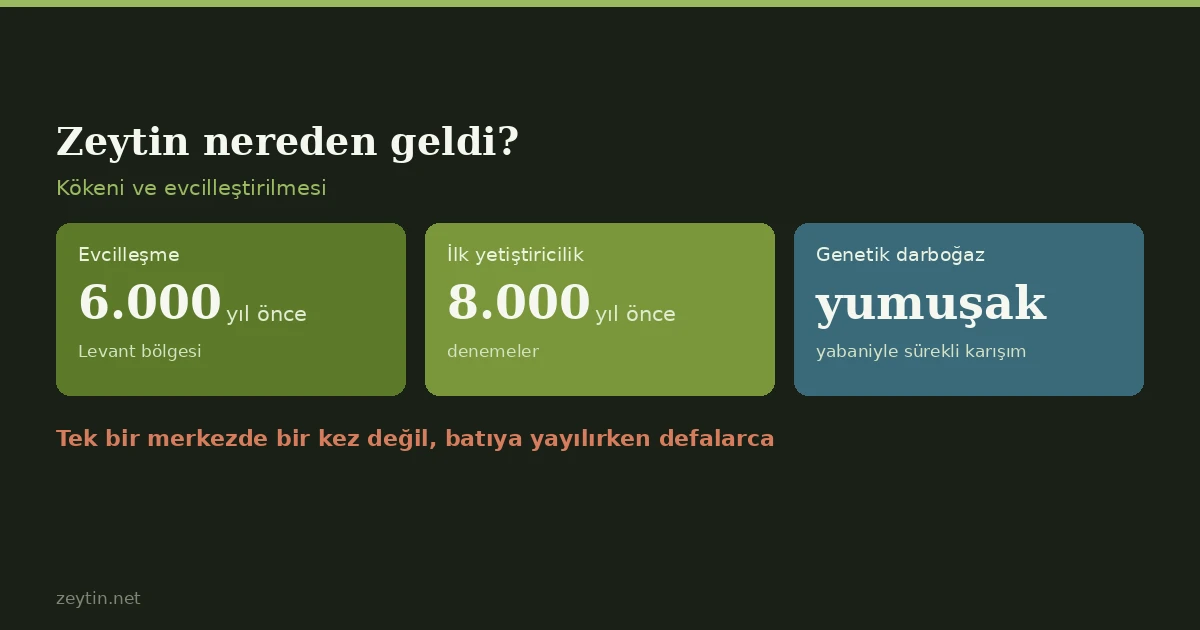
The olive was domesticated about 6,000 years ago in the Levant — but not at a single centre. Genetic work shows the cultivated olive kept mixing with the wild oleaster throughout its spread.
Article
Where did olives come from? Origin and domestication
The olive was domesticated about 6,000 years ago in the Levant — but not at a single centre. Genetic work shows the cultivated olive kept mixing with the wild oleaster throughout its spread.
 Article
Gemlik-Orhangazi Olive Festival, 10-13 September: what the registration says about the name
Gemlik and Orhangazi are holding their olive festivals together for the first time, on 10-13 September 2026. Dropping “Gemlik Olive” from the name drew criticism. The registered area under record no 76 covers four districts: Gemlik, İznik, Orhangazi and Mudanya.
Article
Gemlik-Orhangazi Olive Festival, 10-13 September: what the registration says about the name
Gemlik and Orhangazi are holding their olive festivals together for the first time, on 10-13 September 2026. Dropping “Gemlik Olive” from the name drew criticism. The registered area under record no 76 covers four districts: Gemlik, İznik, Orhangazi and Mudanya.
 Article
The oil was a medicine: two thousand years of olive oil in medicine and folk practice
For most of its history olive oil was not food but lamp fuel, soap, ointment and medicine. Rome's four grades are the ancestor of today's label — and much of what survives in folk medicine is two thousand years old.
Article
The oil was a medicine: two thousand years of olive oil in medicine and folk practice
For most of its history olive oil was not food but lamp fuel, soap, ointment and medicine. Rome's four grades are the ancestor of today's label — and much of what survives in folk medicine is two thousand years old.
 Article
Edremit's monumental olives: four old trees, measured
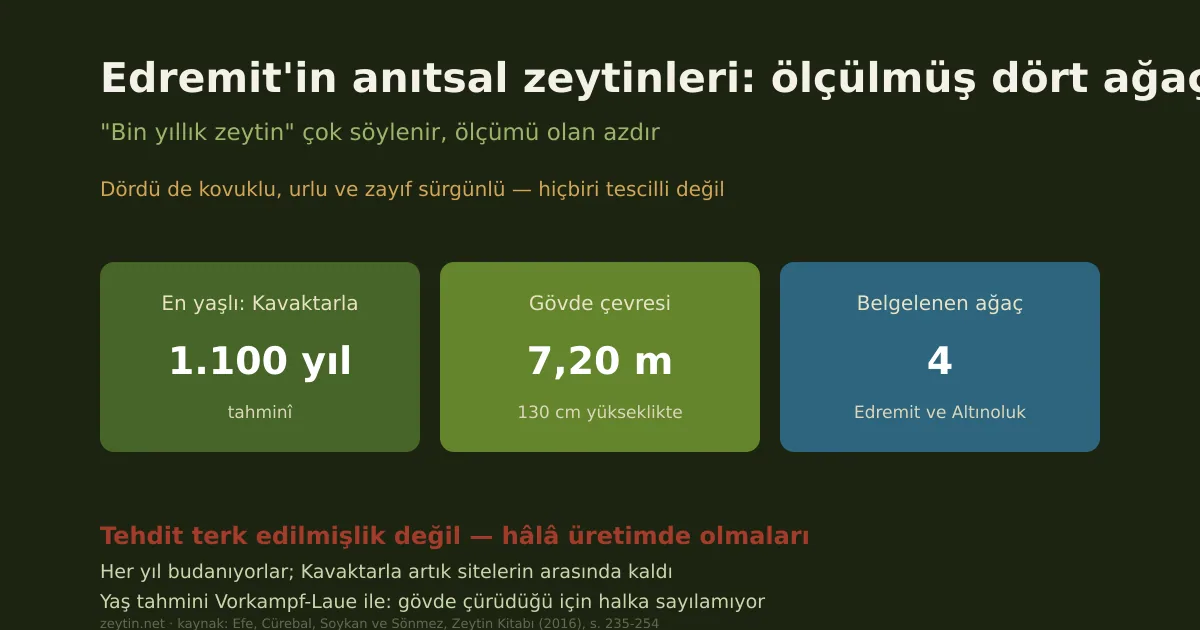
At an estimated 1,100 years and a 7.20 m girth, Kavaktarla is Edremit's oldest olive. All four are hollowed and galled, none is registered, and the real threat is that they are still in production.
Article
Edremit's monumental olives: four old trees, measured
At an estimated 1,100 years and a 7.20 m girth, Kavaktarla is Edremit's oldest olive. All four are hollowed and galled, none is registered, and the real threat is that they are still in production.
 Article
The 43 olive oil workshops of Antiokheia: two thousand years of continuity in Hatay
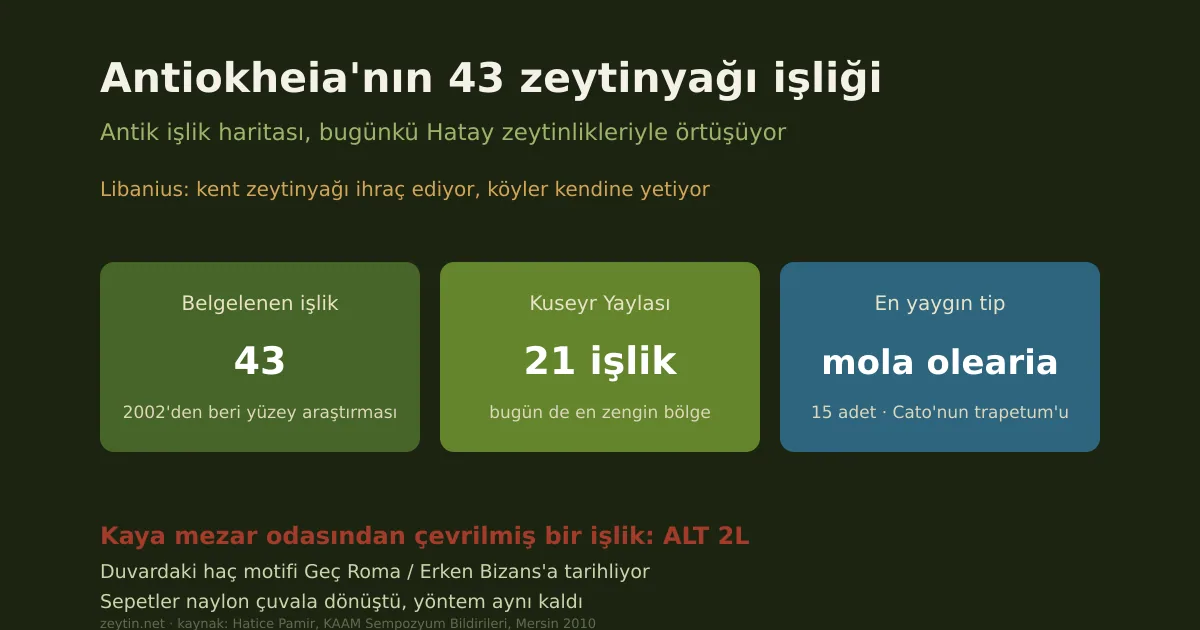
Forty-three ancient workshops documented across Antakya, Altınözü, Yayladağı and Samandağ map onto today's groves. Twenty-one sit on the Kuseyr Plateau — still Hatay's richest olive district.
Article
The 43 olive oil workshops of Antiokheia: two thousand years of continuity in Hatay
Forty-three ancient workshops documented across Antakya, Altınözü, Yayladağı and Samandağ map onto today's groves. Twenty-one sit on the Kuseyr Plateau — still Hatay's richest olive district.
 Article
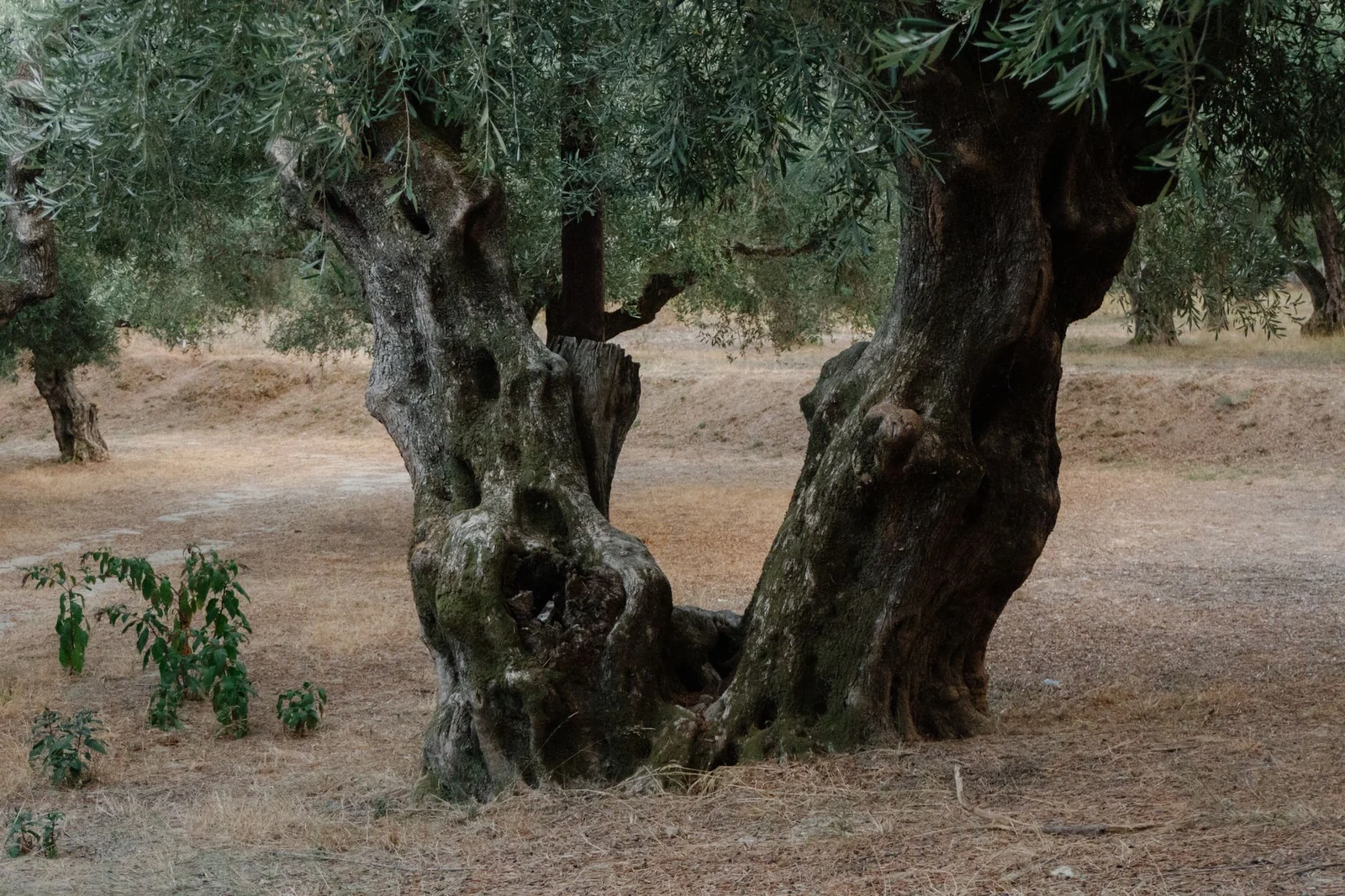
The olive in mythology: from Athena's gift to Noah's dove
From Athena's gift to the branch of peace: the olive in mythology, and which story rests on which source.
Article
The olive in mythology: from Athena's gift to Noah's dove
From Athena's gift to the branch of peace: the olive in mythology, and which story rests on which source.
 Article
The olive in scripture and folk belief: verses, hadiths and myths
The olive in scripture and folk narrative: what the sources actually say, and what is only tradition. Where there is no source, we say so.
Article
The olive in scripture and folk belief: verses, hadiths and myths
The olive in scripture and folk narrative: what the sources actually say, and what is only tradition. Where there is no source, we say so.
 Article
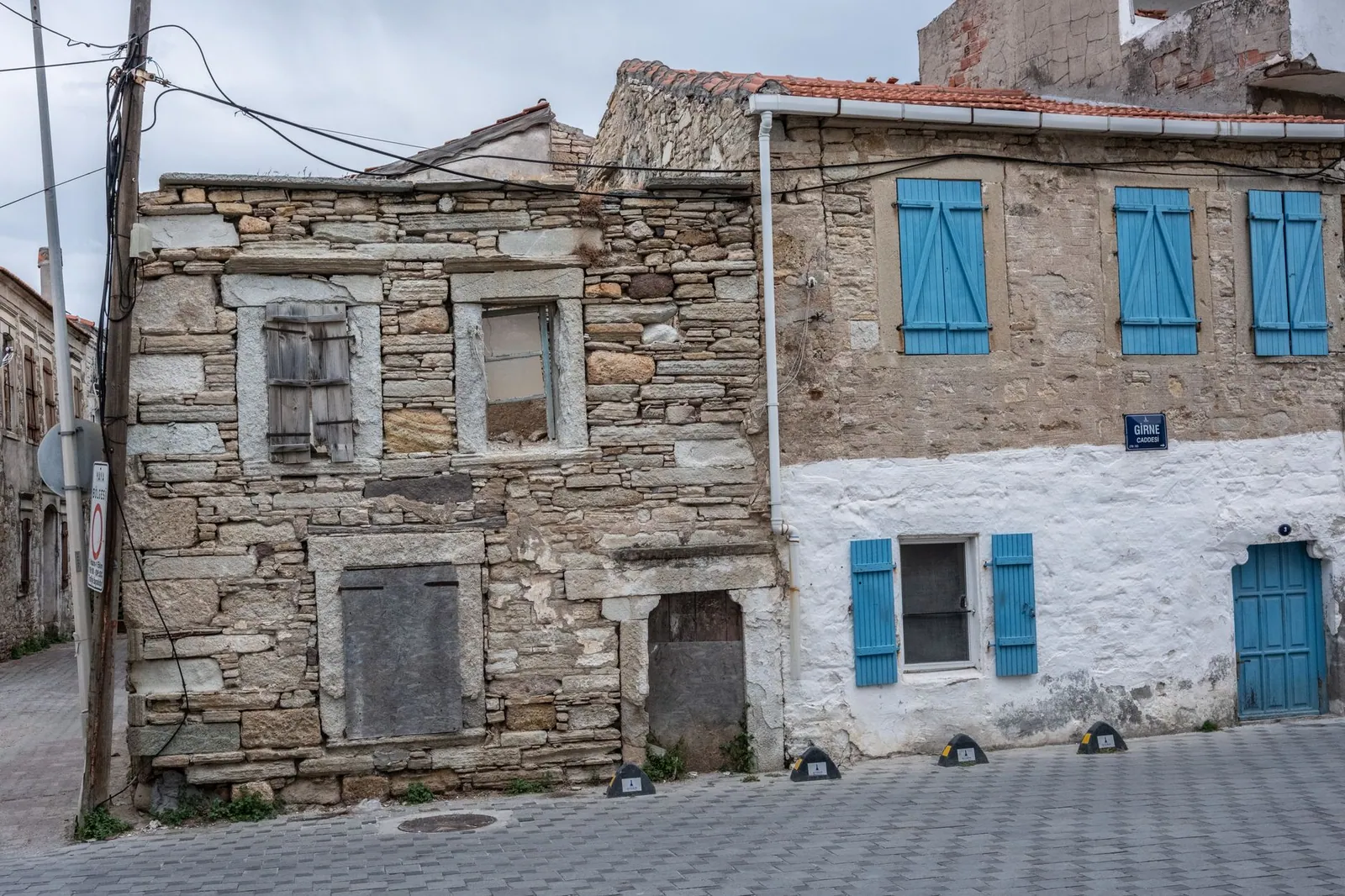
The History of Olive Oil Soap
From Aleppo to Marseille, Castile to Ayvalık: how olive oil became soap, and how that trade built cities.
Article
The History of Olive Oil Soap
From Aleppo to Marseille, Castile to Ayvalık: how olive oil became soap, and how that trade built cities.
 Article
Ayvalık and Edremit: Turkey's Olive Heartland
Soap works, oil mills and the population exchange of 1923. How a gulf built its identity on the olive.
Article
Ayvalık and Edremit: Turkey's Olive Heartland
Soap works, oil mills and the population exchange of 1923. How a gulf built its identity on the olive.
 Article
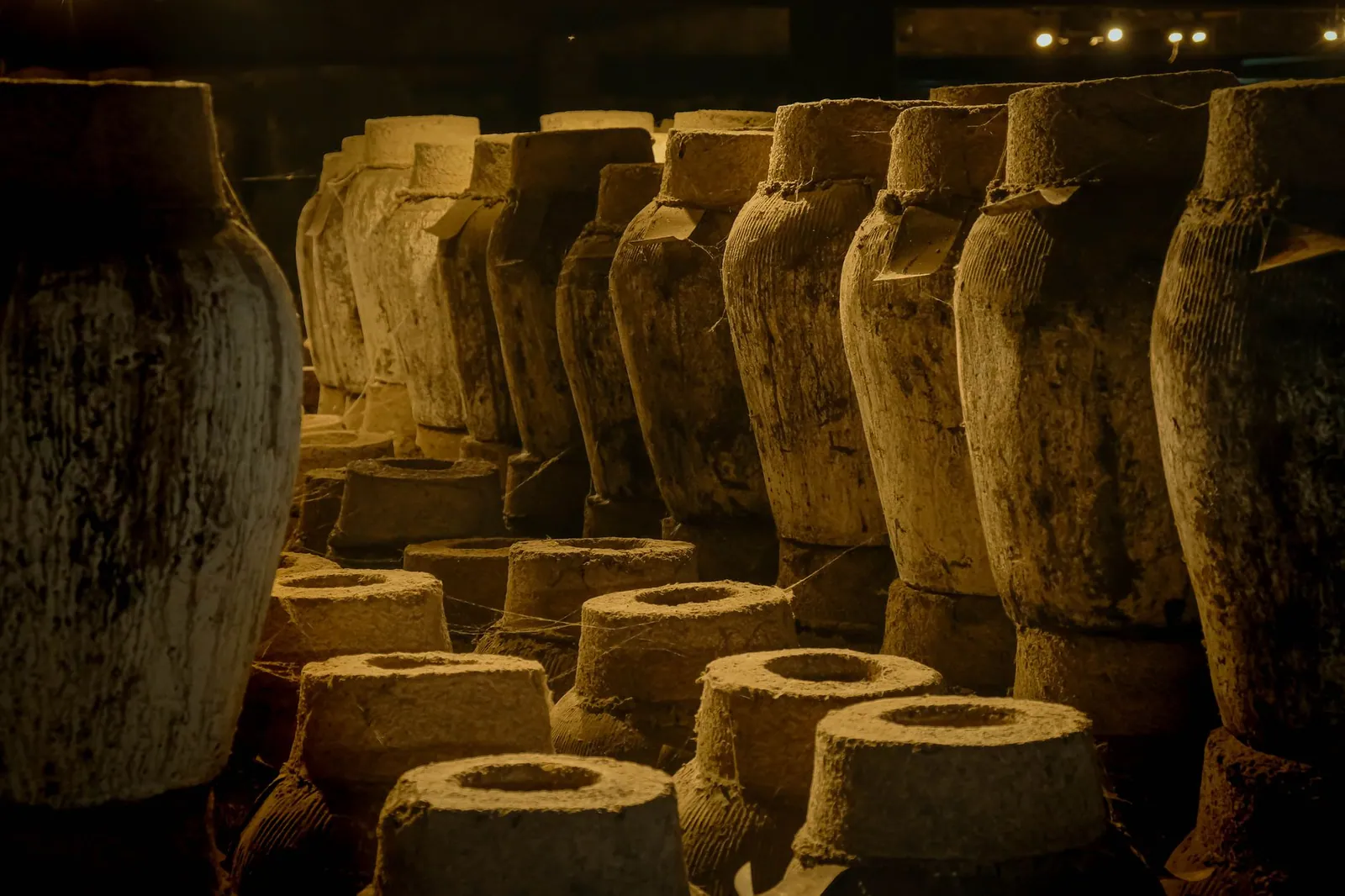
The Olive Oil Trade in the Ancient World
Amphorae, sea routes and a Roman hill made of broken jars: olive oil was one of the Mediterranean's first large-scale commodities.
Article
The Olive Oil Trade in the Ancient World
Amphorae, sea routes and a Roman hill made of broken jars: olive oil was one of the Mediterranean's first large-scale commodities.
 Article
The Olive in Religion
The tree sworn by in the Qur'an, blended into the holy anointing oil of the Torah, and burned in the lamp. The olive holds a shared place in all three faiths.
Article
The Olive in Religion
The tree sworn by in the Qur'an, blended into the holy anointing oil of the Torah, and burned in the lamp. The olive holds a shared place in all three faiths.
 Article
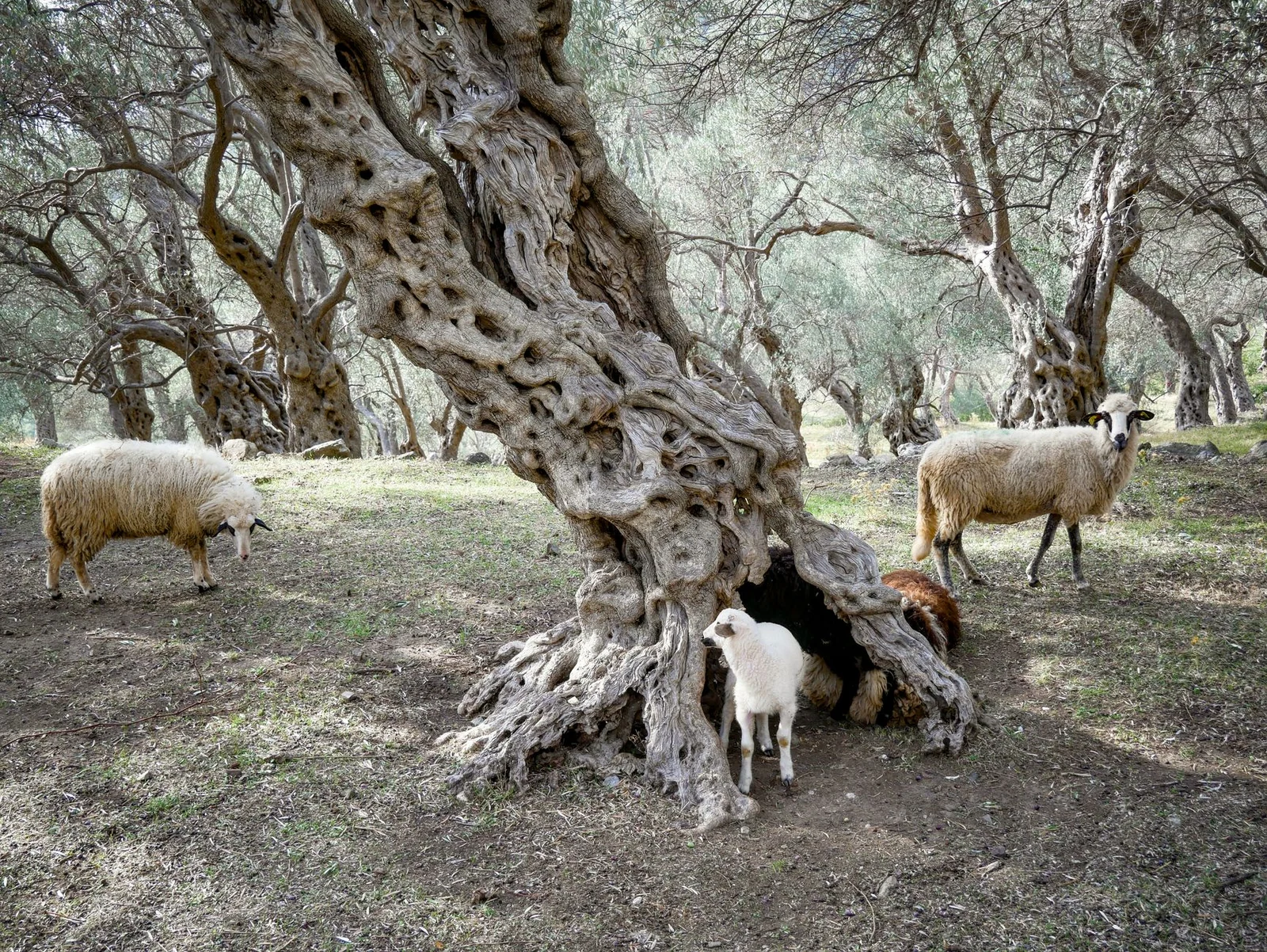
Why Is the Olive Branch a Symbol of Peace?
From the dove of the flood narrative to the emblem of the United Nations: how a tree branch has carried the same meaning for thousands of years.
Article
Why Is the Olive Branch a Symbol of Peace?
From the dove of the flood narrative to the emblem of the United Nations: how a tree branch has carried the same meaning for thousands of years.
 Article
The History of the Olive in Anatolia
Where did the olive come from, and when was it first cultivated in Anatolia? From the stone workshop at Klazomenai to today's Aegean groves.
Article
The History of the Olive in Anatolia
Where did the olive come from, and when was it first cultivated in Anatolia? From the stone workshop at Klazomenai to today's Aegean groves.
 Article
History of the Olive
The olive was domesticated in the eastern Mediterranean some six thousand years ago. Traces in Anatolia, routes of spread and the birth of trade.
Article
History of the Olive
The olive was domesticated in the eastern Mediterranean some six thousand years ago. Traces in Anatolia, routes of spread and the birth of trade.
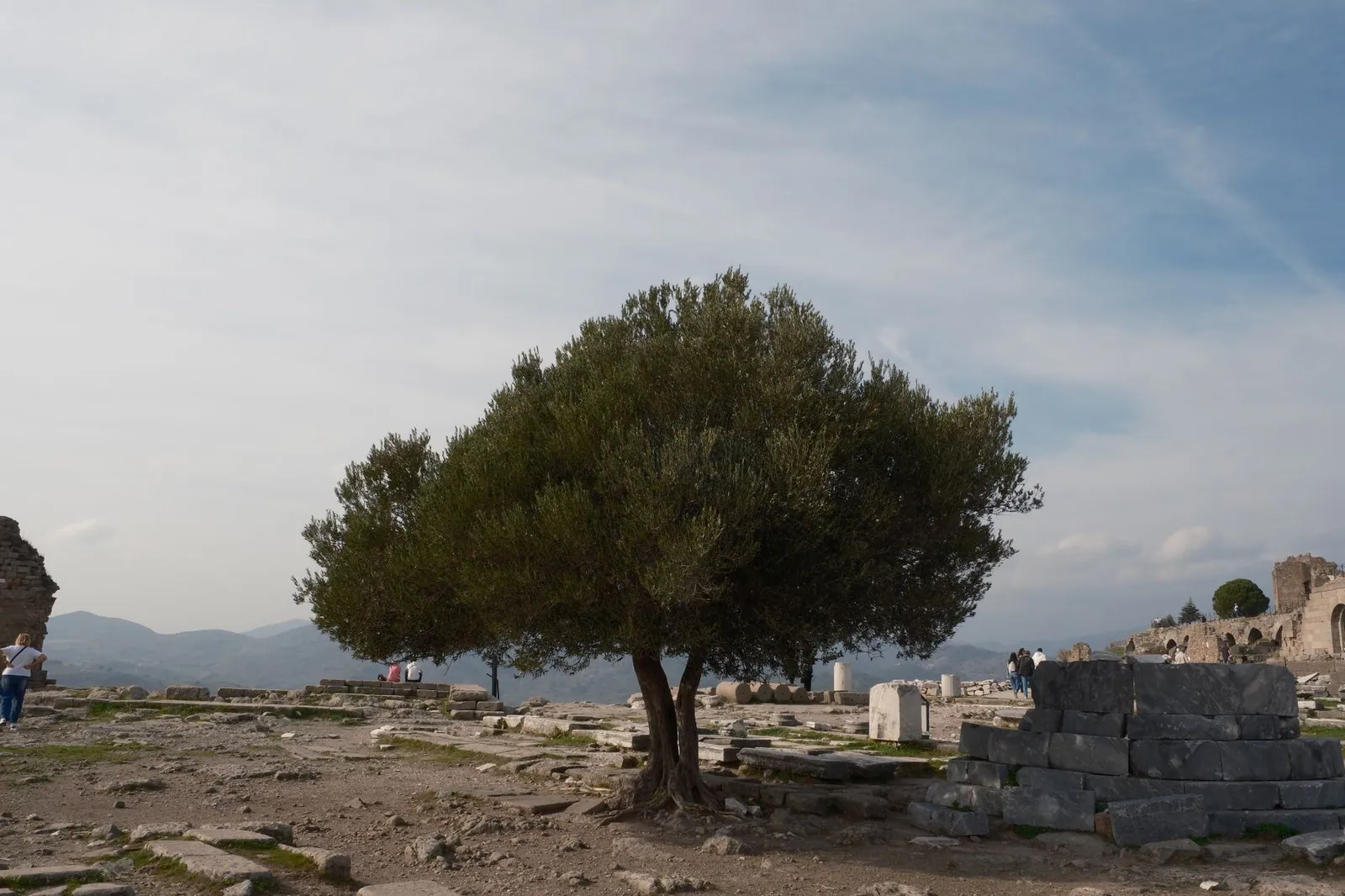 Article
History of the Olive Tree
From remains dated to 6000 BC to modern plantations: the olive tree's journey alongside humanity, and one of farming's longest stories.
Article
History of the Olive Tree
From remains dated to 6000 BC to modern plantations: the olive tree's journey alongside humanity, and one of farming's longest stories.