The Olive Tree
Olea europaea: botany, lifespan, root and leaf structure, monumental trees. The identity of the Mediterranean's emblematic tree and how it lives.
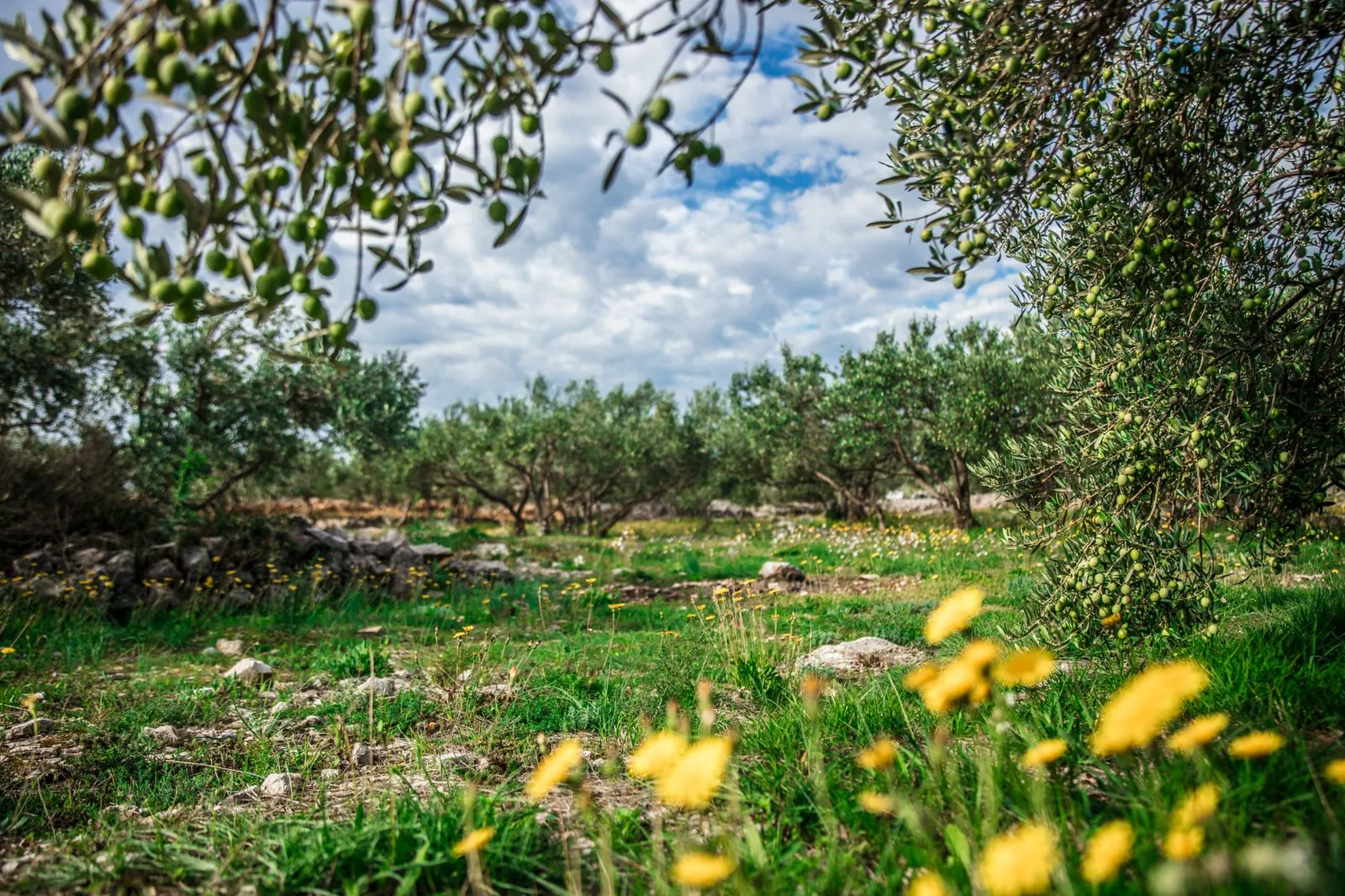
The olive tree (Olea europaea) is the most familiar tree of the Mediterranean basin, with its silvery leaves, a trunk that twists with age and a lifespan that lets it bear fruit for centuries. Turkey has around 200 million olive trees. This page briefly introduces the tree from every angle and points to the articles where each topic is covered in detail.
The olive tree at a glance
| Feature | Value |
|---|---|
| Scientific name | Olea europaea L. |
| Family | Oleaceae: the same family as jasmine, lilac and ash |
| Leaves | Evergreen, narrow and long, dark green above, silvery below |
| Height | Mostly 3-6 m in pruned groves; can grow much taller left alone |
| Flowering | Spring; small, whitish flowers in clusters |
| Fruit | Fleshy, single-stoned; fruit weight roughly 1-10 g depending on variety |
| First fruit | Usually 3-5 years for a sapling grown from a cutting |
| Economic yield | Usually 7-10 years |
| Lifespan | Hundreds of years; some monumental trees are estimated at over a thousand |
A detailed botanical description of the leaf, flower and fruit is in Olea europaea: the olive tree's botany.
Leaves, flowers, fruit
The olive does not shed its leaves in winter; each leaf stays on the branch for a few years and is gradually replaced. The silvery hairs on the underside of the leaf reduce water loss, one of the secrets of the tree's drought tolerance.
Flowers open in spring on the previous year's shoots. Pollination is largely by wind. Some varieties do not set enough fruit with their own pollen and need another variety nearby; details are in pollination and pollinator varieties in olive.
The fruit grows through summer and in autumn turns from green to pink-purple and then black. Oil content rises with ripeness. The same tree can give green olives in October and black olives in December.
Lifespan: why does it live so long?
The olive grows slowly but lives an extraordinarily long time. The trunks of old trees hollow out, twist and split over time, yet the tree carries on with new shoots. An olive that is cut down or burned often sprouts again from its roots. We described Turkish trees whose age is measured in centuries in the monumental olive trees of Edremit.
Long life has a cost: the tree comes into bearing late and tends to rest after a heavy crop. This is called alternate bearing.
Climate: where does it grow?
The olive loves a Mediterranean climate with hot, dry summers and mild winters. Three thresholds matter:
- Cold: damage can begin below roughly -7 °C. See olive temperature thresholds.
- Winter chill: the tree needs to stay cool for a period in winter in order to flower. See chilling requirement.
- Sun and drainage: yield drops in shade; roots rot in heavy, waterlogged soil.
In Turkey, olive growing is concentrated in the Aegean and Marmara regions; the Mediterranean, southeastern Anatolia and the Artvin part of the Black Sea are also producing areas. The distribution by province is in where do olives grow in Türkiye. How climate change is affecting that map is covered in climate change and the olive.
Growing: from sapling to grove
The life of an olive grove begins at planting, and the first decisions keep having an effect for decades:
1. Sapling: a healthy sapling of a documented variety. See how to plant an olive sapling.
2. Care: irrigation, fertilisation and pruning. The general framework is in how to grow an olive tree; pruning is covered separately in olive pruning.
3. Yearly work calendar: what to do in which month is on the olive calendar.
When is an olive tree planted?
Olive saplings are usually planted between October and March. On the Aegean and Mediterranean coasts, where winters are mild, autumn planting is preferred; the sapling puts down roots through winter and is ready for spring. Where winters are harsh and late frosts are a risk, spring planting in February-March is safer, because a young sapling is far more sensitive to frost than a mature tree. Working the soil deeply before planting and choosing a spot where water does not collect are the most decisive steps of the early years.
How much does an olive tree yield?
Giving a single figure would be misleading. The crop per tree varies widely with variety, the tree's age and size, irrigation, pruning and that year's weather. There can be a manyfold difference between an old, unirrigated and neglected tree and a young, drip-irrigated, regularly pruned one. On top of that, the same tree swings between on and off years. That is why grove calculations are based not on individual trees but on the average of several years and the yield per decare. We cover yield differences between varieties, with measurements, in a separate article; the timing of the harvest is covered in the olive harvest: when and how.
Pests and diseases
The olive is a hardy tree but not a trouble-free one. The most common problems:
- Olive fruit fly: lays eggs in the fruit and lowers the quality of both table olives and oil. See olive fruit fly control.
- Peacock spot: ring-shaped spots on leaves and leaf drop. See olive peacock spot disease.
- Olive knot: a bacterial disease that forms galls on branches. See olive knot disease.
- Verticillium wilt: a soil-borne fungal disease that dries out branches. See verticillium wilt in olives.
What the tree gives
Fruit and oil. The olive tree gives both table olives and olive oil. Which variety suits which use is in olive varieties.
Leaves. Leaves from pruning are dried and used as tea; what the evidence supports is discussed in olive leaf tea.
Wood. Hard, heavy and richly grained, olive wood is prized for kitchenware and crafts. See olive wood properties.
Pollen. Olive pollen is a major cause of spring allergies in Mediterranean countries. See olive pollen allergy.
Cultural significance
The olive tree has carried deep meaning in every period of history. In ancient Greece it was the sacred tree of the goddess Athena, and Athenian coins showed an olive sprig beside the owl. Olympic victors were crowned with wreaths of wild olive. In the flood narrative the dove returns with an olive leaf; in the Quran the olive is named as a blessed tree. The branches on the United Nations emblem are olive branches. How that symbol came about is explained in why is the olive branch a symbol of peace.
Where and when the olive was domesticated is the subject of where olives came from.
One rating per visitor; you can change yours at any time. Ratings are real reader votes — no seeded or default scores.
Related
 Article
Picual olive: Spain's oil variety
The single largest share of world olive oil production. High oleic acid and polyphenols, a pungent and stable oil.
Article
Picual olive: Spain's oil variety
The single largest share of world olive oil production. High oleic acid and polyphenols, a pungent and stable oil.
 Article
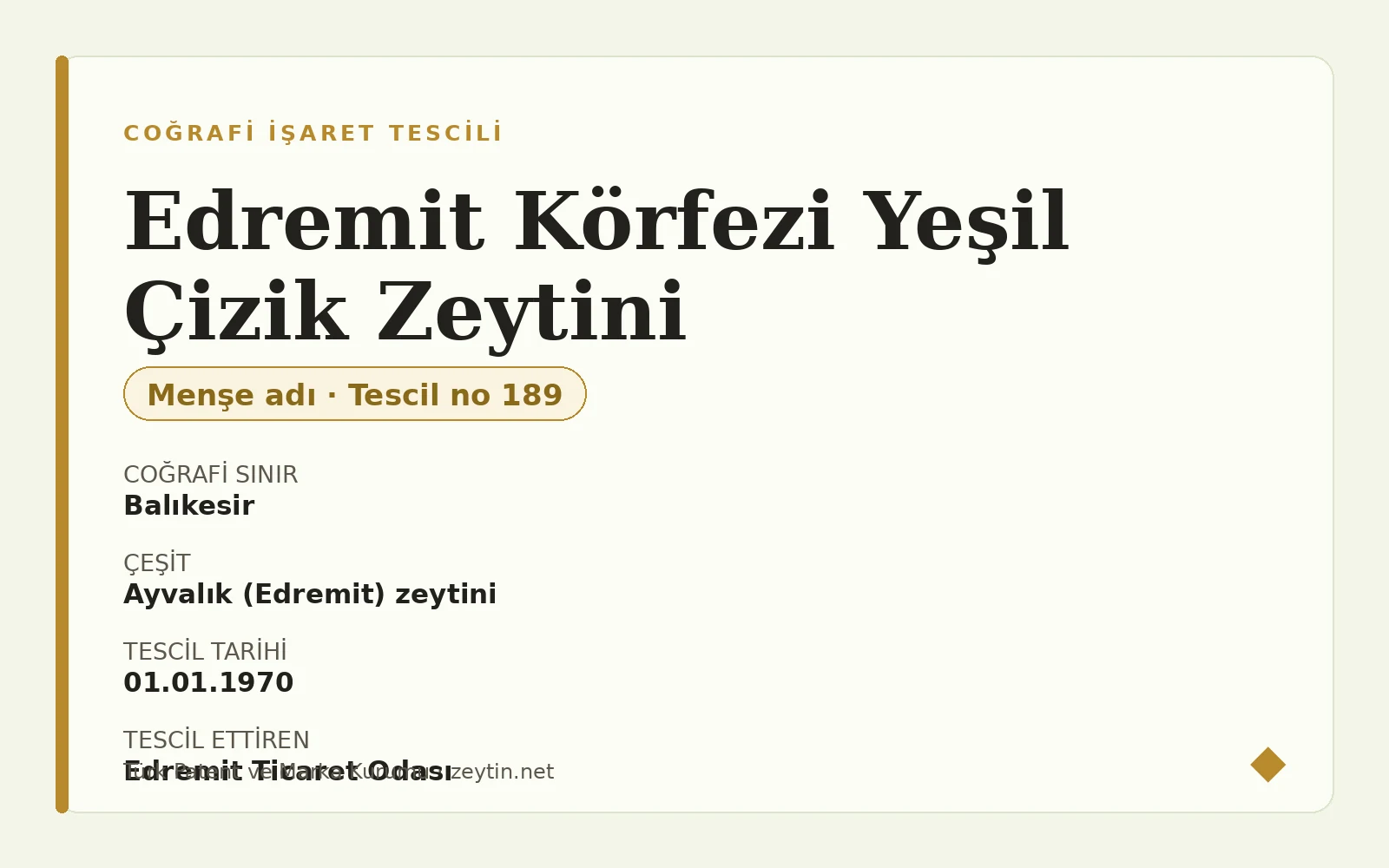
Edremit Gulf Green Scored Olive: a registration that defines altitude and slope
Registered in 2014. The certificate draws the boundary topographically as well as administratively: 50-250 m altitude, 5-6% slope. Debittering is entirely natural.
Article
Edremit Gulf Green Scored Olive: a registration that defines altitude and slope
Registered in 2014. The certificate draws the boundary topographically as well as administratively: 50-250 m altitude, 5-6% slope. Debittering is entirely natural.
 Article
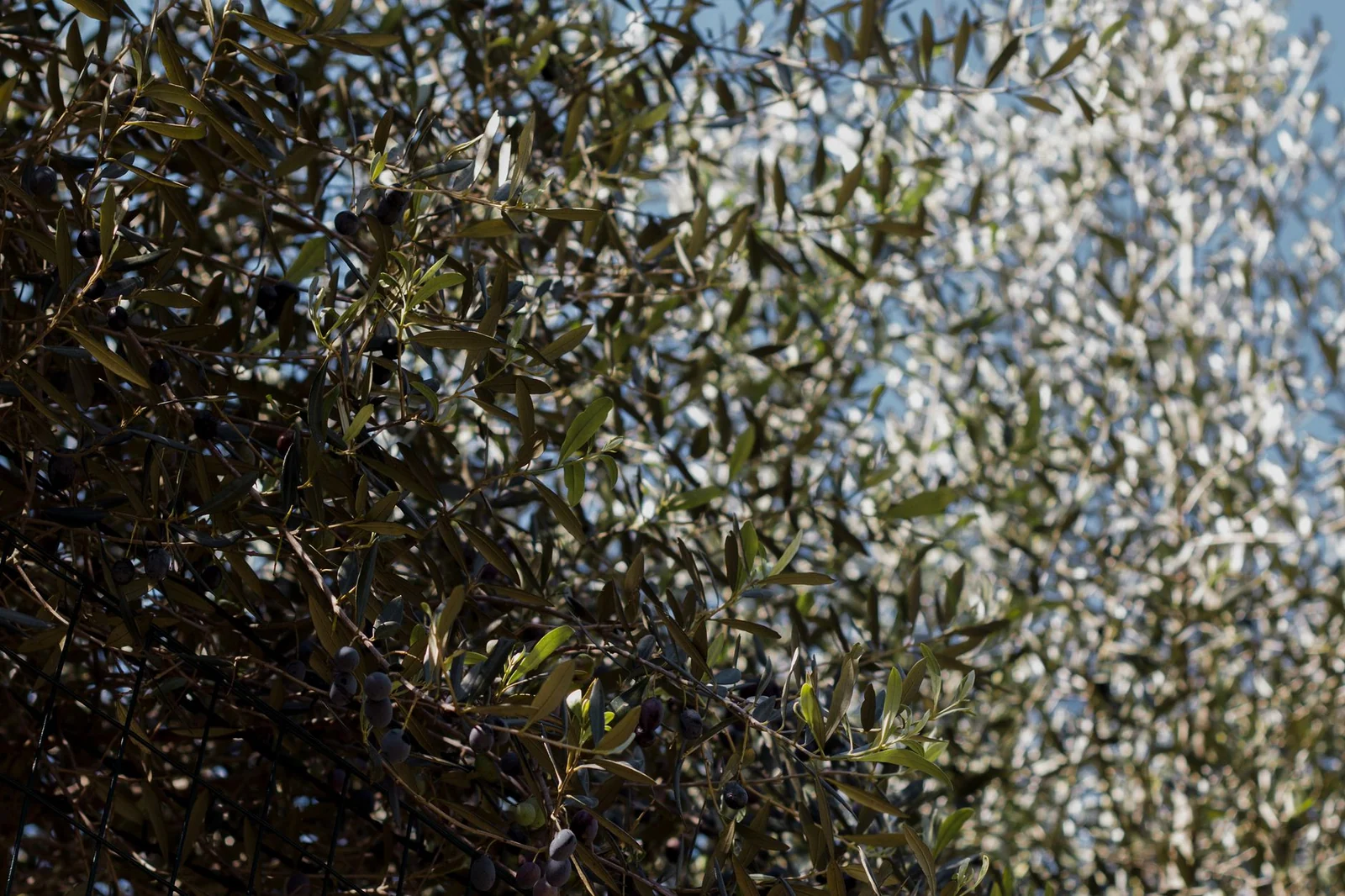
The Olive Calendar: The Olive Year Month by Month
When to prune, when it flowers, which olives are picked when — the year of the tree and the grower, month by month.
Article
The Olive Calendar: The Olive Year Month by Month
When to prune, when it flowers, which olives are picked when — the year of the tree and the grower, month by month.
 Article
Eğriburun olive: characteristics, oil content and growing areas
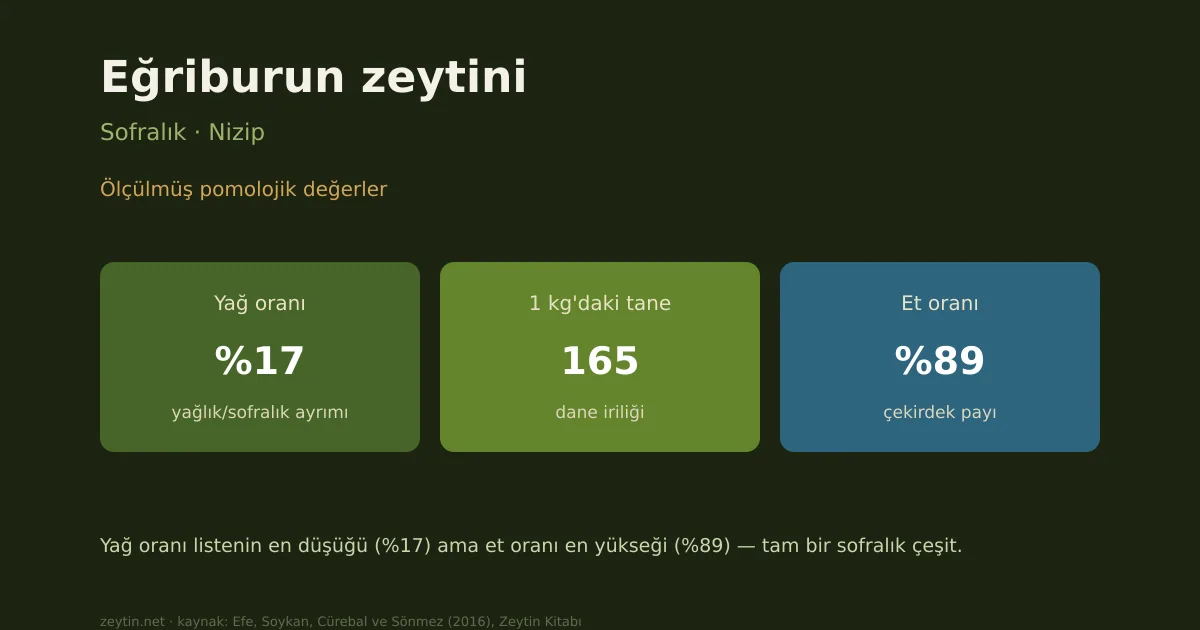
The lowest oil content on the list (17%) but the highest flesh ratio (89%) — a pure table variety.
Article
Eğriburun olive: characteristics, oil content and growing areas
The lowest oil content on the list (17%) but the highest flesh ratio (89%) — a pure table variety.