How to Grow an Olive Tree
Soil, climate, watering, pruning and patience. A basic care guide for anyone planting an olive tree.
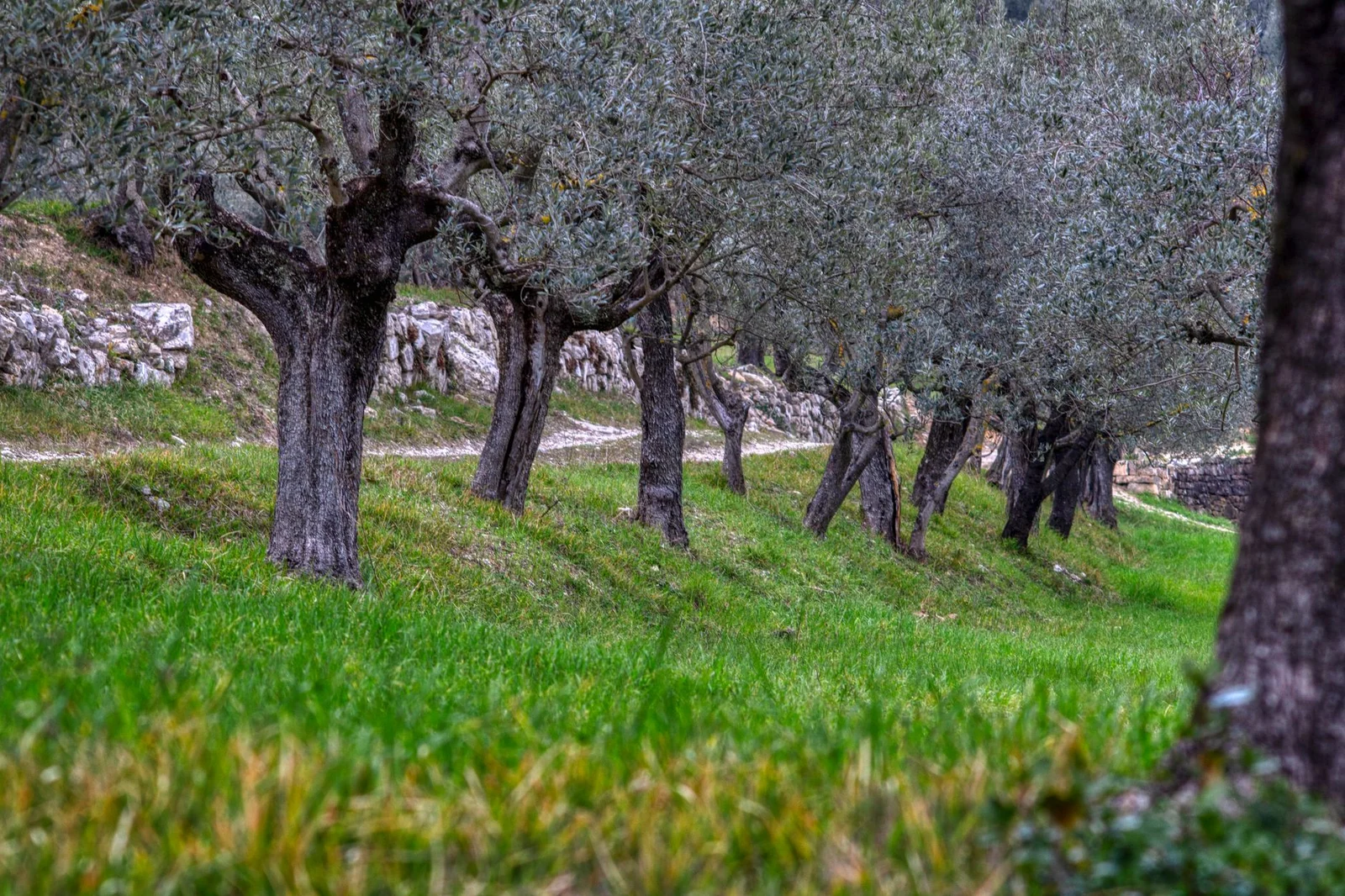
The olive is not a demanding plant — what it really asks for is the right place and patience. A tree planted in the wrong spot will not bear, however carefully it is tended.
Climate
The olive wants a Mediterranean climate: mild wet winters, hot dry summers. Two limits matter:
- Cold. A mature tree can survive a brief -7 °C, but prolonged hard frost kills branches and young trees outright. Olives do not grow where winters are severe.
- Chill requirement. The olive needs a spell of winter cool in order to flower. In hot climates with no winter the tree lives but sets no fruit.
Soil
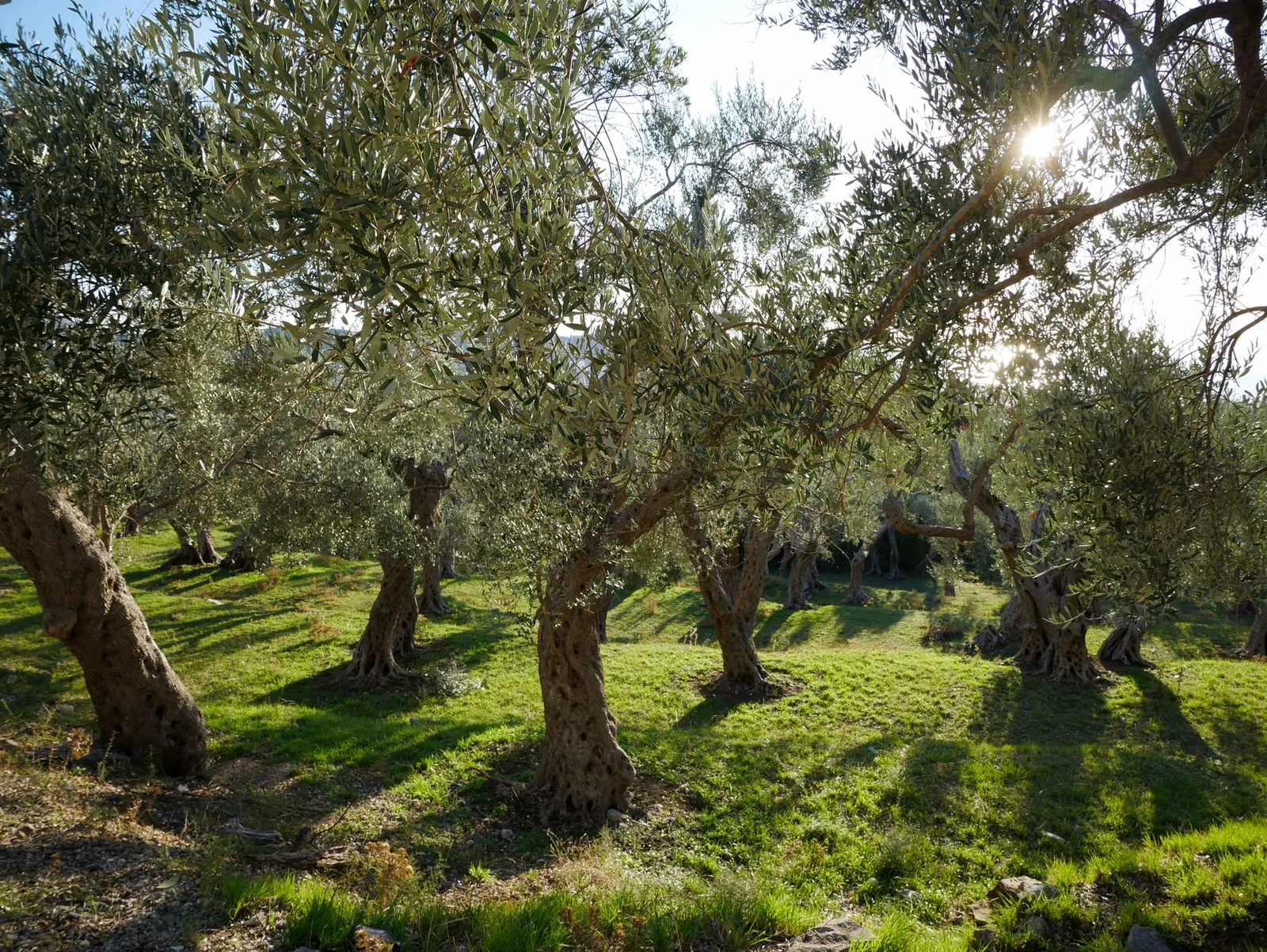
The olive does well in stony, calcareous, poor soil. The real requirement is drainage: in heavy, water-holding clay the roots suffocate and the tree rots. That is why it favours sloping ground.
It tolerates a wide pH range (6-8 causes no trouble). It does not want heavy feeding; excess nitrogen makes leaves, not fruit.
Planting
Saplings go in in spring or autumn, avoiding winter frost and the peak of summer heat. Dig the hole twice the width of the root ball; gravel at the base helps drainage. Traditional groves space trees 6-7 metres apart; intensive planting is closer.
⚠ A single tree may not fruit. Some olive varieties are self-sterile, and many bear markedly better with cross-pollination. Planting at least two different varieties matters for yield.
Watering
The olive withstands drought, but it will not crop heavily without water either. The critical periods are flowering and fruit set. Young saplings are watered regularly for the first two years; an established tree needs support only through long droughts. Overwatering dilutes the fruit and lowers oil content.
Pruning
Pruning an olive serves three purposes:
1. Letting light in. Fruit forms on branches that see the sun. The centre of the tree is opened out; the classic aim is a crown "a bird could fly through".
2. Renewal. The olive fruits on the previous year's growth, so clearing old wood encourages new shoots.
3. Evening out alternate bearing. Regular pruning softens the heavy-year / light-year swing.
Prune in late winter or early spring, once the danger of frost has passed. Suckers from the base are removed throughout the year.
When does it fruit?
First fruit usually appears three to five years after planting, and economic yield takes seven to ten. In return the tree lives for centuries and still crops in its hundredth year. Whoever plants an olive tree rarely sees all of its fruit — which is where much of the plant's cultural meaning comes from. More in the history of the olive tree.
Olives in pots
The olive will live in a pot and is common as an ornamental. It then needs a wide, deep container, very good drainage and protection from winter cold. No serious harvest should be expected from a pot.
One rating per visitor; you can change yours at any time. Ratings are real reader votes — no seeded or default scores.
Related
 Article
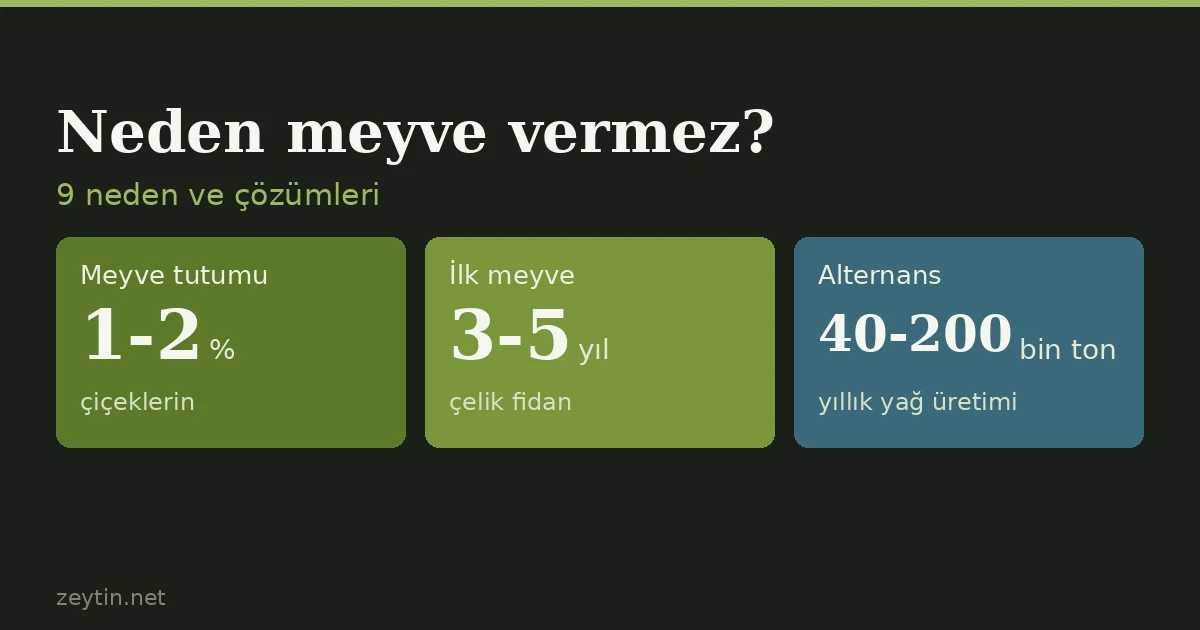
Why is my olive tree not bearing fruit? 9 causes and what to do
Behind an olive tree that flowers but sets no fruit, fills one year and stays empty the next, or has never cropped at all, there is usually more than one cause. From the tree's age and lack of grafting to missing pollinators, insufficient chilling, drought and the wrong fertiliser or pruning, here is how to diagnose by symptom and what to do.
Article
Why is my olive tree not bearing fruit? 9 causes and what to do
Behind an olive tree that flowers but sets no fruit, fills one year and stays empty the next, or has never cropped at all, there is usually more than one cause. From the tree's age and lack of grafting to missing pollinators, insufficient chilling, drought and the wrong fertiliser or pruning, here is how to diagnose by symptom and what to do.
 Article
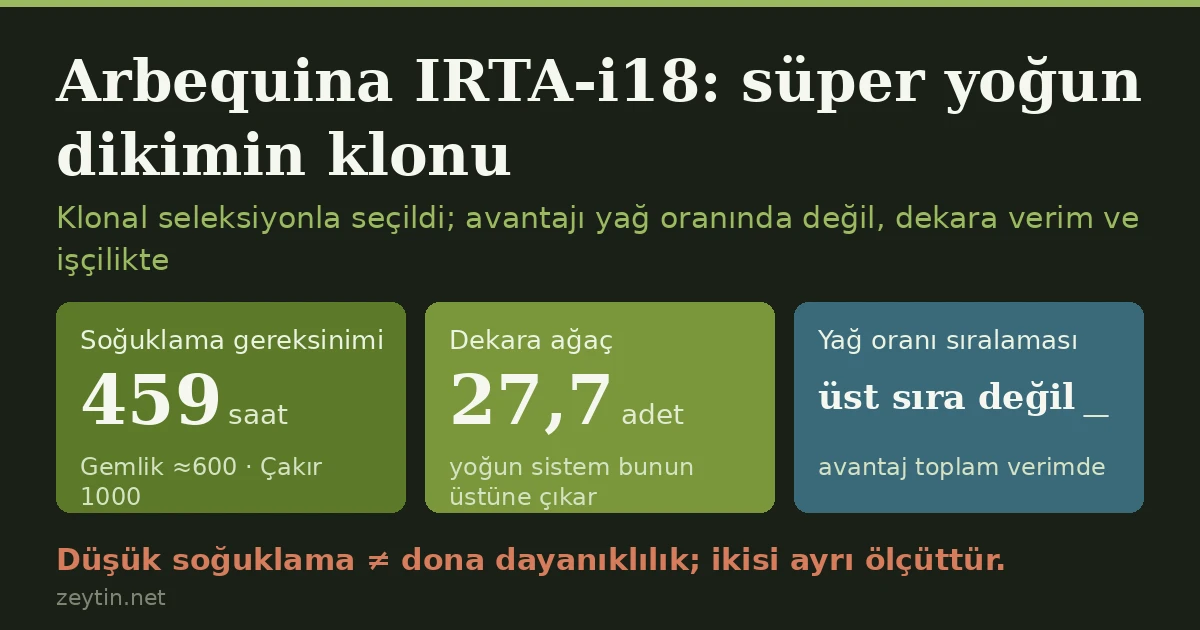
Arbequina IRTA-i18: the clone behind super-high-density olive groves
IRTA-i18, developed from Arbequina by clonal selection, was chosen for super-high-density groves. What early bearing, mechanical harvest and a low 459-hour chilling requirement actually mean.
Article
Arbequina IRTA-i18: the clone behind super-high-density olive groves
IRTA-i18, developed from Arbequina by clonal selection, was chosen for super-high-density groves. What early bearing, mechanical harvest and a low 459-hour chilling requirement actually mean.
 Article
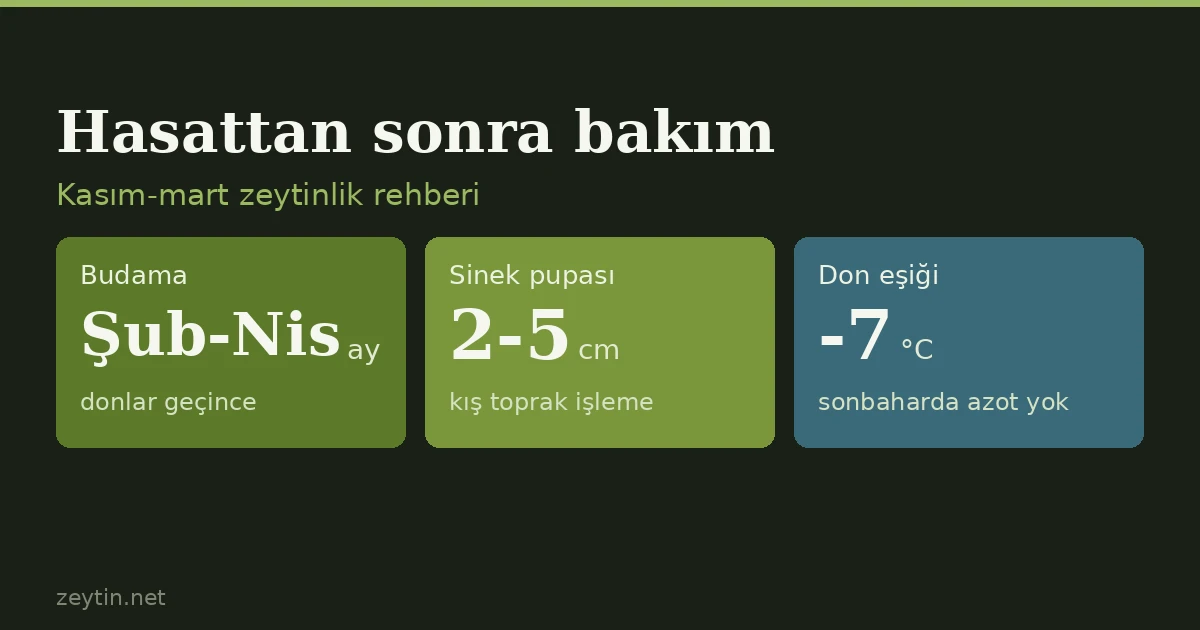
What to do for olive trees after harvest: a November-to-March care guide
The work in the grove does not end with the olive harvest; next year's crop is prepared in exactly these months. From collecting fallen fruit and protecting harvest wounds to region-specific peacock spot sprays, the right pruning time, autumn feeding and winter soil work, here is what needs doing after harvest.
Article
What to do for olive trees after harvest: a November-to-March care guide
The work in the grove does not end with the olive harvest; next year's crop is prepared in exactly these months. From collecting fallen fruit and protecting harvest wounds to region-specific peacock spot sprays, the right pruning time, autumn feeding and winter soil work, here is what needs doing after harvest.
 Article
Should I switch to organic? A decision guide for olive groves
A four-year trial found no yield difference and put organic 11% ahead economically. But where does the real cost of switching lie, who does it suit, and how do you fight the fly without chemicals?
Article
Should I switch to organic? A decision guide for olive groves
A four-year trial found no yield difference and put organic 11% ahead economically. But where does the real cost of switching lie, who does it suit, and how do you fight the fly without chemicals?