Chickpeas in Olive Oil
The Mediterranean's meatless protein pairing in one pot: chickpeas and olive oil, with tomato and lemon, served cold.
- Time
- 80 minutes
- Serves
- Serves 6
- Level
- Easy
- Cuisine
- Turkish
The presence of pulses alongside olive oil is a cornerstone of Mediterranean cooking: together they form the protein-and-fat combination that stands in for meat. We described the same logic with a fresh pulse in borlotti beans in olive oil; here the pulse is dried, and the technique differs.
The difference is water. Fresh borlotti release their own; dried chickpeas absorb it, and cook in two stages — first boiled in plain water, then taking on flavour in the sauce. Skipping that second stage and simply dressing boiled chickpeas keeps the flavour out of them.
Reserving the cooking liquid is not incidental either: the starch in it binds the sauce and stops the dish going watery as it cools.
Directions
- Drain and rinse the soaked chickpeas, then boil them in plenty of water for forty-five to fifty minutes, until tender to the bite.
- Drain, reserving one cup of the cooking liquid.
- Heat the olive oil in a wide pan and soften the onion.
- Add the carrots and turn them for four to five minutes.
- Add the grated tomato and the whole garlic cloves, and cook until the liquid has gone.
- Add the chickpeas, then the sugar and salt.
- Pour in the reserved cooking liquid, cover, and cook over low heat for twenty minutes.
- Take off the heat, pour over the lemon juice and leave to cool in the pan.
- Scatter with parsley and serve at room temperature with lemon wedges.
Tips & storage
Soaking is non-negotiable. Chickpeas not soaked overnight — at least eight hours — stay hard at the centre however long you boil them, and are harder to digest.
Throw the soaking water away. Some of the oligosaccharides responsible for the gas have dissolved into it; boiling in fresh water reduces the effect.
Don't use bicarbonate of soda. It softens chickpeas quickly but breaks down their skins and degrades the B vitamins. Patience is the better tool.
Salt the sauce, not the boiling water. Early salt is said to toughen the skins; the effect is debated, but caution costs nothing with dried pulses.
Don't forget to reserve the cooking liquid. Continue with plain water and the sauce will not bind, separating on the plate.
Leave the garlic whole. Sliced garlic disperses and turns sharp over twenty minutes; whole cloves sweeten.
Storage. Four days in the fridge — among the most robust in this family, and noticeably better on the second day.
One rating per visitor; you can change yours at any time. Ratings are real reader votes — no seeded or default scores.
Related
 Recipe
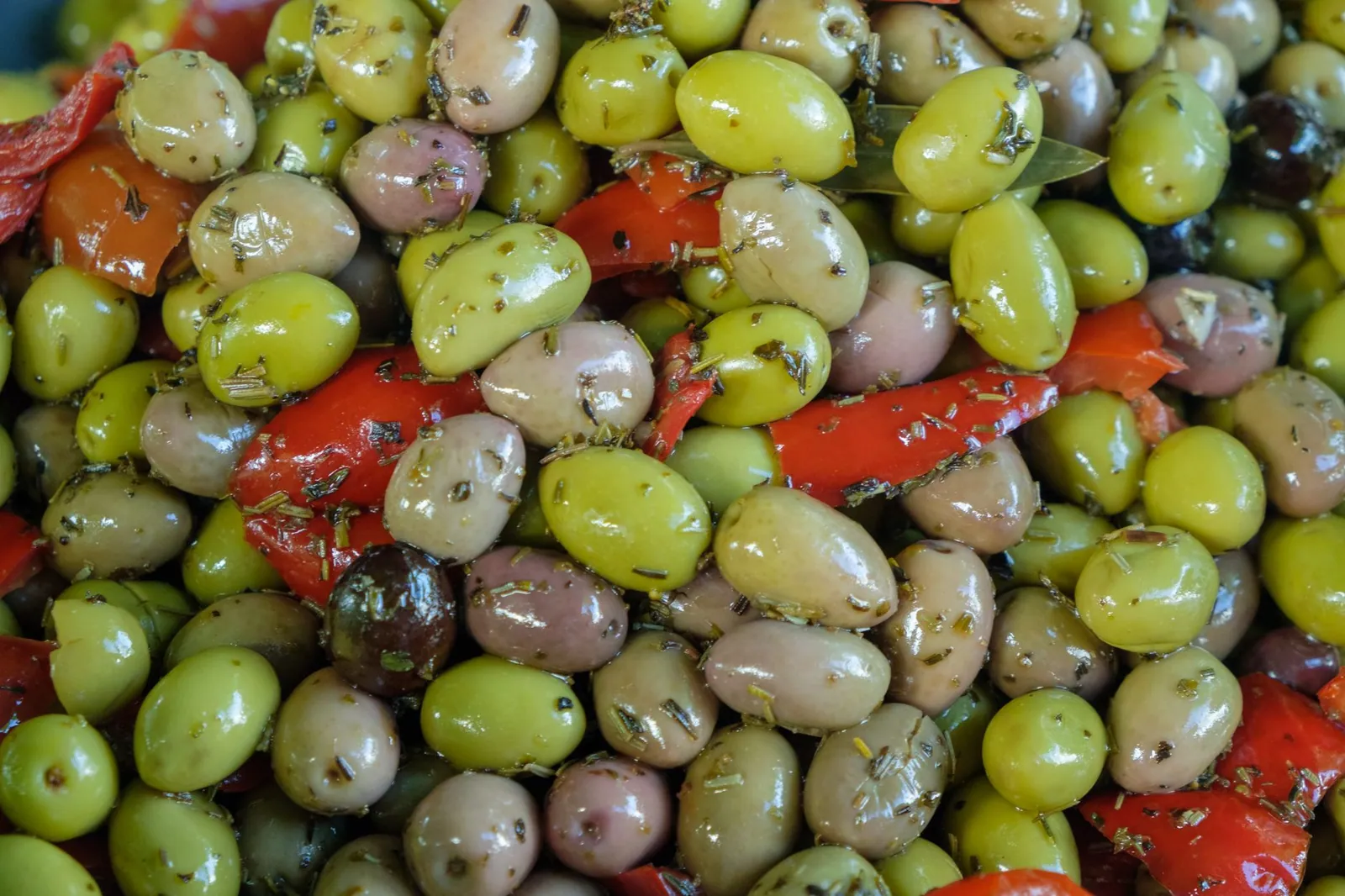
Marinated Olives
The easiest way to turn plain brined olives into a meze overnight: olive oil, lemon zest, garlic and oregano.
Recipe
Marinated Olives
The easiest way to turn plain brined olives into a meze overnight: olive oil, lemon zest, garlic and oregano.
 Recipe
Chard in Olive Oil
Spinach's lesser-known relative: the stems and the leaves cook separately, and that separation defines the recipe.
Recipe
Chard in Olive Oil
Spinach's lesser-known relative: the stems and the leaves cook separately, and that separation defines the recipe.
 Recipe
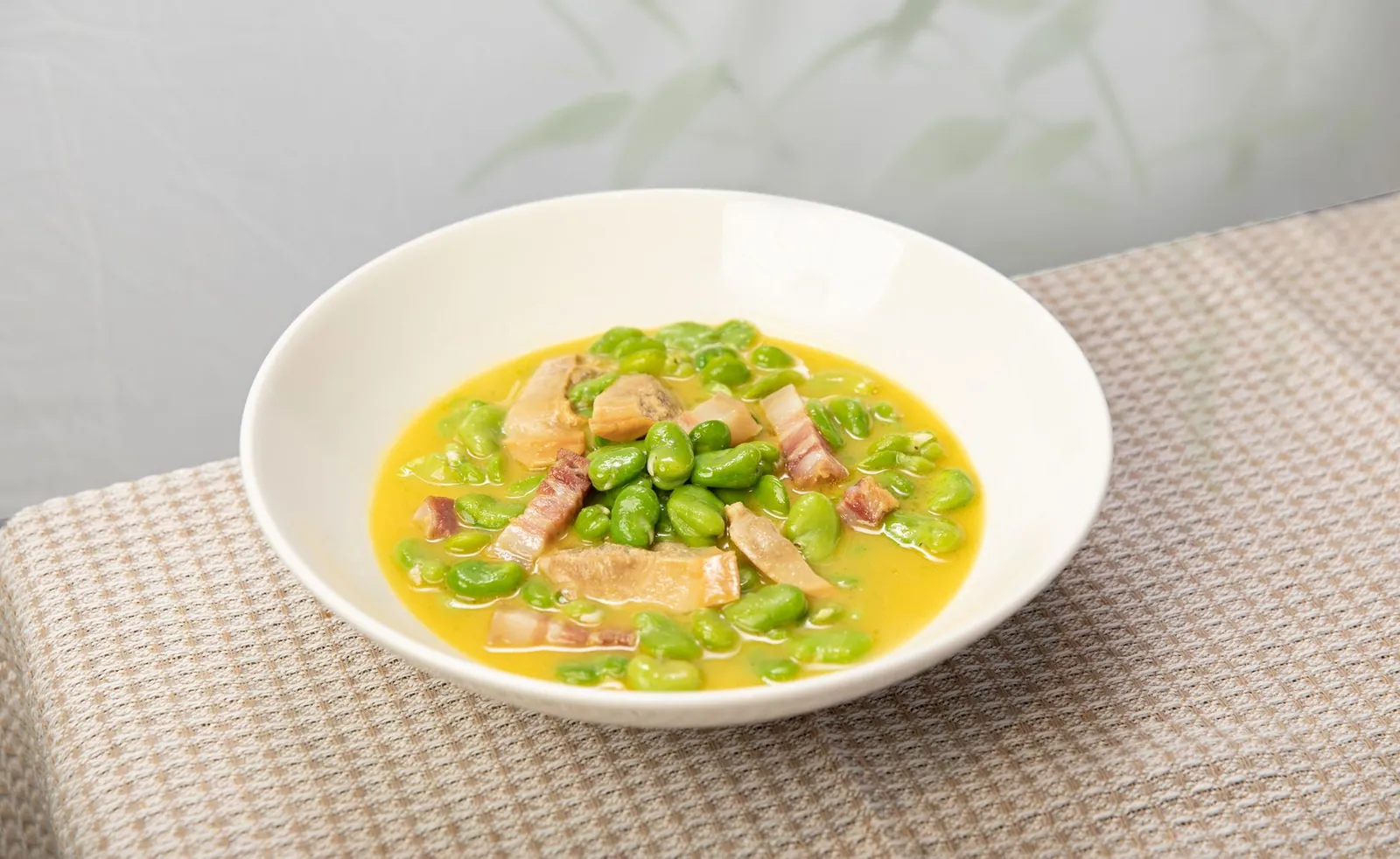
Borlotti Beans in Olive Oil (Pilaki)
Borlotti beans cooked with carrot, potato and tomato; the texture settles as it cools, served with lemon.
Recipe
Borlotti Beans in Olive Oil (Pilaki)
Borlotti beans cooked with carrot, potato and tomato; the texture settles as it cools, served with lemon.
 Recipe
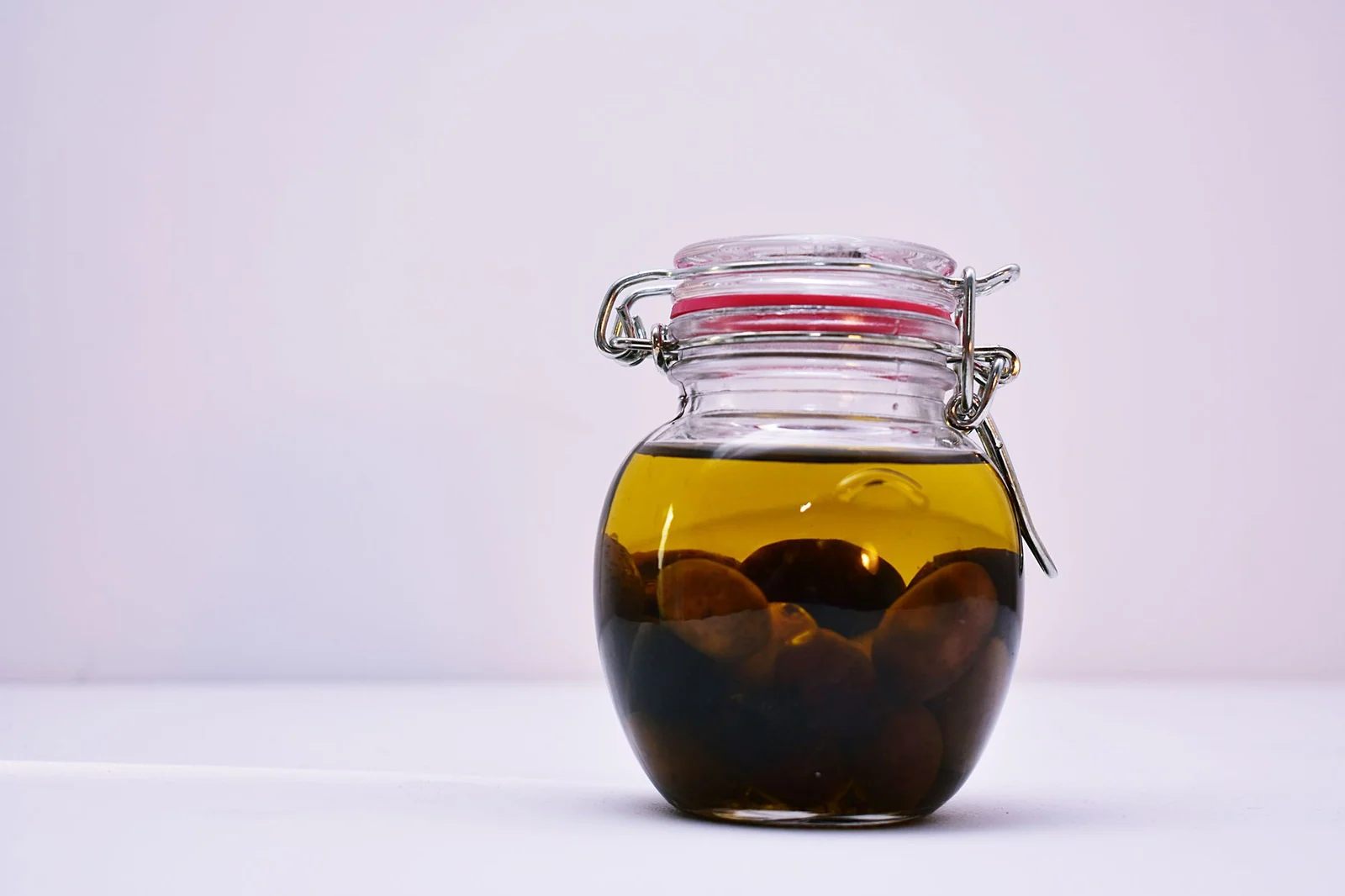
Black Olives in Brine, Naturally Fermented
The oldest and most patient method: ripe black olives go into salted water uncut and give up their bitterness on their own over several months.
Recipe
Black Olives in Brine, Naturally Fermented
The oldest and most patient method: ripe black olives go into salted water uncut and give up their bitterness on their own over several months.