Okra in Olive Oil
Okra rested in vinegar to cut the sliminess, then cooked slowly with tomato and onion.
- Time
- 45 minutes
- Serves
- 4
- Level
- Easy
- Cuisine
- Turkish
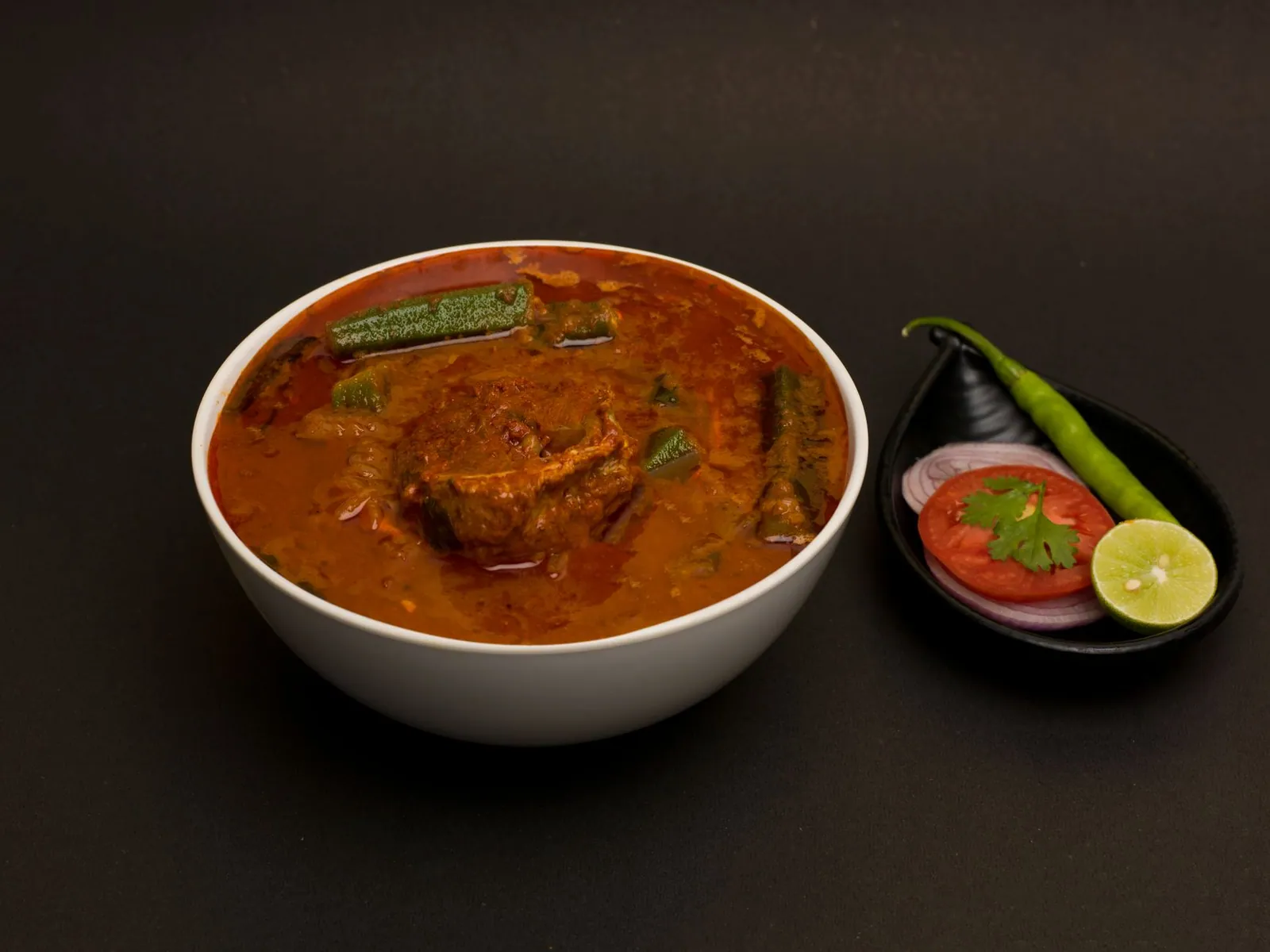
Okra divides cooks more sharply than almost any other vegetable, and the reason is a single substance: the mucilage it releases when cut. That stickiness is not a flaw but a defence mechanism, and the entire technique of this recipe is built around controlling it.
Steeping in vinegar, trimming the stem into a cone rather than cutting through it, and shaking the pan instead of stirring all serve one purpose: cooking the okra without opening its inner tissue. Those three details in the method are not decoration — they are the recipe.
In Türkiye the most prized okra is the small-podded kind grown around Amasya and Tokat; the larger it grows, the more fibrous it becomes and the more it releases.
Directions
- Pare the tough cone at the stem end of each pod without piercing the body — piercing releases the slime.
- Put them in a bowl, sprinkle over the vinegar and rest for 20 minutes, then rinse and drain.
- Heat the olive oil in a pan and soften the onion.
- Add the grated tomato and cook until the liquid reduces.
- Add the okra — do not stir, shake the pan instead; broken pods turn slimy.
- Add the sugar, salt, hot water and lemon juice, then cover.
- Cook over low heat for 20-25 minutes. Serve warm or cold.
Tips & storage
Choose small pods. Okra longer than a finger has already turned fibrous. Pods of 2–3 cm are right for this dish; the large ones belong in soup.
Rinse the vinegar off. If you do not wash the pods after steeping, the dish stays sharp. Patting them dry with kitchen paper afterwards helps too.
Don't stir — shake. A spoon breaks the pods, and a broken pod releases mucilage. Holding the pan by the handle and swirling it is enough.
Lemon can come twice. The juice added during cooking cuts the mucilage; a second squeeze at the table opens up the freshness.
Never served hot. Warm or fully cold; okra settles in texture as it cools.
Storage. Three days in the fridge. If you use frozen okra, add it straight to the pan without thawing — thawed okra falls apart.
One rating per visitor; you can change yours at any time. Ratings are real reader votes — no seeded or default scores.
Related
 Recipe
Olive Bread
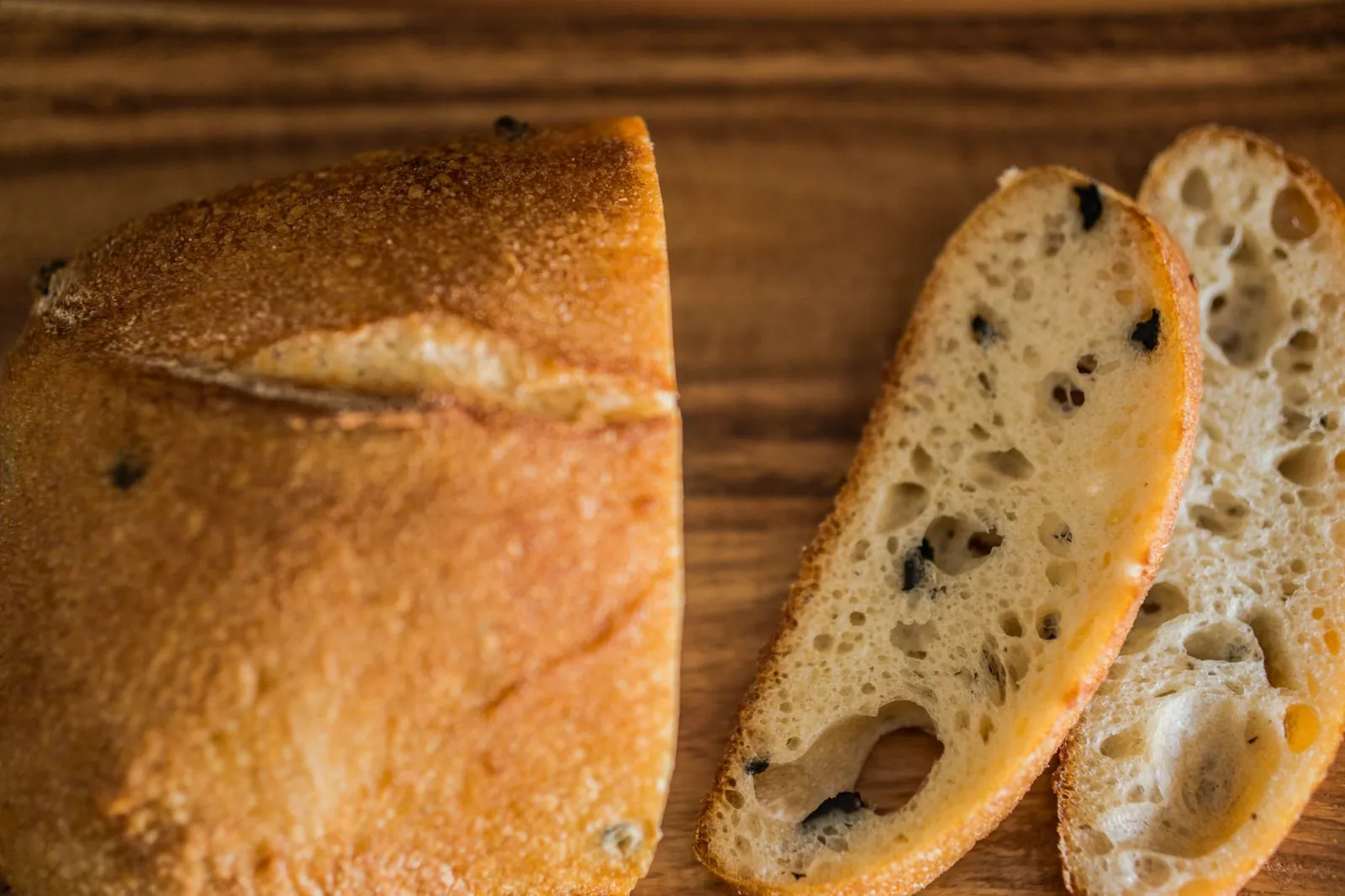
An Aegean bakery classic: a loaf kneaded with black olives and olive oil, crisp outside and soft within.
Recipe
Olive Bread
An Aegean bakery classic: a loaf kneaded with black olives and olive oil, crisp outside and soft within.
 Recipe
Wild Radish Greens in Olive Oil
The peppery bite of the mustard family: briefly boiled and dressed with garlic and plenty of olive oil. The quickest of the Aegean winter greens.
Recipe
Wild Radish Greens in Olive Oil
The peppery bite of the mustard family: briefly boiled and dressed with garlic and plenty of olive oil. The quickest of the Aegean winter greens.
 Recipe
Cretan Meze (Girit Ezmesi)
The Aegean meze of white cheese, walnuts and herbs, loosened with olive oil and lemon.
Recipe
Cretan Meze (Girit Ezmesi)
The Aegean meze of white cheese, walnuts and herbs, loosened with olive oil and lemon.
 Recipe
Marinated Olives
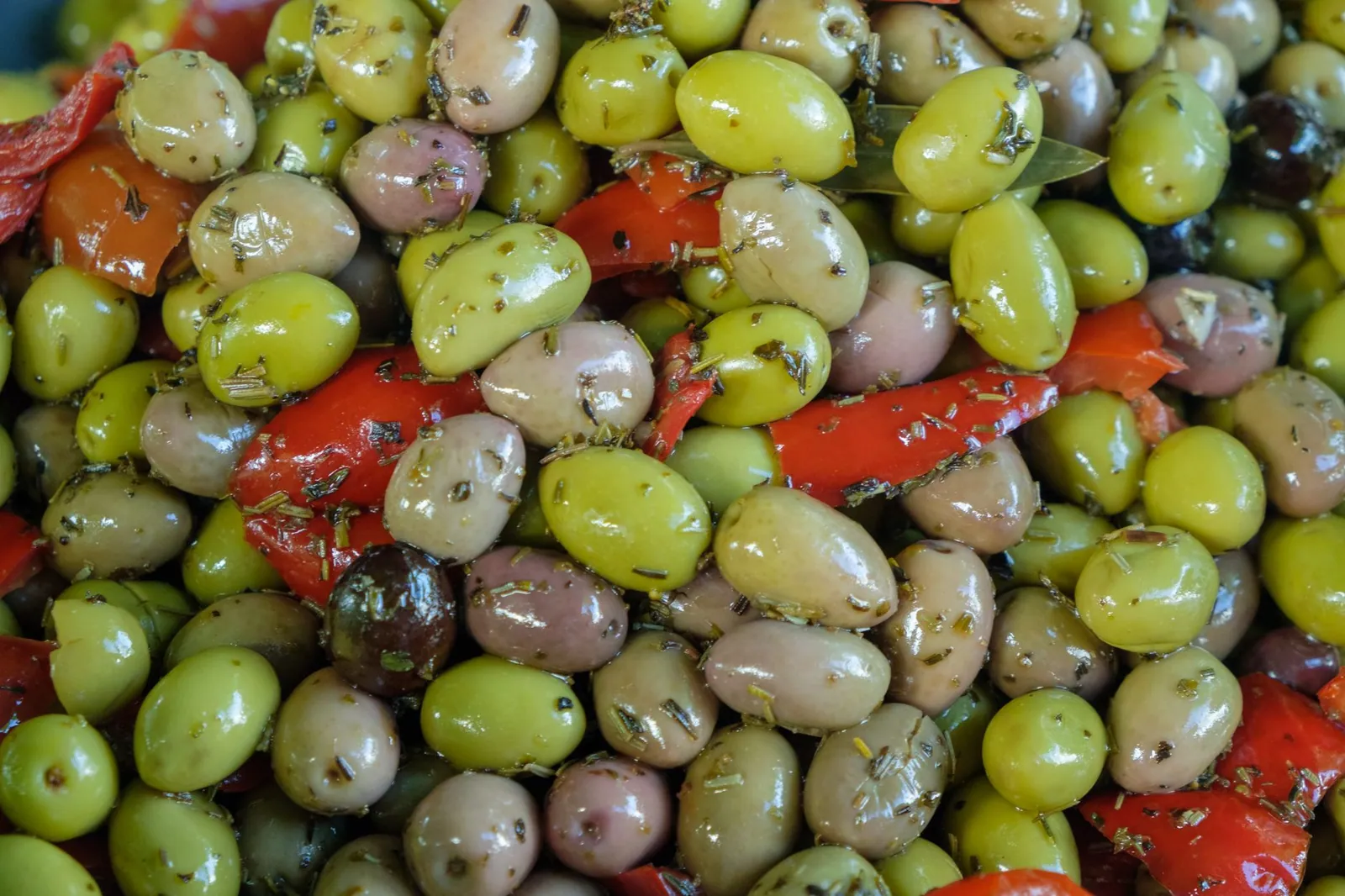
The easiest way to turn plain brined olives into a meze overnight: olive oil, lemon zest, garlic and oregano.
Recipe
Marinated Olives
The easiest way to turn plain brined olives into a meze overnight: olive oil, lemon zest, garlic and oregano.