The oil was a medicine: two thousand years of olive oil in medicine and folk practice
For most of its history olive oil was not food but lamp fuel, soap, ointment and medicine. Rome's four grades are the ancestor of today's label — and much of what survives in folk medicine is two thousand years old.
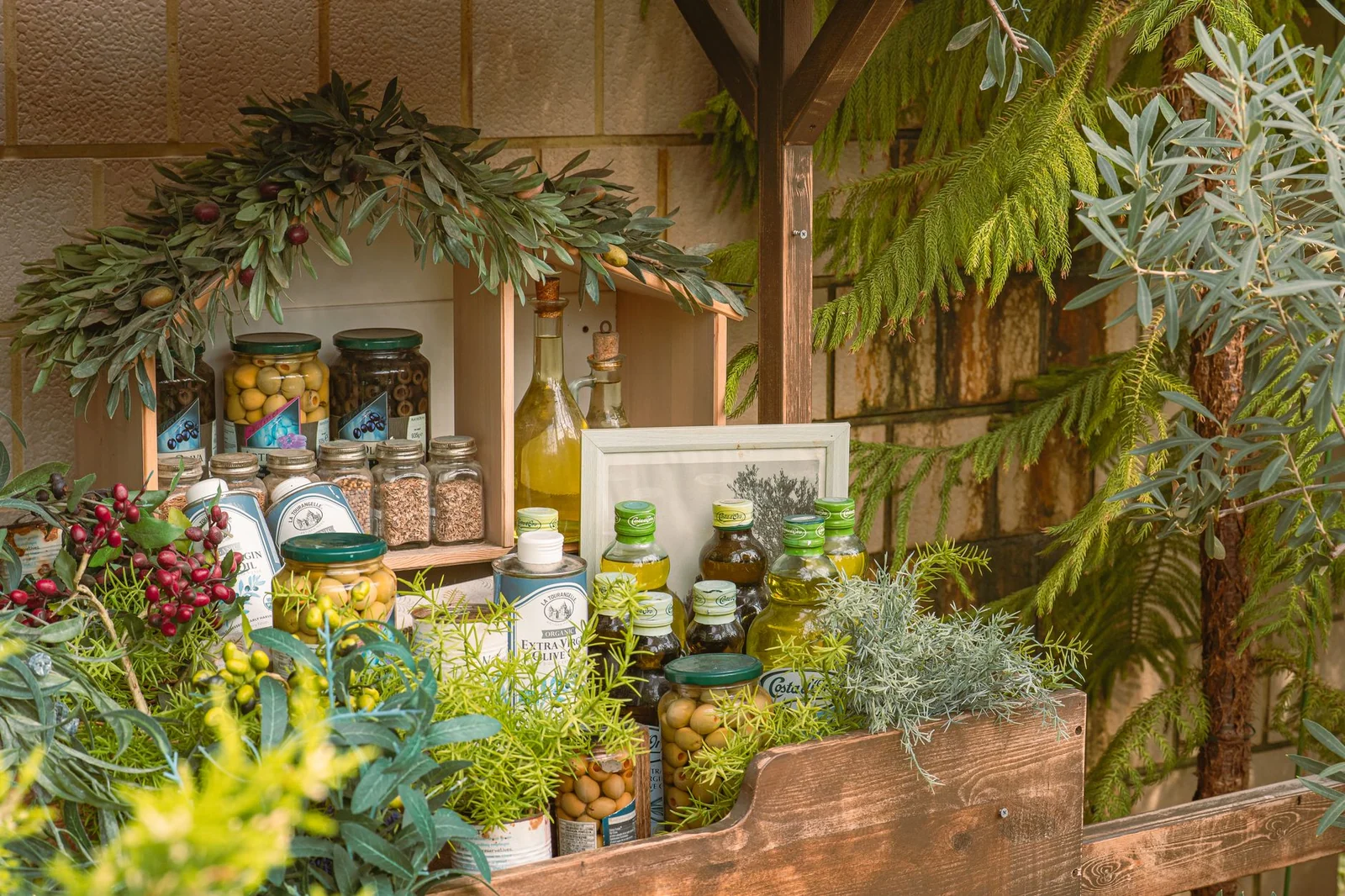
Today olive oil is first of all a food. For most of its history it was primarily not food: it was fuel, cosmetic, medicine and industrial material. A household in ancient Athens is estimated to have burned 90 to 110 litres of olive oil a year in its lamps — many times what most families now use in the kitchen in a year.
This article follows that forgotten face of the oil: the olive oil rubbed into the body, laid over wounds, given to the sick. And it ends in the present, because much of what survives in folk medicine today is two thousand years old.
⚠ Let us be clear at the outset: what follows is a historical and ethnographic record, not a treatment recommendation. For what is known about olive oil's effects today, see the benefits of olive oil.
"Wine for the inside, olive oil for the outside"
The line is Pliny's, and it sums up the ancient view of oil in a sentence: there are two liquids acceptable for the human body — one for within, one for without.
The outer half sounds strange now, but at the time it was hygiene itself. Soap was not in general use; the body was rubbed with olive oil and then scraped with a curved tool called a strigil, which took off oil, sweat and dirt together. That was washing.
From there the uses spread:
- Travellers rubbed oil into their feet to prevent sores
- Wrestlers and runners oiled themselves before competing, to warm and loosen the muscles
- After the baths, wealthy men and women applied oil to soften the skin
Consumption estimates show the scale: in ancient Athens, women are reckoned to have used about 1.5 litres a year and men 5 to 10 litres — on their bodies.
From Hippocrates to Galen: oil on the prescription
Olive oil was on the materia medica of ancient medicine. It appears among the remedies recommended by Hippocrates of Kos (460–377 BC) and Galen of Pergamon.
Galen's view of the olive is interestingly specific: he calls it a food that strengthens the stomach and stimulates the appetite — but says the kind that suits that purpose is the olive kept in vinegar. He is distinguishing by method of preparation: one of the earliest attempts at classification.
The oil's other medical uses were more technical: a carrier in the preparation of ointments, a dressing for wounds and burns, a lubricant during various procedures. What Celsus wrote on health shows massage to have been among the recommended methods of the period, with oil making the process easier and more comfortable for the patient.
Rome's four grades — the ancestor of today's label
This is the most striking detail in the source. The Romans divided olive oil into four grades by quality:
| Roman name | meaning | use |
|---|---|---|
| olei flos | "the flower of the oil" — first pressing, pure | the most expensive, for the table |
| oleum sequens | "that which follows" — second pressing | more affordable |
| caducum | from fallen olives | low quality |
| cibarium | from diseased olives | for burning in lamps |
Look carefully at that list: two thousand years ago oil was already graded by the condition of the fruit and the order of pressing, and the lowest grade was not eaten but burned.
Today's system uses the same two axes. For the distinction between the edible grades see extra virgin, virgin and riviera, and for how the criterion is turned into a number, what acidity means. In modern legislation the lowest grade, unfit for consumption, is still called lampante — "lamp oil" — a name describing the same job by the same logic as Rome's cibarium.
Cato's olive meze recipe
The ancient writer Cato, in On Agriculture, does not confine himself to cultivation; he also passes on the olive meze of his day:
t; Stone green, black or mixed olives, then prepare them thus: chop the olives, add oil, vinegar, coriander, cumin, fennel, rue and mint, and put them in a jar; the oil should cover everything.
The recipe still works two thousand years later, and its logic is almost identical to today's marinated olives: olives, oil, acid, seed spices, a jar sealed under oil. Rue has fallen out of use; the rest stands.
Folk medicine: two distinct branches
The folklorist Don Yoder's distinction clarifies things. Folk medicine divides in two:
1. Natural folk medicine — the branch that treats illness using plants, minerals and animal substances
2. Religious-magical medicine — the branch that works through amulets, sacred words and similar practices
Olives and olive oil sit mainly within the first, though not entirely apart from the second: the layer of belief is visible in the practices of gathering. Medicinal plants are traditionally collected and dried at particular times of year, and religious festivals, the position of the moon and times associated with the stars set that calendar. The belief that a leaf plucked upwards or downwards has a different therapeutic effect belongs to the same layer.
Today: uses that vary by country
Olive leaf is still used in folk medicine in many countries, and what stands out is how the applications differ from one country to the next:
- France — digestive, kidney and urinary complaints
- Germany — cardiovascular
- Slovenia — high blood pressure and difficulty passing urine
The same plant, the same continent, three different traditional frameworks. That divergence illustrates the nature of folk medicine well: local systems of knowledge that share similar aims while differing in the materials and techniques they use.
⚠ What is known today about olive leaf and, importantly, its limits — particularly possible interaction with blood pressure and blood sugar medication — is a separate matter, covered in the olive leaf and its tea. For a practical preparation: iced olive leaf tea.
In short
Olive oil's prominence as a food is recent. Before that the oil was light, soap, ointment and medicine. Behind its present reputation as "the healthiest of the oils" lies not only modern research but two thousand years of cultural accumulation — and parts of that accumulation, like Rome's system of grading, still live inside the system we use.
We have written separately about how the trade itself worked, in the olive oil trade in the ancient world.
One rating per visitor; you can change yours at any time. Ratings are real reader votes — no seeded or default scores.
Related
 Article
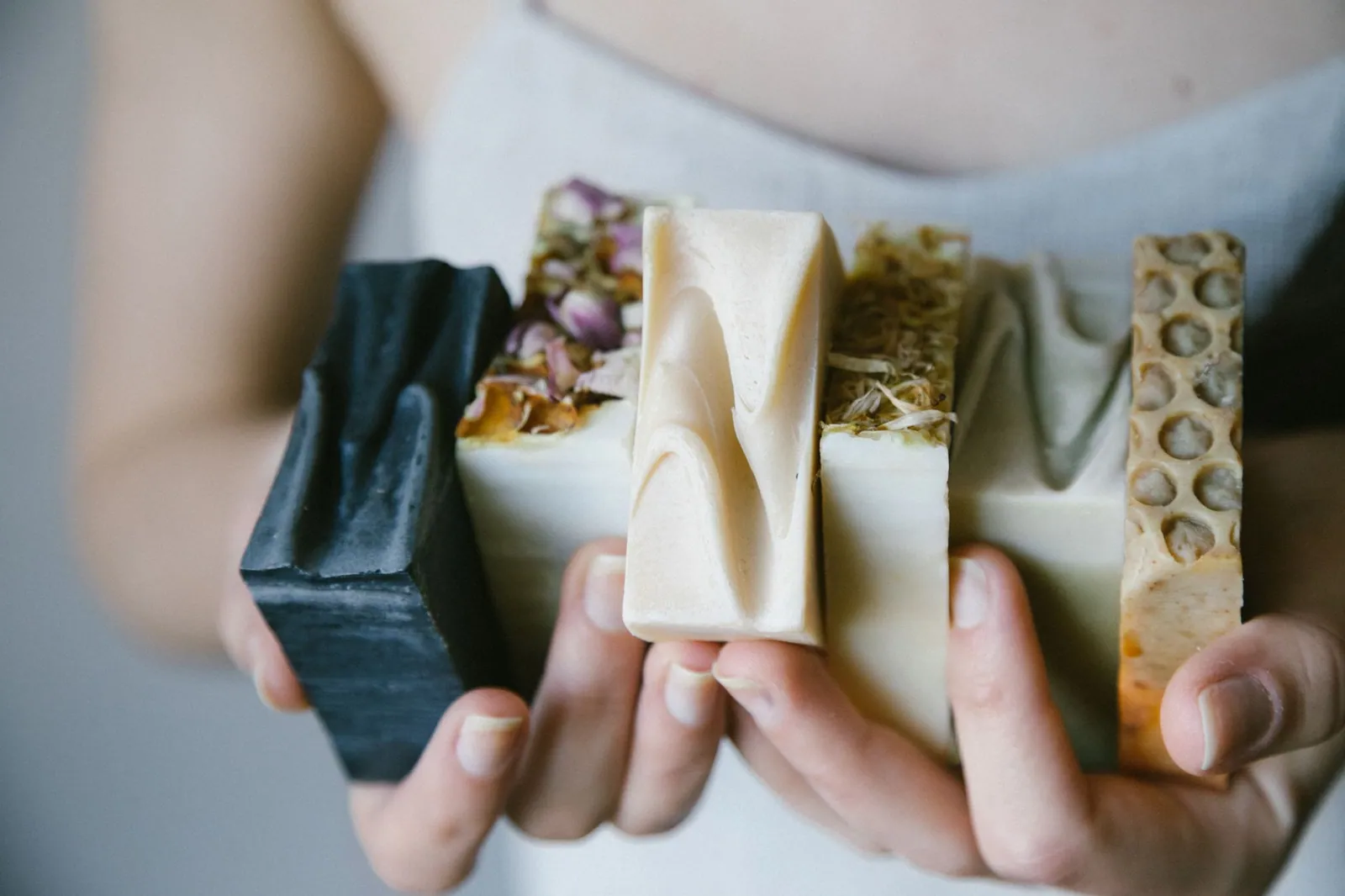
The History of Olive Oil Soap
From Aleppo to Marseille, Castile to Ayvalık: how olive oil became soap, and how that trade built cities.
Article
The History of Olive Oil Soap
From Aleppo to Marseille, Castile to Ayvalık: how olive oil became soap, and how that trade built cities.
 Article
Edremit's monumental olives: four old trees, measured
At an estimated 1,100 years and a 7.20 m girth, Kavaktarla is Edremit's oldest olive. All four are hollowed and galled, none is registered, and the real threat is that they are still in production.
Article
Edremit's monumental olives: four old trees, measured
At an estimated 1,100 years and a 7.20 m girth, Kavaktarla is Edremit's oldest olive. All four are hollowed and galled, none is registered, and the real threat is that they are still in production.
 Article
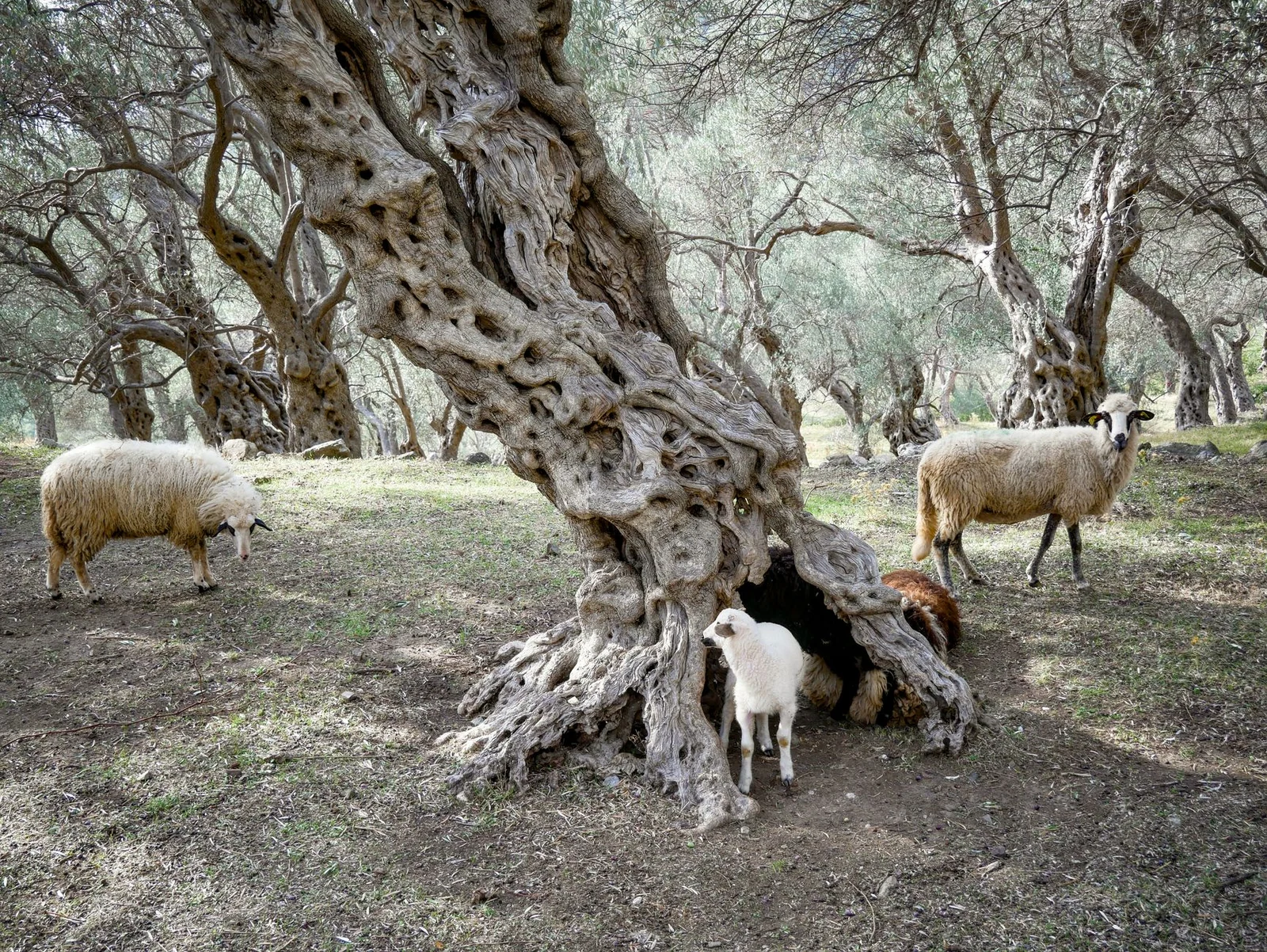
The History of the Olive in Anatolia
Where did the olive come from, and when was it first cultivated in Anatolia? From the stone workshop at Klazomenai to today's Aegean groves.
Article
The History of the Olive in Anatolia
Where did the olive come from, and when was it first cultivated in Anatolia? From the stone workshop at Klazomenai to today's Aegean groves.
 Article
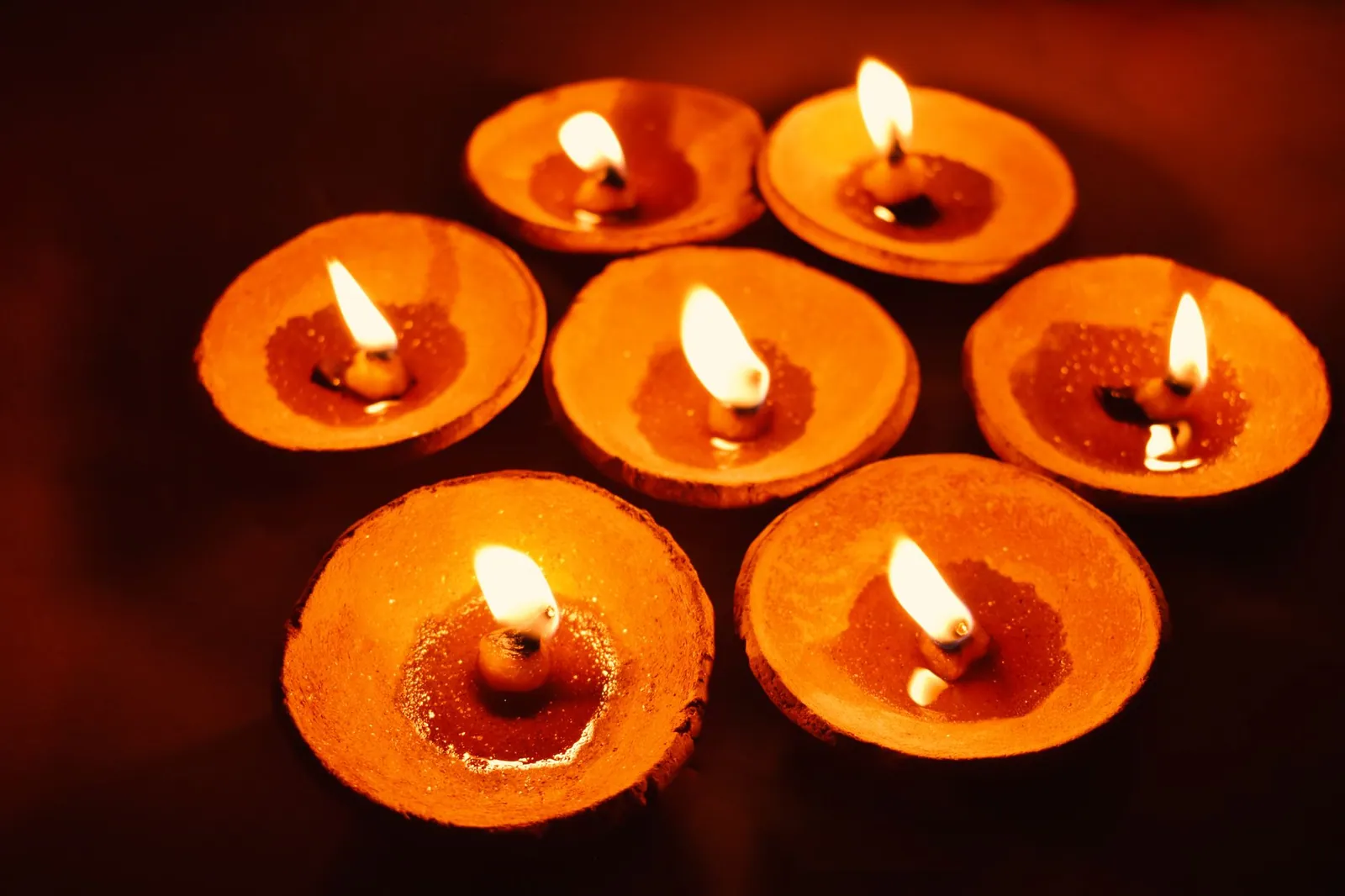
The Olive in Religion
The tree sworn by in the Qur'an, blended into the holy anointing oil of the Torah, and burned in the lamp. The olive holds a shared place in all three faiths.
Article
The Olive in Religion
The tree sworn by in the Qur'an, blended into the holy anointing oil of the Torah, and burned in the lamp. The olive holds a shared place in all three faiths.