Wild Chicory in Olive Oil
The most common wild green of the Aegean: boiled, squeezed dry and dressed with plenty of olive oil and lemon. Its bitterness is not a fault but its identity.
- Time
- 25 minutes
- Serves
- Serves 4
- Level
- Easy
- Cuisine
- Turkish
⚠ If you are foraging — identification comes first. Edible wild plants have poisonous look-alikes, some of them lethal. Do not pick anything you are not certain of, and go with someone who knows if it is your first time. Roadsides, the edges of sprayed fields and industrial areas are not gathering grounds.
Wild chicory (Cichorium intybus) is sold by the bunch in Aegean markets through winter and early spring, and grows everywhere from field margins to the edges of graveyards. The root of the same plant, roasted and ground, becomes chicory coffee; the leaves are simply boiled and eaten.
It tastes bitter, and that is not a fault but the identity of the green. The compounds responsible are the plant's defensive chemistry, and they pass into the cooking water; the longer it boils the less remains — but you do not want it gone entirely, because that bitterness is what the olive oil and lemon balance against.
The dish belongs to the same family as purslane in olive oil but uses the opposite technique: purslane cooks in its own liquid, while chicory is boiled in plenty of water which is then thrown away.
Directions
- Cut away the tough part near the root and discard any yellowed or dried leaves.
- Wash three times in plenty of water, changing it each time — soil collects at the base.
- Bring a large pan of water to the boil and add salt.
- Drop the chicory into the boiling water and cook, lid OFF, for eight to ten minutes. The stems should pierce easily with a fork.
- Drain and refresh immediately in cold water; this holds the colour and stops the cooking.
- Squeeze the water out thoroughly by hand — unsqueezed chicory stays wet and bland.
- Spread on a serving plate, roughly chopped if you prefer.
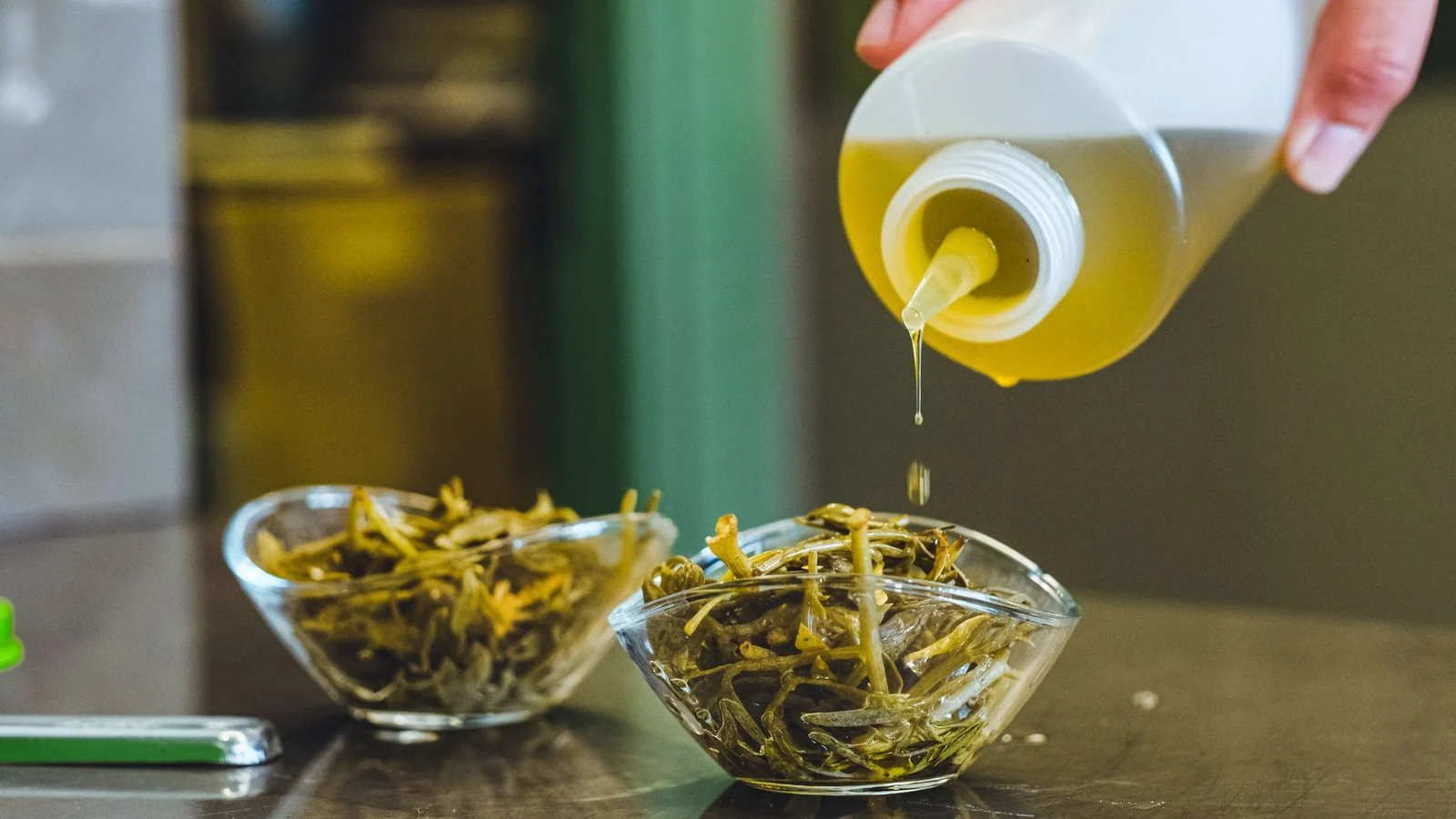
- Whisk the olive oil, lemon juice and garlic together and pour over.
- Serve at room temperature with spring onion and lemon wedges.
Tips & storage
Boil with the lid off. A closed lid keeps the volatile bitter compounds in the pan; an open one lets them leave with the steam. This is the simplest way to adjust the bitterness.
If it is too bitter, boil longer. Eight minutes leaves it distinctly bitter, twelve leaves it mild. Do not exceed fifteen, or the greens collapse.
Take the squeezing seriously. Cooking water left inside the leaves both dilutes the dish and brings the bitterness back. Squeeze firmly by hand.
The cold-water bath saves the colour. Skip it and the greens carry on cooking in their own heat, turning olive-drab.
Be generous with the oil. Here the oil is not a dressing but the counterweight to the green. Made with too little, chicory is simply bitter.
Don't pour the cooking water away just yet. In some districts it is drunk warm. If you want to try, use the second water rather than the first.
Storage. Three days in the fridge, undressed. Add the dressing at the moment of serving, or the greens weep.
One rating per visitor; you can change yours at any time. Ratings are real reader votes — no seeded or default scores.
Related
 Recipe
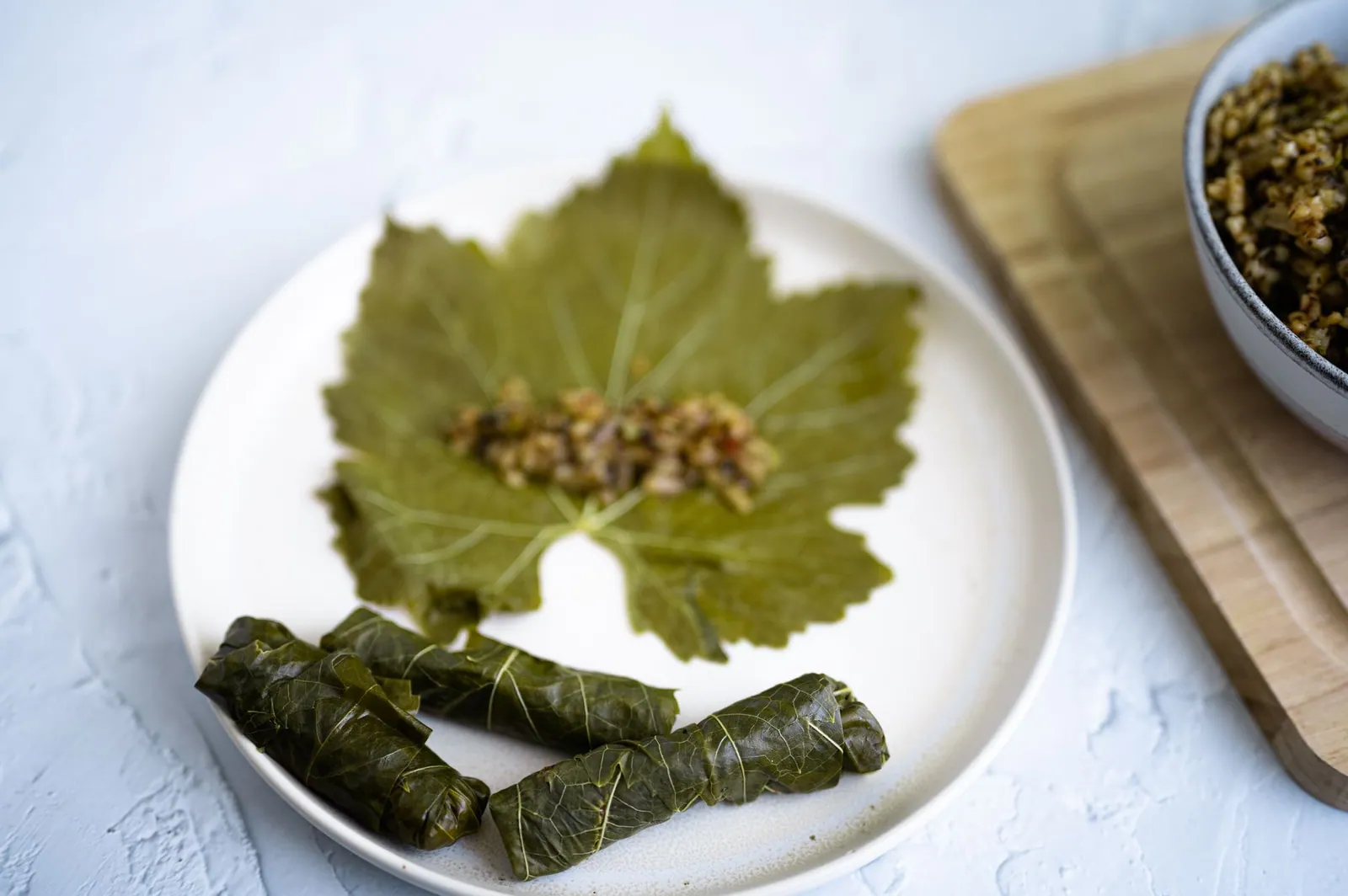
Stuffed Vine Leaves in Olive Oil
The head of the olive-oil dishes: rice filling rolled in vine leaves, cooked slowly with lemon and olive oil. Served cold.
Recipe
Stuffed Vine Leaves in Olive Oil
The head of the olive-oil dishes: rice filling rolled in vine leaves, cooked slowly with lemon and olive oil. Served cold.
 Recipe
Tuna Casserole with Green Olives
A Basque casserole: fresh tuna, green olives and spices cooked slowly in olive oil.
Recipe
Tuna Casserole with Green Olives
A Basque casserole: fresh tuna, green olives and spices cooked slowly in olive oil.
 Recipe
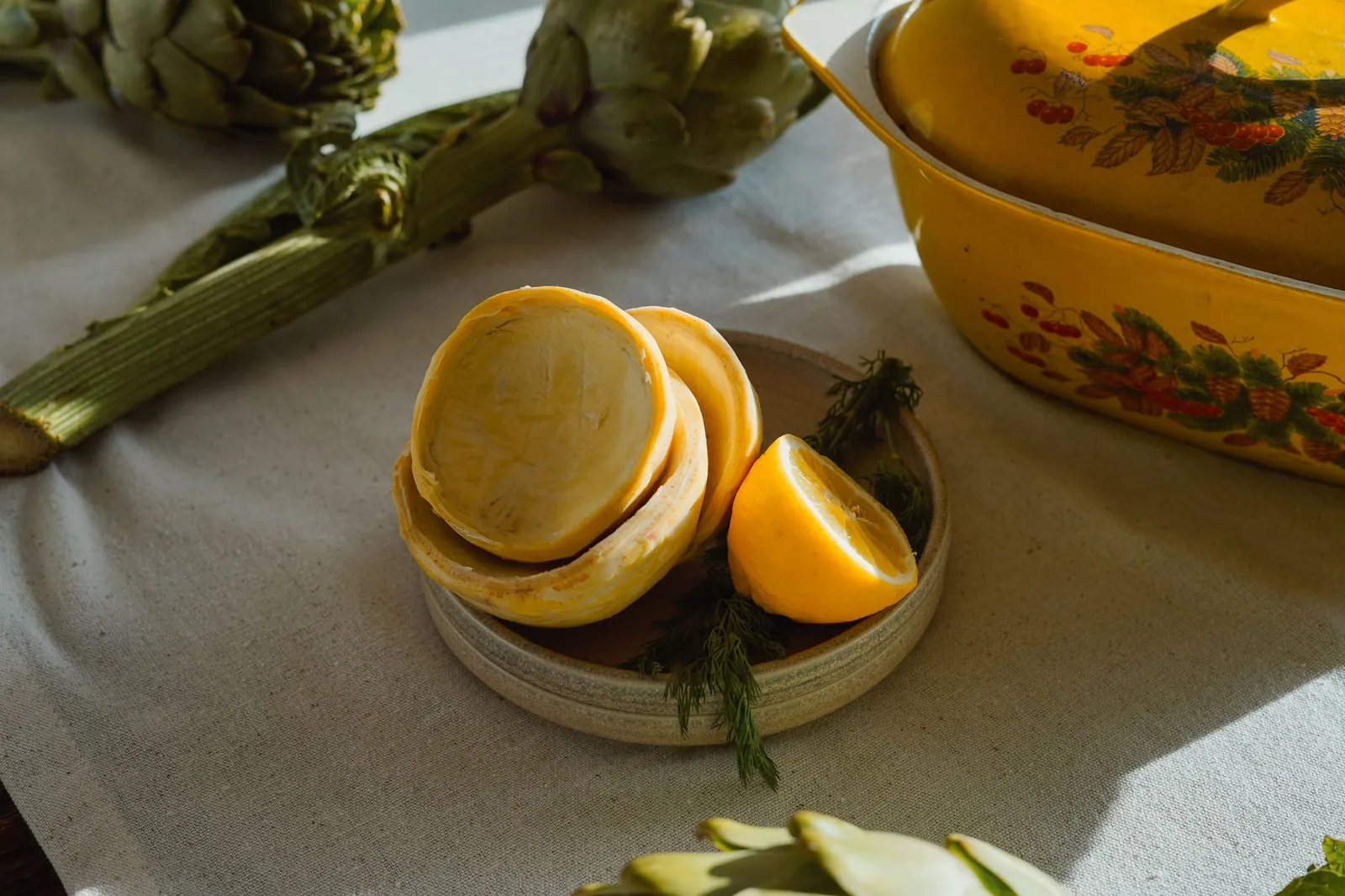
Artichoke Heart Salad with Olives
A five-minute meze: artichoke hearts, black olives and a lemon-olive oil dressing.
Recipe
Artichoke Heart Salad with Olives
A five-minute meze: artichoke hearts, black olives and a lemon-olive oil dressing.
 Recipe
Mallow in Olive Oil
The softest of the garden-edge greens: its characteristic velvety texture balanced with bulgur and finished with garlic yoghurt.
Recipe
Mallow in Olive Oil
The softest of the garden-edge greens: its characteristic velvety texture balanced with bulgur and finished with garlic yoghurt.