Stuffed Vine Leaves in Olive Oil
The head of the olive-oil dishes: rice filling rolled in vine leaves, cooked slowly with lemon and olive oil. Served cold.
- Time
- 90 minutes
- Serves
- 6
- Level
- Hard
- Cuisine
- Turkish
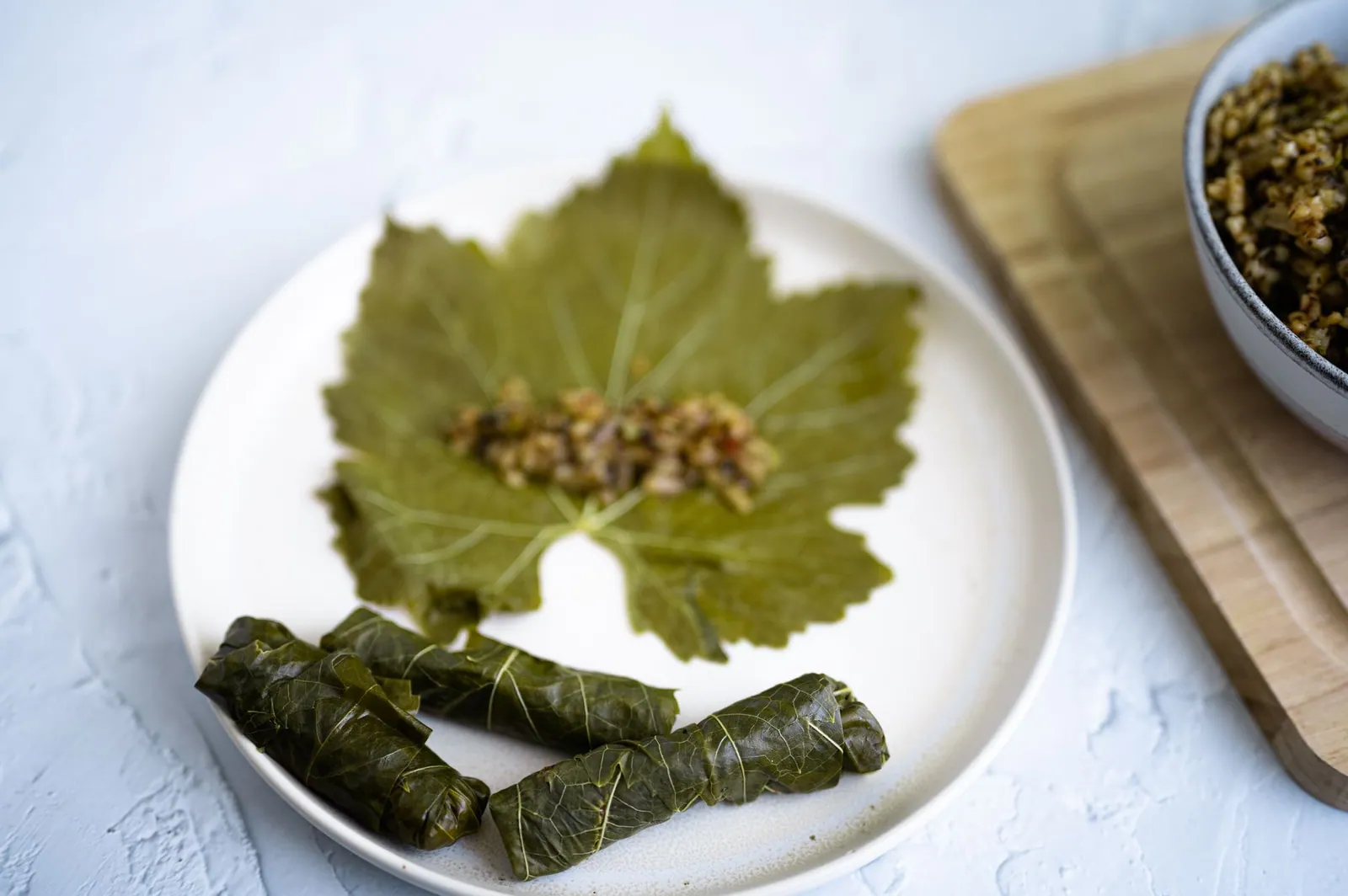
Stuffed vine leaves in olive oil are the flagship of this kitchen — and the Turkish name is more precise than it looks. In Turkish, sarma and dolma are different operations: sarma is rolled in a leaf, dolma is stuffed into a vegetable. A leaf is rolled; a pepper is stuffed. Even with an identical filling, the two do not share a name.
The filling is defined by the same Ottoman trio: currants, pine nuts, cinnamon and allspice. What separates it from the meat version is not only the absence of meat but the temperature: this recipe is completed by cooling. The olive oil moves into the rice precisely as it cools; eaten hot, the oil and the rice stay separate things.
Directions
- Blanch the vine leaves in boiling water to draw out the salt; cut away the thick stems.
- Soften the onion and pine nuts in half a cup of the olive oil until pale gold.
- Add the rice and stir for 3-4 minutes. Add the currants, spices, salt and pepper.
- Pour in half a cup of hot water and cook until absorbed; take off the heat and stir through the dill and mint.
- Once the filling has cooled, place a teaspoonful on the veined side of each leaf and roll tightly.
- Line the base of a pan with torn leaves and lemon slices, then pack the rolls in snugly.
- Pour over the remaining olive oil and the lemon juice. Set a plate on top and add hot water to just cover.
- Cook over low heat for 45-50 minutes. Let them cool in the pan and serve at room temperature.
Tips & storage
Always draw the salt out of brined leaves. If one pass through boiling water is not enough, repeat it. Salt left in concentrates during cooking and makes it impossible to season the dish.
Veined side inwards. The matt side with the raised veins faces in; the glossy side faces out. Rolled the wrong way round, the parcel unwinds as it cooks.
No more than a teaspoon. The rice doubles. Too much filling bursts the roll; too little gives you a slim, neat one — err towards slim.
Don't discard the torn leaves. The torn leaves and lemon slices lining the pot stop the rolls sticking and scorching on the base. That layer is protection, not decoration.
A plate, and patience. The inverted plate holds the rolls in place. Forty-five to fifty minutes on low heat; over a high flame the leaves fall apart.
Better the next day. Keeps four to five days in the fridge. Take it out half an hour before serving — cold olive oil closes down the aroma.
One rating per visitor; you can change yours at any time. Ratings are real reader votes — no seeded or default scores.
Related
 Recipe
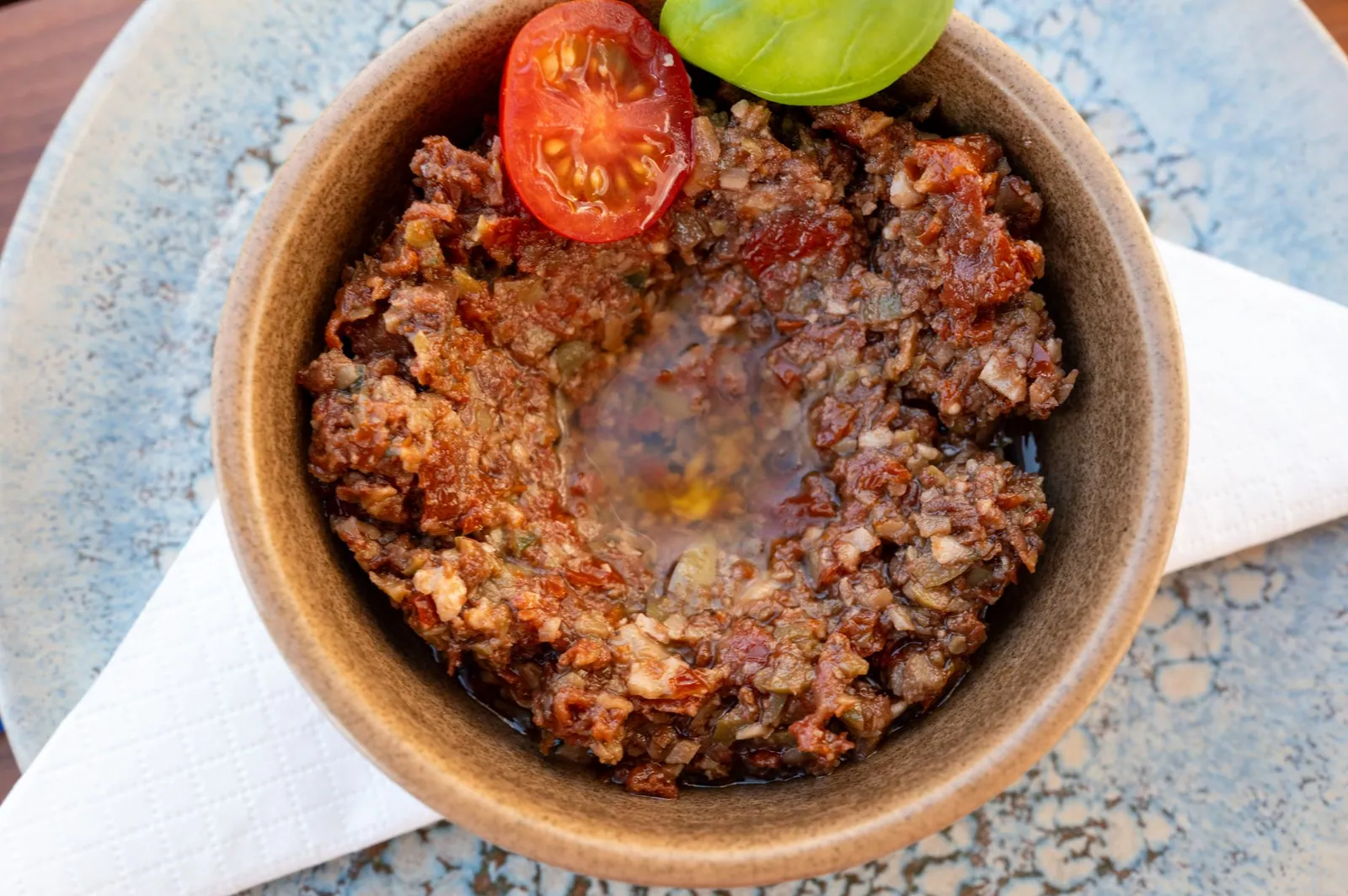
Olive Tapenade & Bruschetta
The best-loved spread of the Mediterranean: a tapenade of black olives, capers and anchovy, met with grilled bread.
Recipe
Olive Tapenade & Bruschetta
The best-loved spread of the Mediterranean: a tapenade of black olives, capers and anchovy, met with grilled bread.
 Recipe
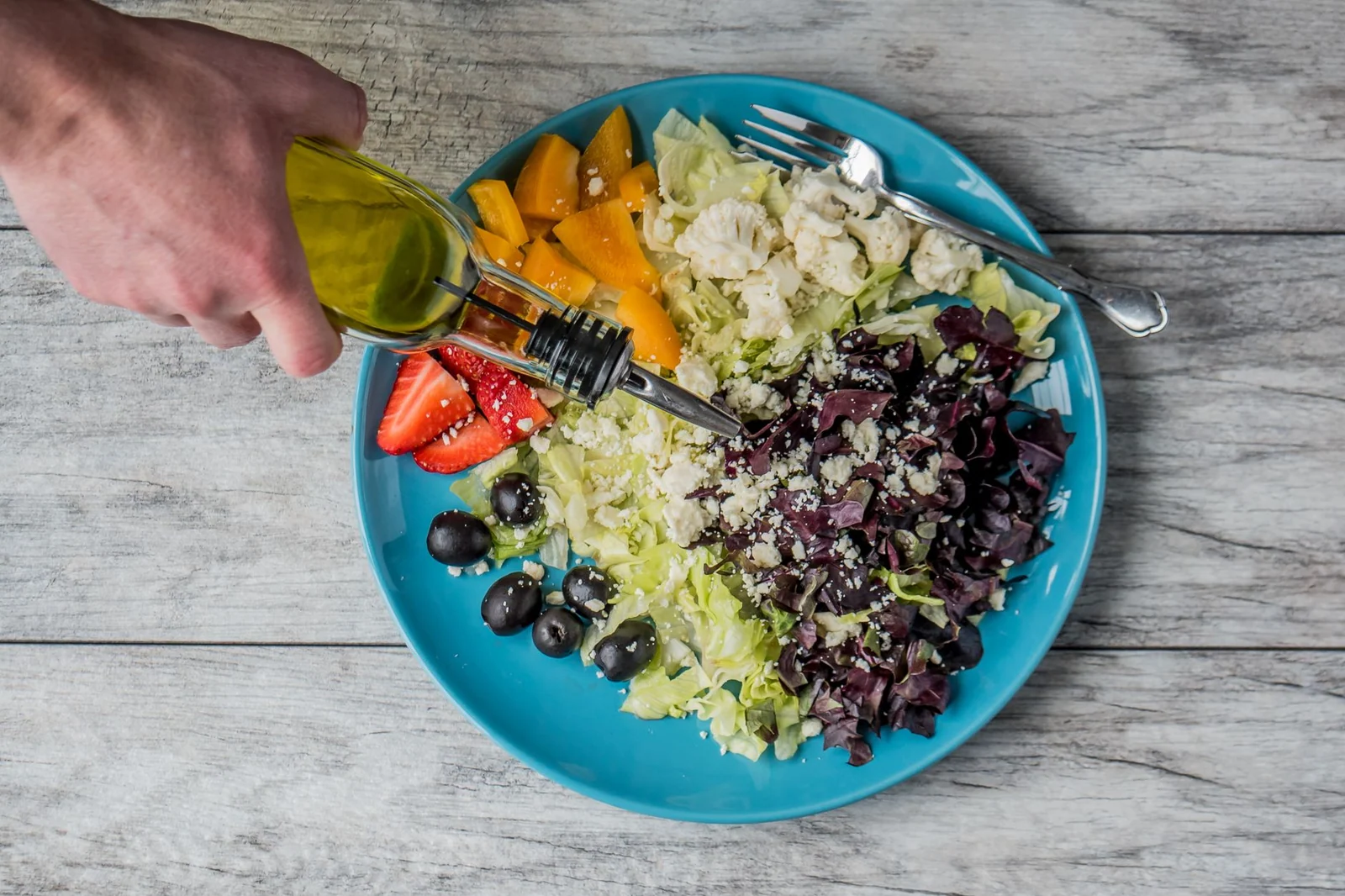
Wild Radish Greens in Olive Oil
The peppery bite of the mustard family: briefly boiled and dressed with garlic and plenty of olive oil. The quickest of the Aegean winter greens.
Recipe
Wild Radish Greens in Olive Oil
The peppery bite of the mustard family: briefly boiled and dressed with garlic and plenty of olive oil. The quickest of the Aegean winter greens.
 Recipe
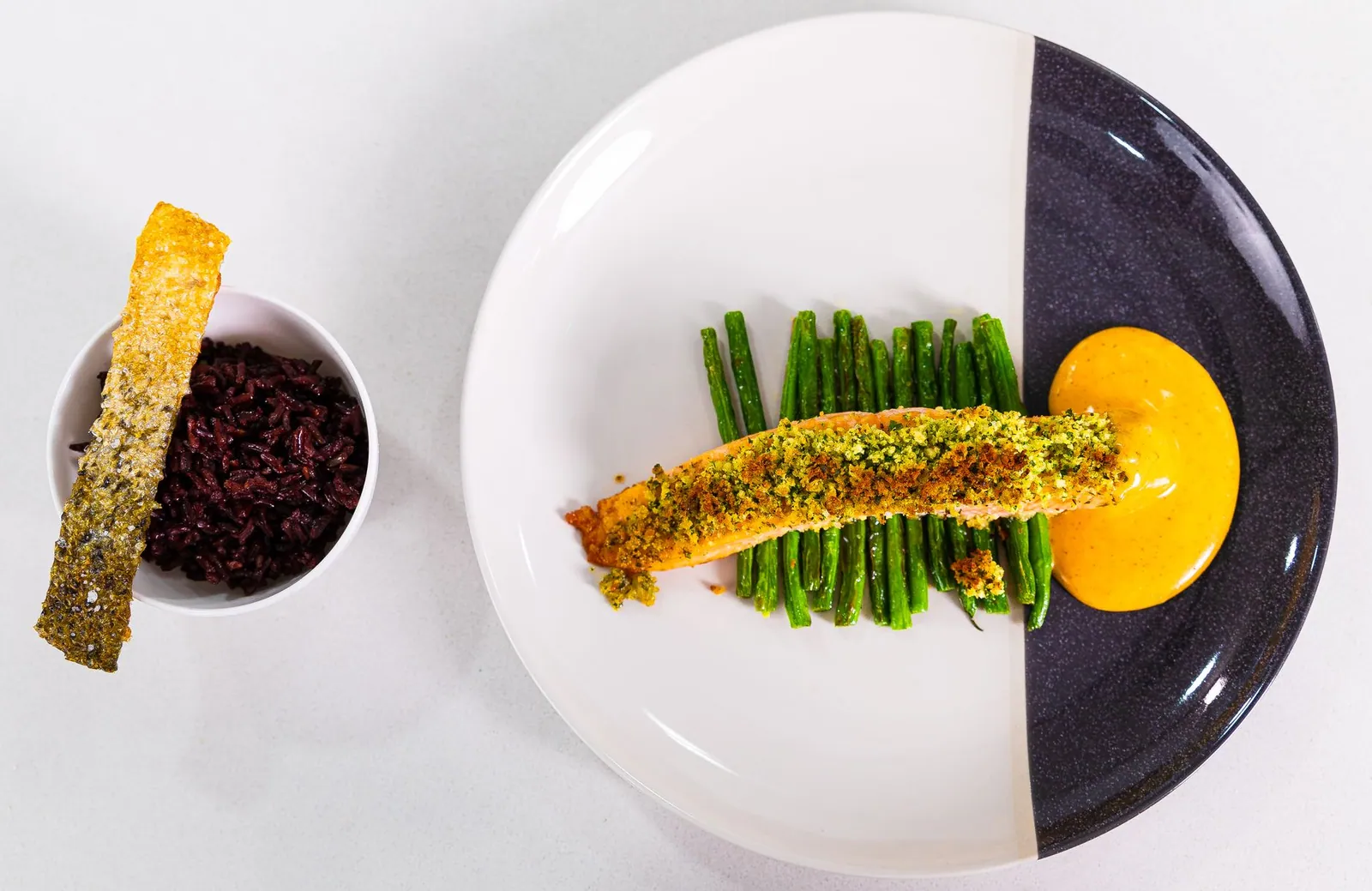
Samphire in Olive Oil
The salty shore plant of the Aegean and Mediterranean: blanched and dressed with garlic, olive oil and lemon.
Recipe
Samphire in Olive Oil
The salty shore plant of the Aegean and Mediterranean: blanched and dressed with garlic, olive oil and lemon.
 Recipe
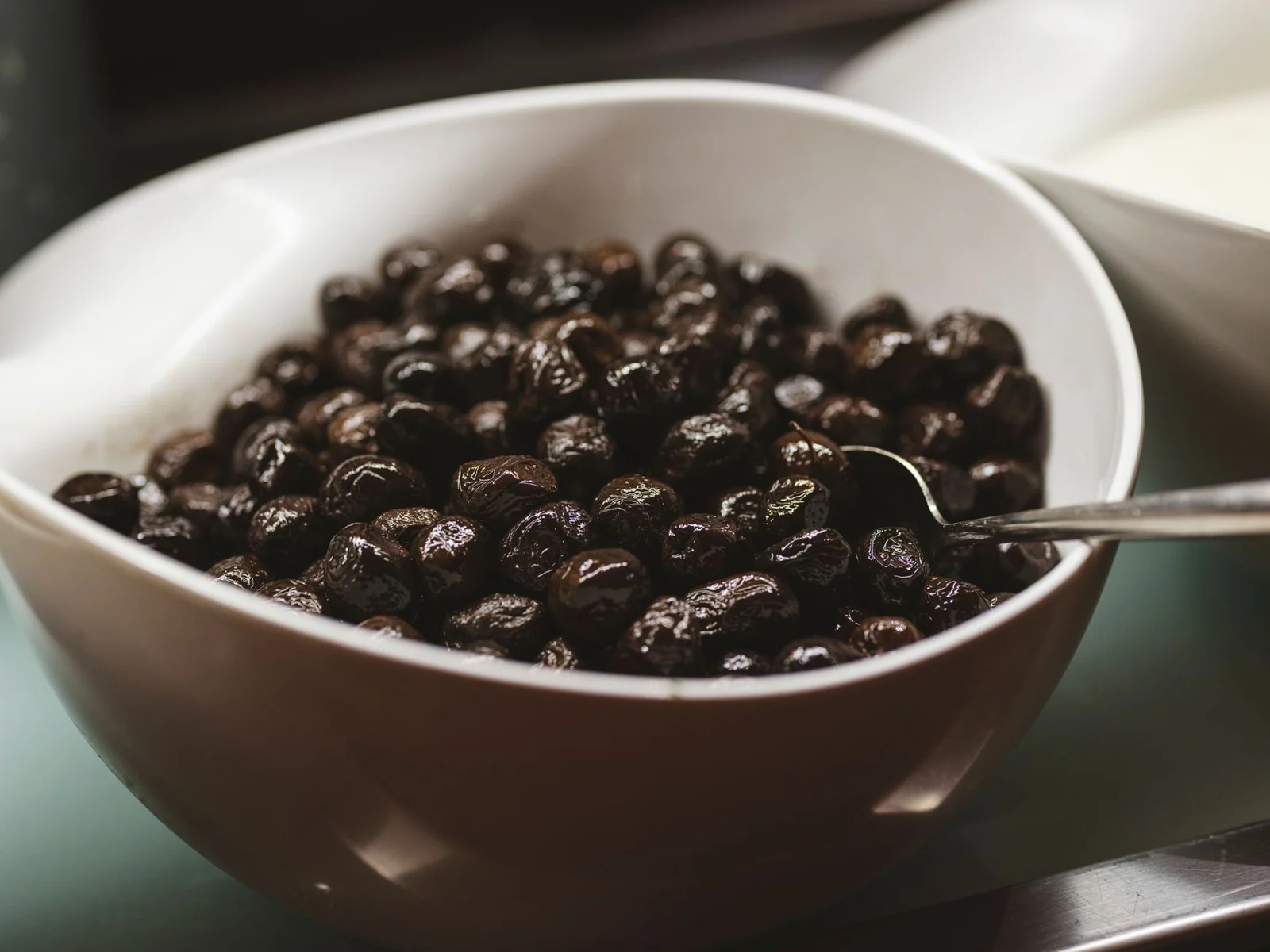
Sele Olives: Black Olives Cured in Dry Salt
The traditional method that uses dry salt rather than water: the wrinkled, intensely flavoured black olive of the Turkish breakfast table, in three to four weeks.
Recipe
Sele Olives: Black Olives Cured in Dry Salt
The traditional method that uses dry salt rather than water: the wrinkled, intensely flavoured black olive of the Turkish breakfast table, in three to four weeks.