Black Olives in Brine, Naturally Fermented
The oldest and most patient method: ripe black olives go into salted water uncut and give up their bitterness on their own over several months.
- Time
- 3-6 months
- Serves
- 3 kg
- Level
- Medium
- Cuisine
- Mediterranean
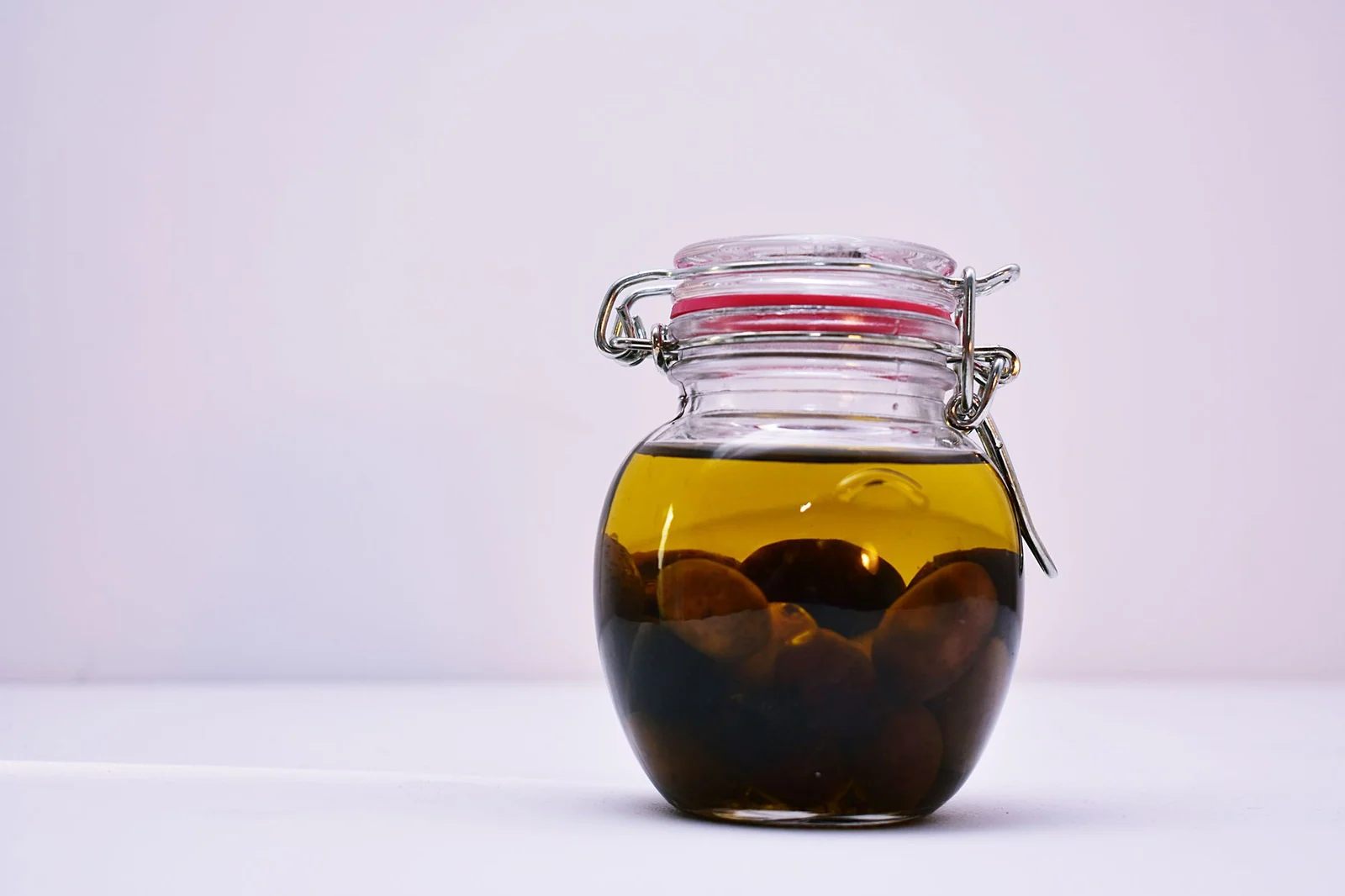
This is the oldest form of olive curing: no intervention at all, the fruit neither cut nor cracked. The olives go into salted water and time passes.
The work is done by lactic acid bacteria. Able to multiply in a saline environment, they convert the sugars in the olive into lactic acid; the acidic conditions that result both suppress spoilage organisms and help break down oleuropein, the bitter compound. So the bitterness here is not simply washed out — fermentation is working too.
In return it asks for patience: three to six months, depending on variety, ripeness and temperature. What you get is a depth the fast methods cannot produce. For a comparison of the methods: how olives are cured.
Directions
- Sort the olives: choose purple-black fruit that is fully ripe but not yet soft, discarding any bruised or rotten.
- Rinse and drain them; they do not need to be fully dried.
- Make the starting brine: dissolve 240 g of rock salt in 4 litres of water (6%).
- Put the olives in a large glass or food-grade plastic container and pour the brine over to cover.
- Hold them under with a plate and a clean weight — any olive that floats will go mouldy.
- Cover the container with cloth or a loose lid. Fermentation produces gas, and a tightly sealed container builds pressure.
- Through the first month, check the surface weekly and lift off any foam or white film with a clean spoon.
- At the start of the second month, refresh the brine: pour off the old and make a new one at 8% (80 g salt per litre).
- From the third month, taste monthly. The olives are ready when the bitterness has gone — three to six months depending on variety.
- When ready, pack into jars with the thyme and lemon, top up with brine and float a finger's depth of olive oil on top.
Tips & storage
⚠ Never seal the container tightly. Fermentation produces carbon dioxide, and a tightly closed glass jar can crack under pressure. Use a cloth cover, a loose lid or an airlock.
Too little salt and it spoils; too much and fermentation stops. Six per cent is right at the start: it lets the lactic acid bacteria work while suppressing what you don't want. Raising it to 8% in the second month secures it for storage.
A white film is not cause for panic. The thin white layer on the surface is usually harmless kahm yeast and is lifted off with a spoon. But if you see fuzzy green, black or pink mould, that batch is discarded.
The olives must always stay under the brine. This is the most common cause of spoilage. A sealed bag filled with brine makes a good weight.
Warmth speeds it up and raises the risk. 18–22 °C is ideal. Above 25 °C fermentation accelerates, and so does the chance of spoilage.
Don't rush it. Olives not ready at three months are not spoiled — the variety is simply slower. Decide by tasting.
Storage. A year in brine under a layer of oil, somewhere cool and dark. Two months in the fridge once opened.
One rating per visitor; you can change yours at any time. Ratings are real reader votes — no seeded or default scores.
Related
 Recipe
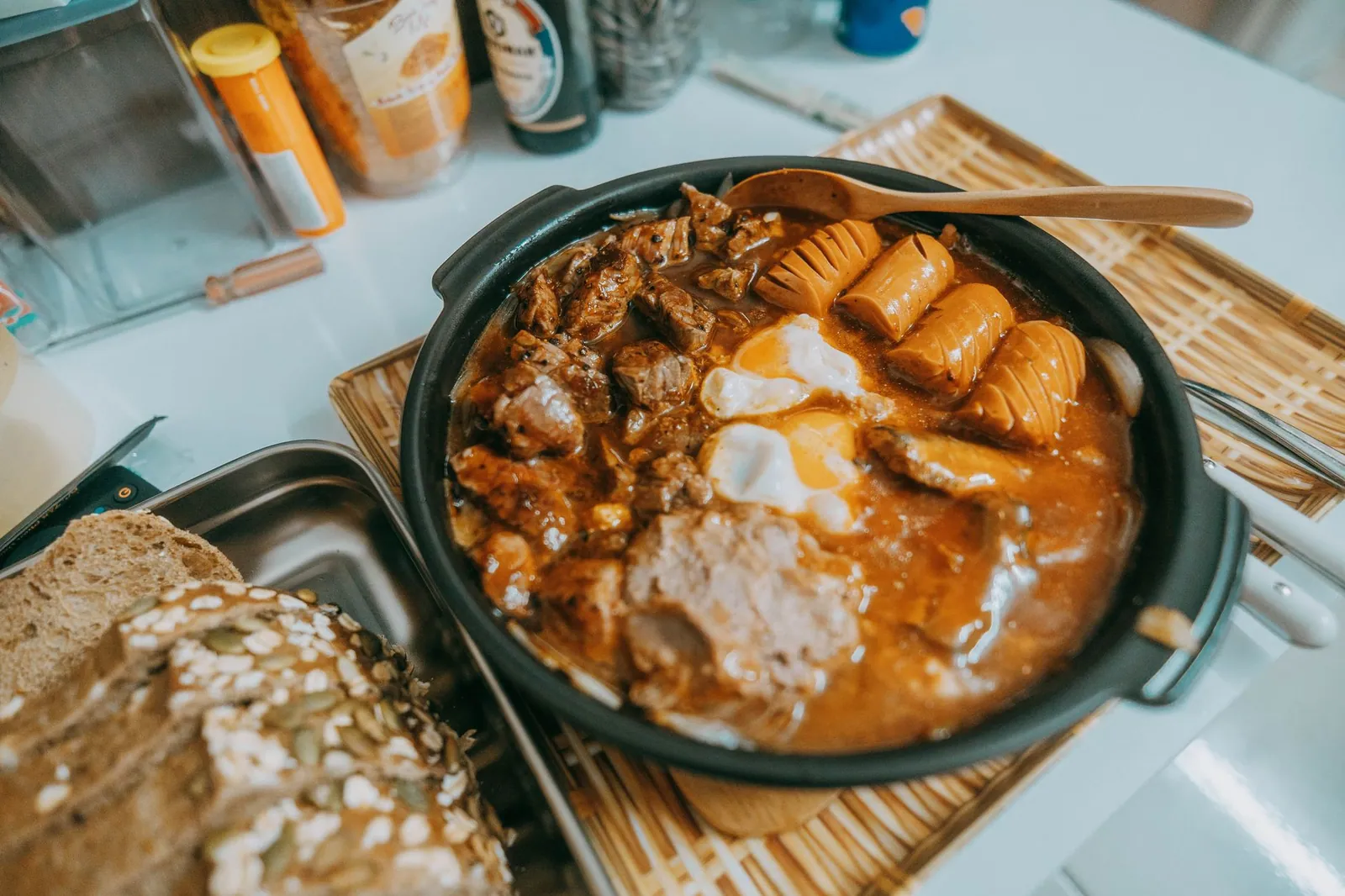
Lamb Casserole with Olives
Lamb cooked slowly with green olives, lemon and rosemary — a Mediterranean casserole classic.
Recipe
Lamb Casserole with Olives
Lamb cooked slowly with green olives, lemon and rosemary — a Mediterranean casserole classic.
 Recipe
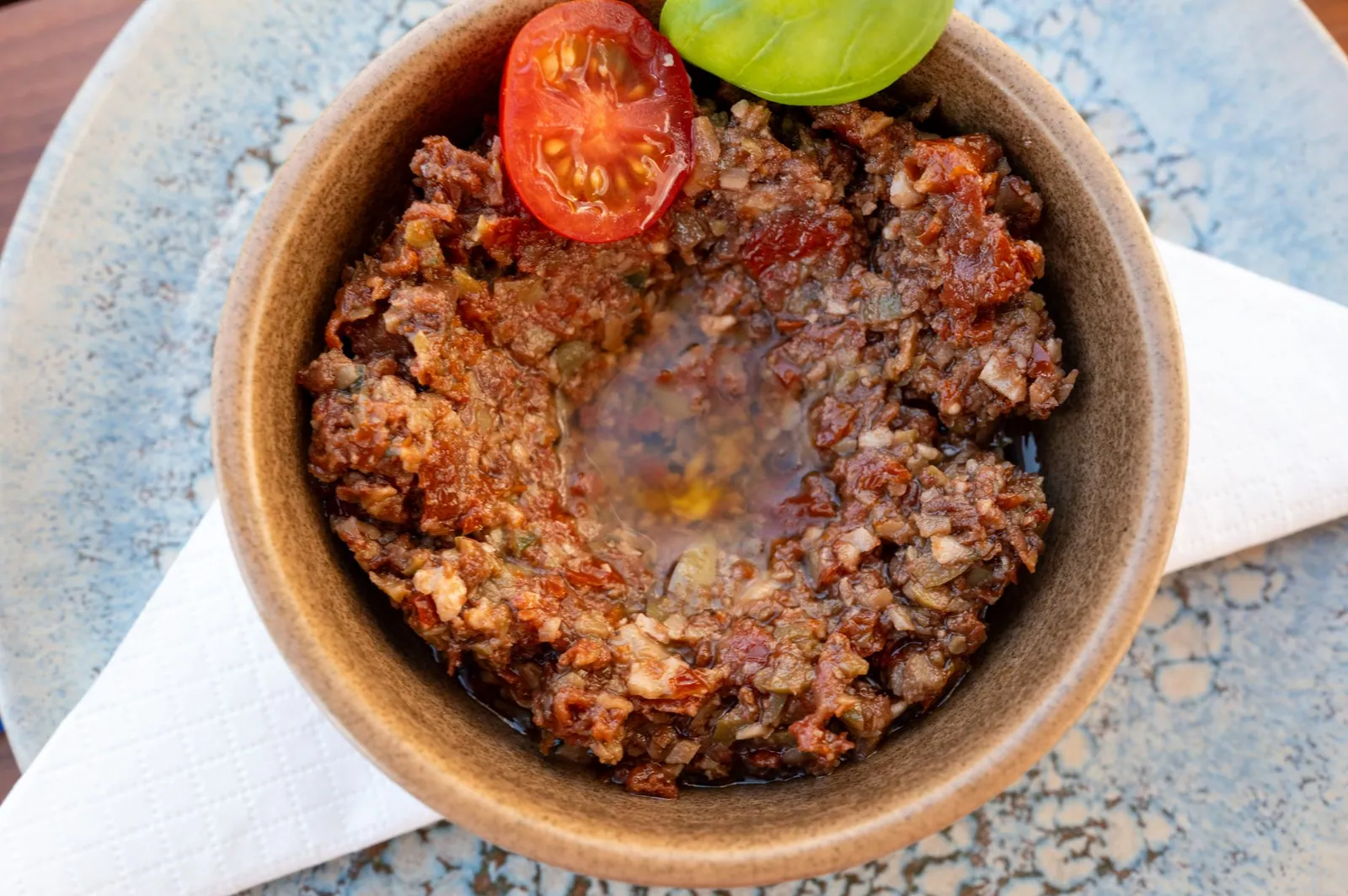
Olive Tapenade & Bruschetta
The best-loved spread of the Mediterranean: a tapenade of black olives, capers and anchovy, met with grilled bread.
Recipe
Olive Tapenade & Bruschetta
The best-loved spread of the Mediterranean: a tapenade of black olives, capers and anchovy, met with grilled bread.
 Recipe
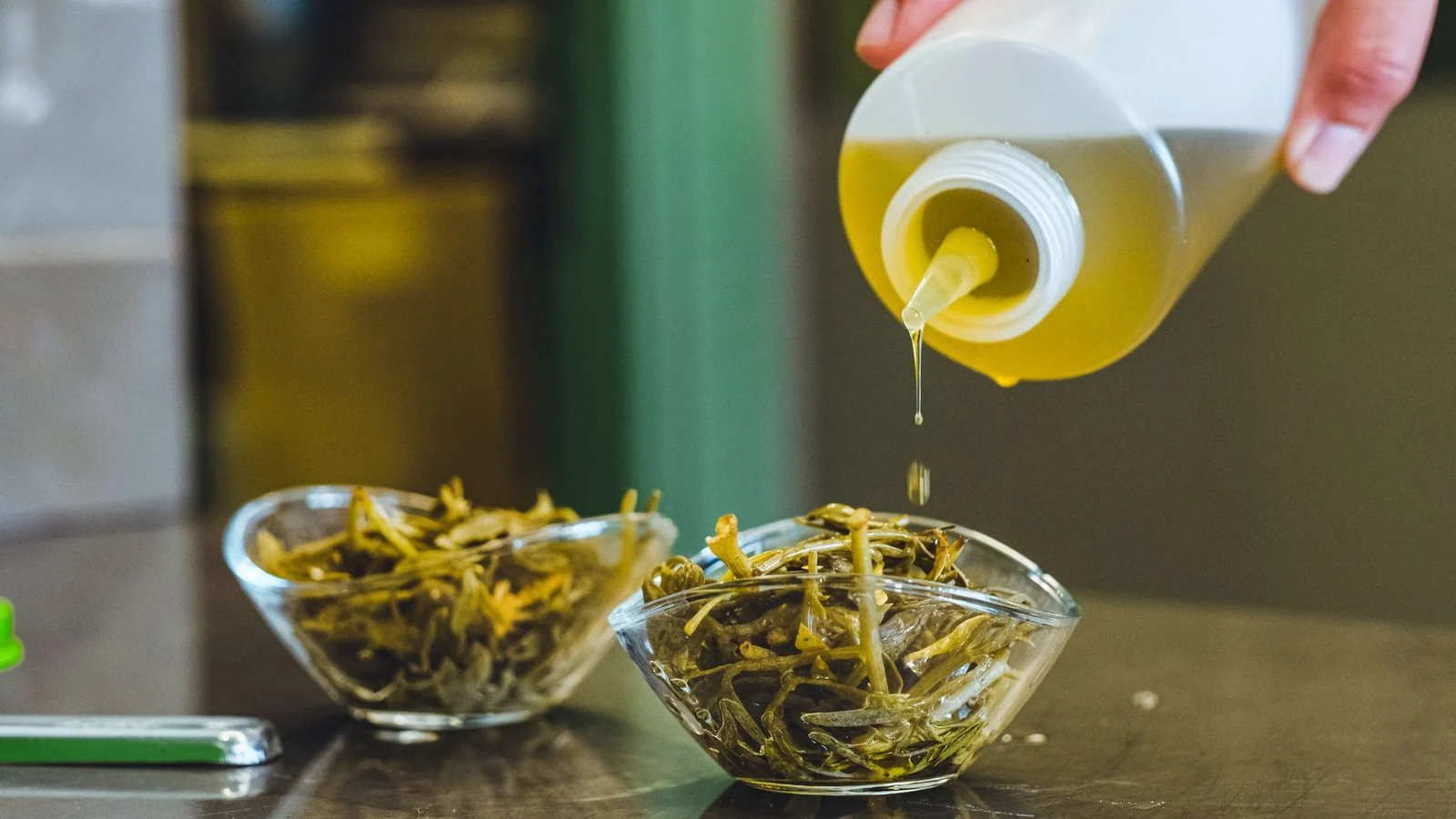
Wild Chicory in Olive Oil
The most common wild green of the Aegean: boiled, squeezed dry and dressed with plenty of olive oil and lemon. Its bitterness is not a fault but its identity.
Recipe
Wild Chicory in Olive Oil
The most common wild green of the Aegean: boiled, squeezed dry and dressed with plenty of olive oil and lemon. Its bitterness is not a fault but its identity.
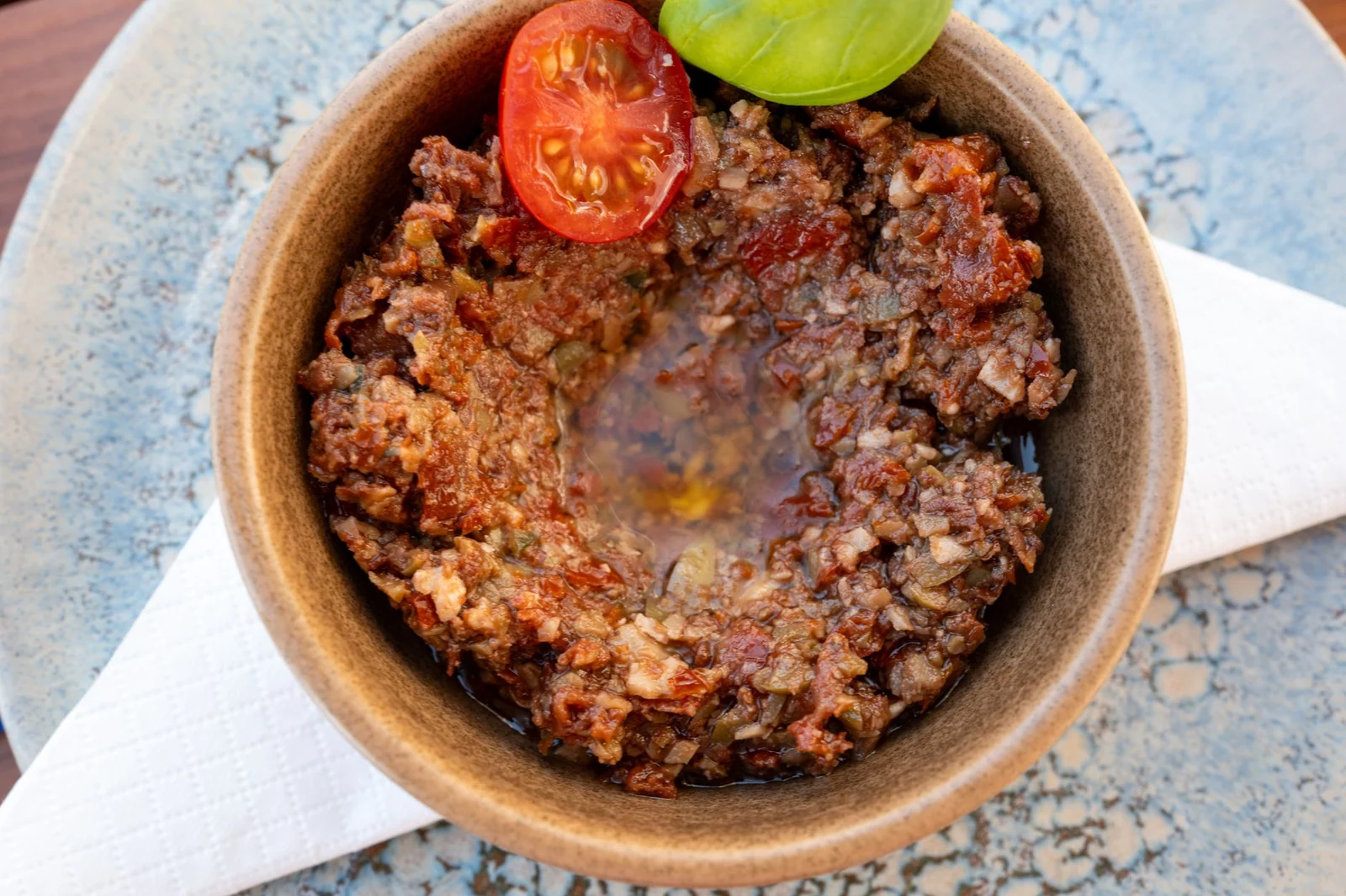 Recipe
Turkish Olive Spread
The black olive spread of the breakfast table, with walnuts, garlic and olive oil.
Recipe
Turkish Olive Spread
The black olive spread of the breakfast table, with walnuts, garlic and olive oil.