Scored Green Olives, Cured at Home
The sibling of the cracked olive that keeps its shape: the fruit is scored rather than crushed, so debittering takes a little longer but the olive stays whole and firm.
- Time
- 15-20 days
- Serves
- 2 kg (about 8 jars)
- Level
- Easy
- Cuisine
- Turkish
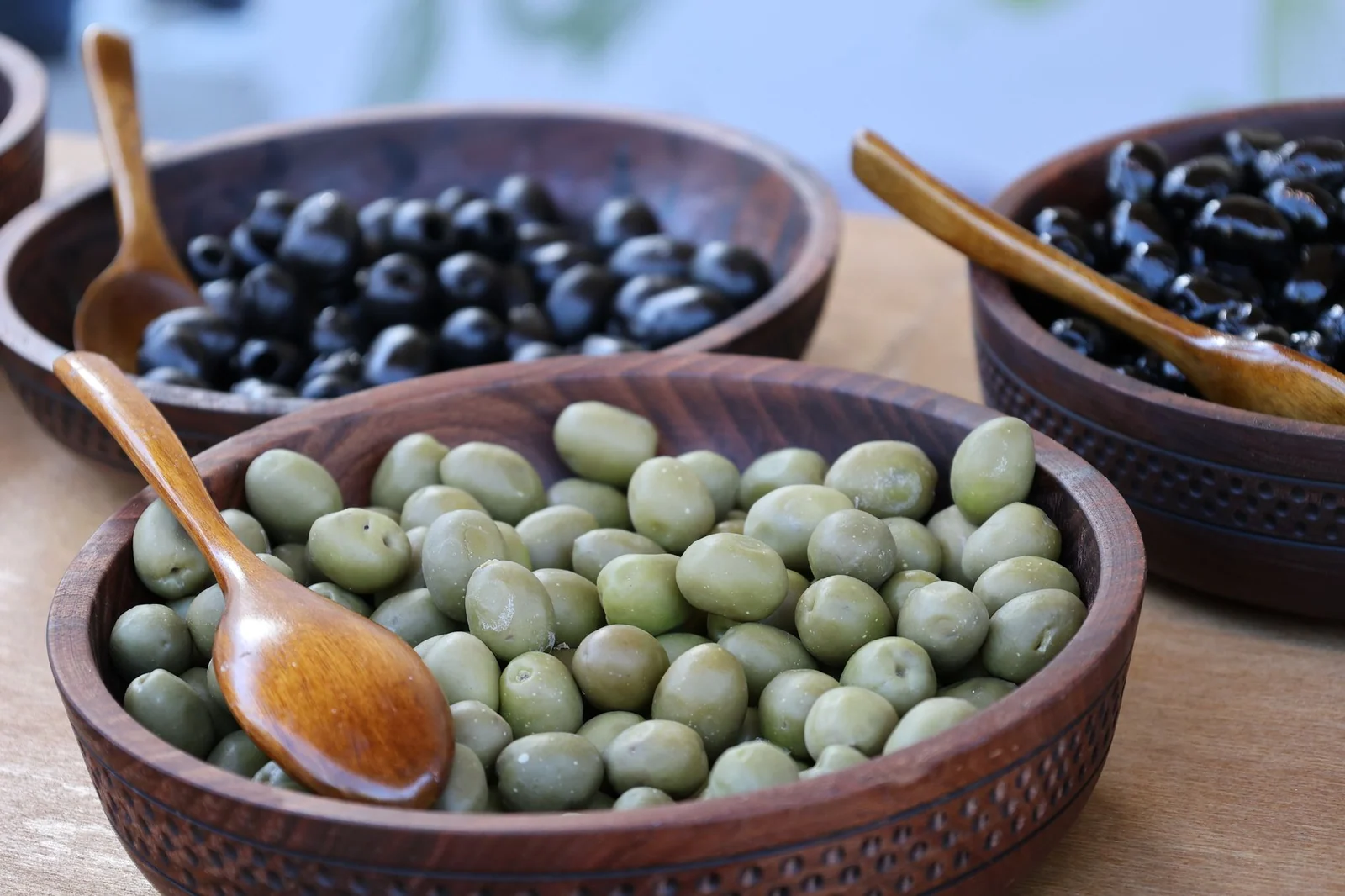
Scoring and cracking pursue the same aim by two different routes: opening the surface of the fruit so the bitter compounds can pass into the water faster. The difference lies in how it is opened.
Cracking crushes the olive; the surface opens wide, the bitterness goes in ten to fifteen days, but the fruit loses its shape and softens. Scoring opens the surface in a controlled way; the process stretches to fifteen or twenty days, but the olive stays whole, firm and crisp.
Which you choose depends on how it will reach the table: cracked olives suit spreads and the breakfast plate, scored ones suit meze and presentation. For a general comparison of the methods: how olives are cured.
Directions
- Sort the olives, using only firm, sound, unbruised fruit.
- Score each olive lengthwise two or three times with a sharp knife. The cut should reach the stone but must not split the fruit in half.
- Put the scored olives in a wide container, cover with cold water and hold them under with a plate.
- Change the water completely once a day. This stage takes fifteen to twenty days — scoring works more slowly than cracking.
- From the tenth day, taste one olive daily and stop when the bitterness reaches a level you accept.
- Make the brine: dissolve 100 g of rock salt in 1 litre of water.
- Drain the olives and pack them into jars, layering in the lemon slices, coriander seed and thyme.
- Pour the brine over until the olives are covered.
- Float a finger's depth of olive oil on top and seal the jar.
- Leave somewhere cool and dark for ten days, then move to the fridge.
Tips & storage
⚠ Do not attempt the lye or ash method at home. Debittering with caustic soda is an industrial process; the wrong concentration or incomplete rinsing risks burns and poisoning. The home method is water and salt.
Score deeply, but keep the fruit whole. The knife should reach the stone without splitting the olive in two. A halved olive disintegrates in the brine.
Use a sharp knife. A blunt blade crushes rather than cuts; a crushed olive becomes a cracked one, and the point of this recipe is lost.
Three cuts are faster than two. If you are in a hurry, make three; it saves a few days and the shape still holds.
Change the water daily, without exception. Water left standing sours. Keep the container somewhere cool.
Brine at 10%. Without a hydrometer, use the egg test: a washed raw egg should float showing an area the size of a coin.
Storage. Six months sealed, cool and dark; two months in the fridge once opened.
One rating per visitor; you can change yours at any time. Ratings are real reader votes — no seeded or default scores.
Related
 Recipe
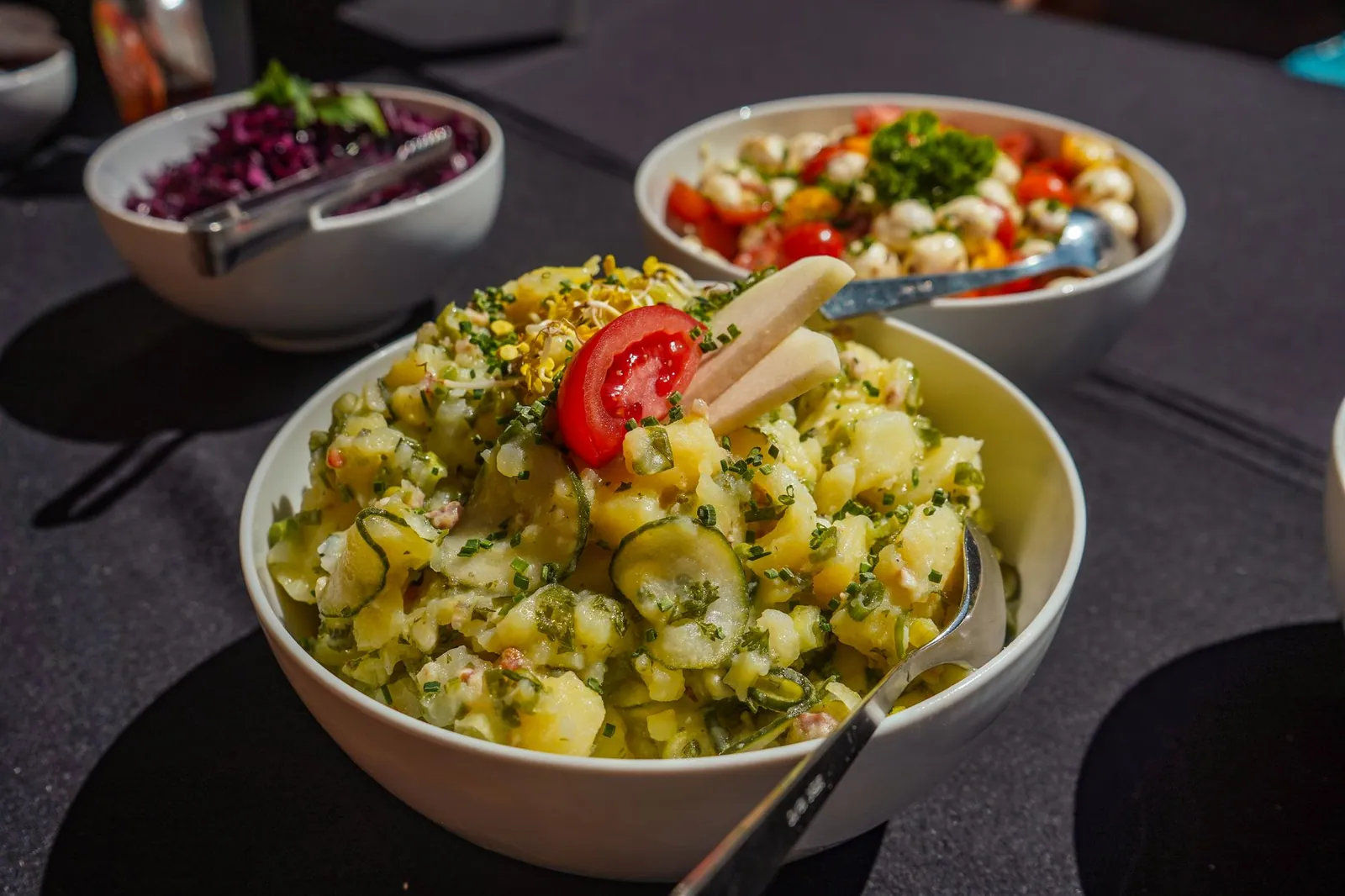
Potato Salad with Olives
A light potato salad without mayonnaise, dressed with olive oil and lemon; green olives and capers bring the salt.
Recipe
Potato Salad with Olives
A light potato salad without mayonnaise, dressed with olive oil and lemon; green olives and capers bring the salt.
 Recipe
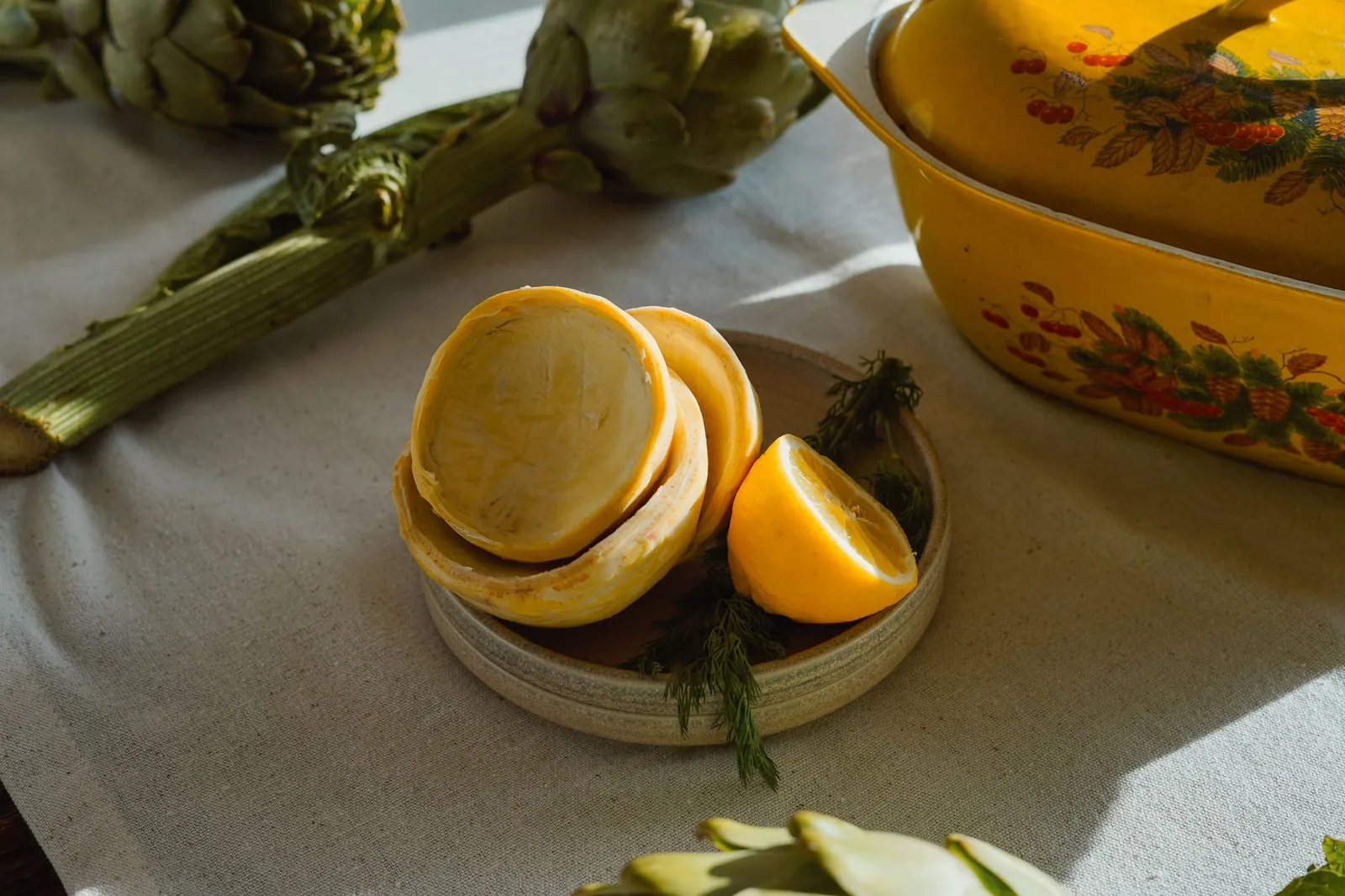
Artichoke Heart Salad with Olives
A five-minute meze: artichoke hearts, black olives and a lemon-olive oil dressing.
Recipe
Artichoke Heart Salad with Olives
A five-minute meze: artichoke hearts, black olives and a lemon-olive oil dressing.
 Recipe
Olive Oil Whisky Sour
A modern recipe that brings olive oil into a cocktail: the oil is combined with whisky in the cold, then strained off.
Recipe
Olive Oil Whisky Sour
A modern recipe that brings olive oil into a cocktail: the oil is combined with whisky in the cold, then strained off.
 Recipe
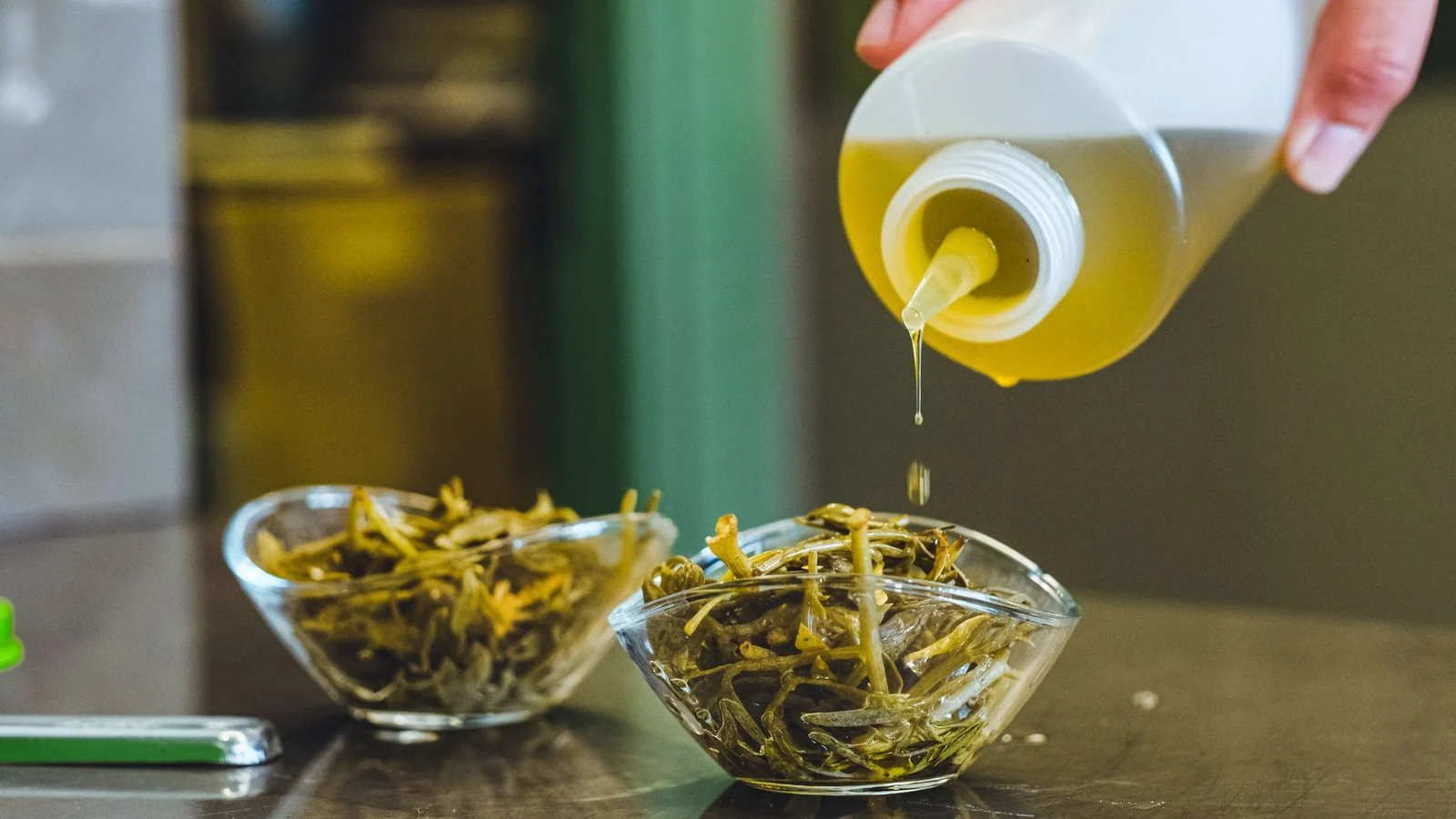
Wild Chicory in Olive Oil
The most common wild green of the Aegean: boiled, squeezed dry and dressed with plenty of olive oil and lemon. Its bitterness is not a fault but its identity.
Recipe
Wild Chicory in Olive Oil
The most common wild green of the Aegean: boiled, squeezed dry and dressed with plenty of olive oil and lemon. Its bitterness is not a fault but its identity.