Courgette Fritters with Olives
A salty layer added to the classic fritter: chopped black olives. The secret is getting all the water out of the courgette.
- Time
- 45 minutes
- Serves
- Serves 4 (12-14 fritters)
- Level
- Easy
- Cuisine
- Turkish
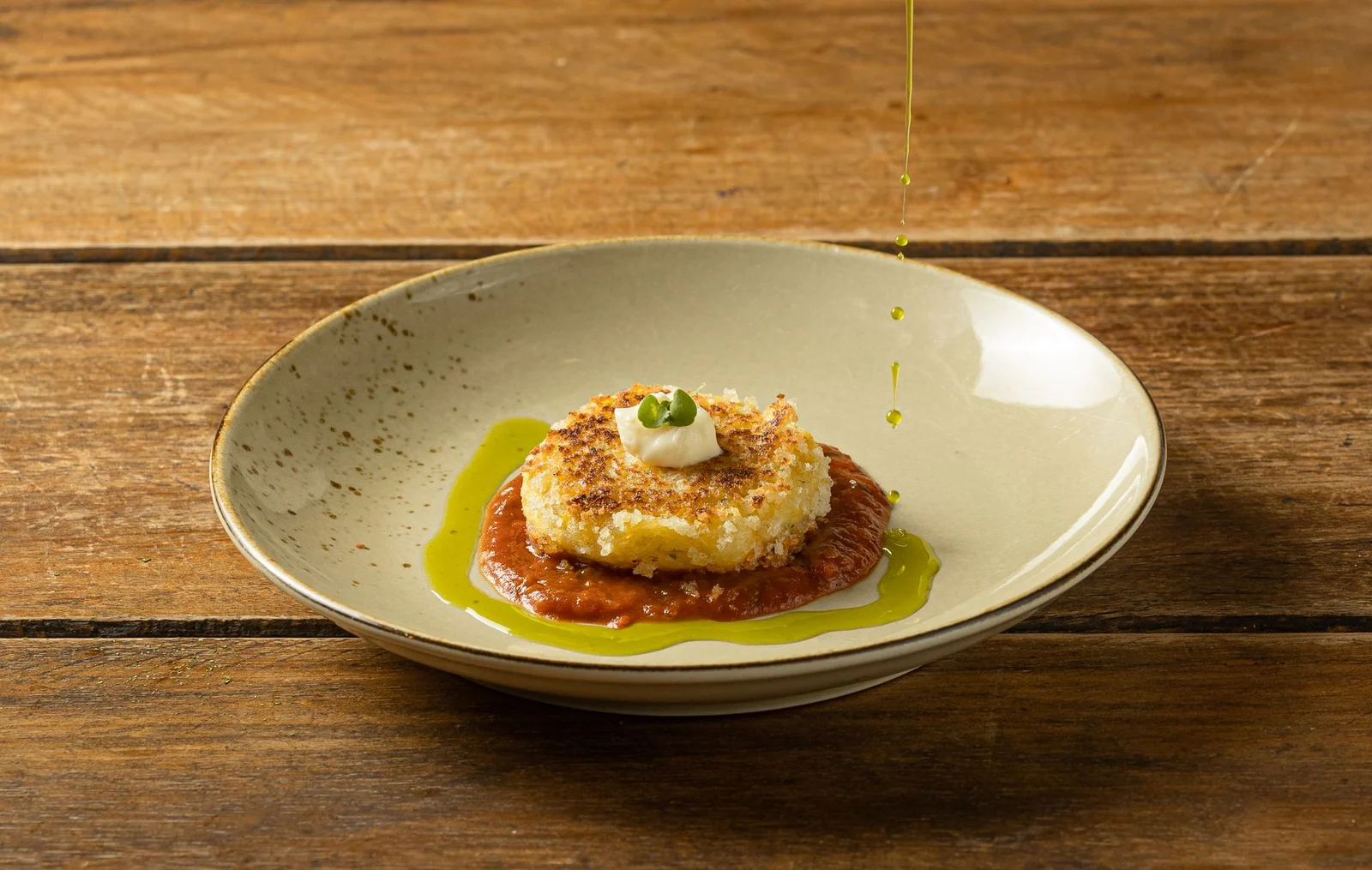
The success or failure of a mücver is decided in a single step: getting the water out of the courgette. Most of a courgette's weight is water; leave it in and the batter goes runny, you are forced to add flour, and the fritter turns doughy and soaks up oil.
The olives add a salty, concentrated layer to this classic, and that has a consequence: olives and cheese together bring enough salt, so there is almost none in the recipe. Tasting before deciding is essential.
Don't hesitate to fry in olive oil; we set out the detail in is olive oil suitable for frying.
Directions
- Toss the grated courgette with a pinch of salt and leave in a sieve for twenty minutes.
- SQUEEZE the water out completely, by hand or in a clean cloth — this step is the recipe.
- Beat the eggs in a wide bowl and add the courgette, cheese, herbs and spring onions.
- Stir in the chopped olives.
- Add the flour and pepper and mix until it comes together. The batter should be thick enough to lift with a spoon and drop into the pan.
- Taste, and add a very little salt only if needed.
- Heat olive oil in a pan over medium heat and spoon in the mixture, spreading each fritter out.
- Fry for three to four minutes on each side, until golden.
- Drain on kitchen paper and serve warm or cold.
Tips & storage
Removing the water is not optional. Twenty minutes salted plus a firm squeeze decides whether the fritter is crisp or doughy. A cupful of liquid coming out is normal.
Flour last, and little. Adding flour because the batter is wet is the common mistake; the problem is the water, not the flour. Squeeze first, measure second.
Don't crowd the pan. Too many fritters at once drop the temperature, and they absorb oil instead of frying.
Medium heat. Over a high flame the outside burns while the centre stays raw — a fritter is thick and needs time.
Chop the olives finely. Large pieces work their way out during frying and scorch.
Salt last, by tasting. Olives, cheese and the salting can stack up.
Storage. Two days in the fridge. Good cold; if reheating, use the oven — a microwave softens them.
One rating per visitor; you can change yours at any time. Ratings are real reader votes — no seeded or default scores.
Related
 Recipe
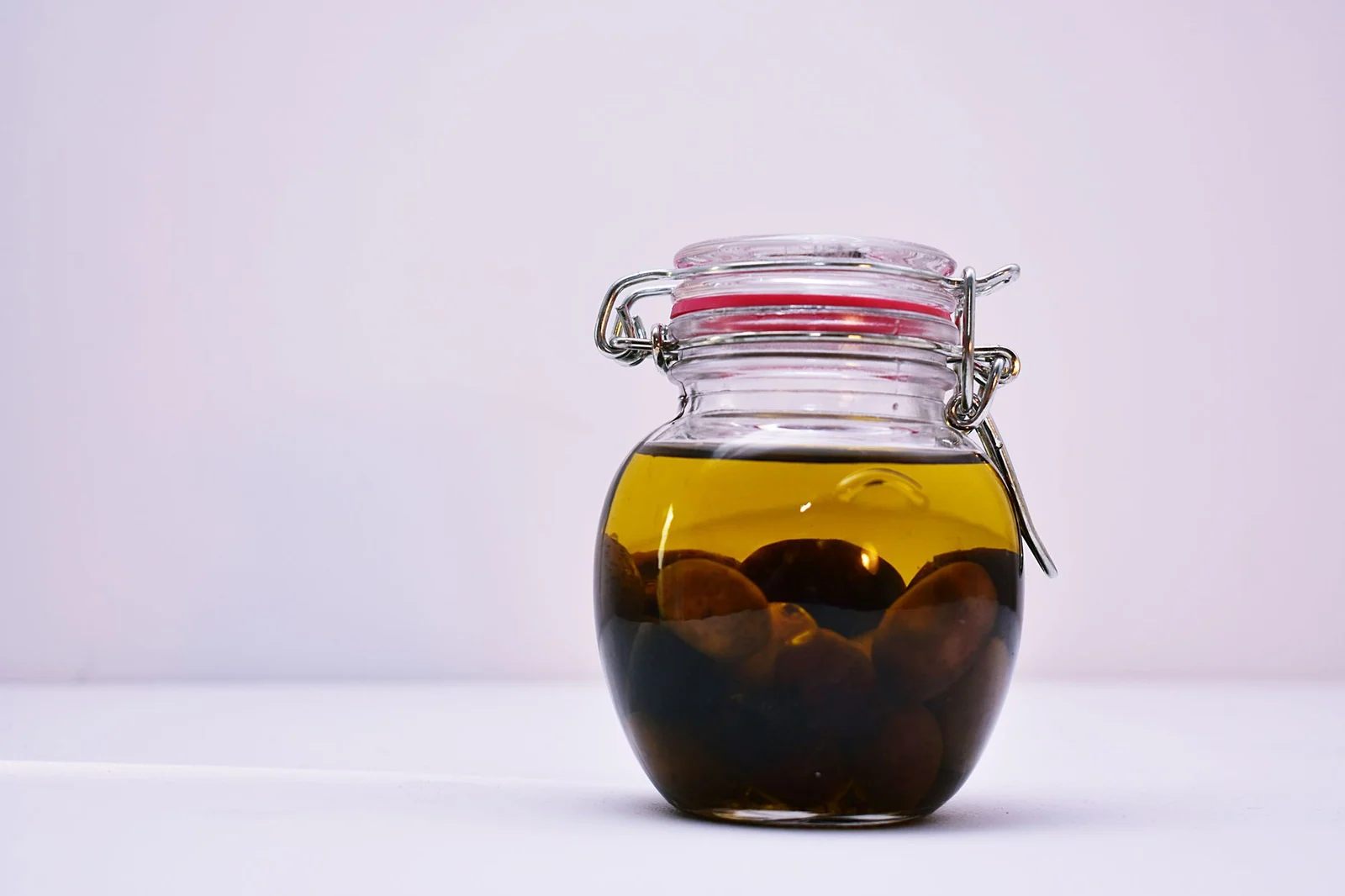
Black Olives in Brine, Naturally Fermented
The oldest and most patient method: ripe black olives go into salted water uncut and give up their bitterness on their own over several months.
Recipe
Black Olives in Brine, Naturally Fermented
The oldest and most patient method: ripe black olives go into salted water uncut and give up their bitterness on their own over several months.
 Recipe
Gazpacho con Aceite de Oliva
Andalusia's cold soup: ripe tomato, cucumber and olive oil — the most cooling dish of a hot summer.
Recipe
Gazpacho con Aceite de Oliva
Andalusia's cold soup: ripe tomato, cucumber and olive oil — the most cooling dish of a hot summer.
 Recipe
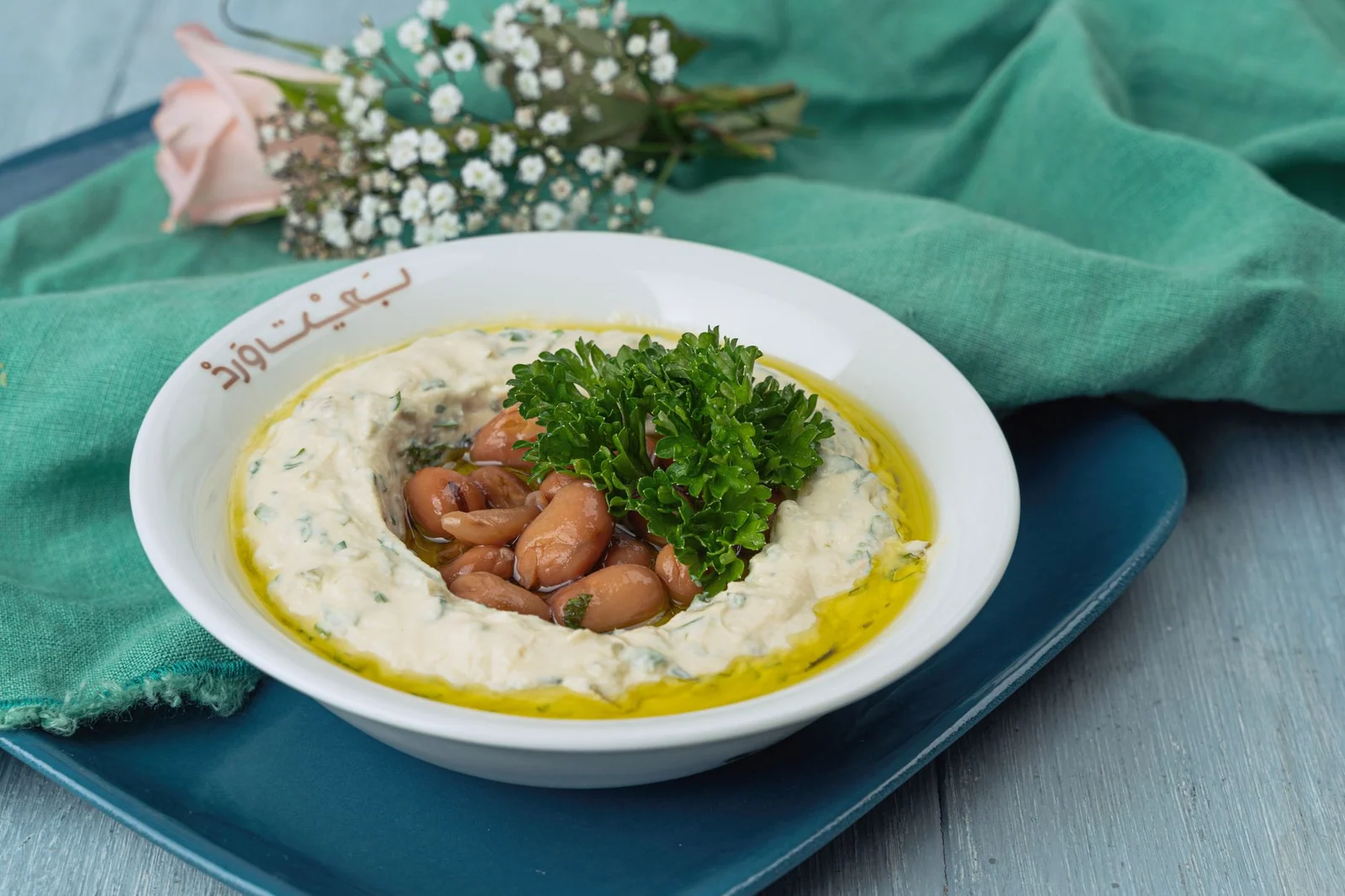
Fava (Broad Bean Purée)
A purée of dried broad beans with dill and olive oil, set in the fridge and served in slices.
Recipe
Fava (Broad Bean Purée)
A purée of dried broad beans with dill and olive oil, set in the fridge and served in slices.
 Recipe
Olive Brine Tonic (Non-alcoholic)
A savoury, alcohol-free take on the Dirty Martini: olive brine, tonic and lemon.
Recipe
Olive Brine Tonic (Non-alcoholic)
A savoury, alcohol-free take on the Dirty Martini: olive brine, tonic and lemon.