Gazpacho con Aceite de Oliva
Andalusia's cold soup: ripe tomato, cucumber and olive oil — the most cooling dish of a hot summer.
- Time
- 15 minutes
- Serves
- 4
- Level
- Easy
- Cuisine
- Spanish

Gazpacho is older than the tomato. The original Andalusian version was stale bread, olive oil, vinegar, garlic and water — a mixture that kept field workers going in the heat. Tomatoes and peppers entered the recipe only after they arrived from the Americas; the red gazpacho we now treat as classic is in fact the innovation.
That history explains the bread in the recipe. It is not filler but an emulsifier: it binds the olive oil into a water-based vegetable purée. Without it, gazpacho separates within minutes and a layer of oil forms on top.
Directions
- Roughly chop all the vegetables and put them in a blender.
- Squeeze out the soaked bread and add it.
- Add the olive oil, vinegar, salt and pepper and blend until completely smooth.
- Pass through a fine sieve for a silkier texture.
- Chill in the refrigerator for at least 2 hours.
- Serve cold, topped with the diced vegetables, croutons and a drizzle of olive oil.
Tips & storage
Don't skip the bread, though you can reduce it. Its job is binding. If you are cooking gluten-free, a handful of almonds or a boiled potato does the same work.
Vinegar first, salt after. Acid opens up the flavour of the vegetables; season with salt after the vinegar and you will need less of it.
Sieving is not optional. Without passing it through a fine sieve, the fibres from tomato and pepper skins remain and the gazpacho never turns velvety. This step is what separates the homemade from the restaurant version.
Two hours' chilling minimum. Gazpacho is drunk ice cold. Straight from the blender it is both flat-tasting and heavy.
The olive oil goes in twice. The oil in the blender builds the emulsion; the fresh extra virgin poured over at serving provides the aroma. Two different jobs.
Adjust the consistency with ice, not water. If it is too thick, add a few ice cubes and blend again; water dilutes the flavour, ice both thins and chills.
Storage. Three days in the fridge; shake before each serving, as it separates naturally.
One rating per visitor; you can change yours at any time. Ratings are real reader votes — no seeded or default scores.
Related
 Recipe
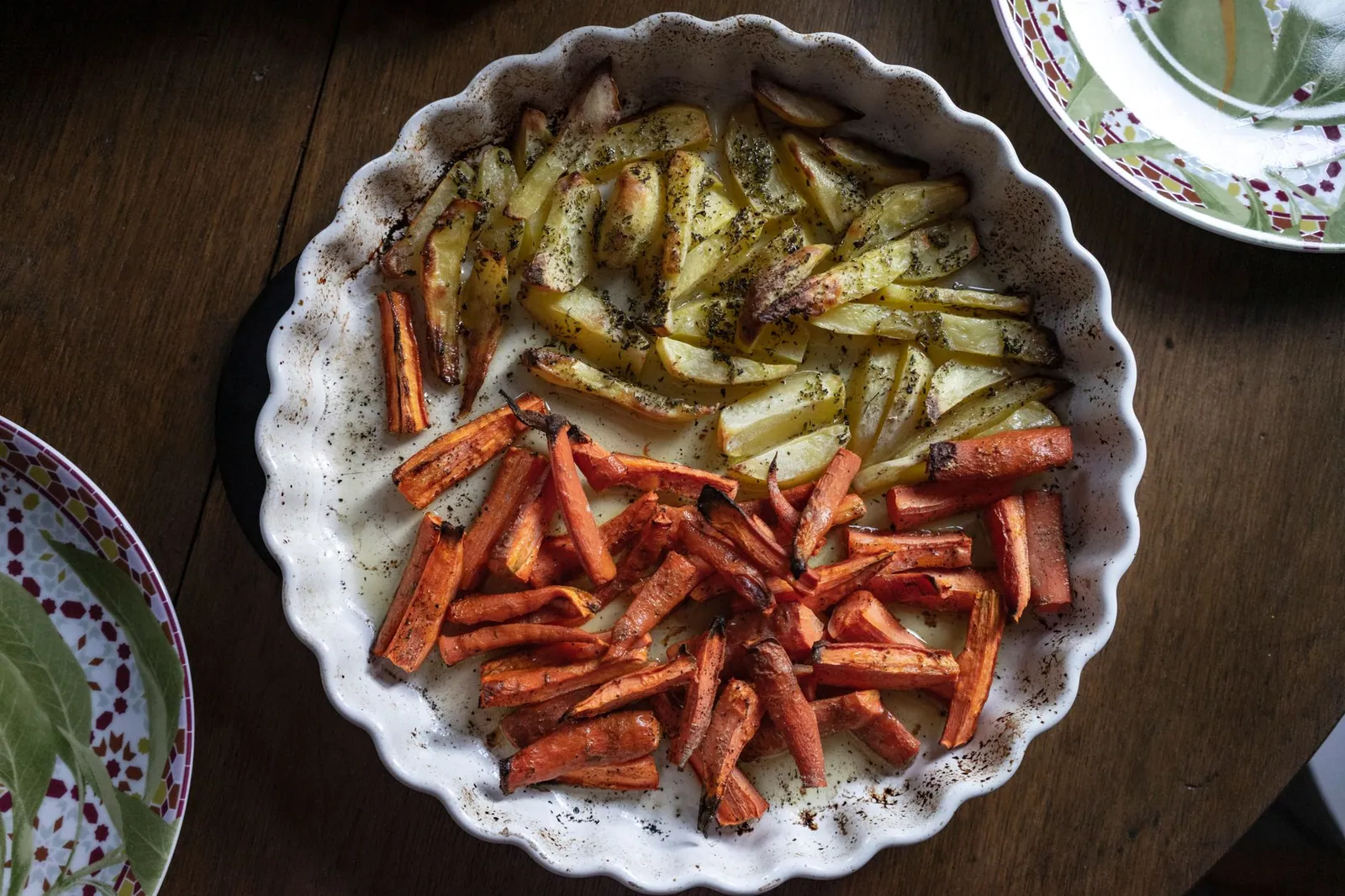
Celeriac in Olive Oil
The favourite winter dish in olive oil: celeriac, carrot and peas cooked in lemony water, served cool with dill.
 Recipe
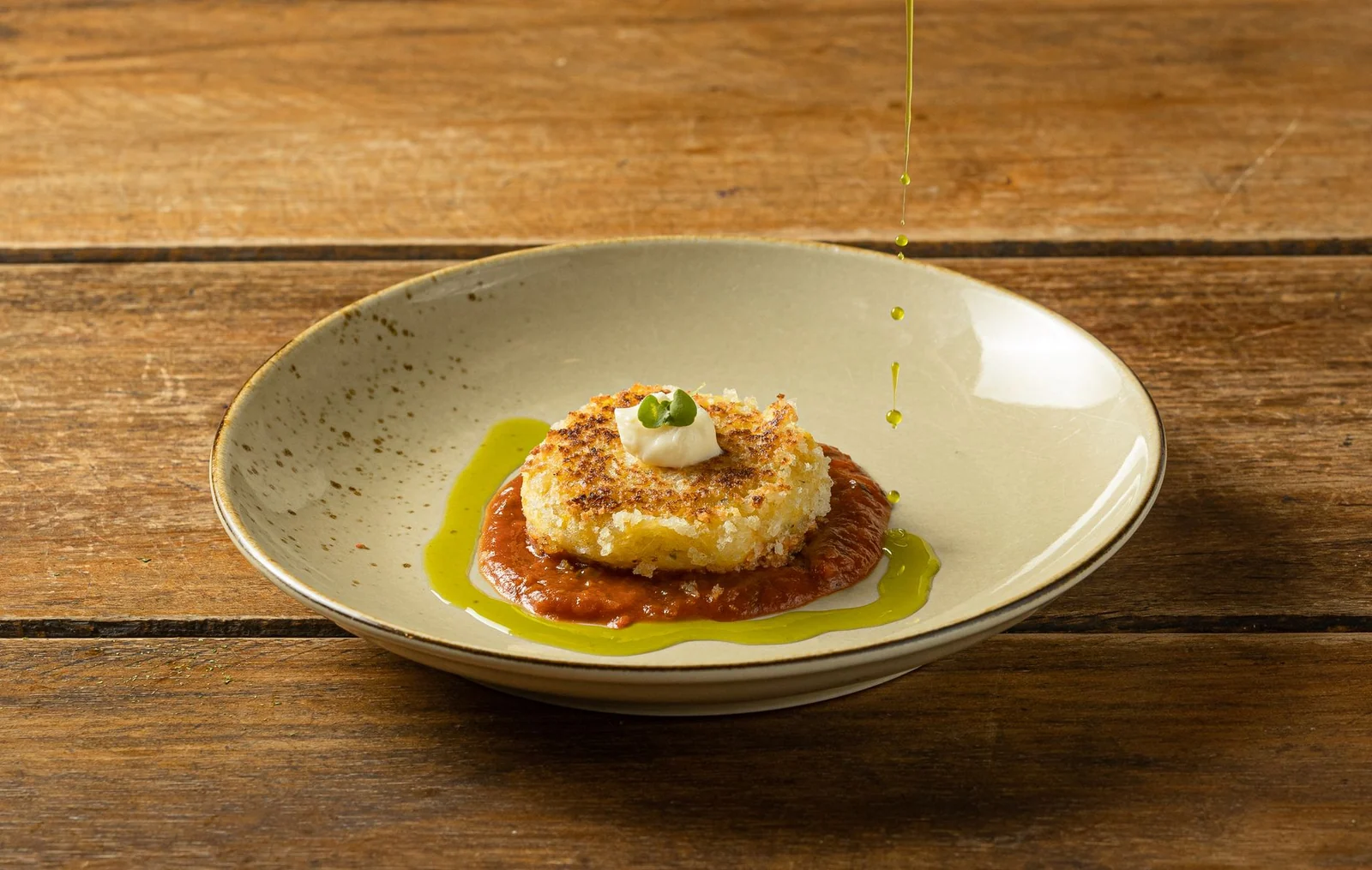
Courgette Fritters with Olives
A salty layer added to the classic fritter: chopped black olives. The secret is getting all the water out of the courgette.
 Recipe
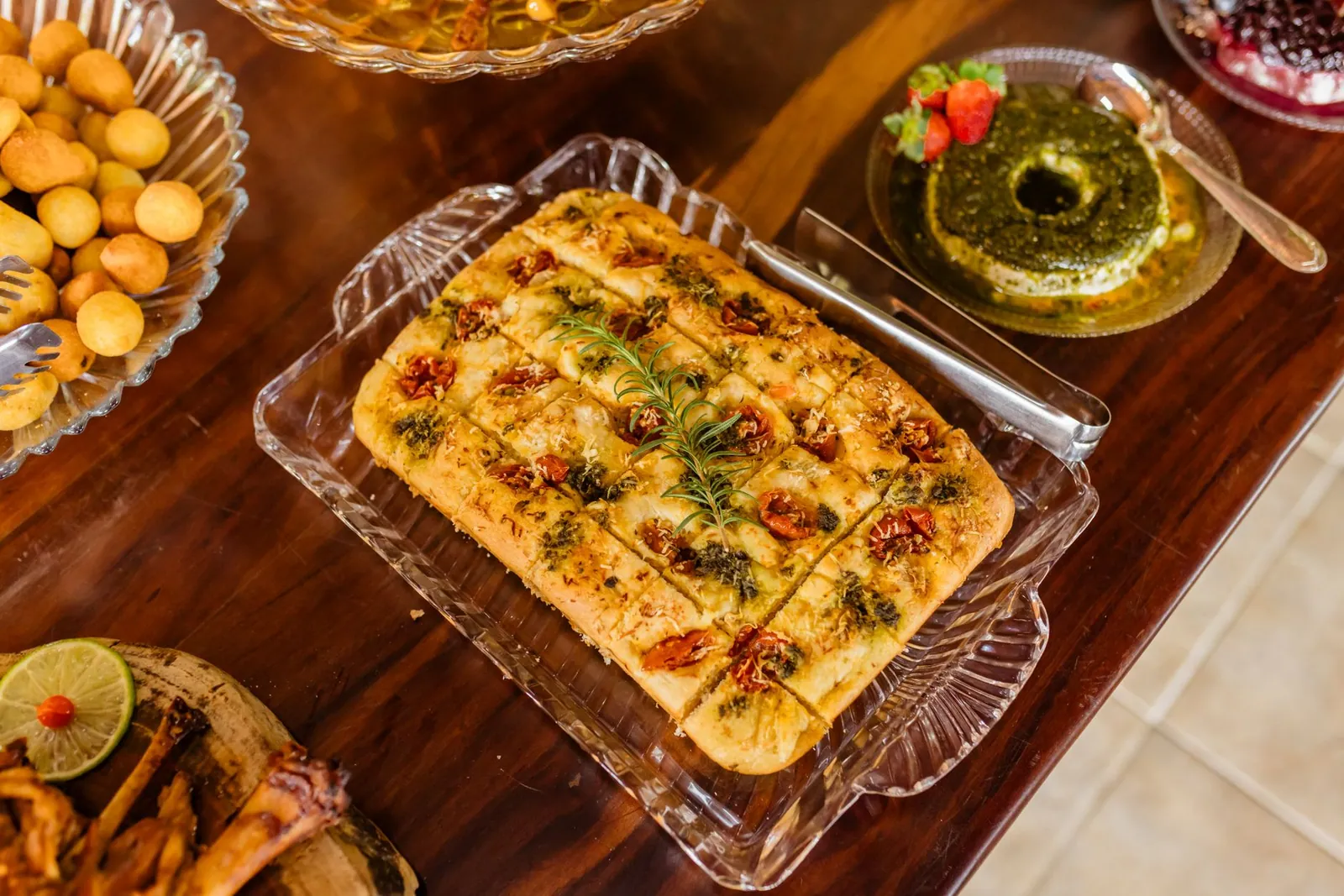
Focaccia con Olive
Liguria's best-loved bread: focaccia made with plenty of olive oil and olives, soft within and crisp without.
 Recipe
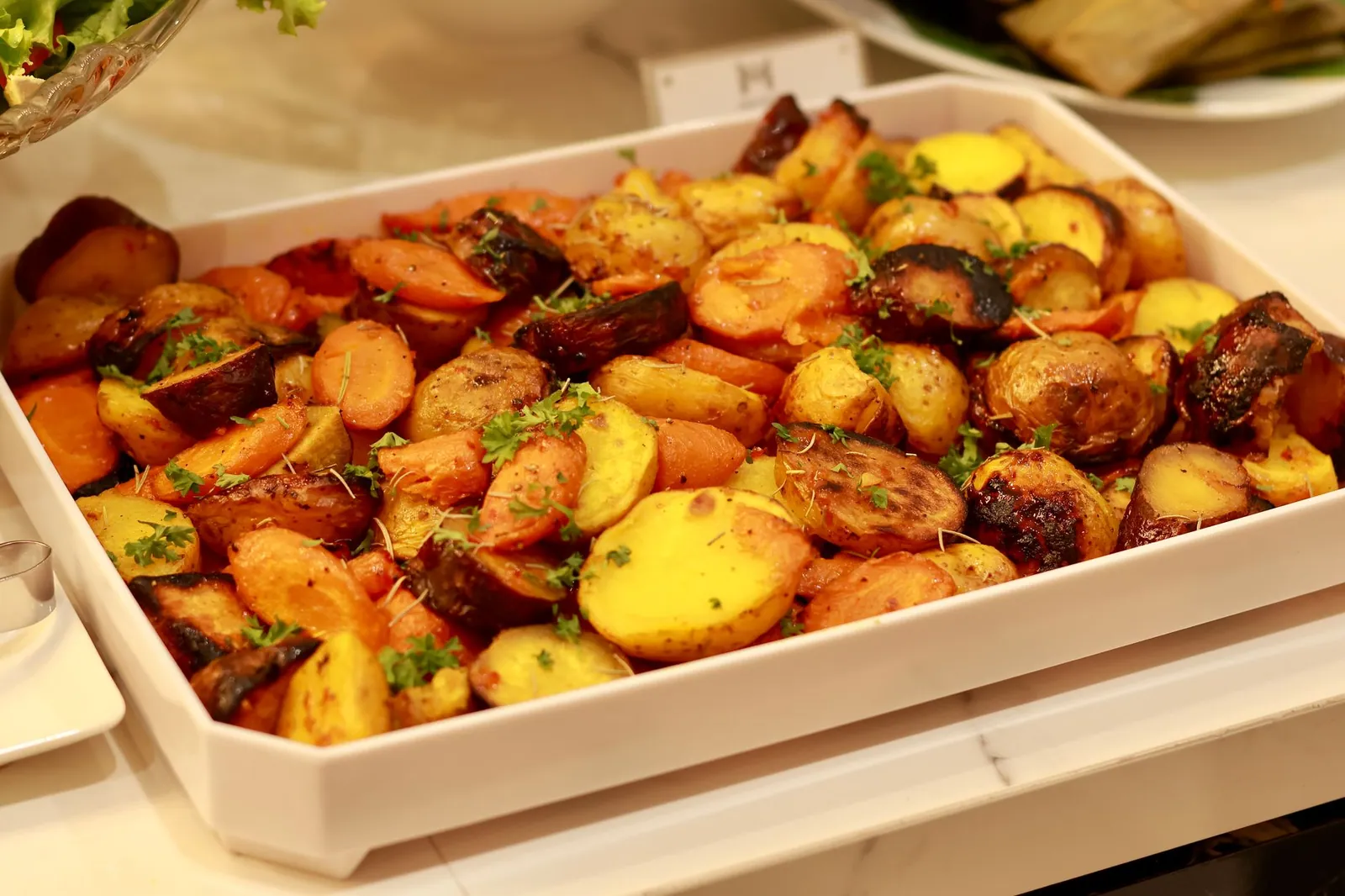
Roast Chicken Thighs with Olives
A one-tray dinner: chicken thighs, potatoes, olives and lemon roasted together.