Olive Brine Tonic (Non-alcoholic)
A savoury, alcohol-free take on the Dirty Martini: olive brine, tonic and lemon.
- Time
- 5 minutes
- Serves
- 1 glass
- Level
- Easy
- Cuisine
- Non-alcoholic
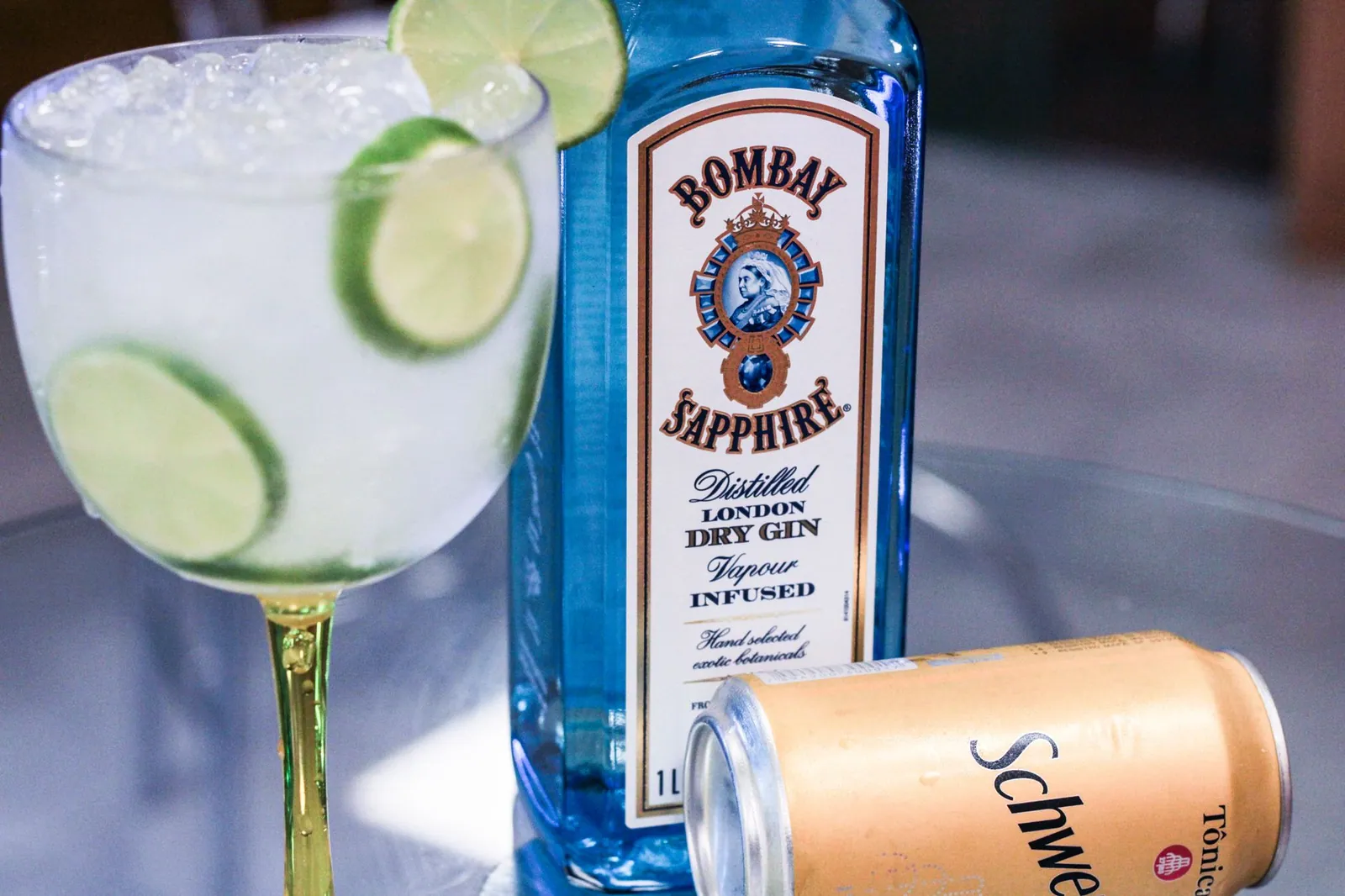
This recipe is a plain example of an idea that has taken hold in bars in recent years: turning what is thrown away into an ingredient. The liquid in an olive jar usually goes down the sink, yet it holds salt, lactic acid and fermentation aromas — precisely the salinity and acidity a drink needs, already made.
The result is a non-sweet, non-alcoholic drink. Most alcohol-free options are fruity and sugary; this one moves in a salty-sour direction, and that is exactly why it works alongside food.
Directions
- Fill the glass with ice.
- Add the olive brine and lemon juice and stir with a spoon.
- Pour the tonic slowly down the side of the glass so it keeps its fizz.
- Clap the thyme sprig once between your palms and drop it in.
- Set the olives on a pick across the rim.
Tips & storage
Brine varies widely in saltiness between brands. Start with 10 ml the first time and adjust to taste — the only real variable in this recipe.
Straining is essential. Jar liquid carries fragments of olive and sometimes pieces of stone. Use a fine sieve or a coffee filter.
Pour the tonic slowly, down the side. Poured into the middle it loses its gas within seconds. Down the side of a tilted glass.
Squeeze the thyme, don't muddle it. A single squeeze in the palm releases the volatile oils; muddling also draws out bitter green flavours.
Tonic or soda? Tonic contains quinine and sugar and gives a bittersweet base. Soda is neutral and leaves the salt of the brine more exposed. If you want it sugar-free, use soda.
Keep the leftover brine. Strained, it holds two weeks in a sealed bottle in the fridge, and is useful in salad dressings and marinades too.
One rating per visitor; you can change yours at any time. Ratings are real reader votes — no seeded or default scores.
Related
 Recipe
Şevketibostan (Gundelia) in Olive Oil
The most laborious and most loved winter green of the Aegean: the thorns are trimmed away, the stems held in lemon water, then cooked slowly in olive oil.
Recipe
Şevketibostan (Gundelia) in Olive Oil
The most laborious and most loved winter green of the Aegean: the thorns are trimmed away, the stems held in lemon water, then cooked slowly in olive oil.
 Recipe
Green Beans in Olive Oil
The most classic of the Turkish olive-oil dishes: green beans cooked down with tomato and onion, eaten cool.
Recipe
Green Beans in Olive Oil
The most classic of the Turkish olive-oil dishes: green beans cooked down with tomato and onion, eaten cool.
 Recipe
Cracked Green Olives, Cured at Home
The first job of the harvest season: the classic home method that cracks green olives and draws out their bitterness with water in ten to fifteen days.
Recipe
Cracked Green Olives, Cured at Home
The first job of the harvest season: the classic home method that cracks green olives and draws out their bitterness with water in ten to fifteen days.
 Recipe
Purslane in Olive Oil
Summer's lightest olive-oil dish: purslane cooked with rice, eaten with garlic yoghurt.
Recipe
Purslane in Olive Oil
Summer's lightest olive-oil dish: purslane cooked with rice, eaten with garlic yoghurt.