Geographical Indication Olives and Olive Oils of Turkey
Türkiye's registered olive and olive oil geographical indications: which product, which locality, under what conditions — and what registration means.
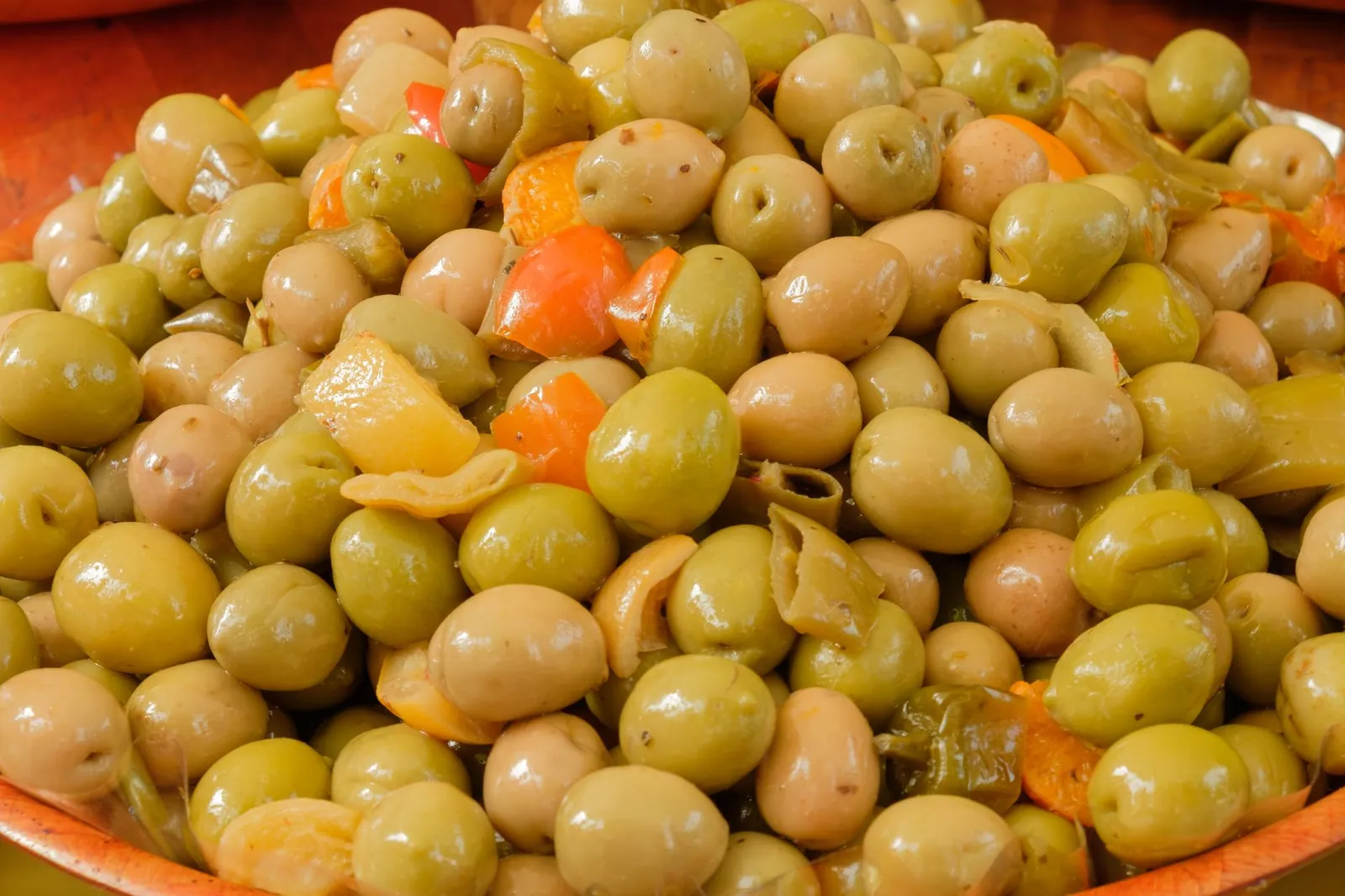
When the name of a product has become identified with the place it comes from, and carries qualities specific to that place, it can be registered as a geographical indication. In Turkey this registration is handled by TÜRKPATENT. Olives and olive oil are among the product groups with the highest number of such registrations — because variety, climate and soil directly shape the taste of the oil.
Two types, and the difference matters
Designation of origin (menşe adı). All stages of production — raw material, processing, preparation — must take place within the stated geographical area, and the product's qualities must derive exclusively from that place's natural and human factors. Oil bearing the name "Ayvalık Zeytinyağı" must have its olives from Ayvalık and be pressed there.
Geographical indication (mahreç işareti). At least one stage of production takes place in the stated area; the product is identified with the place, but the raw material may come from elsewhere. It is the more flexible protection.
This distinction determines how binding the label on the shelf actually is: a designation of origin is the narrower, stricter commitment.
Registered olive and olive oil indications
| Product | Type | Reg. no | Registered | Registrant | Area |
|---|---|---|---|---|---|
| Gemlik Zeytini | Designation of origin | 76 | 03.10.2005 | Gemlik Commodity Exchange | Bursa · Gemlik |
| Ayvalık Zeytinyağı | Designation of origin | 88 | 11.06.2007 | Ayvalık Chamber of Commerce | Balıkesir · Ayvalık |
| Milas Zeytinyağı | Designation of origin | 201 | 06.12.2016 | Milas Chamber of Commerce and Industry | Muğla · Milas |
| Mut Zeytinyağı | Designation of origin | 367 | 17.07.2018 | Mut Chamber of Commerce and Industry | Mersin · Mut |
| Kuzey Ege Zeytinyağları | Geographical indication | 392 | 14.11.2018 | S.S. Tariş Olive and Olive Oil Agricultural Sales Cooperatives Union | İzmir and northern Aegean |
| Milas Yağlı Zeytini | Designation of origin | 446 | 28.08.2019 | Milas Chamber of Commerce and Industry | Muğla · Milas |
⚠ Mut Zeytinyağı was also registered in the European Union in July 2025, becoming the 37th Turkish product protected there. National and EU registration are separate procedures: the first protects the name in Türkiye, the second in the EU market.
⚠ This list is not exhaustive. The five records above were verified by opening the individual registration pages on the TÜRKPATENT portal. Other olive-related registrations exist; we do not list records we could not verify. For the current and complete list, use the Geographical Indications Portal.
European Union registration
Geographical indication protection is national; for it to apply elsewhere, registration is needed there too. Among Turkey's products registered at EU level are Milas Zeytinyağı and Gemlik Zeytini. EU registration means the name is protected within the Union and provides legal grounds against imitation — a concrete asset for export.
What it means for the buyer
A geographical indication is not a quality grade but a guarantee of identity. It says:
- The product comes from the place whose name it bears
- The production method defined in the registration has been followed
- It is subject to inspection; using the emblem without authorisation carries legal liability
It does not say that the oil is extra virgin, that its acidity is low, or that it was harvested early. Those are separate measures — see grades and acidity. A registered oil will still spoil if stored badly; storage rules still apply.
How to verify a label
1. Look for the geographical indication emblem and the registered name on the packaging.
2. Search the name on the portal: registration number, type and registrant appear.
3. The registrant is usually a chamber of commerce, exchange or cooperative union — not the producing company. That is normal; the indication is a shared asset, not one firm's trademark.
Why it matters
Turkey long exported bulk olive oil and watched it bottled elsewhere. Added value stays with the product that has a name and an identity. A geographical indication lifts a region's oil out of anonymous commodity status and lets it be sold under its own name — precisely the direction the Ayvalık and Edremit belt has taken in recent years.
Source
Registration details are taken from the record pages of the TÜRKPATENT Geographical Indications Portal. Every entry on this page was verified by opening its registration page.
One rating per visitor; you can change yours at any time. Ratings are real reader votes — no seeded or default scores.
Related
 Article
Olive growing in Marmara: the home of the table olive
The table olive's home is not the Aegean but Marmara: 80% of the region's crop is Gemlik. The reason is climate.
Article
Olive growing in Marmara: the home of the table olive
The table olive's home is not the Aegean but Marmara: 80% of the region's crop is Gemlik. The reason is climate.
 Article
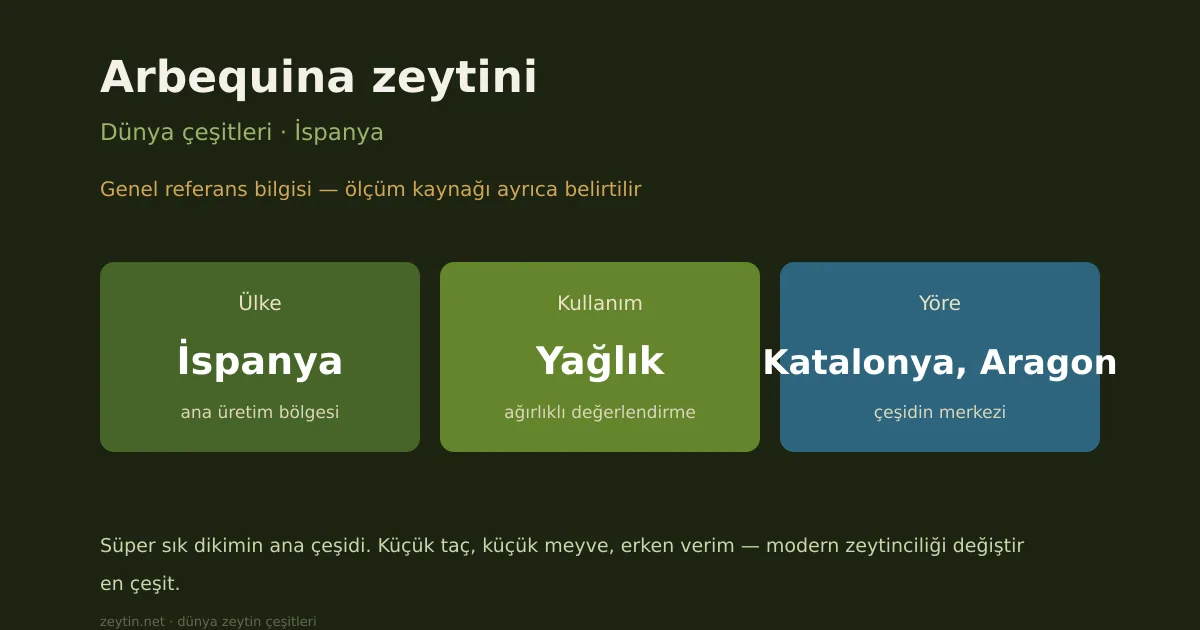
Arbequina olive: Spain's oil variety
The mainstay of super-high-density planting. Small canopy, small fruit, early bearing — the variety that changed modern olive growing.
Article
Arbequina olive: Spain's oil variety
The mainstay of super-high-density planting. Small canopy, small fruit, early bearing — the variety that changed modern olive growing.
 Article
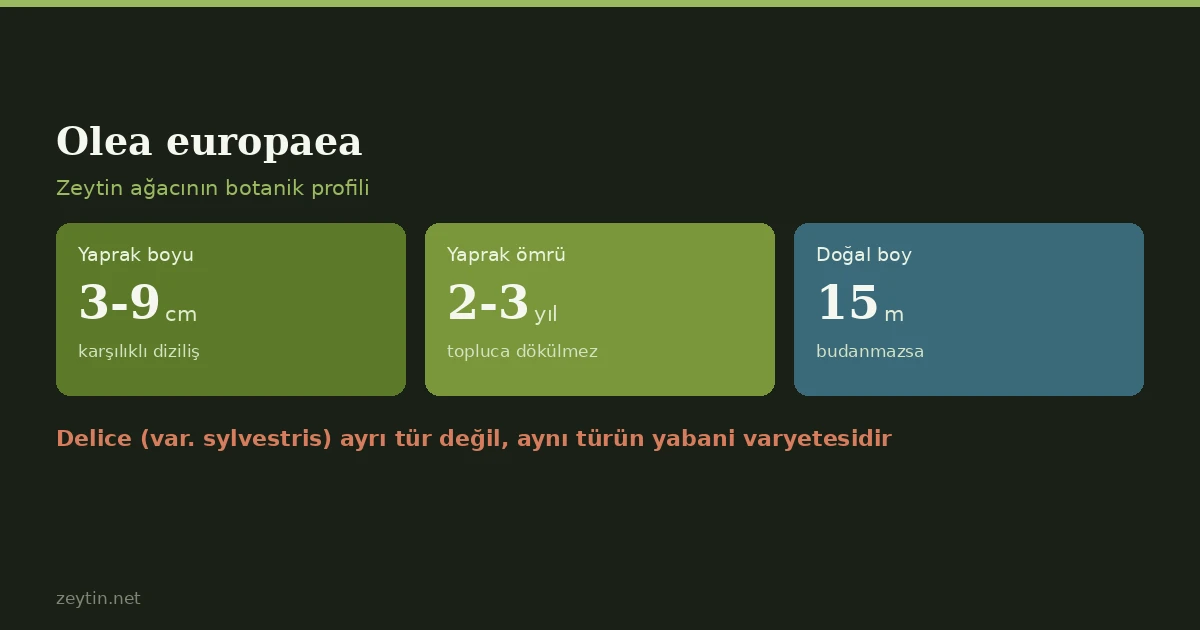
Olea europaea: the botany of the olive tree
The olive's scientific name and classification, why its leaves are silver, its floral structure, the layers of its fruit, its root system and lifespan — and how the wild oleaster relates to the orchard olive.
Article
Olea europaea: the botany of the olive tree
The olive's scientific name and classification, why its leaves are silver, its floral structure, the layers of its fruit, its root system and lifespan — and how the wild oleaster relates to the orchard olive.
 Article
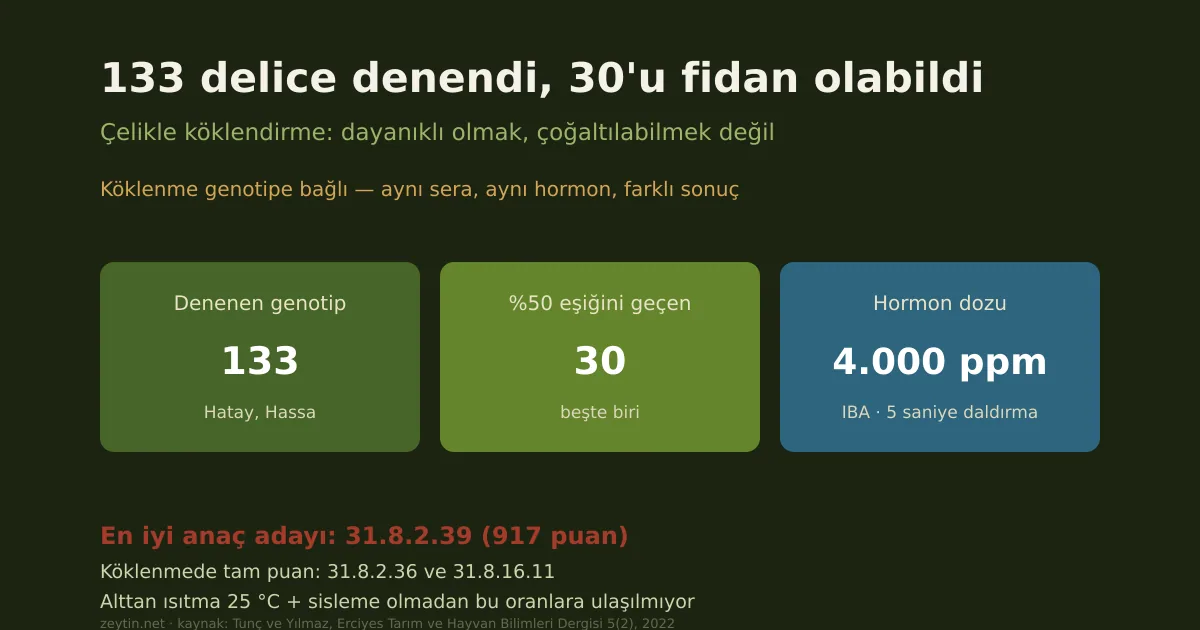
Rooting olive cuttings: 30 of 133 wild olives made it
In Hassa, Hatay, 133 wild olive genotypes were rooted from cuttings and only 30 cleared the 50% threshold. Rooting depends on the genotype, not the technique.
Article
Rooting olive cuttings: 30 of 133 wild olives made it
In Hassa, Hatay, 133 wild olive genotypes were rooted from cuttings and only 30 cleared the 50% threshold. Rooting depends on the genotype, not the technique.