Cracked Green Olives, Cured at Home
The first job of the harvest season: the classic home method that cracks green olives and draws out their bitterness with water in ten to fifteen days.
- Time
- 10-15 days
- Serves
- 2 kg (about 8 jars)
- Level
- Easy
- Cuisine
- Turkish
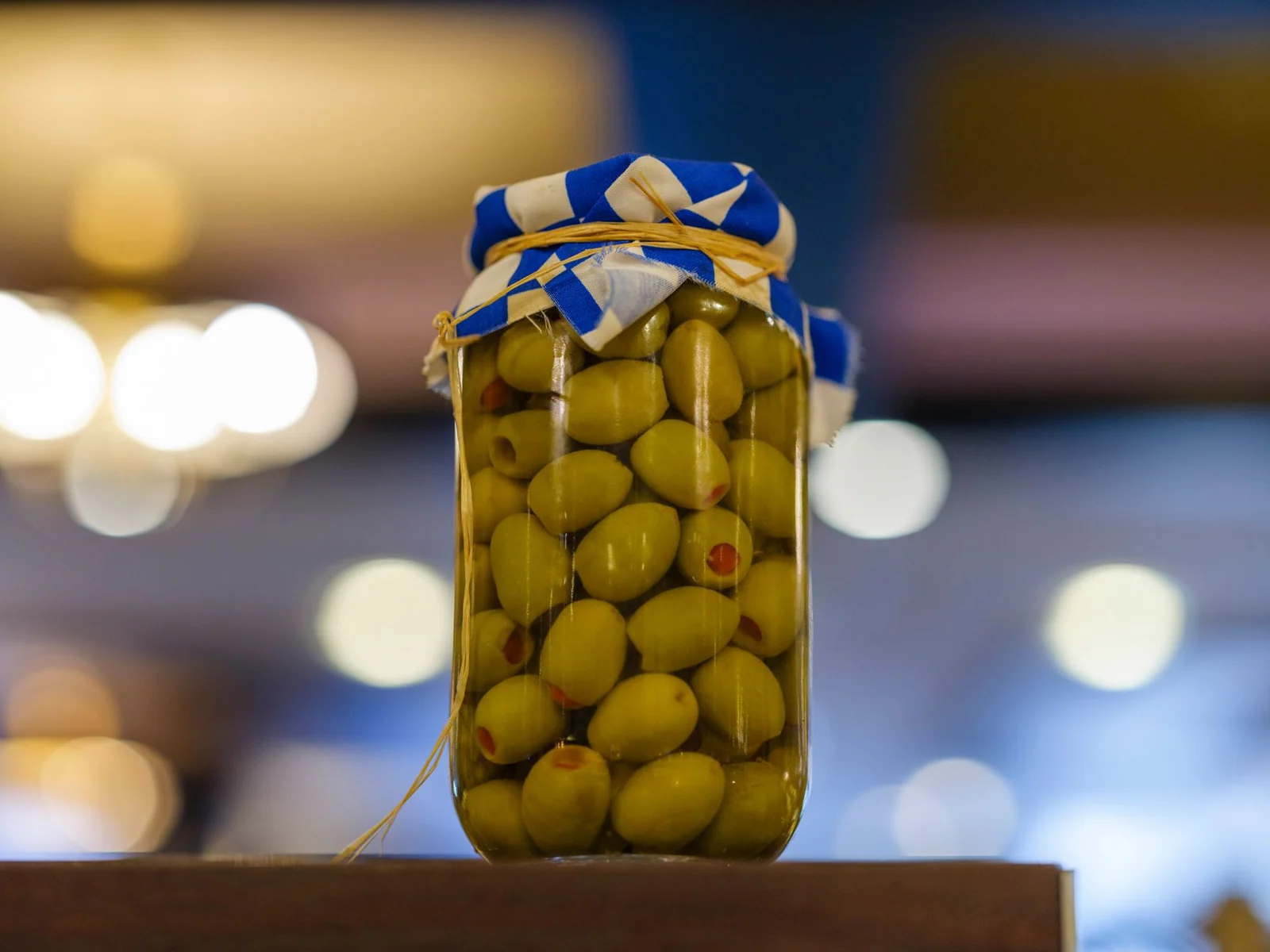
Cracking is the quickest and most forgiving way to cure olives at home. Splitting the fruit lets oleuropein, the compound responsible for the bitterness, pass into the water far faster; a process that takes months with whole olives comes down to ten or fifteen days.
The season runs from September to November. Green olives are used straight off the tree, before they begin to turn colour — which is why this recipe is only possible for a few weeks a year. We have written separately about which methods exist and why olives are bitter in the first place: how olives are cured.
The variety decides the result: fleshy, large-fruited table varieties take well to cracking, while small oil varieties fall apart. The page on table olive varieties shows which variety suits which purpose.
Directions
- Sort the olives: discard any that are wrinkled, rotten or worm-damaged. Use only firm, sound, unbruised fruit.
- Crack each olive with a single blow from a wooden mallet or a flat stone — the flesh should split, the stone should not break.
- Put the cracked olives in a wide container, cover with cold water and hold them under with a plate.
- Change the water completely once a day. This stage takes ten to fifteen days.
- From the seventh day, taste one olive daily. Stop soaking as soon as the bitterness has fallen to a level you accept.
- Make the brine: dissolve 100 g of rock salt in 1 litre of water (10%).
- Drain the olives and pack them into jars, layering in the lemon slices, garlic, thyme and coriander.
- Pour the brine over until the olives are completely covered.
- Float a finger's depth of olive oil on top — this cuts off contact with air and prevents mould.
- Seal the jars, leave them somewhere cool and dark for a week, then move them to the fridge.
Tips & storage
⚠ Do not attempt the lye or ash method at home. Commercial producers remove bitterness with sodium hydroxide; the wrong concentration or incomplete rinsing carries a real risk of burns and poisoning. For home use the right route is water and salt — slower, but safe.
Change the water genuinely every day. Water left standing ferments, sours and spoils the olives. Keep the container somewhere cool.
The olives must stay submerged. Any that float meet the air and go mouldy. Put a plate on top and a clean weight on the plate.
Do not compromise on the salt. Brine below 10% is open to spoilage. Without a hydrometer, use the egg test: a washed raw egg floated in the brine should show an area the size of a coin above the surface.
Do not use metal lids. Salt oxidises metal. Use glass jars with plastic or coated lids.
The layer of oil on top is not optional. Skipping it is the most common cause of mould.
Storage. Unopened, six months somewhere cool and dark; once opened, two months in the fridge. If you see mould on the surface, do not eat from that jar.
One rating per visitor; you can change yours at any time. Ratings are real reader votes — no seeded or default scores.
Related
 Recipe
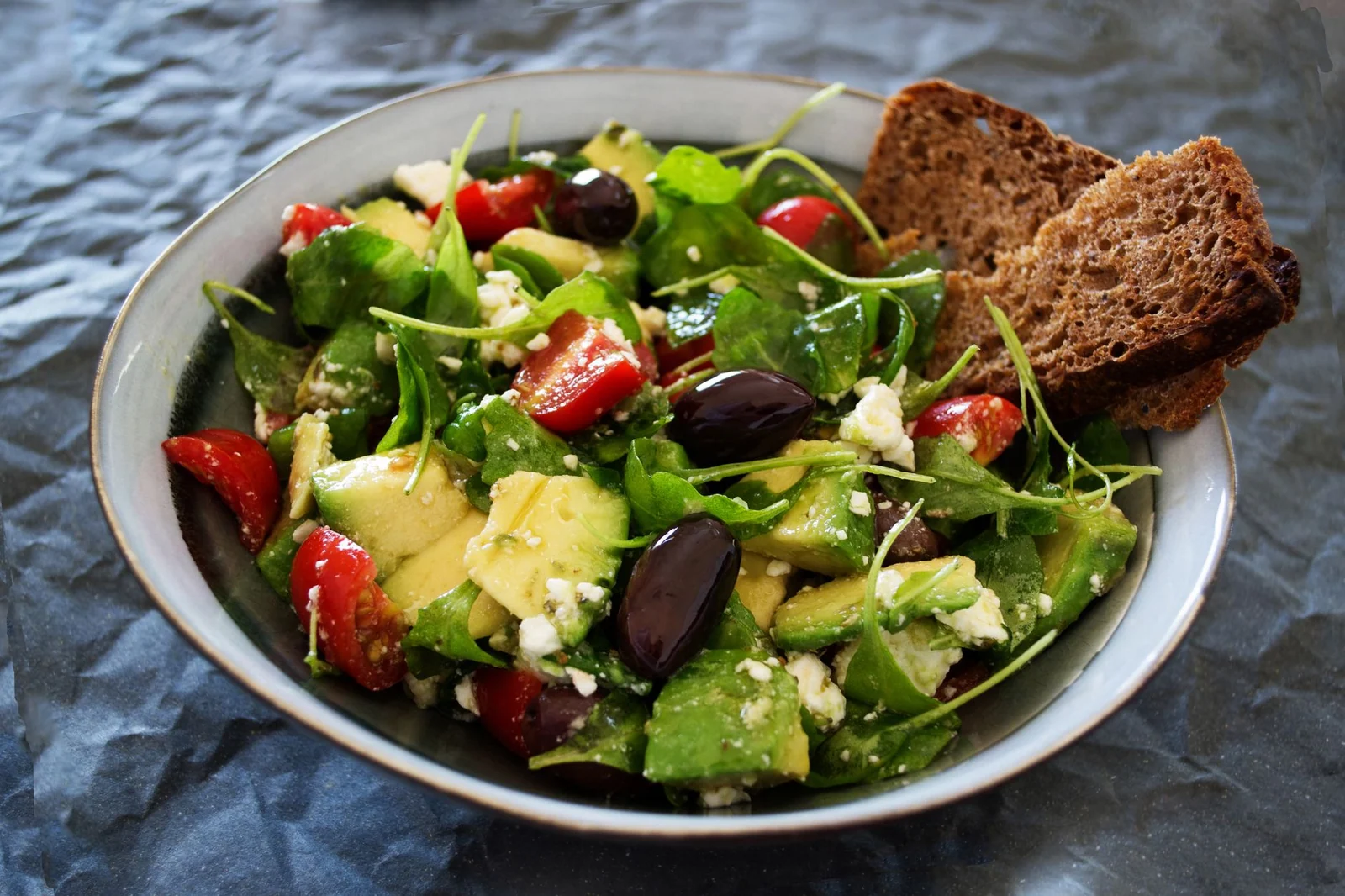
Şevketibostan (Gundelia) in Olive Oil
The most laborious and most loved winter green of the Aegean: the thorns are trimmed away, the stems held in lemon water, then cooked slowly in olive oil.
Recipe
Şevketibostan (Gundelia) in Olive Oil
The most laborious and most loved winter green of the Aegean: the thorns are trimmed away, the stems held in lemon water, then cooked slowly in olive oil.
 Recipe
Olive Oil Whisky Sour
A modern recipe that brings olive oil into a cocktail: the oil is combined with whisky in the cold, then strained off.
Recipe
Olive Oil Whisky Sour
A modern recipe that brings olive oil into a cocktail: the oil is combined with whisky in the cold, then strained off.
 Recipe
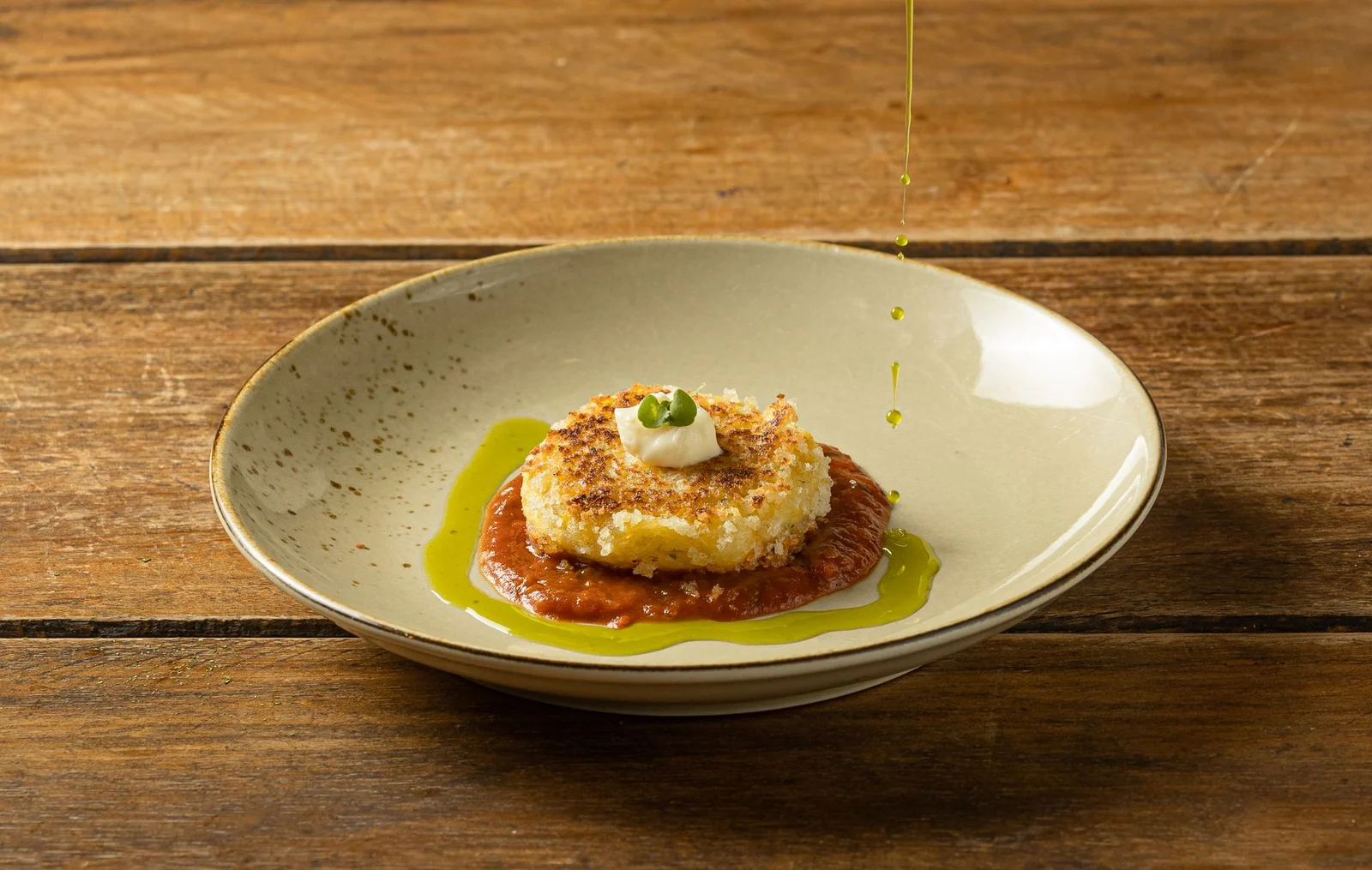
Courgette Fritters with Olives
A salty layer added to the classic fritter: chopped black olives. The secret is getting all the water out of the courgette.
Recipe
Courgette Fritters with Olives
A salty layer added to the classic fritter: chopped black olives. The secret is getting all the water out of the courgette.
 Recipe
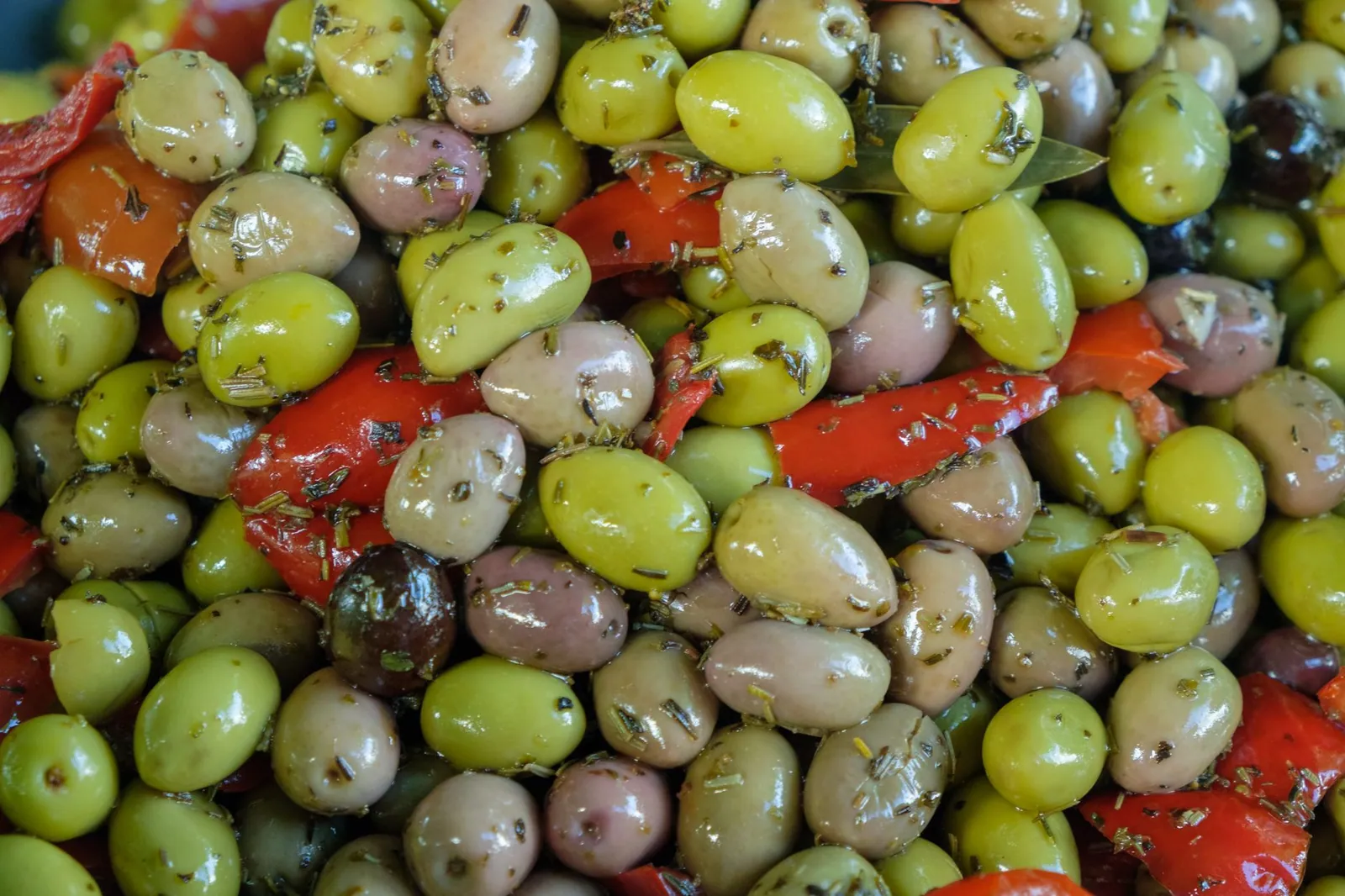
Marinated Olives
The easiest way to turn plain brined olives into a meze overnight: olive oil, lemon zest, garlic and oregano.
Recipe
Marinated Olives
The easiest way to turn plain brined olives into a meze overnight: olive oil, lemon zest, garlic and oregano.