Table Olives: Types, Curing and How to Choose
From green to black, cracked to dry-cured: how table olives are made, chosen and kept.
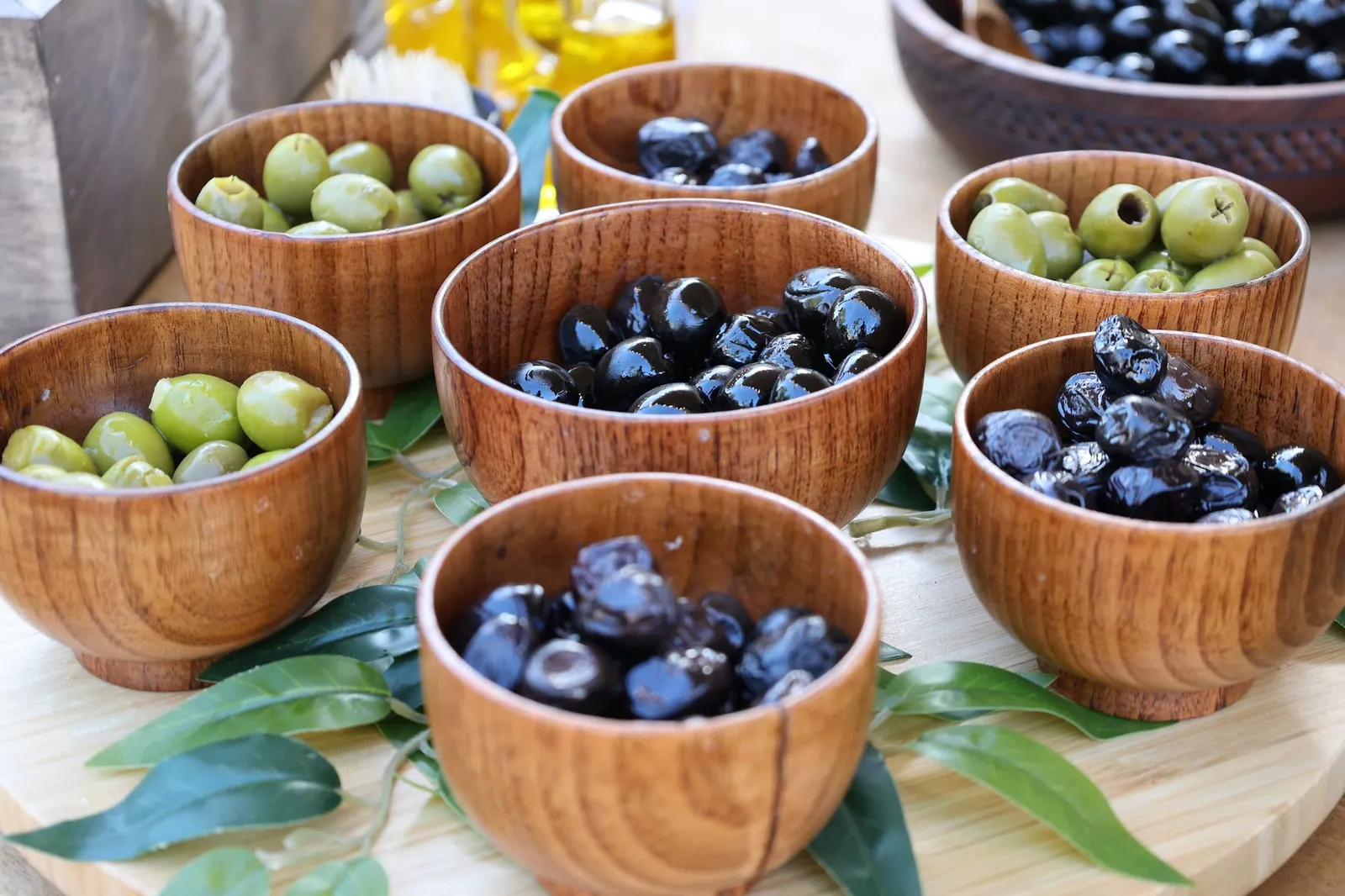
Table olives are the part of the olive crop that does not go to oil — and Turkey ranks first in the world here, with 700,000 tonnes produced in the 2024 season.
Oil varieties versus table varieties
Same tree, different varieties and harvest. What a table olive needs:
- Large fruit with a high flesh ratio — the more flesh relative to the stone, the better
- Firm texture — fruit that does not collapse in brine
- A stone that separates easily — essential for stuffing
In oil varieties, oil content decides; the fruit may be small. See olive varieties and table olive varieties.
How they are classified
| Criterion | Distinction |
|---|---|
| Ripeness | Green · turning (pink) · black |
| Curing method | Water · brine · dry salt · lye (Spanish style) · natural fermentation (Greek style) |
| Processing | Whole · scored · cracked · pitted · stuffed |
| Size | Calibre — given as count per kilogram (e.g. 201-230) |
Calibre appears on the label as count per kilo: the smaller the number, the larger the fruit.
How the bitterness goes
Raw olives are inedible because of oleuropein. The polyphenol is water-soluble, so olives are cured in water, brine, dry salt or lye. The method shows directly in taste and texture — see how olives are cured.
⚠ In a table olive the bitterness never disappears entirely, and it should not; a faint bitterness marks a good one.
What to look for when buying
The ingredients list. Olives, water, salt — plus vinegar, lemon or spices if used. If ferrous gluconate (E579) appears, the olives were darkened chemically. See black versus green olives.
Sodium. Brined olives can carry around 1000 mg of sodium per 100 grams, varying widely by brand and method. It matters for anyone watching blood pressure.
Clarity of the brine. Cloudy, foaming or sour-smelling brine is not wanted.
Texture. Olives that collapse under a finger have been kept too long or over-processed.
Storage
- Olives must stay under the brine at all times; any fruit that floats will mould
- Once opened, keep the jar refrigerated
- A finger of olive oil on top of the jar seals off the air
- Too salty? Soak and rinse in cold water before eating
Nutrition
Though served as a fruit, table olives belong to the fatty foods group: a medium olive is about 4-5 calories. Five to ten a day is a commonly cited, reasonable range. See the nutritional profile of olives.
In the kitchen
Table olives are not only for breakfast: olive spread, tapenade, olive bread, roast chicken with olives and marinated olives — all in the recipes section.
One rating per visitor; you can change yours at any time. Ratings are real reader votes — no seeded or default scores.
Related
 Article
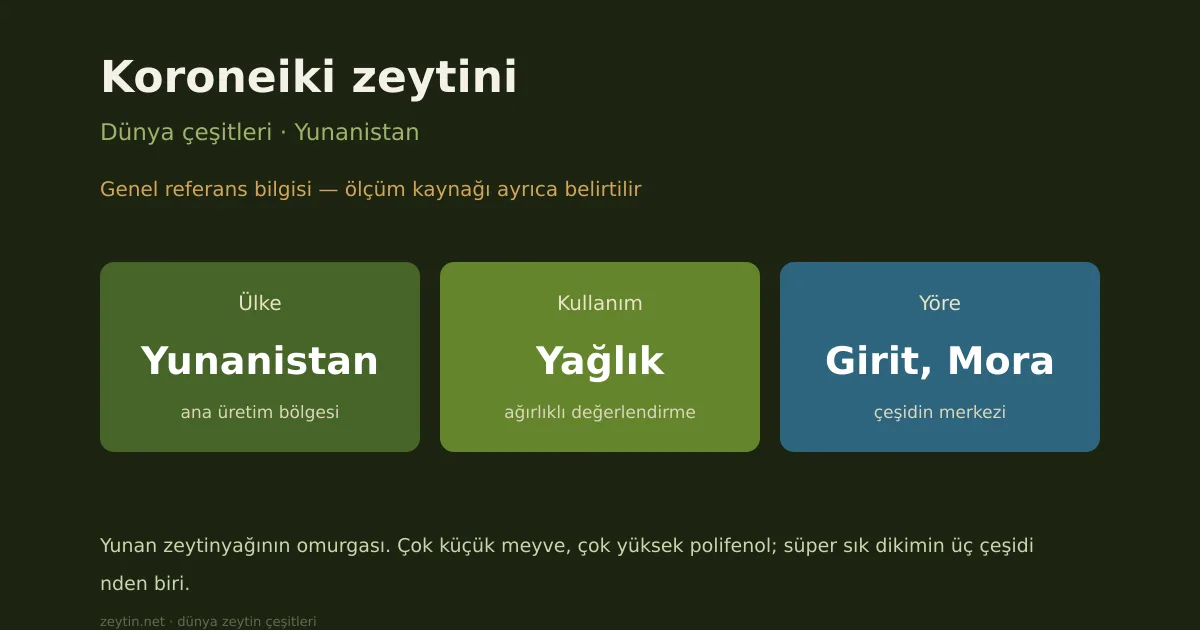
Koroneiki olive: Greece's oil variety
The backbone of Greek olive oil. Very small fruit, very high polyphenol content, and one of the three super-high-density varieties.
Article
Koroneiki olive: Greece's oil variety
The backbone of Greek olive oil. Very small fruit, very high polyphenol content, and one of the three super-high-density varieties.
 Article
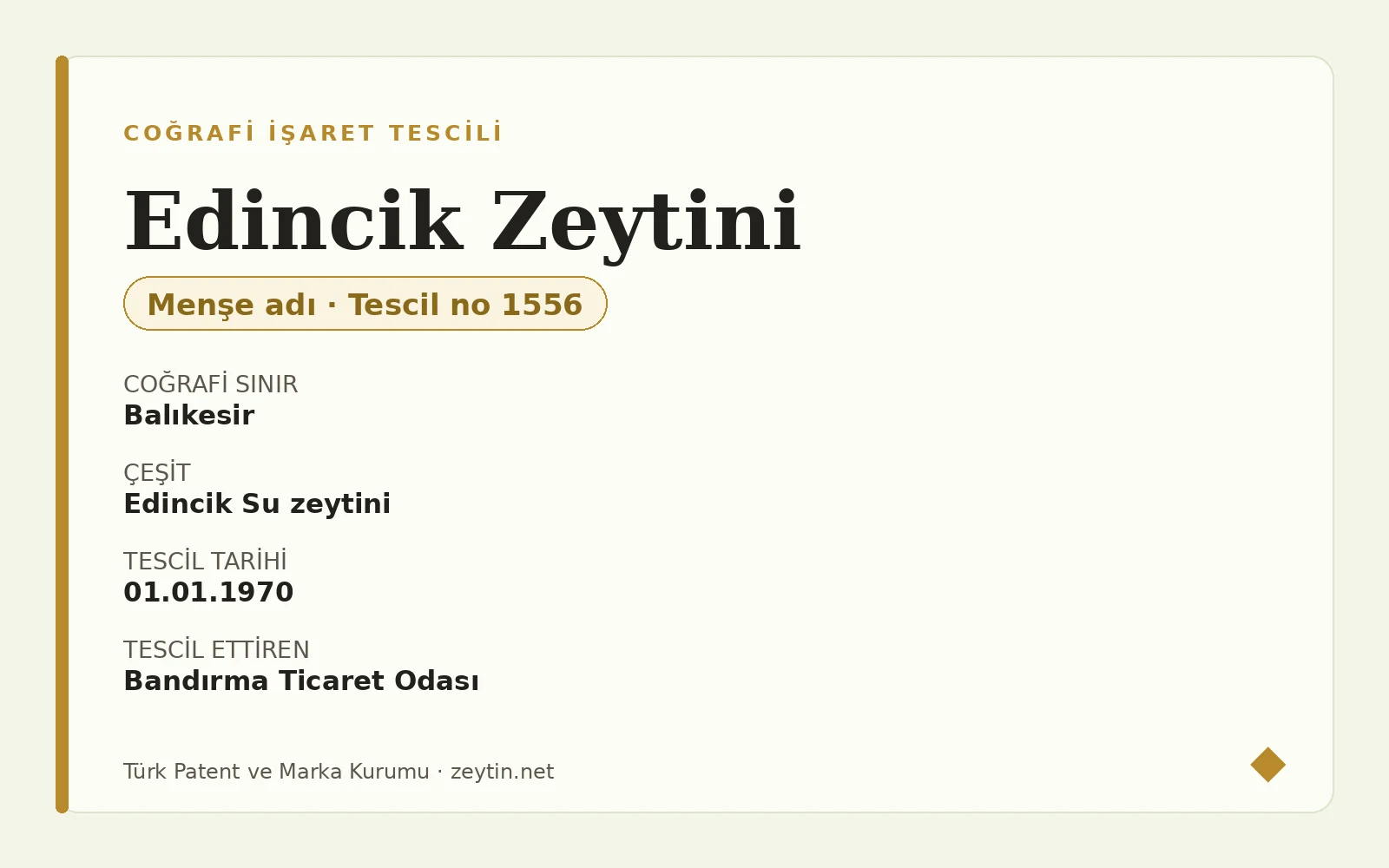
Edincik Olive: high water content makes it a table olive
Registered in 2024. The certificate gives one reason why the cultivar goes to the table: high water content. Its volatiles include 1.5-25% ethyl acetate.
Article
Edincik Olive: high water content makes it a table olive
Registered in 2024. The certificate gives one reason why the cultivar goes to the table: high water content. Its volatiles include 1.5-25% ethyl acetate.
 Article
How to store olive spread: homemade, opened jars and freezing
Homemade olive spread is kept in the fridge in a clean glass jar, covered with a thin layer of olive oil, and eaten within about a week. For opened shop-bought jars, the time on the label applies. Spread with garlic or fresh herbs should never be left at room temperature.
Article
How to store olive spread: homemade, opened jars and freezing
Homemade olive spread is kept in the fridge in a clean glass jar, covered with a thin layer of olive oil, and eaten within about a week. For opened shop-bought jars, the time on the label applies. Spread with garlic or fresh herbs should never be left at room temperature.
 Article
Olive growing in Marmara: the home of the table olive
The table olive's home is not the Aegean but Marmara: 80% of the region's crop is Gemlik. The reason is climate.
Article
Olive growing in Marmara: the home of the table olive
The table olive's home is not the Aegean but Marmara: 80% of the region's crop is Gemlik. The reason is climate.