Oleocanthal and Polyphenols
Why does a good extra virgin oil sting the throat? That sensation is not a flaw but the mark of a measurable compound.
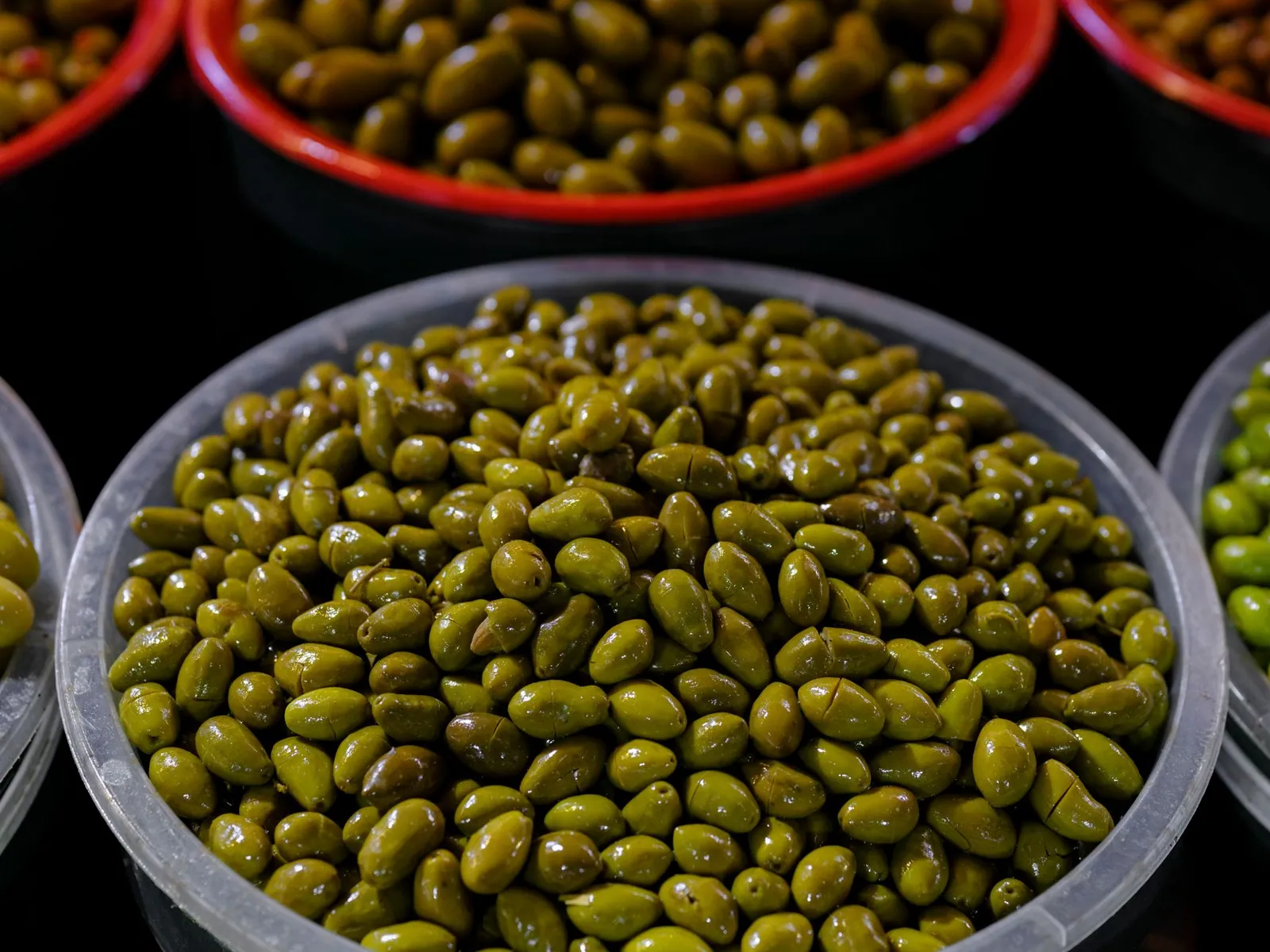
Most people attending an olive oil tasting for the first time are surprised by the same thing: a good extra virgin leaves a sharp sting at the back of the throat as it goes down, sometimes making you cough. Tasters do not treat this as a defect; it is one of the signs they look for.
What causes the sting?
The compound behind it is called oleocanthal. Identified in 2005, it stimulates the same nerve endings in the mouth that ibuprofen does — which is why the sensation resembles that of a liquid painkiller. In tasting language, oils are graded "light / medium / intense" in pungency according to how much oleocanthal they carry.
Oleocanthal does not occur alone but within a family of polyphenols:
- Oleuropein — the compound responsible for the bitterness of the olive fruit
- Hydroxytyrosol — the basis of EFSA's authorised health claim
- Tyrosol
- Oleacein
Why do some oils have it and others not?
Polyphenol content is not fixed; it depends on several things.
Harvest timing. Oil from early-harvested, still-green olives carries more polyphenols. Yield falls, but pungency and shelf stability rise. Late harvest gives a softer oil with fewer polyphenols.
Variety. Some olive cultivars are naturally richer in polyphenols.
Production method. Cold pressing keeps temperatures low; polyphenols are lost as heat rises. Refining destroys almost all of them — looking for oleocanthal in a riviera or refined oil is pointless.
Storage. Light, warmth and contact with air deplete polyphenols over time. A bottle two years old has lost much of the pungency it had when fresh.
What the authorised claim says
The wording permitted by the European Food Safety Authority is narrow and precise: olive oil polyphenols contribute to the protection of blood lipids from oxidative stress. To use the claim, a product must supply at least 5 mg of hydroxytyrosol and its derivatives per 20 g. Claims beyond that — "cures inflammation", "prevents disease" — are not authorised.
What use is this in practice?
It gives you a yardstick when buying. If the oil leaves a slight sharpness in your throat and smells of fresh grass or green apple, what you are holding is most likely a fresh extra virgin with its polyphenols intact. If it tastes flat and smells of nothing, the oil is either a refined blend or past its best.
The information on this page is general nutrition information and not medical advice.
One rating per visitor; you can change yours at any time. Ratings are real reader votes — no seeded or default scores.
Related
 Article
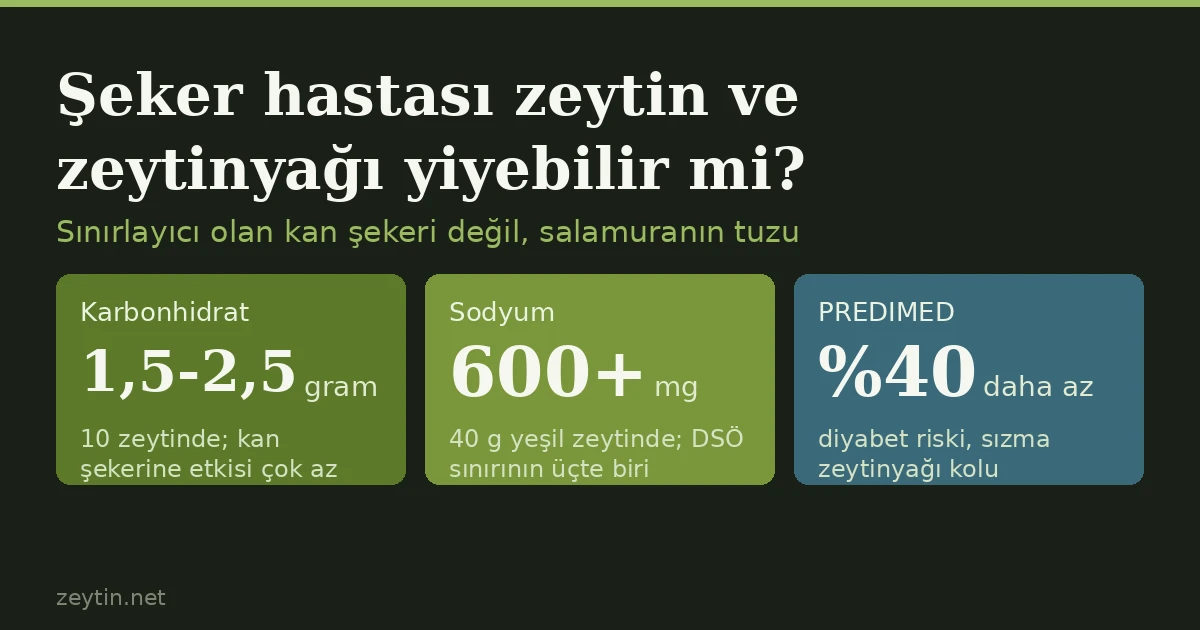
Can people with diabetes eat olives and olive oil?
It looks like one question but contains two: table olives and olive oil. Neither is off limits in type 2 diabetes; olives carry too little carbohydrate to measure a glycaemic index for, and oil carries none. The real limiting factor is not blood sugar but the salt in the brine.
 Article
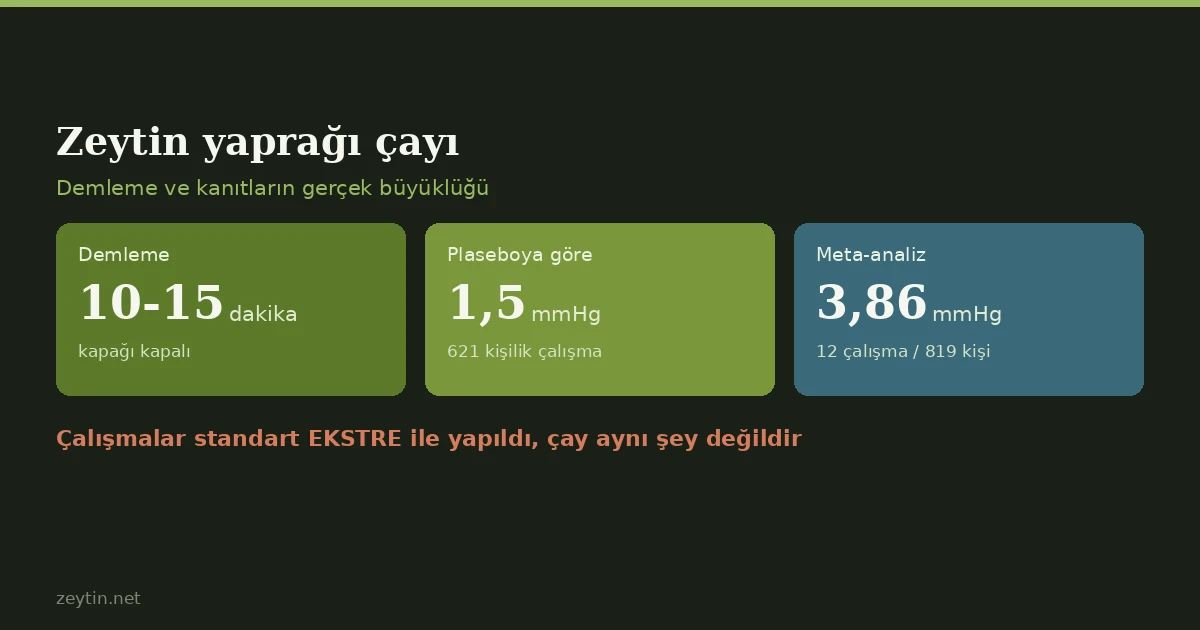
Olive leaf tea: how to make it and what the evidence says
The leaf carries oleuropein and other phenolics. Blood pressure trials show a modest effect, but all used standardised extracts — tea is not the same thing. Steeping, drying and cautions.
 Article
Does olive oil help with constipation? What the small controlled trials show
In a 140-person double-blind trial, two tablespoons a day of extra-virgin olive oil cut the constipation score from 11.27 to 3.47 in four weeks. What four trials did, what they could not show, and when to see a doctor.
 Article
How many calories are in olives? Nutrition and portion table
What is actually in an olive? Fat, fibre, iron, vitamin E — and the salt you should not ignore.