Sarı Haşebi olive: characteristics, oil content and growing areas
Hatay's local table variety, virtually unknown outside the region and part of Kuseyr Plateau olive growing.
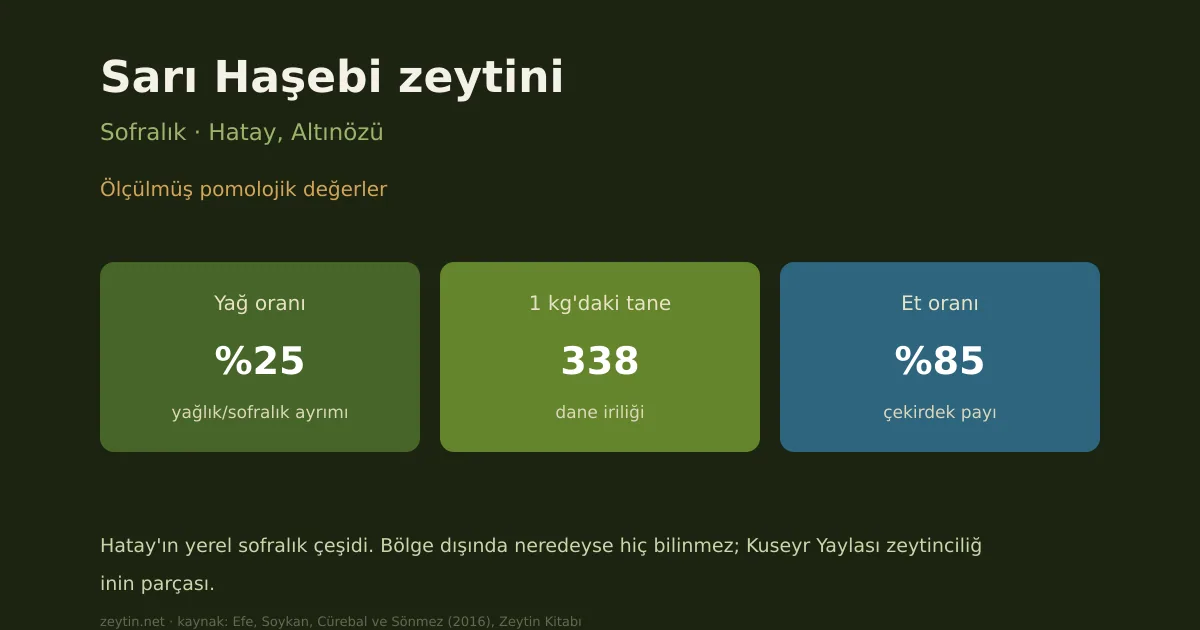
Sarı Haşebi is Hatay's local table variety, grown around Altınözü and almost unknown beyond the region — a good example of the quiet side of Türkiye's varietal wealth.
Sarı Haşebi in numbers
| Oil content | 25% |
| Fruits per kilo | 338 |
| Flesh ratio | 85% |
| Use | Table |
| Main areas | Hatay, Altınözü |
Source: Efe, Soykan, Cürebal and Sönmez (2016), Zeytin Kitabı. Fields the source leaves blank are shown as "—"; nothing has been estimated.
A balanced profile
Sarı Haşebi's measured values place it in the middle of the Hatay group on every axis rather than at an extreme — and that is itself the point.
Among the flesh ratios of Hatay cultivars: Mavi 92%, Halhallı 90-91%, Sayfi 89%, Karamani 88%, Saurani 87%, Sarı Haşebi 85-86%.
A cultivar without an extreme value has no single headline property, but neither does it carry a single weakness. In practice that means it can be sent to the mill or to the table depending on the year, without the grower committing to one line.
The cultivar landscape of Hatay
Cultivars originating in Hatay: Halhalı, Sarı Habeşi, Saurani, Sayfi, Karamani, Elmacık and As Topakaşı.
These local cultivars are not merely a matter of regional taste — they are a genetic reserve. Since three cultivars account for three quarters of Turkish production, a trait that may be needed later — drought tolerance, disease resistance — could be found among them.
Sarı Haşebi also appears in the blend registered as Altınözü Olive Oil, alongside Halhalı, Saurani and Karamani.
Where it stands among measured cultivars
Its position on each axis is shown live in the comparison strip on this page, against every cultivar with a published figure. For the full ranking — and how that ranking is built — see olive variety rankings.
In short
Sarı Haşebi is a balanced table variety at 25% oil and 85% flesh, medium-sized at 338 fruits per kilo. Its lack of commercial spread makes it fragile: local varieties that find no market stop being planted and quietly disappear.
The values here are measured pomological data; variety-specific phenology and pollination research is absent from the sources we hold.
Where it stands among measured varieties
çeşit sayfası
çeşit sayfası
Zeytin Kitabı — Efe, Soykan, Cürebal, Sönmez (2016), Kitabevi Yay. s.37-80
Zeytin Kitabı — Efe, Soykan, Cürebal, Sönmez (2016), Kitabevi Yay. s.37-80
Zeytin Kitabı — Efe, Soykan, Cürebal, Sönmez (2016), Kitabevi Yay. s.37-80
Values are those published on each variety's own page; the comparison covers only varieties with a measured figure, so it is a comparison of what is known — not of every Turkish variety. See the full ranking and how it is built →
One rating per visitor; you can change yours at any time. Ratings are real reader votes — no seeded or default scores.
Related
 Article
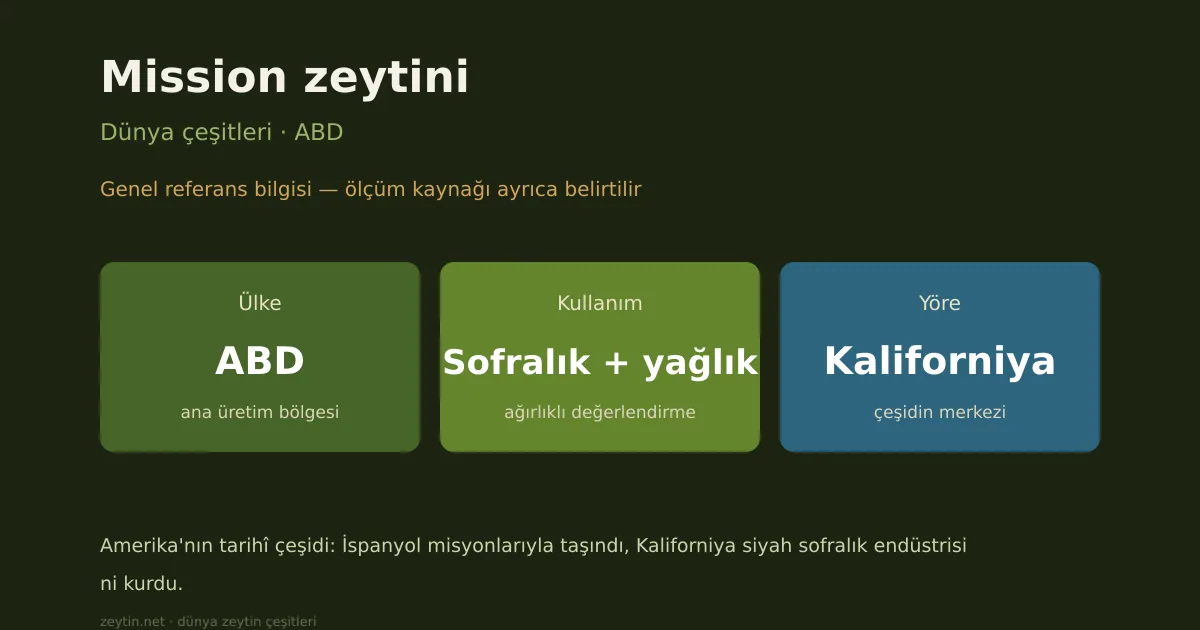
Mission olive: United States's table and oil variety
America's historic variety: carried by the Spanish missions, it built California's black table olive industry.
Article
Mission olive: United States's table and oil variety
America's historic variety: carried by the Spanish missions, it built California's black table olive industry.
 Article
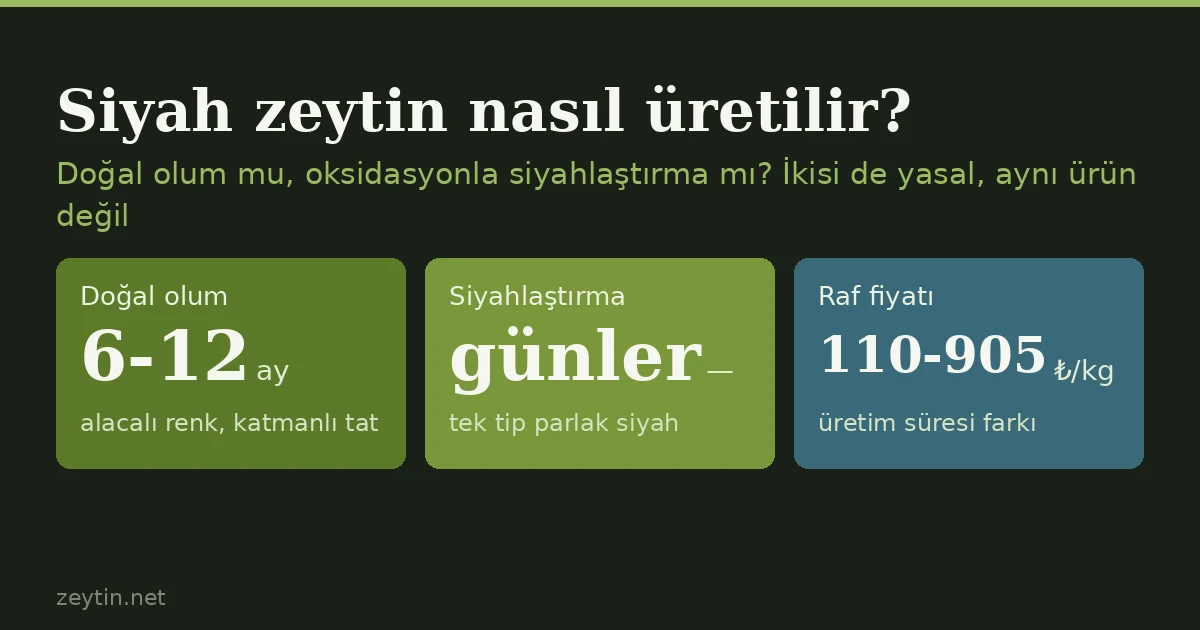
How are black table olives made? Natural ripening versus blackening
Two different black olives sit on the shelf: ripened on the tree and brined, or picked green and blackened by oxidation. Both lawful, but not the same product.
Article
How are black table olives made? Natural ripening versus blackening
Two different black olives sit on the shelf: ripened on the tree and brined, or picked green and blackened by oxidation. Both lawful, but not the same product.
 Article
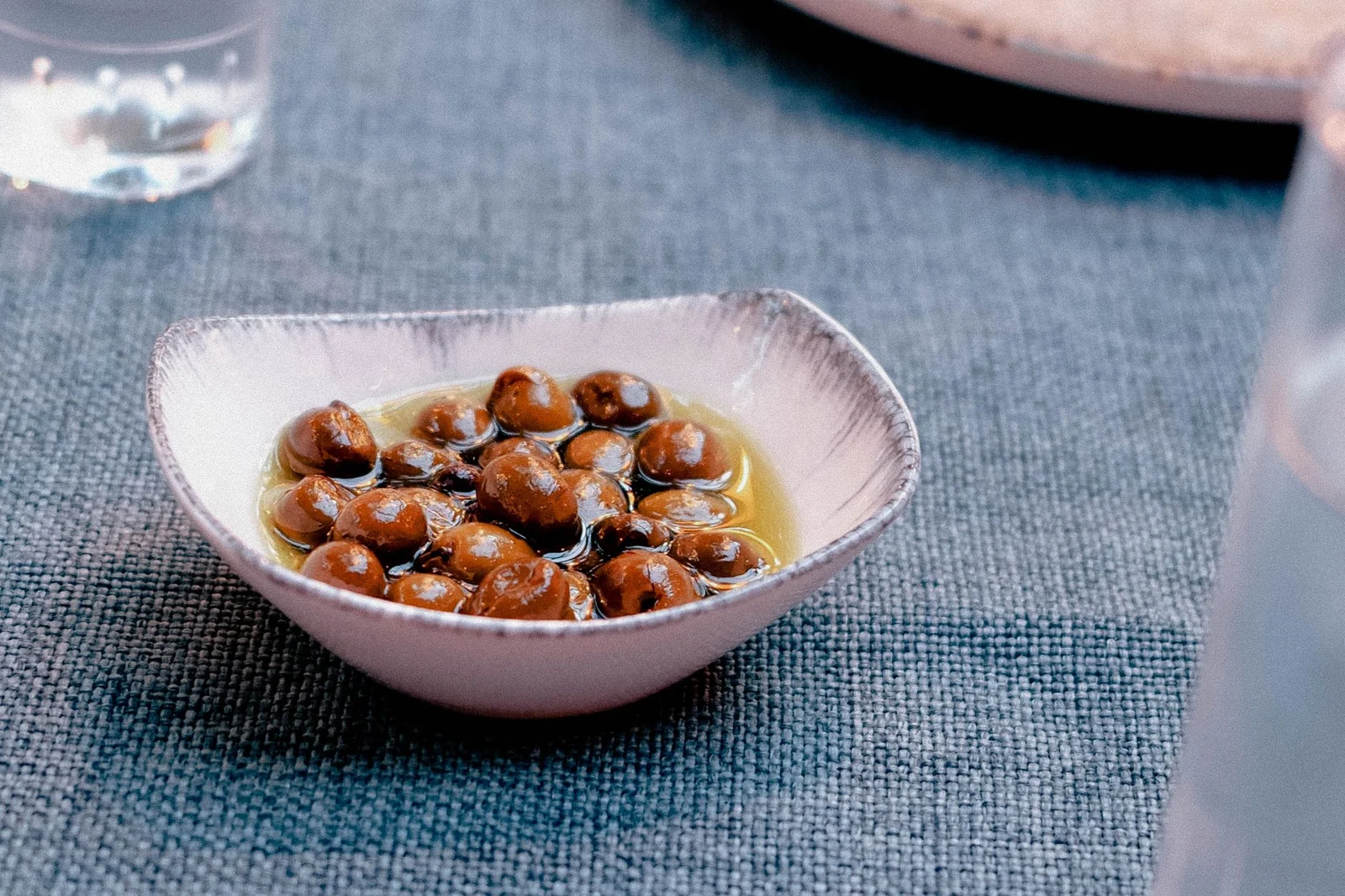
Which table olive variety is best?
The leading varieties for black and green table olives, measured fruit weights, and how curing affects quality.
Article
Which table olive variety is best?
The leading varieties for black and green table olives, measured fruit weights, and how curing affects quality.
 Article
Sat olive
Sat is a recorded variety of the Black Sea. No measured pomological data published.
Article
Sat olive
Sat is a recorded variety of the Black Sea. No measured pomological data published.