Which is Turkey's best-quality olive?
Quality criteria and measured values for Turkey's main olive varieties — fruit weight, oil content and intended use.
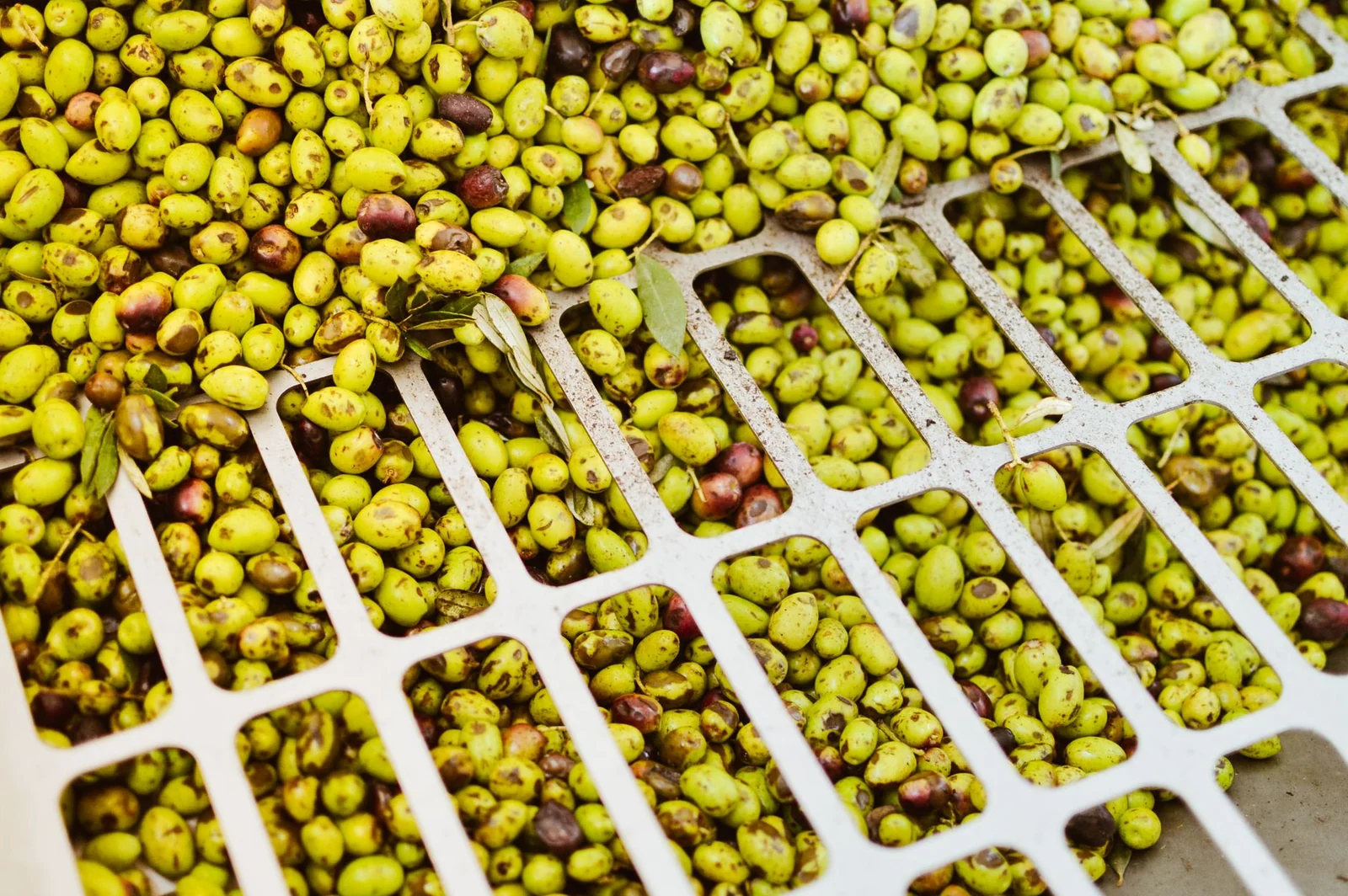
The short answer: there is no single "best quality olive". Quality is measured against the job the olive is for — what counts as good in a table olive is a fault in an oil variety.
This page doesn't name a winner. It sets out how quality is judged and where Turkey's main varieties stand on those measures, with published figures.
What quality is measured on
Quality in olives comes down to four things, and none of them is as subjective as "taste":
- Flesh-to-stone ratio. How much of the fruit is edible. Wanted high in table olives; below 4 is weak, above 6 is good.
- Fruit weight. Size is valuable in table olives (stuffing, brining). In oil varieties it doesn't decide quality.
- Oil content. Decisive in oil varieties. Above 25% is considered good.
- Processability. Skin durability, how readily the bitterness leaves, whether it holds together in brine.
To that add where it was grown: the same variety gives different results at a different altitude and soil.
Turkey's main varieties, with measured values
| Variety | Fruit | Oil content | Where it is strong |
|---|---|---|---|
| Gemlik | 3.7 g | 29–30% | black table — high flesh ratio, thin skin |
| Domat | 7.96 g | 20–23% | green table, stuffed — large fruit |
| Memecik | medium-large | 25–28% | both oil and table — dual purpose |
| Ayvalık | medium | 24–28% | oil — aroma intensity |
| Uslu | medium | — | black table (Akhisar) |
| Sarı Ulak | large | — | table — early harvest |
The most striking row is Gemlik: among the lightest fruit in the table, yet the benchmark for black table olives thanks to its flesh ratio and thin skin. So "big fruit means quality" does not hold.
Is the most grown variety the best?
No — the two are different things. Memecik is 45% of Turkey's tree stock, yet most consumers have never heard the name, because it goes to oil and the bottle carries no variety name. Domat is everywhere in shops with just 1.4% of the tree stock.
Prevalence reflects a production choice, not quality. Full distribution: olive varieties.
What to look at when buying
Before the variety name, check these:
1. Harvest year. Olives don't improve with age. New season is an advantage.
2. Curing method. Natural brine, or accelerated with lye? The natural method takes longer and protects the texture.
3. Calibre (size). Fewer olives per kilo means larger fruit. A preference, not a quality grade.
4. Salt level. High salt can also be used to mask a processing fault.
Frequently asked
Which is better, Gemlik or Memecik?
They are for different jobs. Gemlik leads in black table olives, Memecik in oil and dual-purpose use. They can't be compared on one measure.
Are Turkish varieties better than imported ones?
A variety's homeland doesn't decide quality. Spanish varieties such as Arbequina and Manzanilla are grown in Turkey too; growing and processing conditions decide the result.
Does price show quality?
Partly. Large calibre and natural curing raise costs in table olives. But the gap between two brands of the same variety often comes from packaging and distribution.
One rating per visitor; you can change yours at any time. Ratings are real reader votes — no seeded or default scores.
Related
 Article
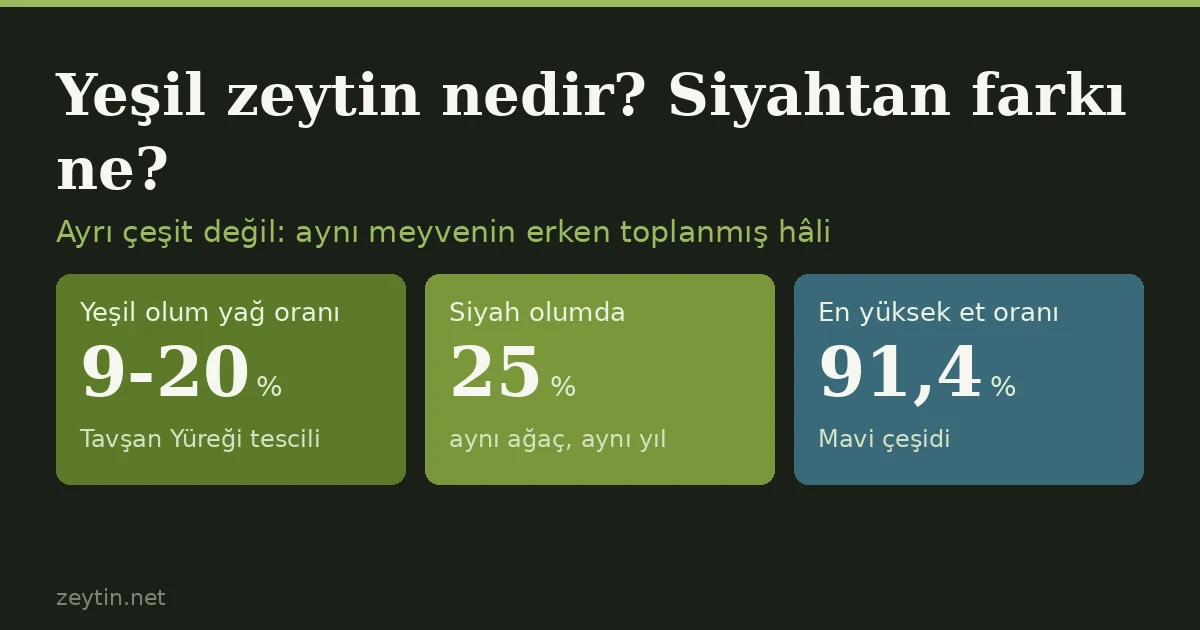
What are green olives, and how do they differ from black?
Green olives are not a separate variety but the same fruit picked early. What sets the colour, why pick green, and where the difference from black begins.
Article
What are green olives, and how do they differ from black?
Green olives are not a separate variety but the same fruit picked early. What sets the colour, why pick green, and where the difference from black begins.
 Article
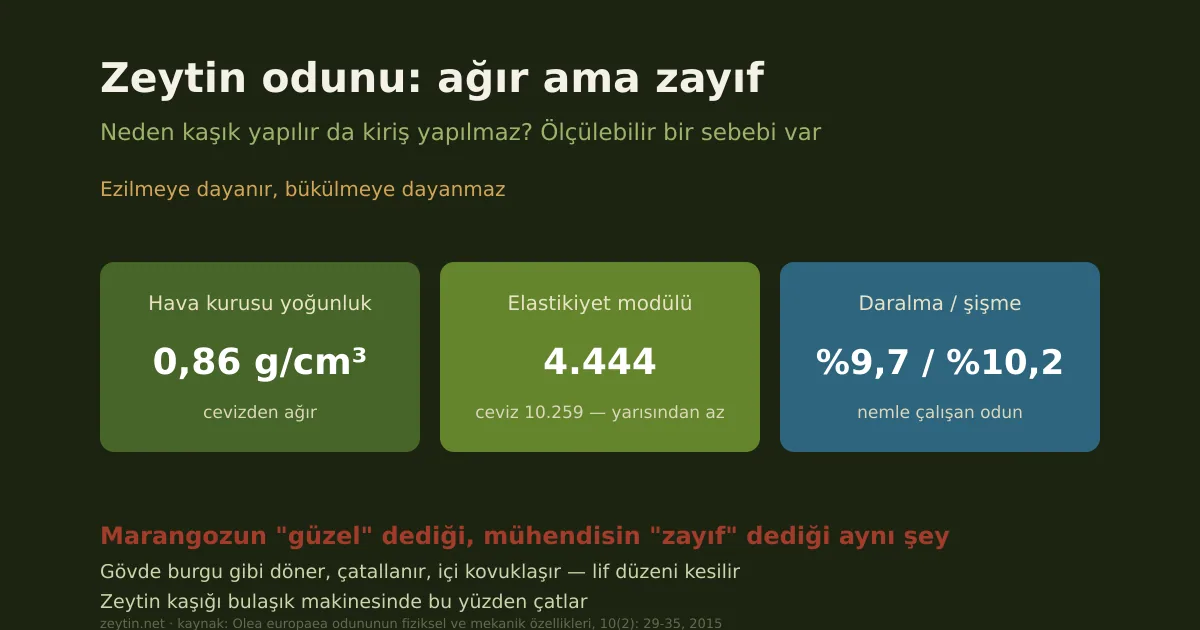
Olive wood: why spoons and not beams?
At 0.86 g/cm³ air-dried it is denser than walnut, yet its modulus of elasticity of 4,444 N/mm² is less than half walnut's. It resists crushing but not bending.
Article
Olive wood: why spoons and not beams?
At 0.86 g/cm³ air-dried it is denser than walnut, yet its modulus of elasticity of 4,444 N/mm² is less than half walnut's. It resists crushing but not bending.
 Article
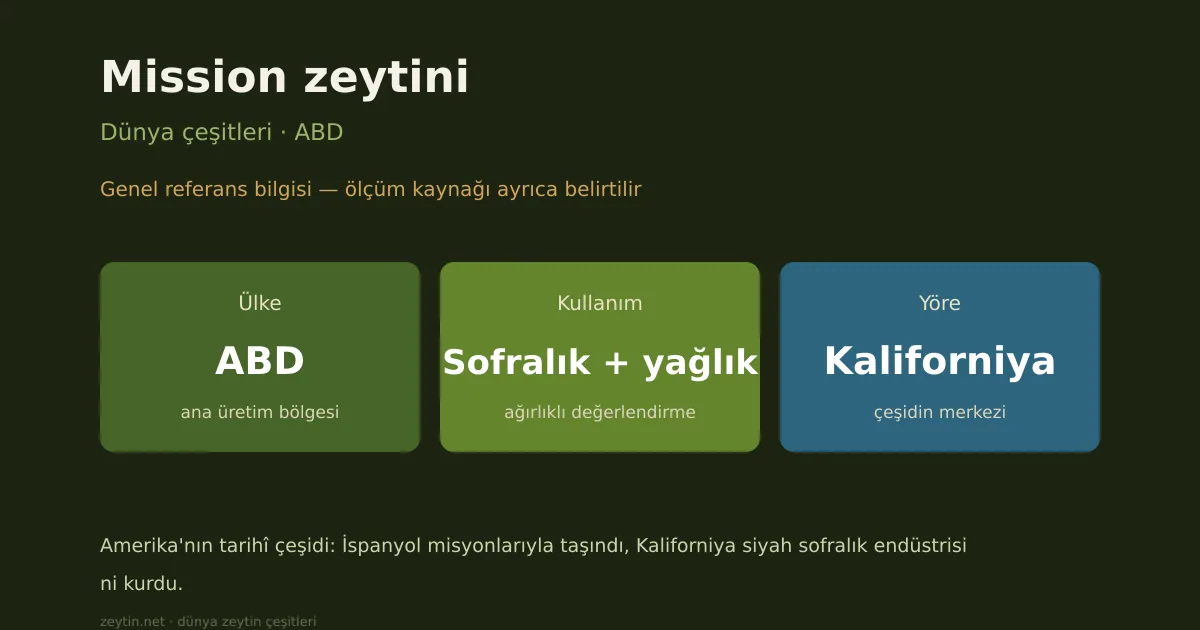
Mission olive: United States's table and oil variety
America's historic variety: carried by the Spanish missions, it built California's black table olive industry.
Article
Mission olive: United States's table and oil variety
America's historic variety: carried by the Spanish missions, it built California's black table olive industry.
 Article
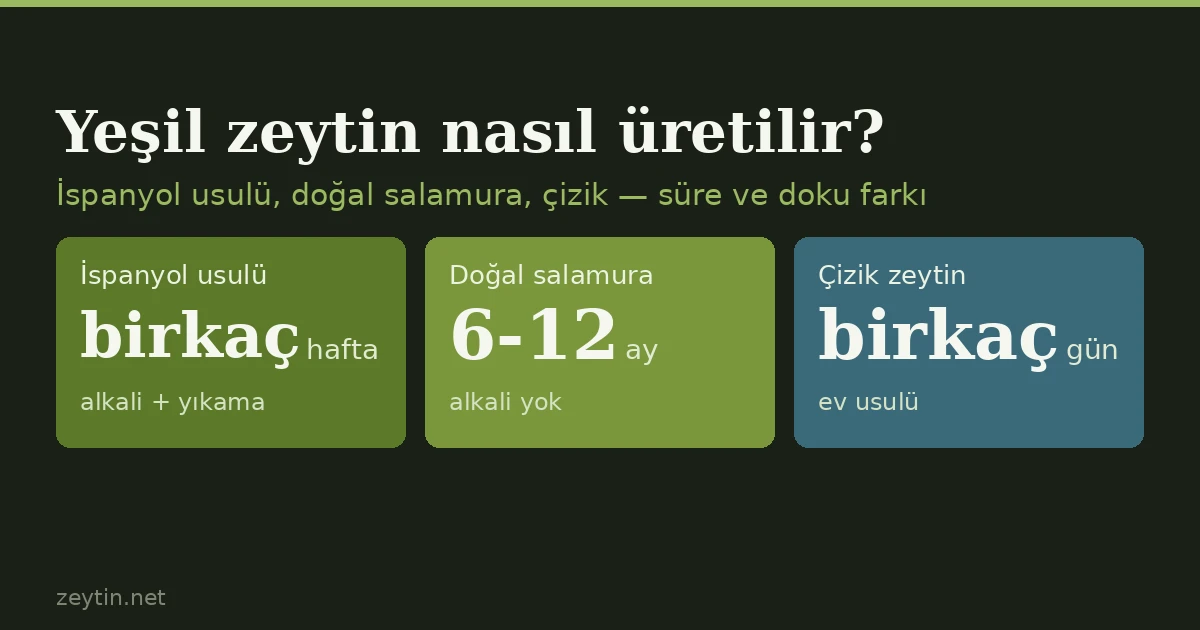
How are green table olives made? Three methods, three results
Green olives cannot be eaten off the tree; the bitterness must be removed. The difference between Spanish-style, natural brine and scored methods sets time, texture and taste.
Article
How are green table olives made? Three methods, three results
Green olives cannot be eaten off the tree; the bitterness must be removed. The difference between Spanish-style, natural brine and scored methods sets time, texture and taste.