How are green table olives made? Three methods, three results
Green olives cannot be eaten off the tree; the bitterness must be removed. The difference between Spanish-style, natural brine and scored methods sets time, texture and taste.

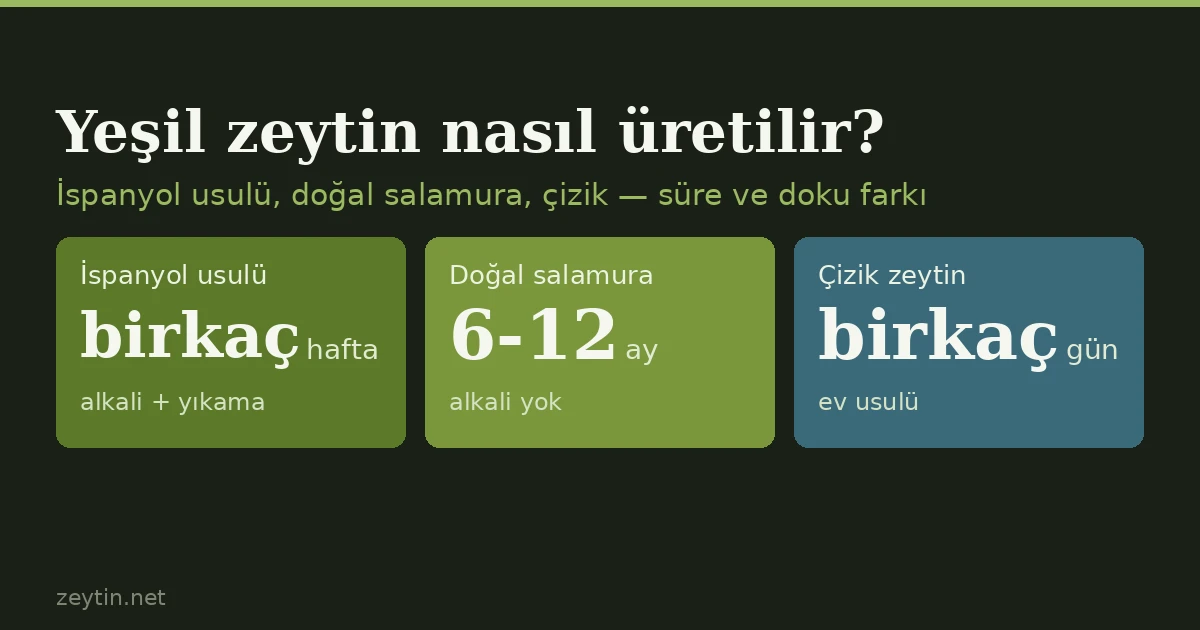
A green olive picked from the tree cannot be eaten. The fruit contains oleuropein, a compound that leaves a burning bitterness, and it must be removed before the fruit is edible. There are three main ways to do it, and the choice sets the product's time, texture and taste from the outset.
When is it picked?
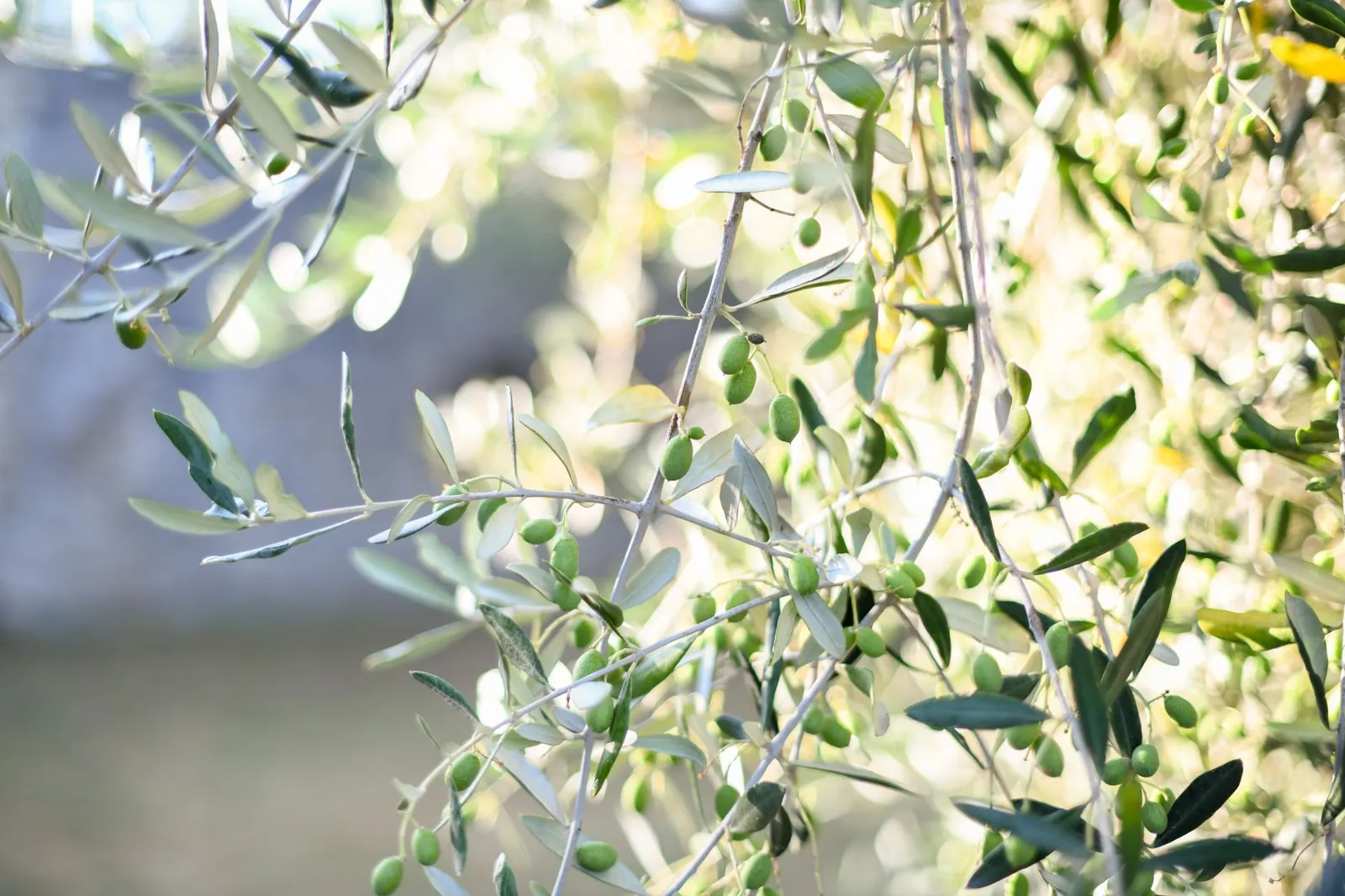
Green olives are picked after the fruit reaches full size but before the colour turns. The window is narrow: pick early and the fruit is small and thin-fleshed; wait too long and the colour begins to turn, so the product is no longer "green". The ripeness index is the measurable form of that decision.
At the green stage oil content is still low — an advantage for table use, because oily fruit softens faster in brine. The registration document for Antalya Tavşan Yüreği gives the difference in numbers: 9 to 20.2 percent oil at the green stage, rising to 25 percent at black maturity.
1. Spanish style (alkali treatment)
The most widespread industrial method. The fruit is placed in a dilute sodium hydroxide solution; the alkali breaks down oleuropein quickly. The critical point is that the solution should penetrate to a set depth of the flesh, not all the way to the pit — going further damages the texture.
The fruit is then washed repeatedly. This stage is not negotiable: residual alkali makes the product burn the throat and leaves pH outside the safe range. After washing it goes into salt brine for lactic fermentation. Total time: a few weeks.
The method is lawful and standard. Problems begin when it is applied without control.
2. Natural brine (Greek style)
No alkali is used. The fruit goes straight into salt water and the bitterness leaches out over months. The process takes six months to a year.
The result is a more complex taste: lactic acid bacteria developing during fermentation give a sour, layered profile. Texture stays firmer. Against that, the time is long, loss risk is higher, and the bitterness never fully disappears — not a defect but the character of the style.
3. Scored or cracked olives
The fruit is scored with a knife or lightly cracked, then placed in water. The opening gives the bitter compound a short path out; time falls to a few days, with the water changed once or twice daily.
This is the classic of home production and needs no alkali. The cost is texture: the opening both softens the fruit faster and shortens its life. Scored olives are made to be eaten soon, not stored long.
Which varieties suit green table use?
The deciding measures are flesh ratio and size. In our records Mavi leads on flesh ratio at 91.4 percent, Hojiblanca at 90 and Kalamata at 89.4; on flesh-to-pit Hojiblanca is first at 8.98. On size, Karamürsel Su reaches 9.44 grams and Yamalak Sarısı 8.27.
Size is a requirement for stuffed green olives — if the pit is removed and pepper or almond takes its place, the fruit must have the volume. One variety in our records carries the note "stuffed green olives owing to its large fruit", pointing directly at this use.
What to watch in home production
Too little salt and the brine spoils; too much and the fruit shrivels. The olives must always stay below the brine — any that rise meet air and mould. A finger of olive oil on top is a simple way to cut off air.
Use glass or food-grade plastic. Do not use metal vessels: acidic brine reacts with metal and the result carries into both taste and colour. Throwing metal into an olive tank appears in industry as a fraud method; at home the same result happens by accident.
One rating per visitor; you can change yours at any time. Ratings are real reader votes — no seeded or default scores.
Related
 Article
Coratina olive: Italy's oil variety
Among the highest-polyphenol varieties in the world. Distinctly bitter and pungent — the oil that gives blends their backbone.
Article
Coratina olive: Italy's oil variety
Among the highest-polyphenol varieties in the world. Distinctly bitter and pungent — the oil that gives blends their backbone.
 Article
Olive Oil Soap: How It Is Made, Its Types and How to Choose
How saponification works, why curing takes months, and how to recognise genuine olive oil soap.
Article
Olive Oil Soap: How It Is Made, Its Types and How to Choose
How saponification works, why curing takes months, and how to recognise genuine olive oil soap.
 Article
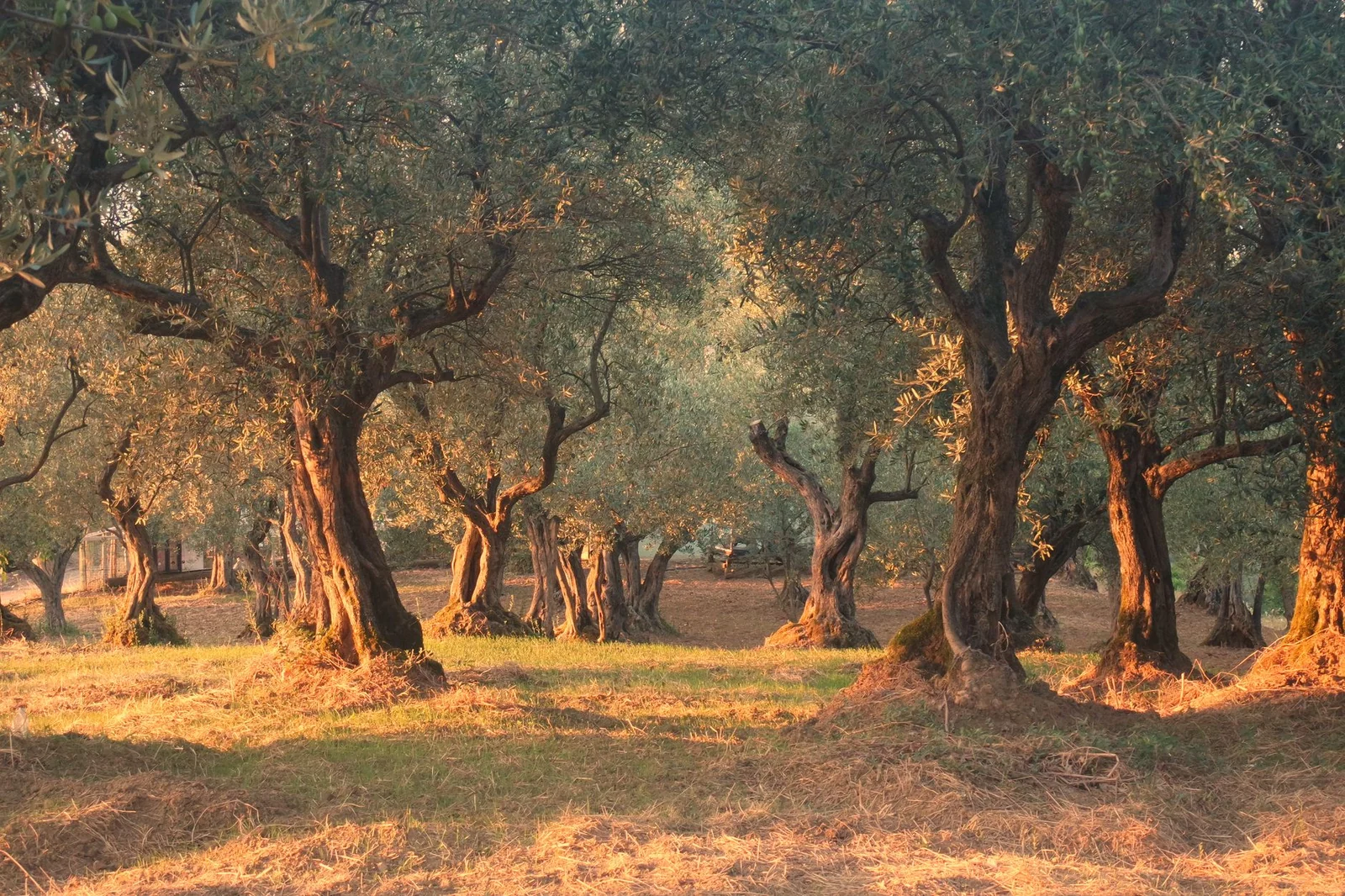
The Olive Sector in Turkey: Structure, Exports and Challenges
Production, exports, business structure and price: the Turkish olive sector in figures, and where the chain breaks.
Article
The Olive Sector in Turkey: Structure, Exports and Challenges
Production, exports, business structure and price: the Turkish olive sector in figures, and where the chain breaks.
 Article
Do olive trees grow on the Black Sea coast?
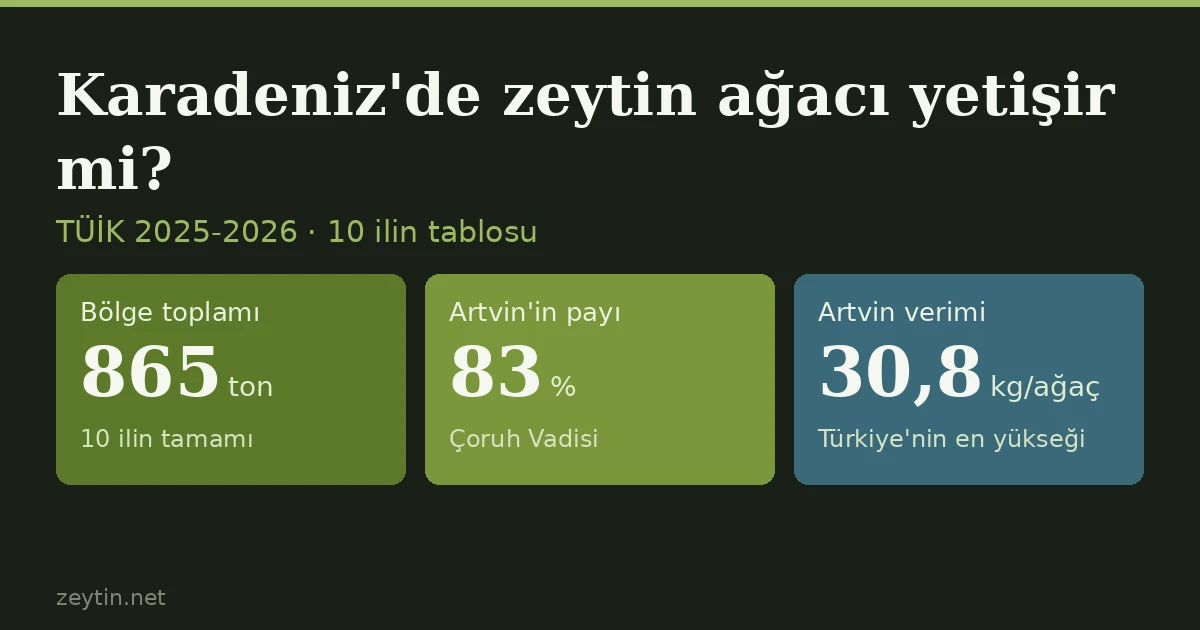
Ten Black Sea provinces produce 865 tonnes between them, 83 per cent of it in Artvin. Trabzon gets 98 tonnes from 36,000 trees; Samsun none from 13,000. The obstacle is humidity, not cold.
Article
Do olive trees grow on the Black Sea coast?
Ten Black Sea provinces produce 865 tonnes between them, 83 per cent of it in Artvin. Trabzon gets 98 tonnes from 36,000 trees; Samsun none from 13,000. The obstacle is humidity, not cold.