Olive Oil and Heart Health
Why is Mediterranean cooking so often linked with cardiovascular health? Unsaturated fats, polyphenols, and replacing saturated fat.
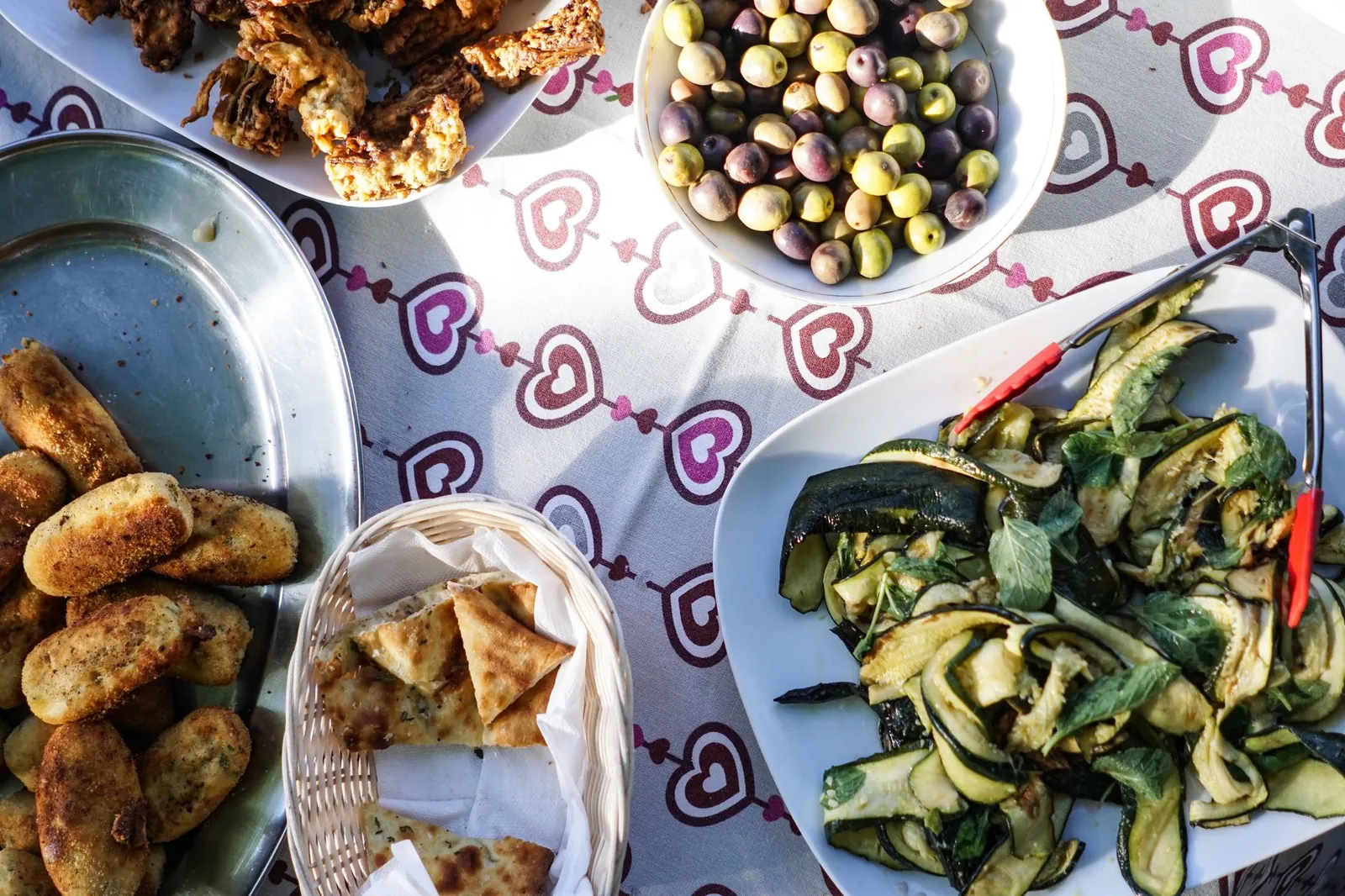
The association between olive oil and heart health is not a passing fashion. Studies of eating habits around the Mediterranean have pointed at the same feature for half a century: in this region the main cooking fat is neither butter nor margarine, but olive oil.
Why the type of fat matters
Fats are similar in calories; the difference lies in their fatty acid composition. Roughly 70-80% of olive oil is oleic acid, a monounsaturated fatty acid. Replacing saturated fats (butter, lard, palm oil) with mono- and polyunsaturated fats is regarded as favourable for blood cholesterol levels.
The key word here is replacing. Adding olive oil on top of your current diet is not the meaningful step; putting it in place of the solid fat you already use is. Otherwise you have simply raised your daily calorie intake.
Polyphenols and an authorised claim
Hydroxytyrosol and its derivatives — the polyphenols found in extra virgin olive oil — are among the very few compounds for which the European Food Safety Authority (EFSA) has authorised a health claim. The wording is: olive oil polyphenols contribute to the protection of blood lipids from oxidative stress. For the claim to apply, at least 5 mg of hydroxytyrosol and its derivatives must be consumed with 20 g of olive oil per day.
That condition directly affects which bottle you pick: polyphenols are largely destroyed by refining. In riviera oil, or anything labelled simply "olive oil", these compounds are present in negligible amounts. The contribution therefore applies to extra virgin.
The heat question
Polyphenols and aroma compounds are heat-sensitive. Prolonged frying erodes the nutritional edge of olive oil. The practical guidance is simple:
- Raw use (salads, mezes, drizzling over a finished dish) → extra virgin
- Moderate-heat cooking → virgin or extra virgin
- Frying → riviera; expect no health contribution from it
How the bottle is stored matters too: light and warmth deplete polyphenols over time.
Its proper place, without overstating it
Olive oil is not a medicine and prevents no disease on its own. Its effect only makes sense as part of a whole dietary pattern: vegetables, legumes, whole grains, fish and olive oil together. That whole has a name — the Mediterranean diet.
Anyone taking cholesterol medication, living with heart disease, or planning a substantial change in diet should make that decision together with their doctor. The information on this page is general nutrition information and not medical advice.
One rating per visitor; you can change yours at any time. Ratings are real reader votes — no seeded or default scores.
Related
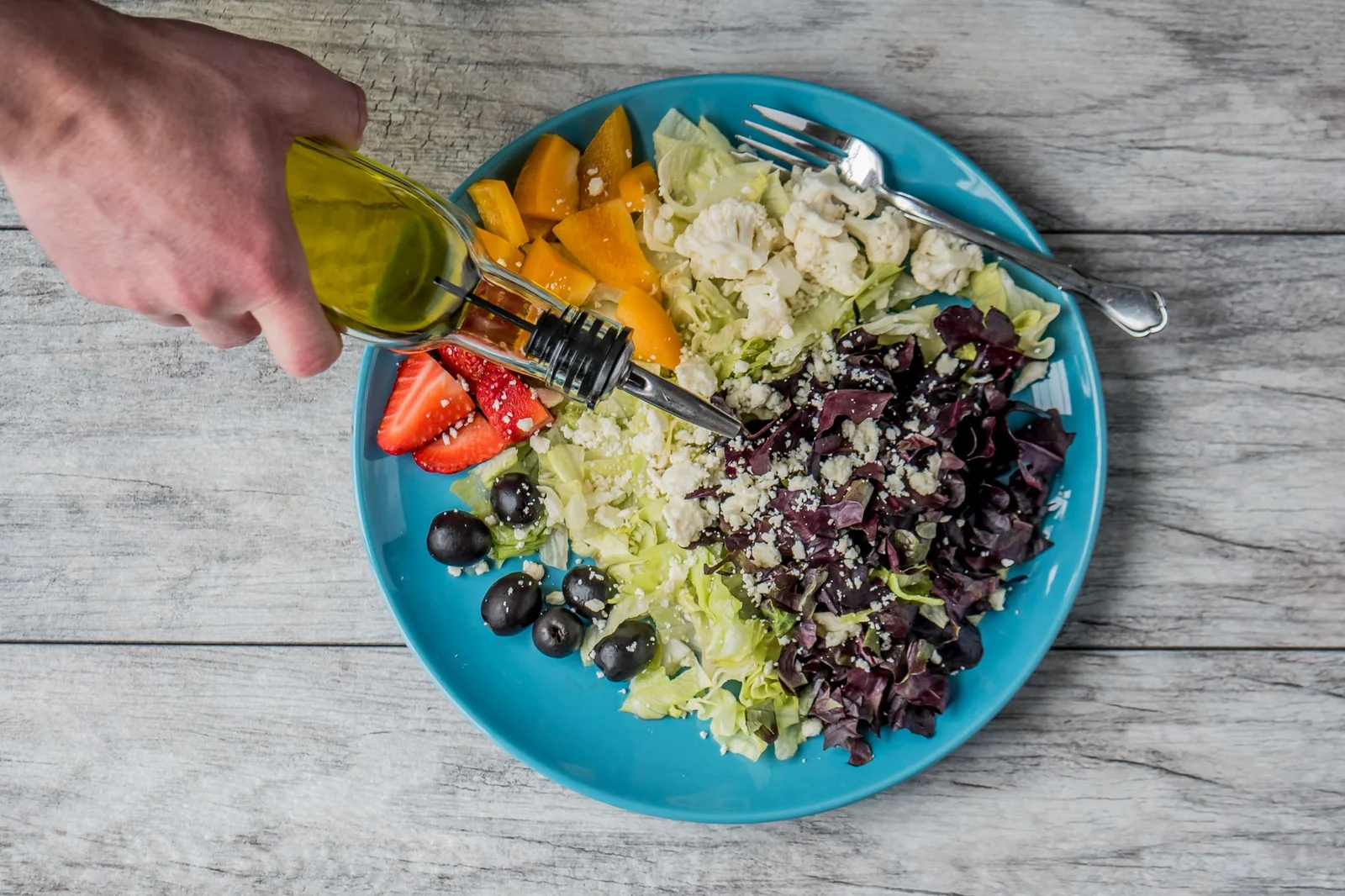 Article
What are the benefits of olive oil?
Authorised claims, topics still under research and unproven claims kept apart — including the EFSA claim and PREDIMED.
Article
What are the benefits of olive oil?
Authorised claims, topics still under research and unproven claims kept apart — including the EFSA claim and PREDIMED.
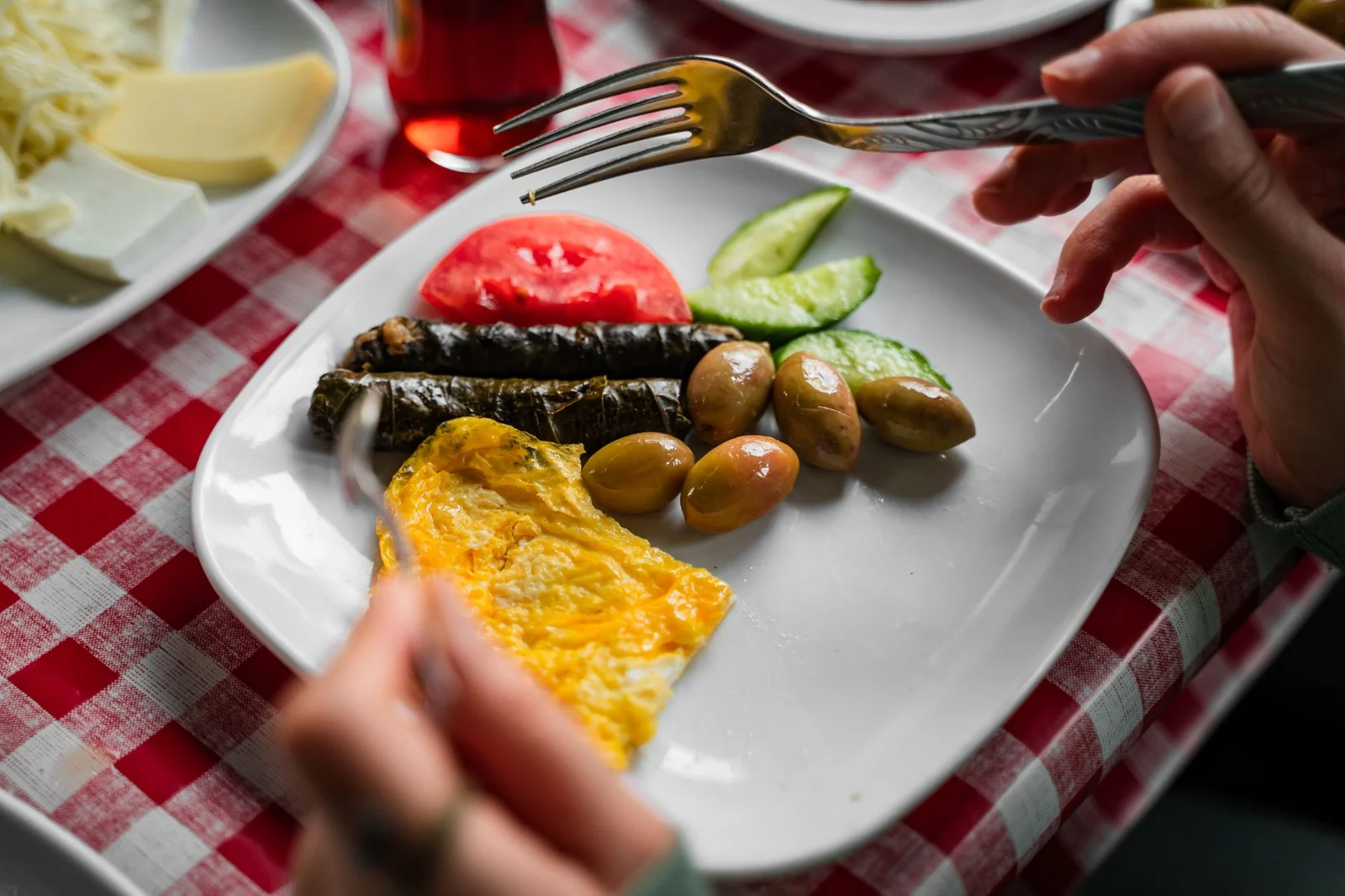 Article
How many olives should you eat a day? Portions, salt and common questions
Calories, fat and salt in olives: what is a sensible daily amount? Based on nutrition data, without unauthorised health claims.
Article
How many olives should you eat a day? Portions, salt and common questions
Calories, fat and salt in olives: what is a sensible daily amount? Based on nutrition data, without unauthorised health claims.
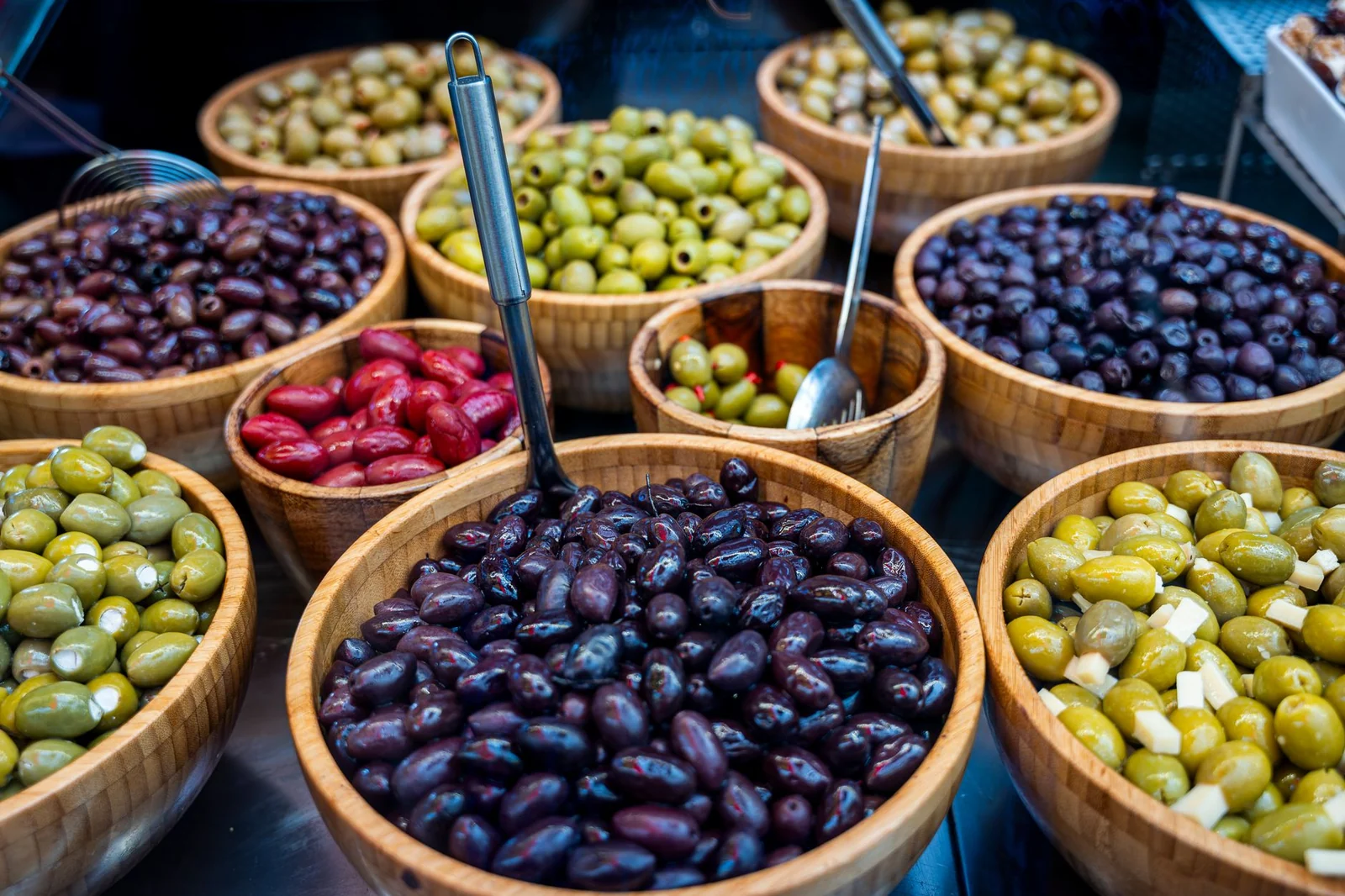 Article
How many calories are in olives? Nutrition and portion table
What is actually in an olive? Fat, fibre, iron, vitamin E — and the salt you should not ignore.
Article
How many calories are in olives? Nutrition and portion table
What is actually in an olive? Fat, fibre, iron, vitamin E — and the salt you should not ignore.
 Article
Which olive is healthiest?
In olives the health difference comes from curing and salt, not the variety: nutrition, salt content and green vs black.
Article
Which olive is healthiest?
In olives the health difference comes from curing and salt, not the variety: nutrition, salt content and green vs black.