Products from Olive
Table olives, oil, pomace, leaf and soap: what is made from each part of the tree, and what each is good for.
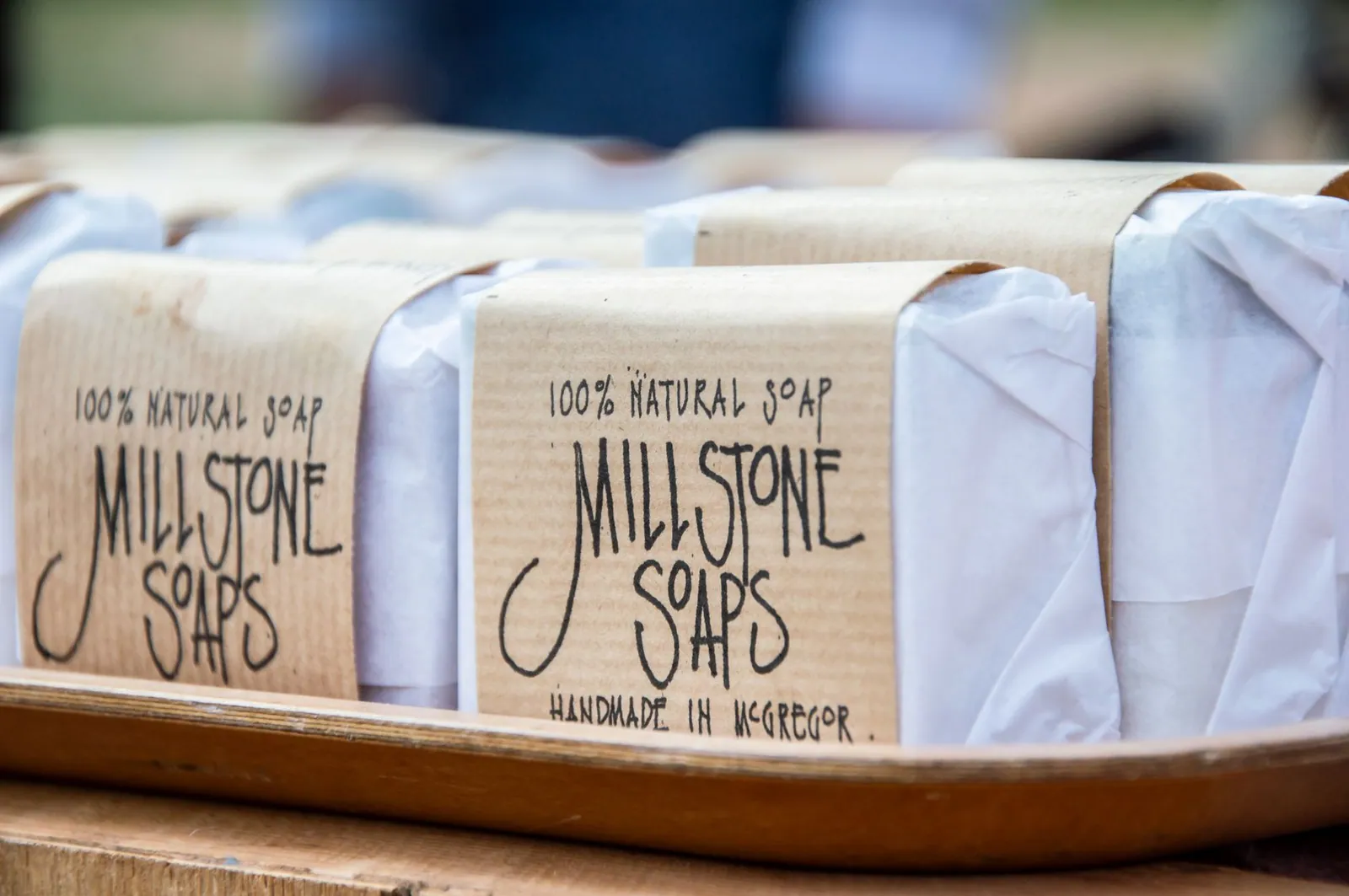
The treasures offered by the olive tree extend far beyond the kitchen. From its fruit to its leaves, stone to vegetation water, almost every part is transformed into valuable products.
Food Products
- Table olives: Brined, dry-salted or naturally processed in many styles.
- Olive oil: Extra virgin, pure, refined — the world's most prized vegetable oil.
- Olive paste / Tapenade: A Mediterranean classic made from olives, capers and anchovies.
- Olive leaf tea: A healthy drink rich in polyphenols.
Cosmetics and Personal Care
- Olive oil soap: Aleppo and Castile soaps are among the world's oldest. Aleppo soap, still made by traditional methods in Syria, contains olive oil and laurel oil.
- Moisturising creams: Nourishing creams rich in vitamin E and squalene.
- Hair care products: Shampoo, hair masks and serum formulations.
- Baby products: Lotions and oils for sensitive skin.
🧴 The World's Oldest Soap
Aleppo soap is recognised as the world's oldest solid soap, with historical documentation going back to 2500 BC. Made to the same formula for centuries, it has become a coveted product in the global boutique cosmetics segment.
Medical and Pharmaceutical Uses
- Olive leaf extract: Used in the supplement industry for its antioxidant, antiviral and antihypertensive effects.
- Oleocanthal: The anti-inflammatory compound at the centre of drug research.
- Squalene: Derived from olive oil, used as a vaccine adjuvant and in cancer research.
Industrial and Environmental Applications
- Biofuel: Biofuel production from olive pomace and vegetation water.
- Olive stone (pomace): The solid residue after pressing is used as biomass fuel.
- Organic fertiliser: Derived from vegetation water.
Woodcraft
Olive wood is extremely dense, durable and beautifully grained — prized for tables, spoons, bowls, chess sets and jewellery boxes. Traditional craftspeople in Tunisia, Italy and Turkey treat olive wood as a precious raw material.
As we can see, the olive tree has no concept of waste. From root to leaf, fruit to stone, every part is transformed into something valuable — making it truly unique.
One rating per visitor; you can change yours at any time. Ratings are real reader votes — no seeded or default scores.
Related
 Article
Gölvala olive
Gölvala is a recorded variety of the Black Sea. No measured pomological data published.
Article
Gölvala olive
Gölvala is a recorded variety of the Black Sea. No measured pomological data published.
 Article
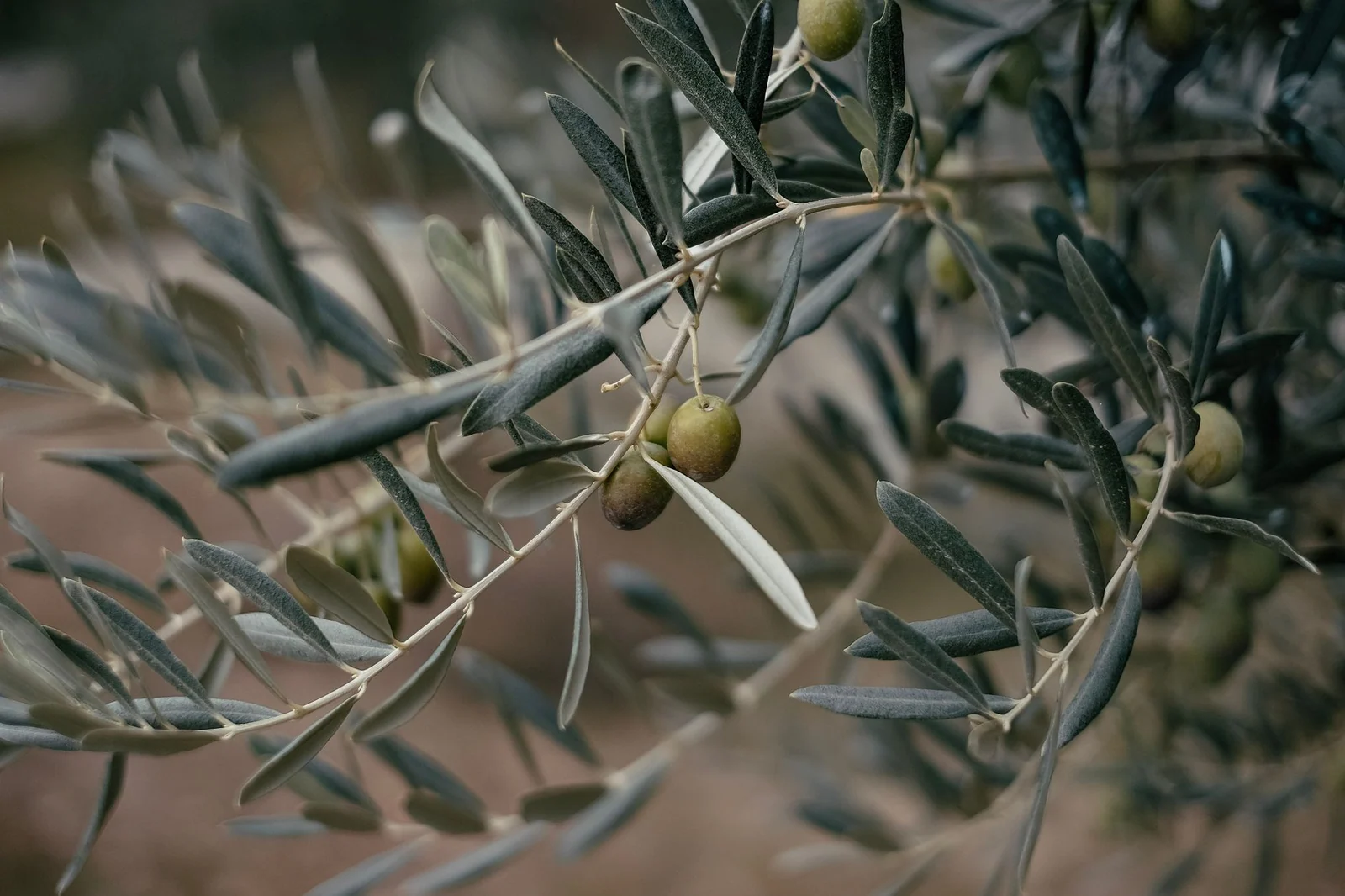
Olive varieties: seventeen Turkish varieties in numbers
Gemlik, Ayvalık, Memecik, Domat and the rest: Türkiye's olive varieties with oil content, fruit size, flesh ratio, region and ripening calendar.
Article
Olive varieties: seventeen Turkish varieties in numbers
Gemlik, Ayvalık, Memecik, Domat and the rest: Türkiye's olive varieties with oil content, fruit size, flesh ratio, region and ripening calendar.
 Article
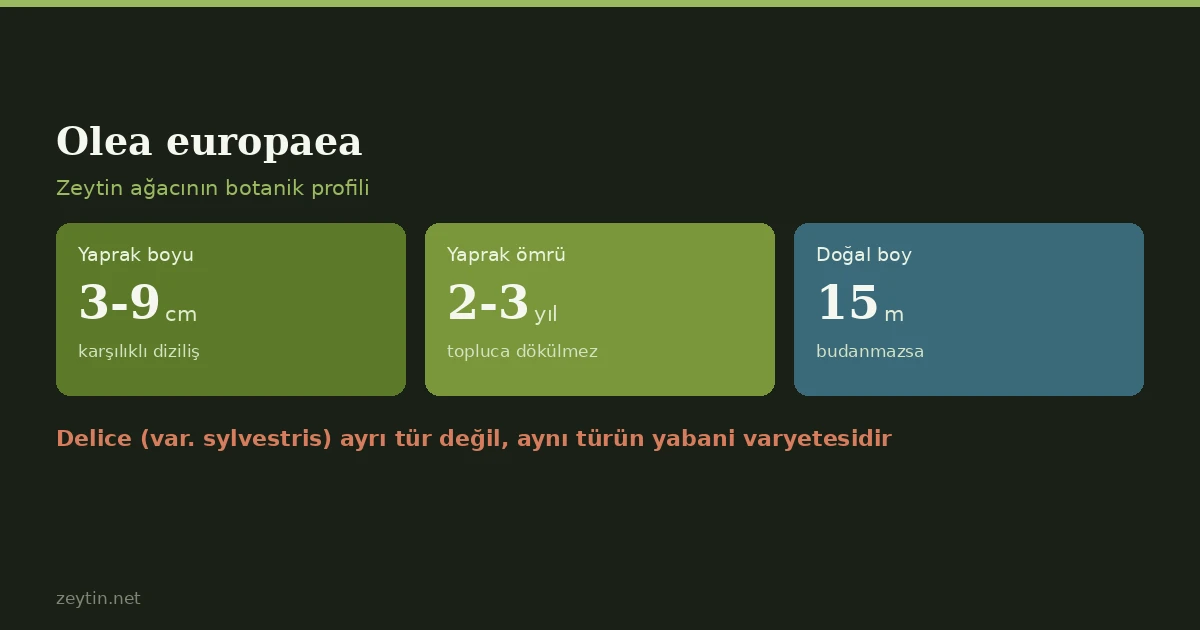
Olea europaea: the botany of the olive tree
The olive's scientific name and classification, why its leaves are silver, its floral structure, the layers of its fruit, its root system and lifespan — and how the wild oleaster relates to the orchard olive.
Article
Olea europaea: the botany of the olive tree
The olive's scientific name and classification, why its leaves are silver, its floral structure, the layers of its fruit, its root system and lifespan — and how the wild oleaster relates to the orchard olive.
 Article
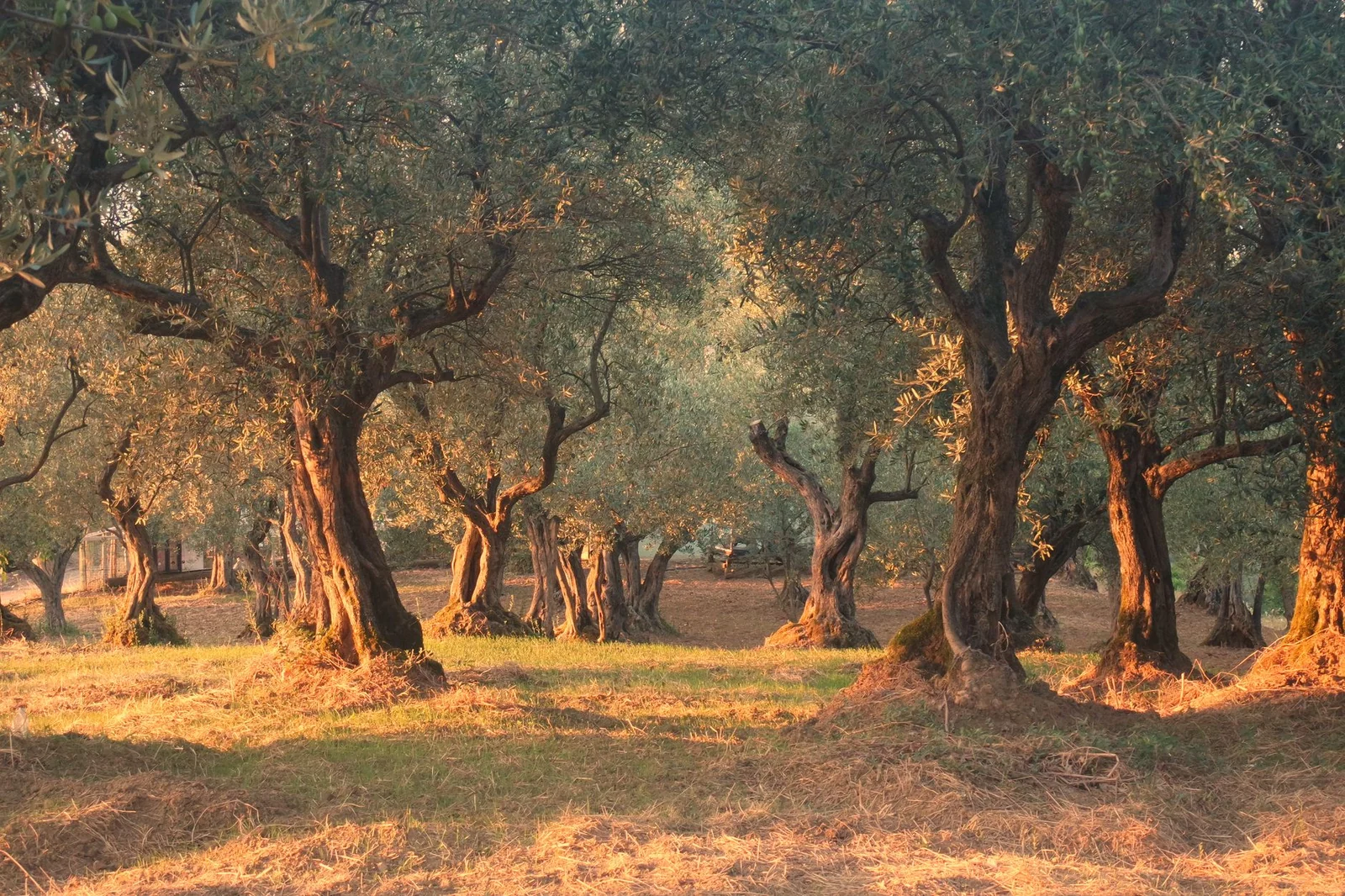
The Olive Sector in Turkey: Structure, Exports and Challenges
Production, exports, business structure and price: the Turkish olive sector in figures, and where the chain breaks.
Article
The Olive Sector in Turkey: Structure, Exports and Challenges
Production, exports, business structure and price: the Turkish olive sector in figures, and where the chain breaks.