Adana Topağı: the olive cultivar that needs the least cold
The lowest chilling requirement among cultivars tested: 346 hours, 234 chill units. Why that matters as winters warm, and its 6-gram fruit.
If an olive tree does not spend a certain time in the cold over winter, it will not flower. The tree doesn't die or drop its leaves — it simply yields nothing that year. This is called the chilling requirement, and it differs by variety.
Among the varieties measured, the lowest requirement belongs to Adana Topağı: 346 hours, 234 chill units.
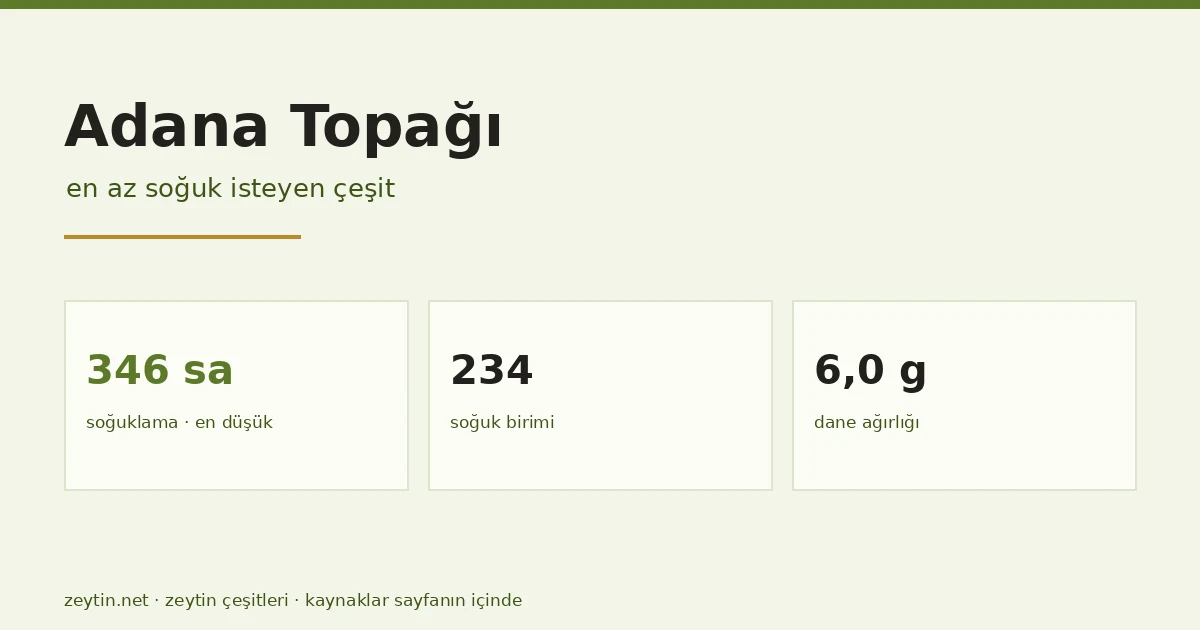
Adana Topağı in numbers
| Property | Value | Note |
|---|---|---|
| Chilling requirement | 346 hours | 234 chill units · lowest of those measured |
| Fruit weight | 6.0 g | among the large-fruited varieties |
| Fruit length | 27.46 mm | |
| Fruit width | 19.76 mm | |
| Fruit shape index | 1.39 | oval |
| Flesh weight | 4.96 g | |
| Flesh ratio | 83% | |
| Stone weight | 1.04 g | |
| Flesh-to-stone ratio | 4.77 | |
| Water-soluble dry matter | 10.8 °Brix | among the lowest in the trial |
| Region | Adana · eastern Mediterranean |
Why it matters in warming winters
The same study records that in high-requirement varieties such as Ayvalık and Domat, the requirement was not met in some years. An unmet requirement means irregular flowering that year and a smaller crop.
The two ends of the scale:
| Variety | Hours | Chill units |
|---|---|---|
| Adana Topağı | 346 | 234 |
| Arbequina IRTA-18 | 459 | 289 |
| Karamürsel Su | 526 | 319 |
| Domat | 552 | 333 |
| Gemlik | 600 | — |
| Memecik | 624 | 367 |
| Ayvalık · Çakır | 1,000 | — |
There is more than a threefold gap between Adana Topağı and Ayvalık. In a warming climate that means the choice of variety becomes steadily more decisive.
The subject in full: chilling requirement in olives · climate change and the olive.
Large fruit
At 6.0 g Adana Topağı counts among the large-fruited varieties in the trial — alongside Domat (7.96 g), Çilli (6.90 g) and Mavi (6.61 g).
Large fruit means price directly in table olives.
In short
Adana Topağı stands out for two things: the lowest chilling requirement among those measured (346 hours) and its 6-gram fruit. The first is a trait gaining value as winters warm; the second sets its table-olive worth.
Note on sources
The pomological and chilling values on this page come from a comparative trial of Turkish and foreign olive varieties conducted under Adana conditions. Properties without a measurement have not been filled in by estimation; they are left blank.
Turkey's full variety distribution and comparative tables: olive varieties.
Where it stands among measured varieties
çeşit sayfası
çeşit sayfası
çeşit sayfası
çeşit sayfası
Values are those published on each variety's own page; the comparison covers only varieties with a measured figure, so it is a comparison of what is known — not of every Turkish variety. See the full ranking and how it is built →
One rating per visitor; you can change yours at any time. Ratings are real reader votes — no seeded or default scores.
Related
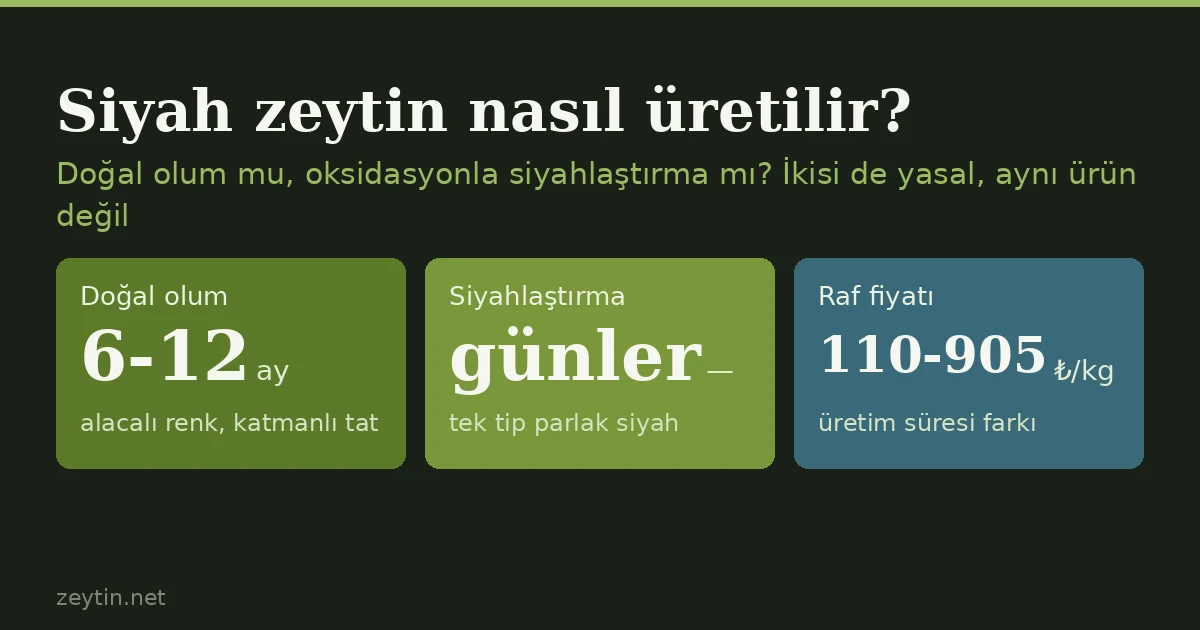 Article
How are black table olives made? Natural ripening versus blackening
Two different black olives sit on the shelf: ripened on the tree and brined, or picked green and blackened by oxidation. Both lawful, but not the same product.
Article
How are black table olives made? Natural ripening versus blackening
Two different black olives sit on the shelf: ripened on the tree and brined, or picked green and blackened by oxidation. Both lawful, but not the same product.
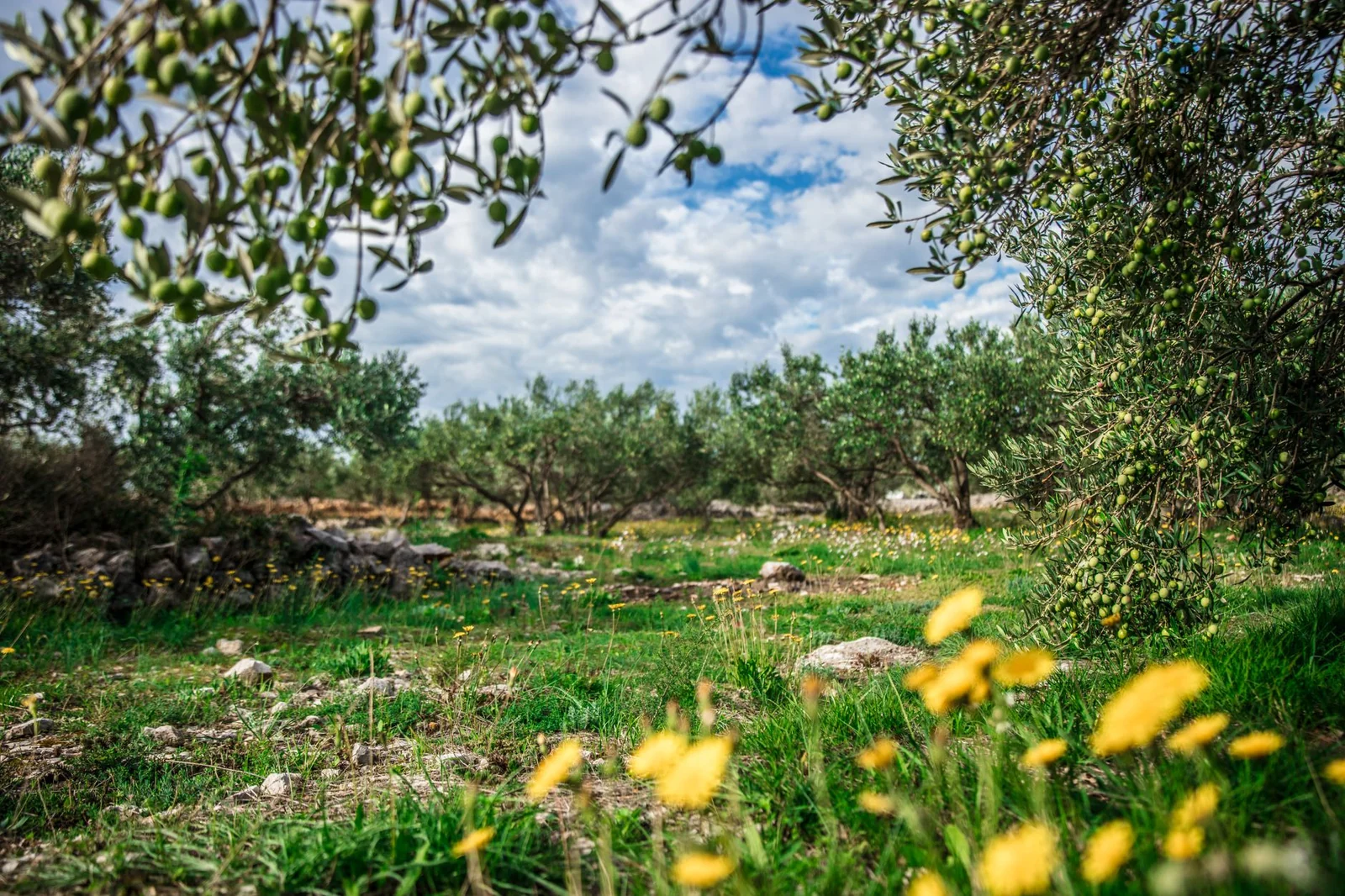 Article
Where do olives grow in Türkiye, and where don't they?
What limits the olive is frost, not a provincial border. Where it grows in Türkiye, with cold thresholds and altitude limits.
Article
Where do olives grow in Türkiye, and where don't they?
What limits the olive is frost, not a provincial border. Where it grows in Türkiye, with cold thresholds and altitude limits.
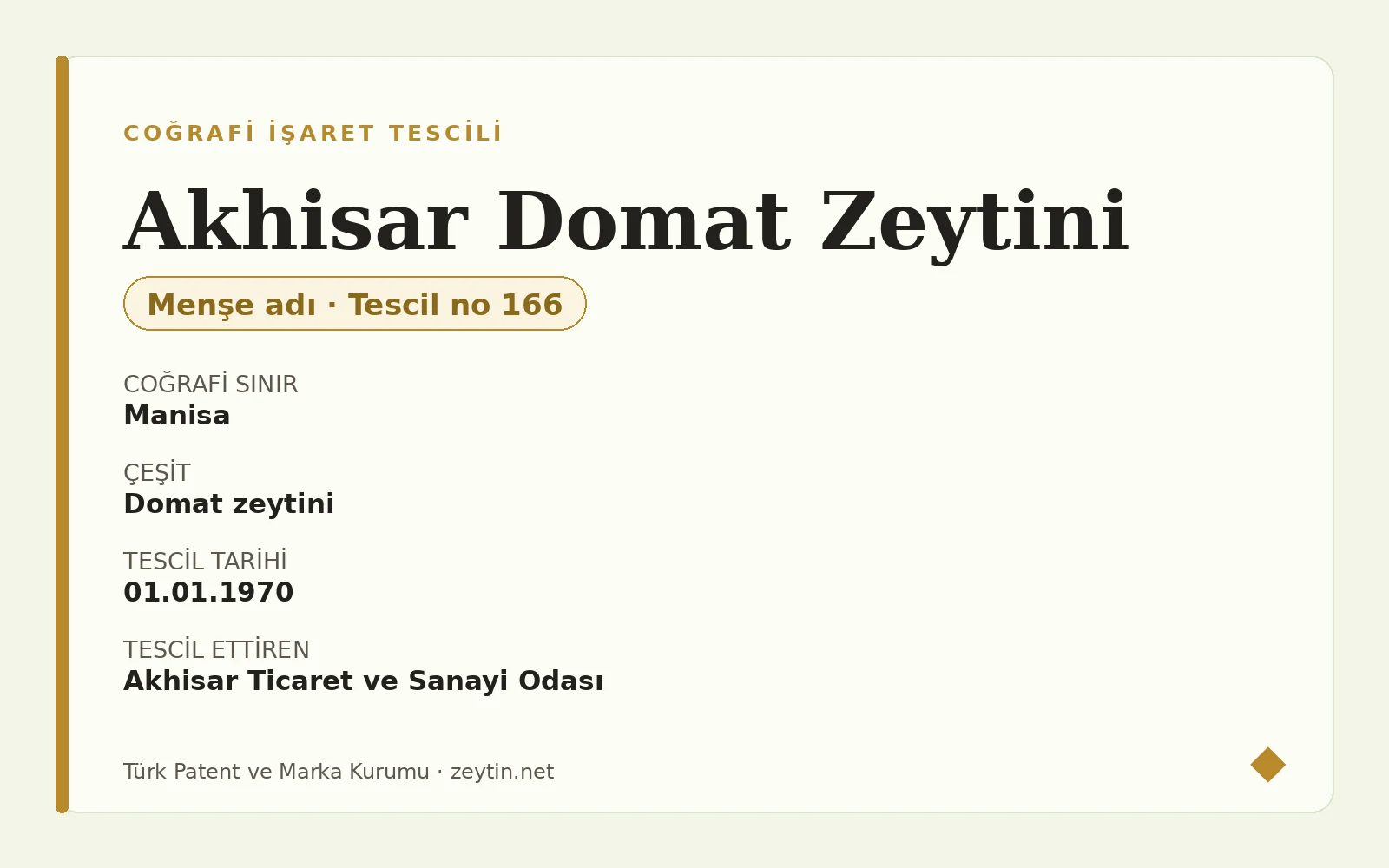 Article
Akhisar Domat Olive: the specification behind stuffed olives
Registered in 2010. The certificate sets calibre separately for each product form — 170-290 for stuffed, 110-260 for cocktail. One cultivar, different sizes.
Article
Akhisar Domat Olive: the specification behind stuffed olives
Registered in 2010. The certificate sets calibre separately for each product form — 170-290 for stuffed, 110-260 for cocktail. One cultivar, different sizes.
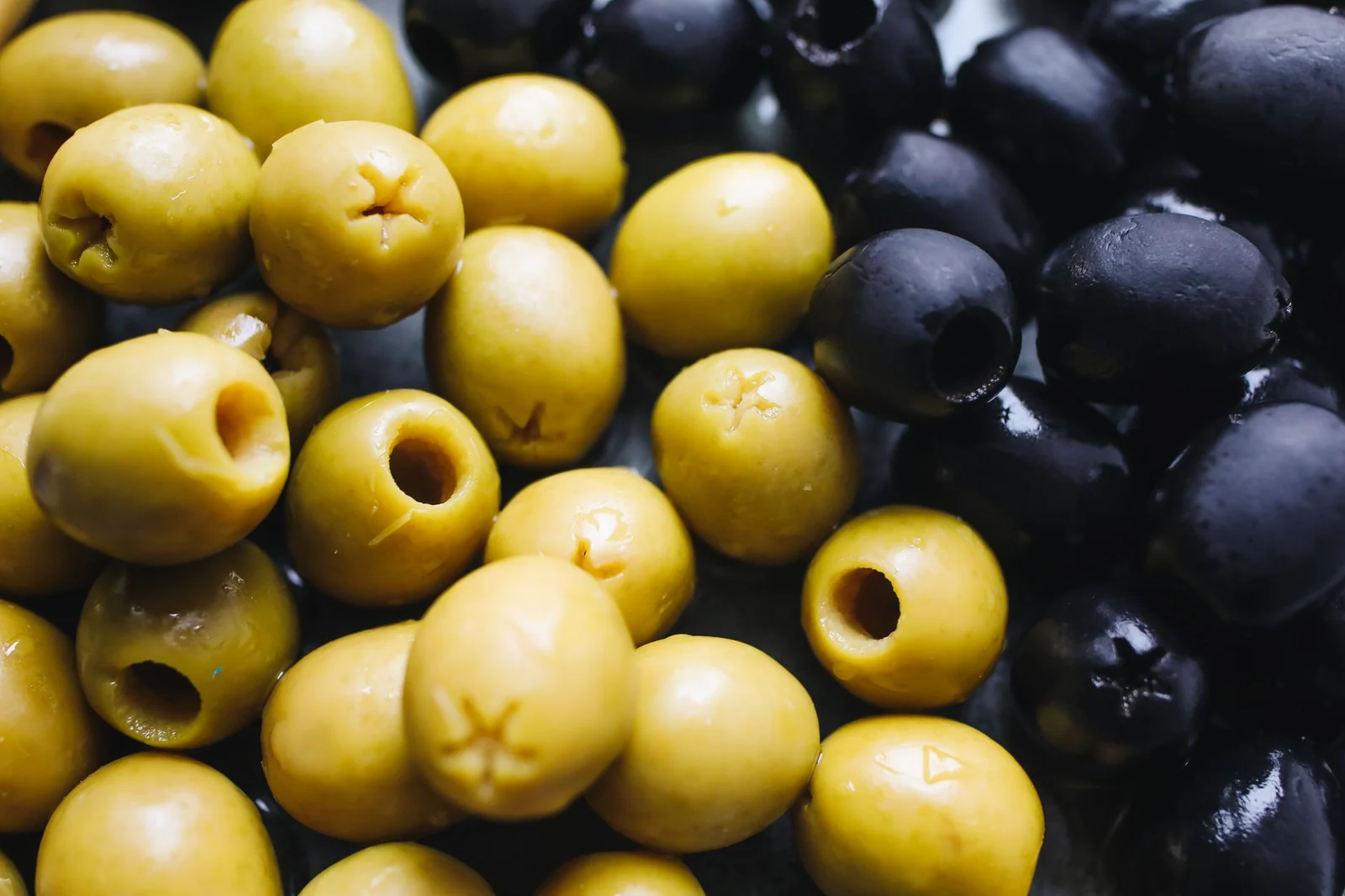 Article
Which type of olive is better?
Table or oil, green or black — choosing a variety by purpose, with a short regional map.
Article
Which type of olive is better?
Table or oil, green or black — choosing a variety by purpose, with a short regional map.