Spaghetti alla Puttanesca
Naples' bold pasta: black olives, capers, anchovy and tomato — all in twenty minutes.
- Time
- 30 minutes
- Serves
- 4
- Level
- Easy
- Cuisine
- Italian
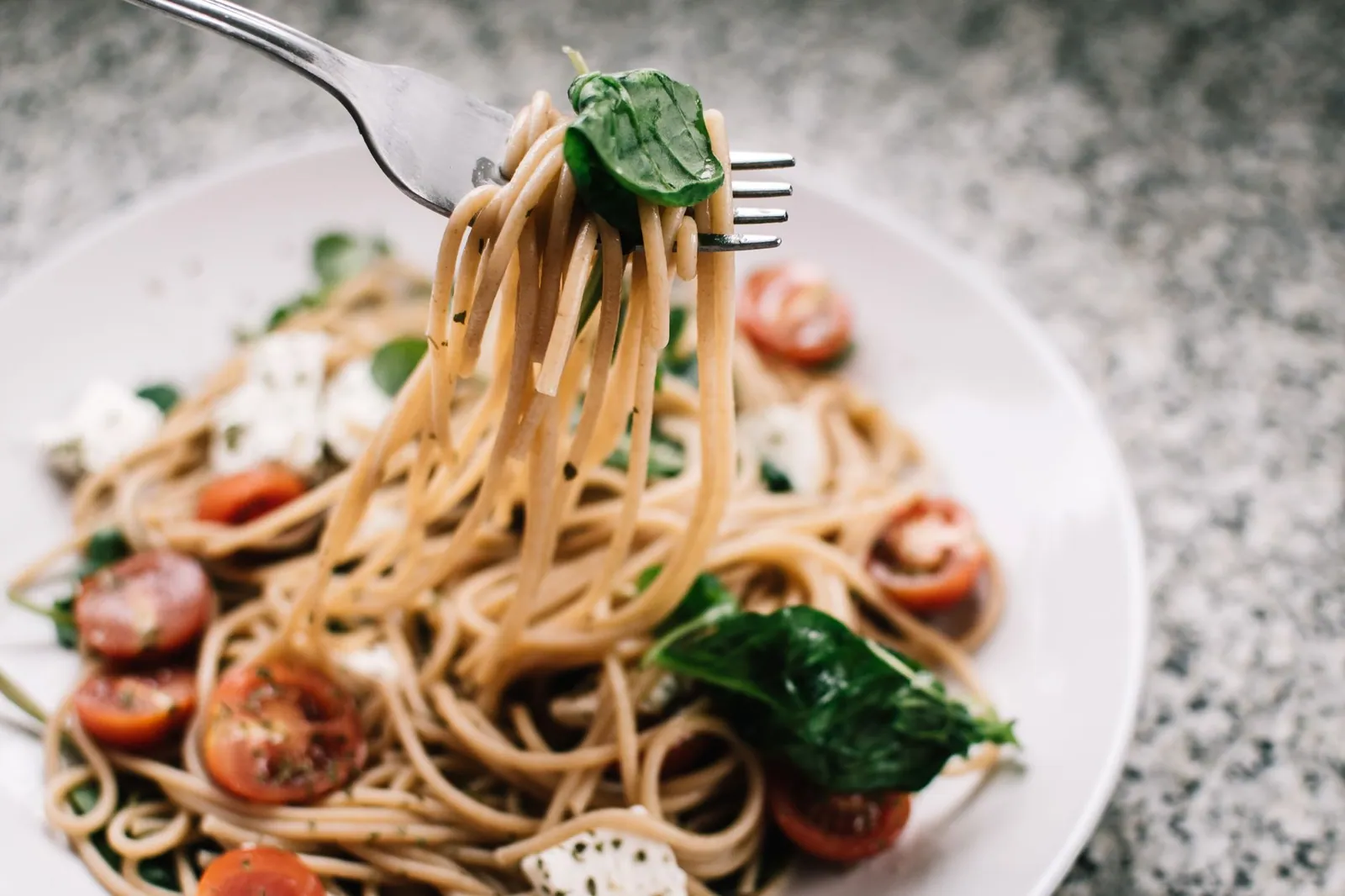
Puttanesca has the most disputed name in Neapolitan cooking. The common account ties it to the word puttana; a more recent claim traces it to a restaurateur on Ischia in the 1950s who, faced with late arrivals, was told "facci una puttanata qualsiasi" — "just make us any old thing". Whichever is true, both say the same: this is a storecupboard dish. Every ingredient comes off the shelf; none of it requires fresh shopping.
The trio of olives, capers and anchovies is the backbone of the sauce. Each is a salted or fermented Mediterranean product, and together they give a meatless sauce the density of meat.
Directions
- Cook the spaghetti al dente in well-salted boiling water; reserve a cup of the cooking water.
- Heat the olive oil in a wide pan, add the garlic and anchovy and cook until the anchovy melts away.
- Add the chilli flakes and, thirty seconds later, the tomatoes.
- Stir in the olives and capers and simmer gently for 10 minutes.
- Transfer the pasta straight into the sauce, loosening it with the reserved water as needed.
- Serve with parsley. Do not add grated cheese — this dish is made without it.
Tips & storage
Add no cheese — that is the rule. In Italian cooking, cheese does not go on fish-based sauces; the umami of the anchovy already does the work cheese would do, and grated cheese collides with it and muddies the sauce. That is why the warning sits in the ingredient list.
Melt the anchovies. Stirred into the oil with the garlic, they should disperse completely; anchovies left whole turn up on the plate as pieces of fish, when the point is for them to give flavour invisibly.
Don't burn the garlic. Sliced garlic darkens and turns bitter within seconds. If the oil is very hot, take the pan off the heat before adding it.
Save the pasta water — the forgotten step. The starch in it binds the sauce to the pasta. Combined dry, pasta and sauce separate on the plate.
Al dente means al dente. The pasta will cook another minute or two in the sauce. Fully cooked pasta goes soft once it goes in.
Watch the salt. Olives, capers, anchovies and pasta water — all four are salty. Always taste before salting the sauce.
One rating per visitor; you can change yours at any time. Ratings are real reader votes — no seeded or default scores.
Related
 Recipe
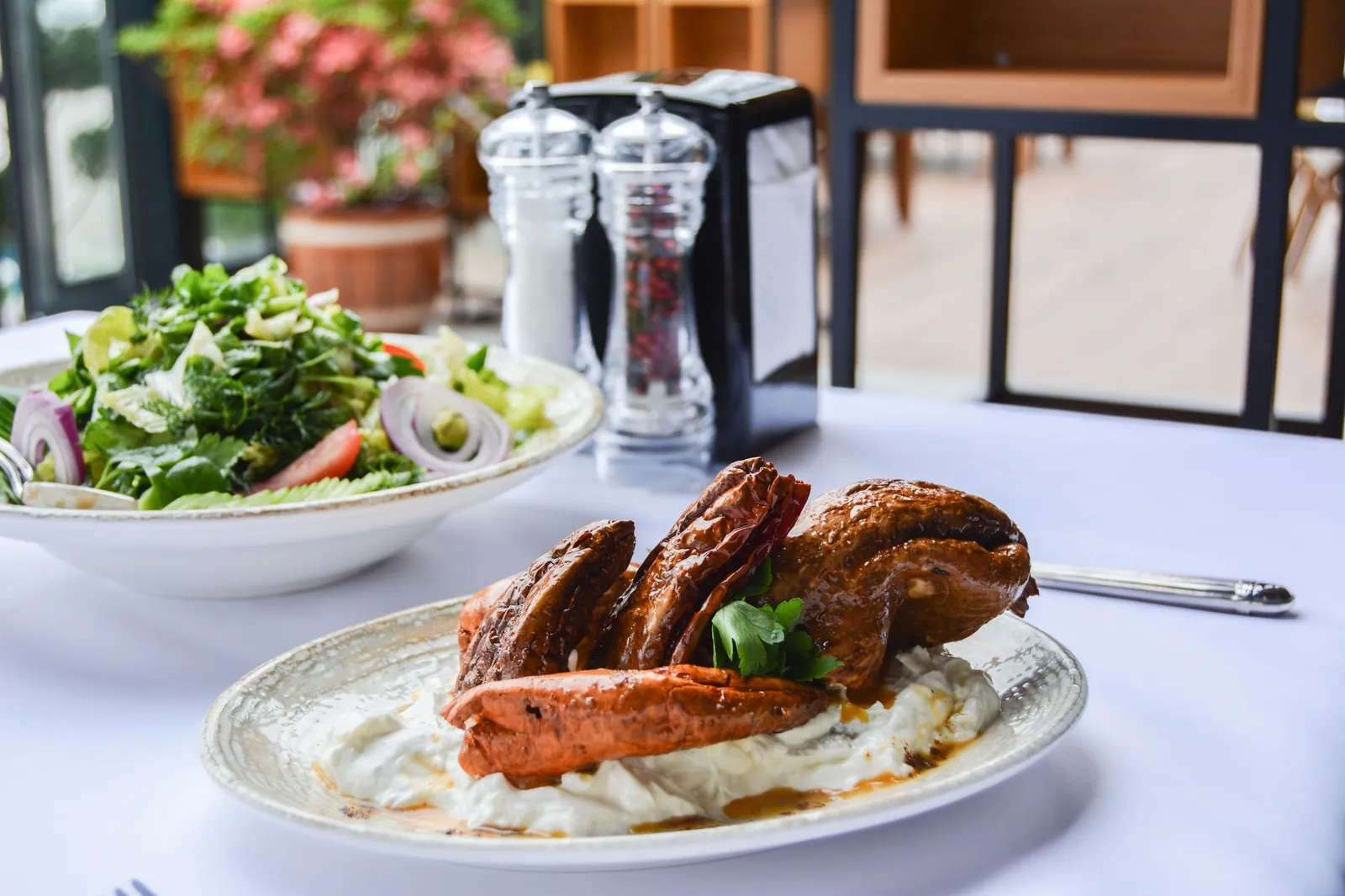
Purslane in Olive Oil
Summer's lightest olive-oil dish: purslane cooked with rice, eaten with garlic yoghurt.
Recipe
Purslane in Olive Oil
Summer's lightest olive-oil dish: purslane cooked with rice, eaten with garlic yoghurt.
 Recipe
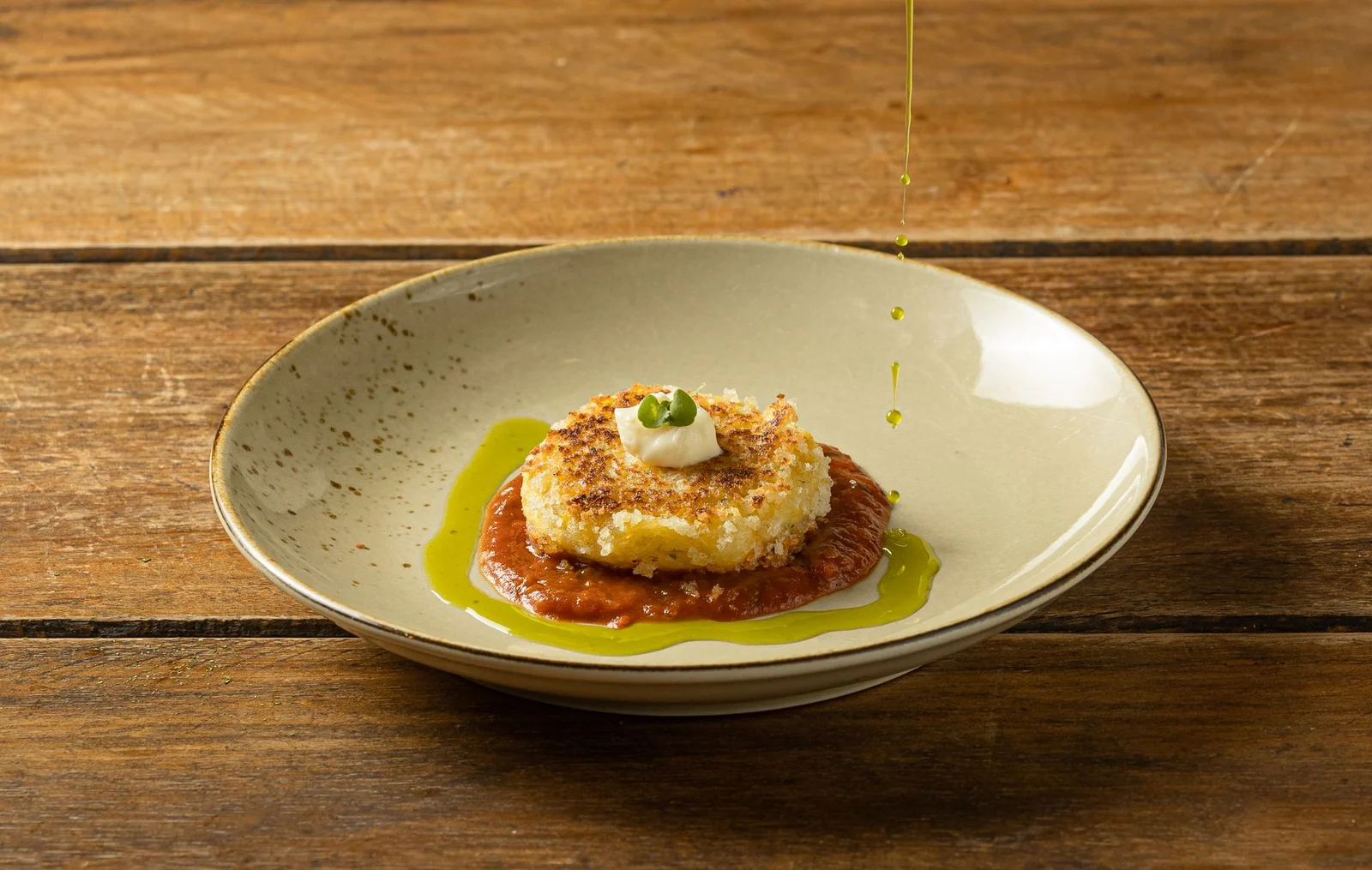
Courgette Fritters with Olives
A salty layer added to the classic fritter: chopped black olives. The secret is getting all the water out of the courgette.
Recipe
Courgette Fritters with Olives
A salty layer added to the classic fritter: chopped black olives. The secret is getting all the water out of the courgette.
 Recipe
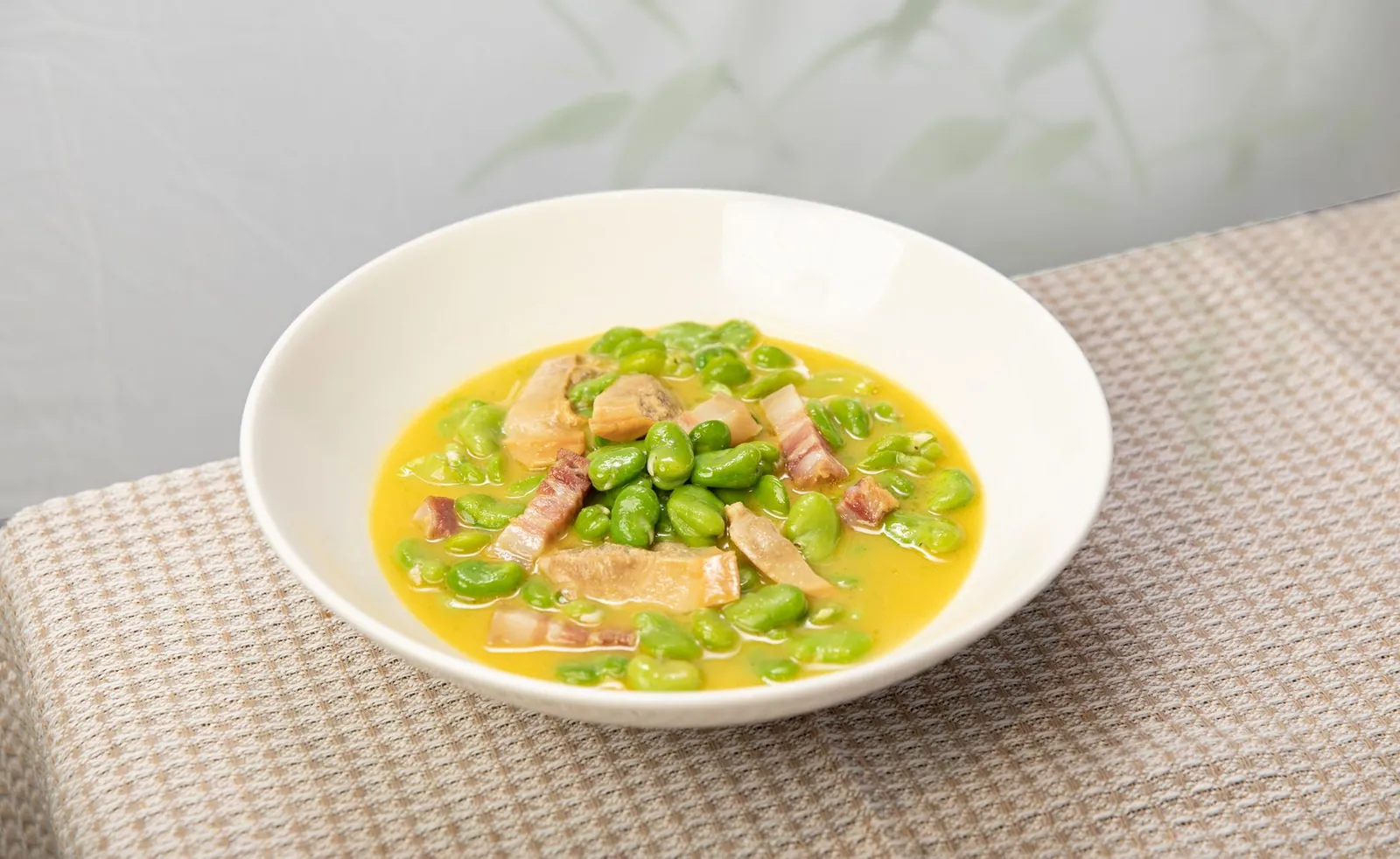
Borlotti Beans in Olive Oil (Pilaki)
Borlotti beans cooked with carrot, potato and tomato; the texture settles as it cools, served with lemon.
Recipe
Borlotti Beans in Olive Oil (Pilaki)
Borlotti beans cooked with carrot, potato and tomato; the texture settles as it cools, served with lemon.
 Recipe
Lamb Casserole with Olives
Lamb cooked slowly with green olives, lemon and rosemary — a Mediterranean casserole classic.
Recipe
Lamb Casserole with Olives
Lamb cooked slowly with green olives, lemon and rosemary — a Mediterranean casserole classic.