Kan Çelebi olive
Kan Çelebi is a recorded variety of south-eastern Anatolia. Described in the source.
Kan Çelebi is one of the recorded olive varieties of south-eastern Anatolia.
Characteristics
Originating in Nizip, this variety also shows periodicity. Yield is high and the fruit large and round; on ripening it turns pink-red.

Where it grows
Kan Çelebi is recorded in south-eastern Anatolia. The provinces where olive production concentrates in this region: Gaziantep, Kilis, Şanlıurfa, Adıyaman, Mardin.
Regional conditions, varietal spread and output: olive growing in south-eastern Anatolia
Measured values
Pomological measurements for Kan Çelebi were published in a study of southeastern Anatolian cultivars.
| Property | Value |
|---|---|
| Oil content | 17% |
| Flesh ratio | 89% |
| Fruit length × width | 25 × 21 mm |
| Fruits per kilogram | 165 |
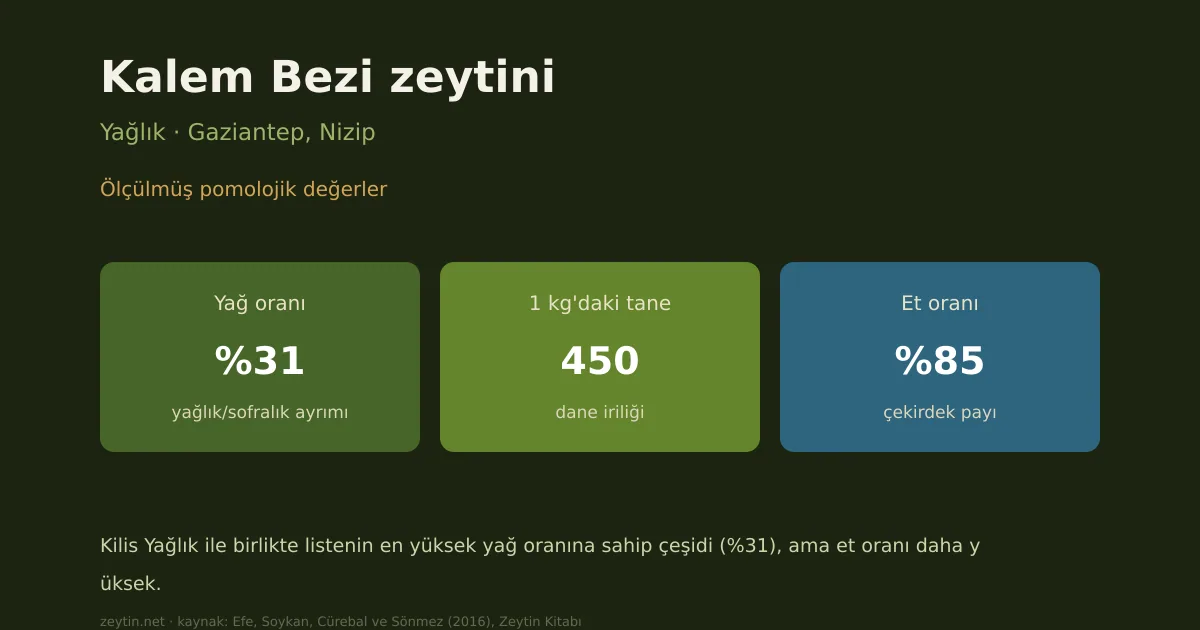
At 17% the oil content sits well below the region's oil varieties — Kilis Yağlık reaches 31%, Nizip Yağlık 27%. The flesh ratio, by contrast, is 89%: the stone accounts for less than a tenth of the fruit.
Together the two point to what the variety is for: Kan Çelebi is a table olive rather than an oil one. At 165 fruits to the kilogram it is also confirmed as large-fruited.
⚠ No published measurement was found for chilling requirement or self-fertility; those rows have not been filled in by estimation.
Other varieties of the region
Belluti · Eğriburun · Hursuki · Kalem Bezi · Kilis Yağlık · Nizip Yağlık
Locally
Kan Çelebi originates in the Nizip district of Gaziantep — the same district that gives its name to Nizip Yağlık. Nizip lies at the centre of Southeastern olive growing.
The variety shows periodicity (alternate bearing): a heavy crop one year, a light one the next. This bears directly on irrigation and husbandry decisions in the region.
More: olive growing in Gaziantep
Source
- Efe, R., Soykan, A., Cürebal, İ. & Sönmez, S. (2016) — Characteristics and Geographical Distribution of Olive Varieties Grown in Turkey, Zeytin Kitabı, pp. 37-80
- Olive map of Turkey
Where it stands among measured varieties
çeşit sayfası
çeşit sayfası
çeşit sayfası
Zeytin Kitabı — Efe, Soykan, Cürebal, Sönmez (2016), Kitabevi Yay. s.37-80
çeşit sayfası
Values are those published on each variety's own page; the comparison covers only varieties with a measured figure, so it is a comparison of what is known — not of every Turkish variety. See the full ranking and how it is built →
One rating per visitor; you can change yours at any time. Ratings are real reader votes — no seeded or default scores.
Related
 Article
Kalem Bezi olive: characteristics, oil content and growing areas
Tied with Kilis Yağlık for the highest oil content on the list (31%), but with a better flesh ratio.
Article
Kalem Bezi olive: characteristics, oil content and growing areas
Tied with Kilis Yağlık for the highest oil content on the list (31%), but with a better flesh ratio.
 Article
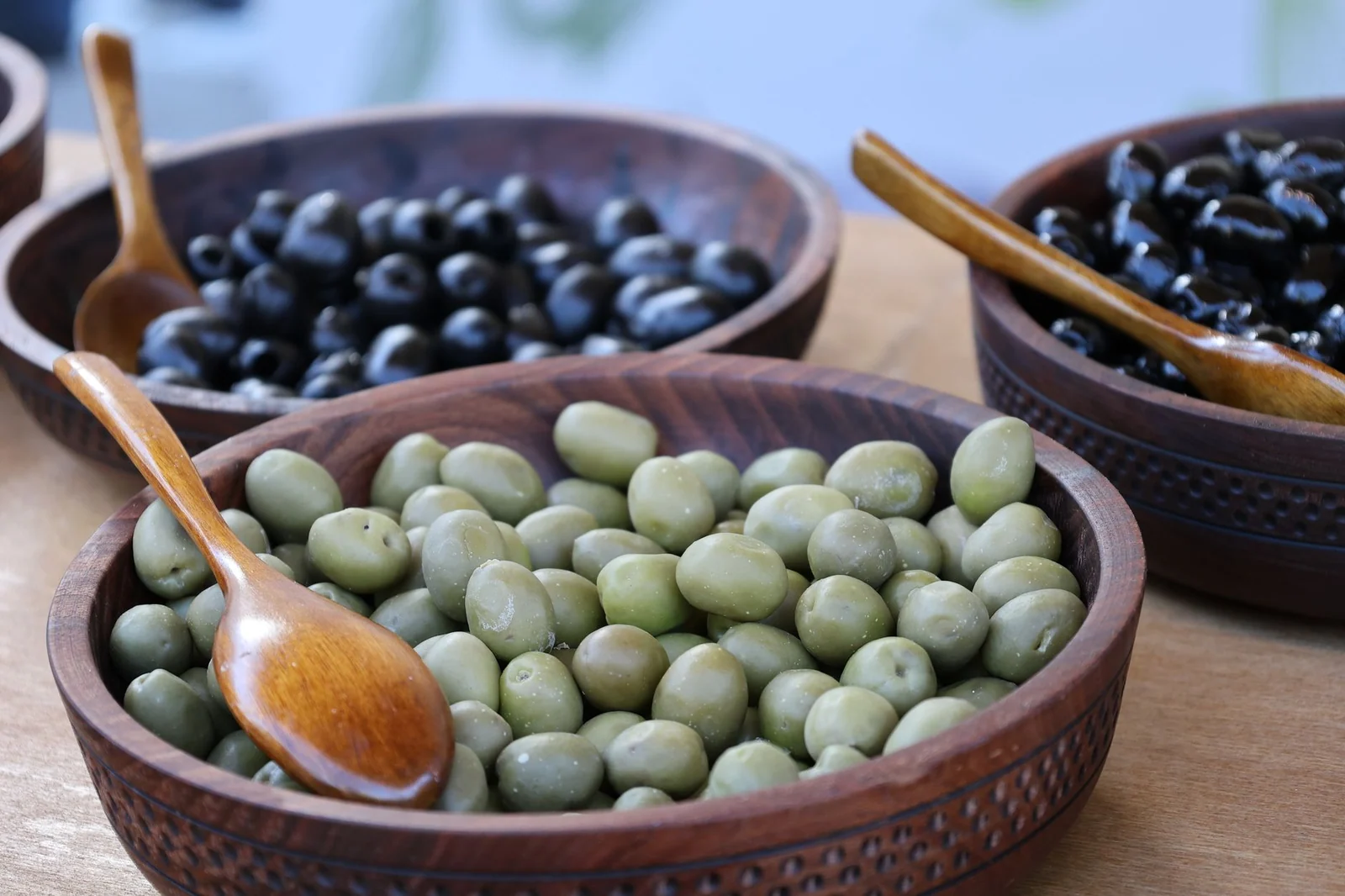
The Difference Between Black and Green Olives
Not two different trees but the same fruit at two different moments. So why do they differ in taste, texture and nutrition?
Article
The Difference Between Black and Green Olives
Not two different trees but the same fruit at two different moments. So why do they differ in taste, texture and nutrition?
 Article
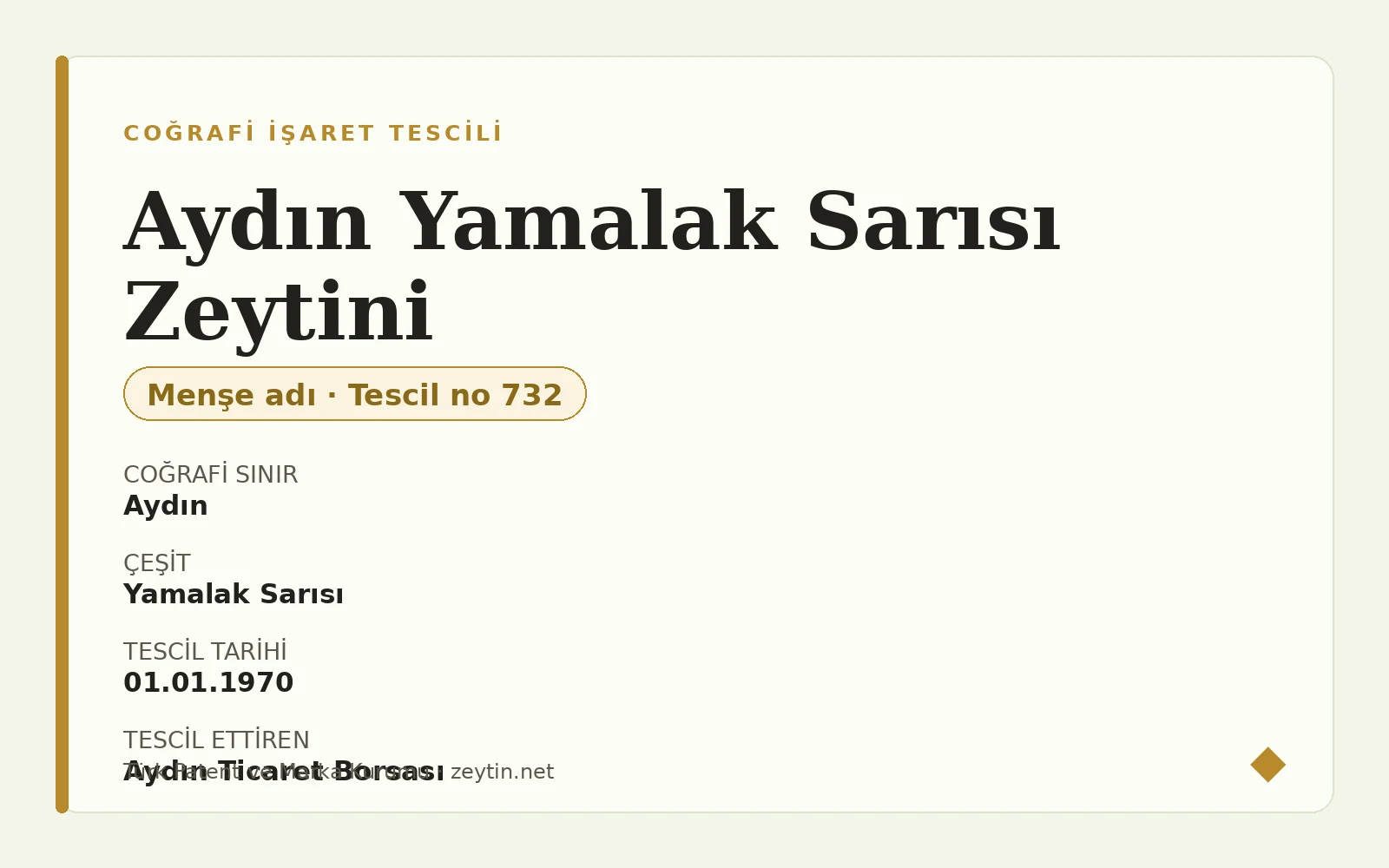
Aydın Yamalak Sarısı Olive: a table fruit reaching 11 grams
Registered in 2021. At 6-11 g the fruit is among Turkey's largest table olives. It is propagated by grafting onto wild rootstock and harvested in late September.
Article
Aydın Yamalak Sarısı Olive: a table fruit reaching 11 grams
Registered in 2021. At 6-11 g the fruit is among Turkey's largest table olives. It is propagated by grafting onto wild rootstock and harvested in late September.
 Article
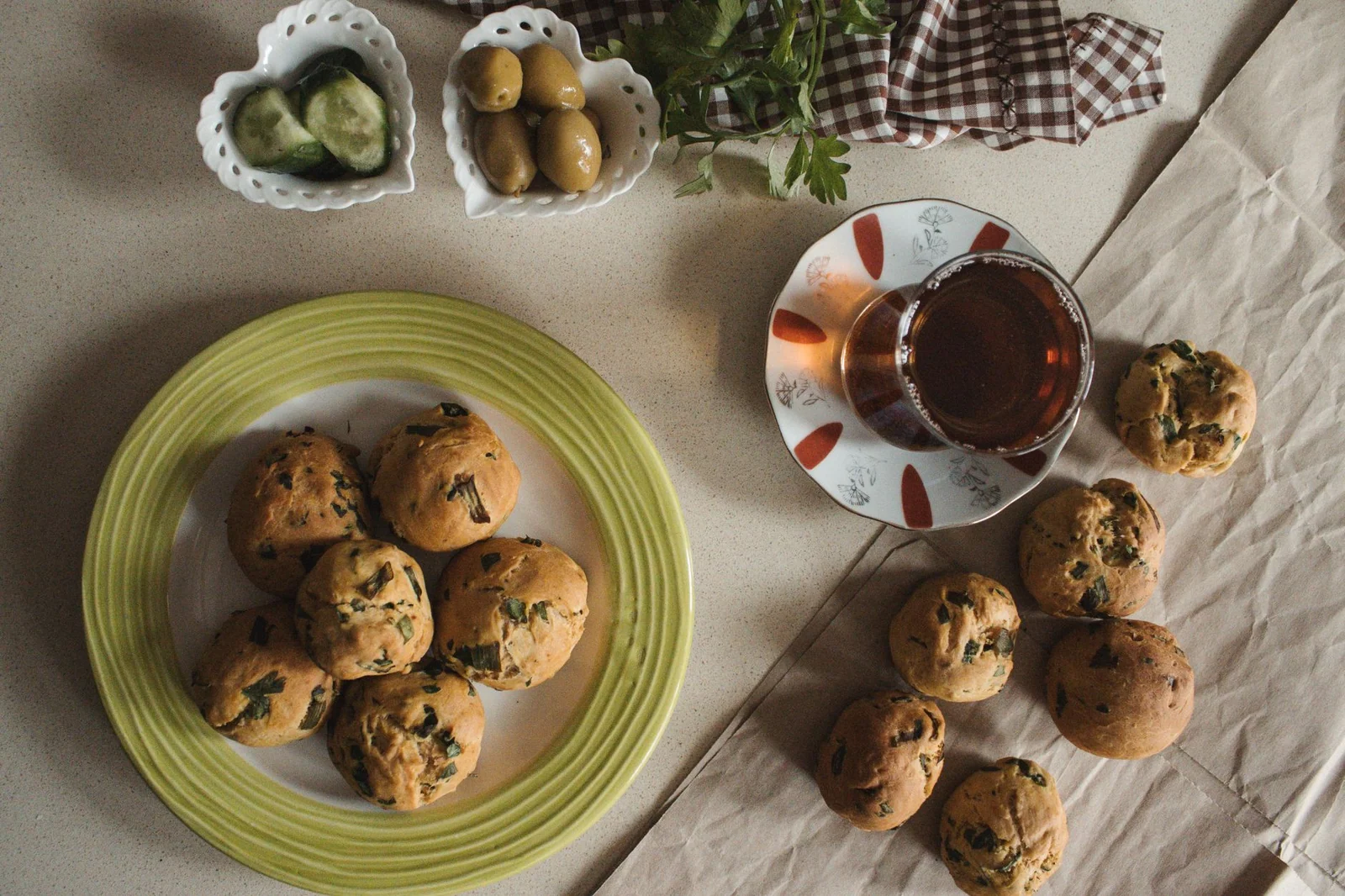
Gaziantep Green Olive Pastry: a registration that turns a recipe into a rule
The only prepared dish among olive geographical indications. The document binds the half-moon shape, the 14-15 cm diameter, the filling gram by gram, the sheep breed, and inspection twice a year. The olives used are oil-type, not table.
Article
Gaziantep Green Olive Pastry: a registration that turns a recipe into a rule
The only prepared dish among olive geographical indications. The document binds the half-moon shape, the 14-15 cm diameter, the filling gram by gram, the sheep breed, and inspection twice a year. The olives used are oil-type, not table.