Patos olive
Patos is a recorded variety of the Black Sea. Described in the source.
Patos is one of the recorded olive varieties of the Black Sea.
Characteristics
Widespread in and around Trabzon. The fruit is small and the stones very large, with an oil content of 27%. The fruit darkens early but the ripening period is long. Generally used as a table olive.

Where it grows
Patos is recorded in the Black Sea. The provinces growing olives in this region: Artvin, Trabzon, Sinop, Samsun, Ordu, Kastamonu, Tokat, Bartın, Rize and Zonguldak — output is concentrated in Artvin (740 t); elsewhere the scale is very small.
Regional conditions, varietal spread and output: olive growing in the Black Sea
Measured values
The only published figure for Patos is its oil content, and two sources are very close: one gives 26.8%, the other "26.8 to 27 per cent".
That is high for a Black Sea variety. The comparison with the region's three measured cultivars is striking: no published oil content exists for Butko, Otur or Satı — only fruit dimensions.
The sources describe the fruit as small with a very large stone, which implies a low flesh ratio despite the high oil content. The fruit darkens early but the ripening period is long, and locally it is generally processed as a table olive.
⚠ No published measurement exists for fruit weight, flesh ratio or stone weight. These have not been estimated.
Other varieties of the region
Butko · Gölvala · Marantelli · Otur
Locally
Besides the area around Trabzon, Patos is also grown in Zonguldak — that is, at both ends of the Black Sea coast. Trabzon also records the varieties İstrangili, Marantelli and Trabzon Yağlık.
Along the Black Sea, olives occupy sheltered coastal pockets and are largely grown as table olives for household use; the region accounts for about 0.2% of Turkey's output.
More: olive growing in Trabzon · olive growing in Zonguldak
Source
- Efe, R., Soykan, A., Cürebal, İ. & Sönmez, S. (2016) — Characteristics and Geographical Distribution of Olive Varieties Grown in Turkey, Zeytin Kitabı, pp. 37-80
- Olive map of Turkey
Where it stands among measured varieties
Values are those published on each variety's own page; the comparison covers only varieties with a measured figure, so it is a comparison of what is known — not of every Turkish variety. See the full ranking and how it is built →
One rating per visitor; you can change yours at any time. Ratings are real reader votes — no seeded or default scores.
Related
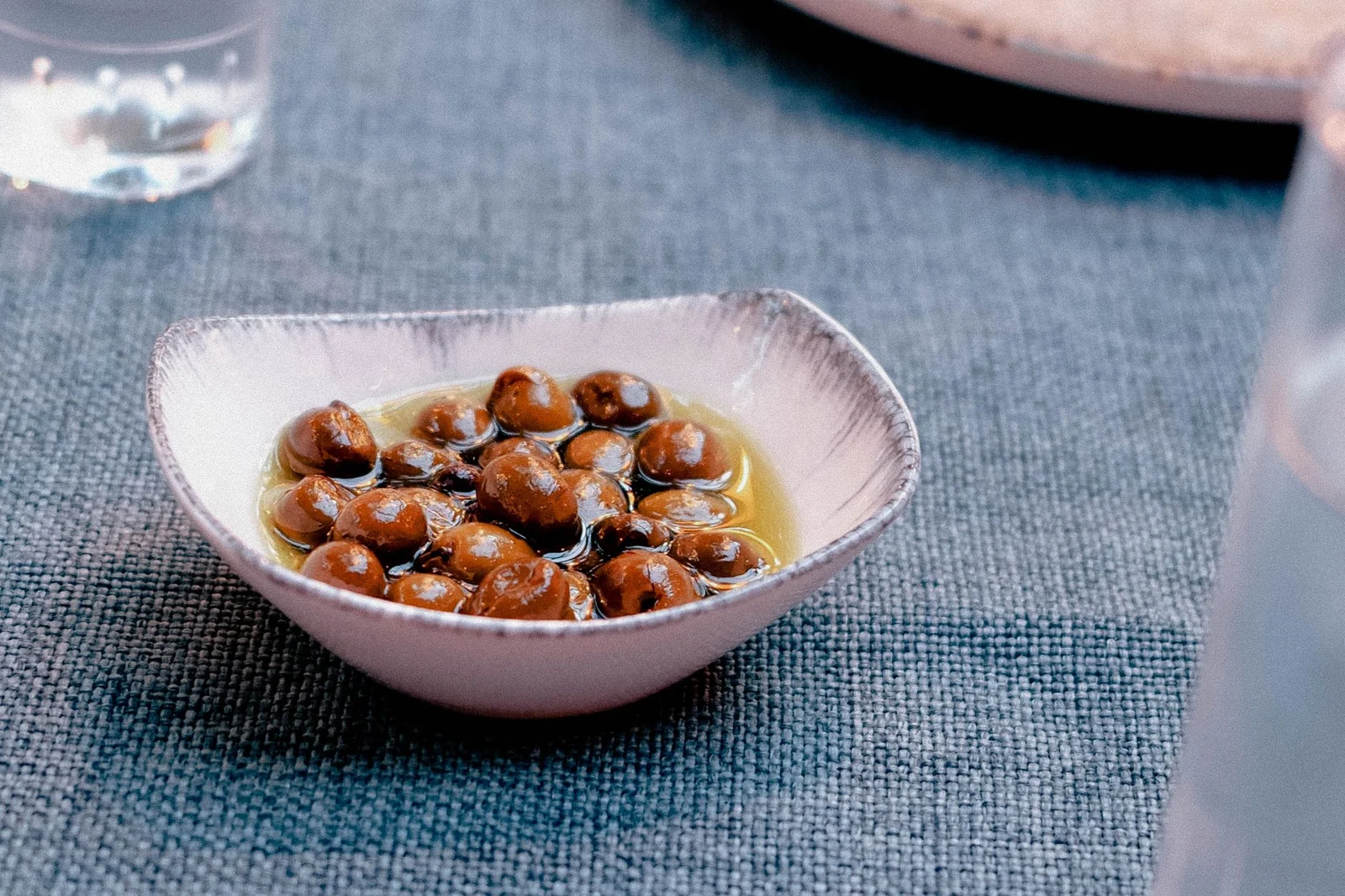 Article
Which table olive variety is best?
The leading varieties for black and green table olives, measured fruit weights, and how curing affects quality.
Article
Which table olive variety is best?
The leading varieties for black and green table olives, measured fruit weights, and how curing affects quality.
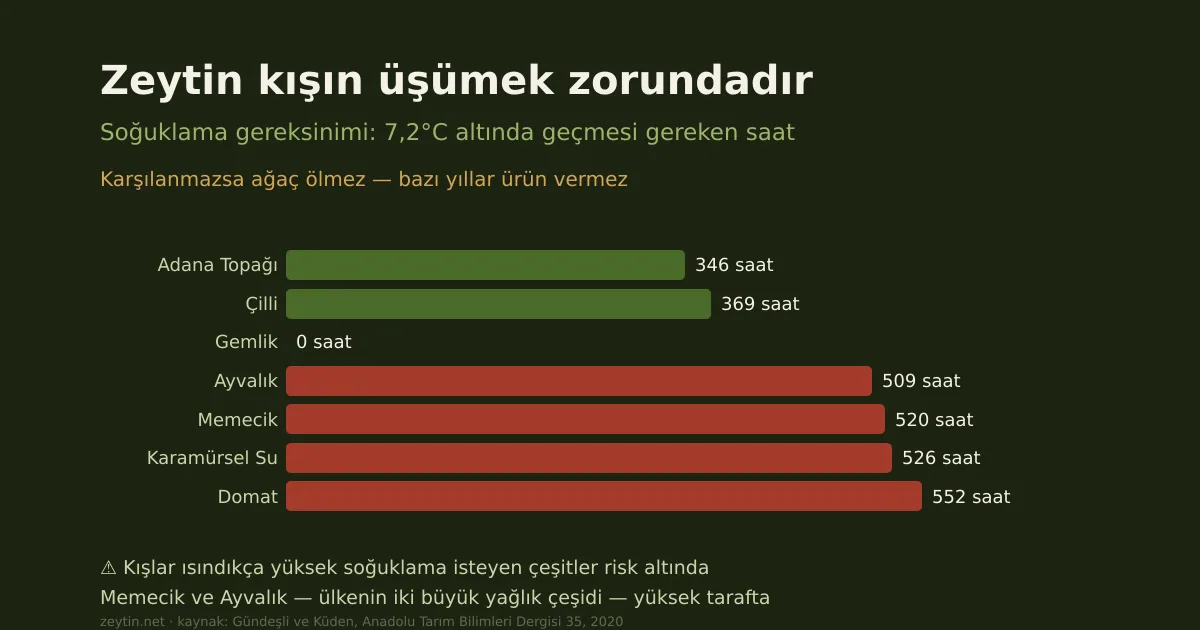 Article
Chilling requirement in olives: which variety grows where?
The olive must spend time below 7.2°C in winter. Adana Topağı needs 346 hours, Domat 552. Unmet, some years bring no crop.
Article
Chilling requirement in olives: which variety grows where?
The olive must spend time below 7.2°C in winter. Adana Topağı needs 346 hours, Domat 552. Unmet, some years bring no crop.
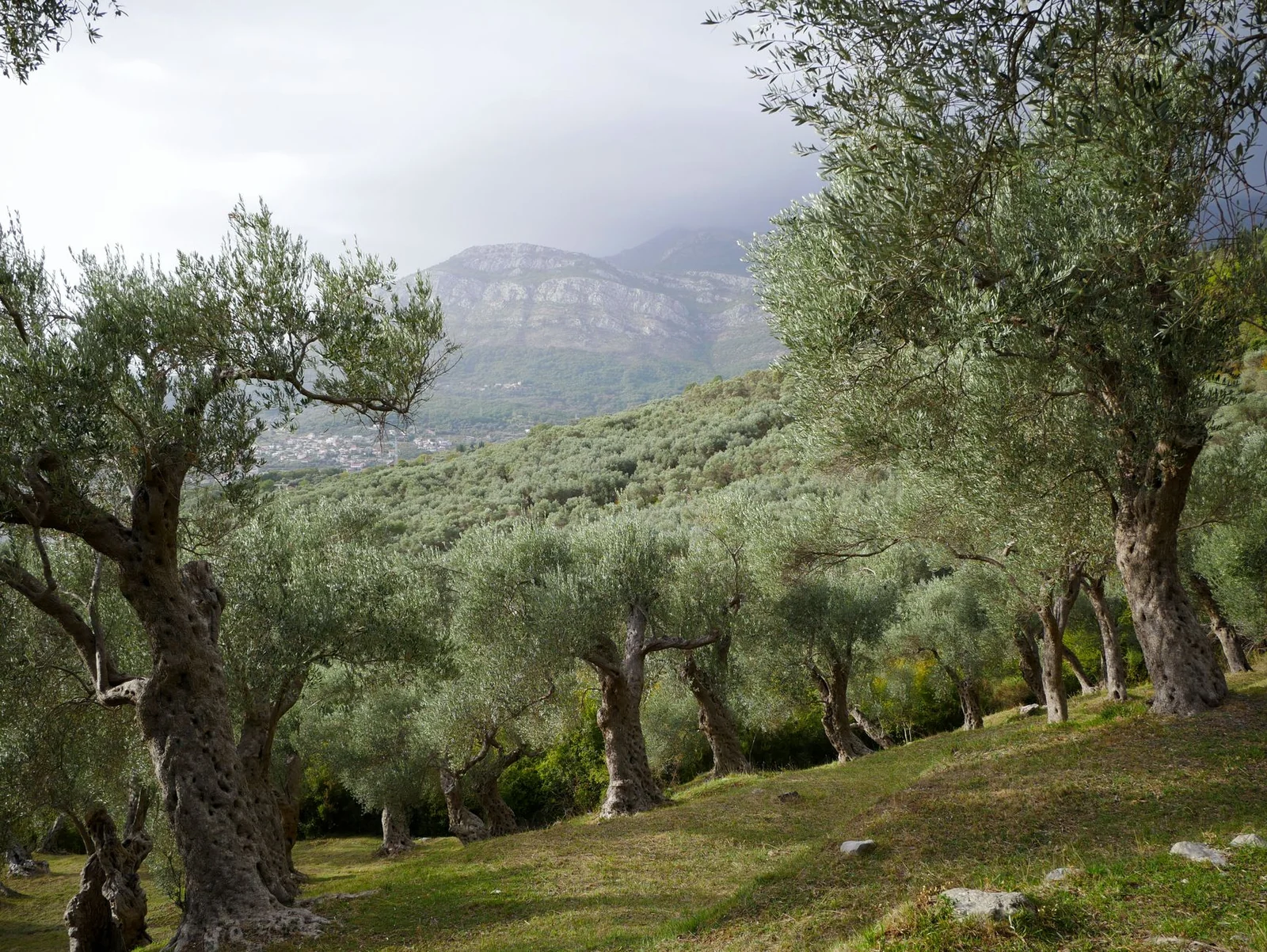 Article
Table Olive Varieties
From Gemlik to Kalamata, Manzanilla to Castelvetrano: the world's best-known table olives and what each is good for.
Article
Table Olive Varieties
From Gemlik to Kalamata, Manzanilla to Castelvetrano: the world's best-known table olives and what each is good for.
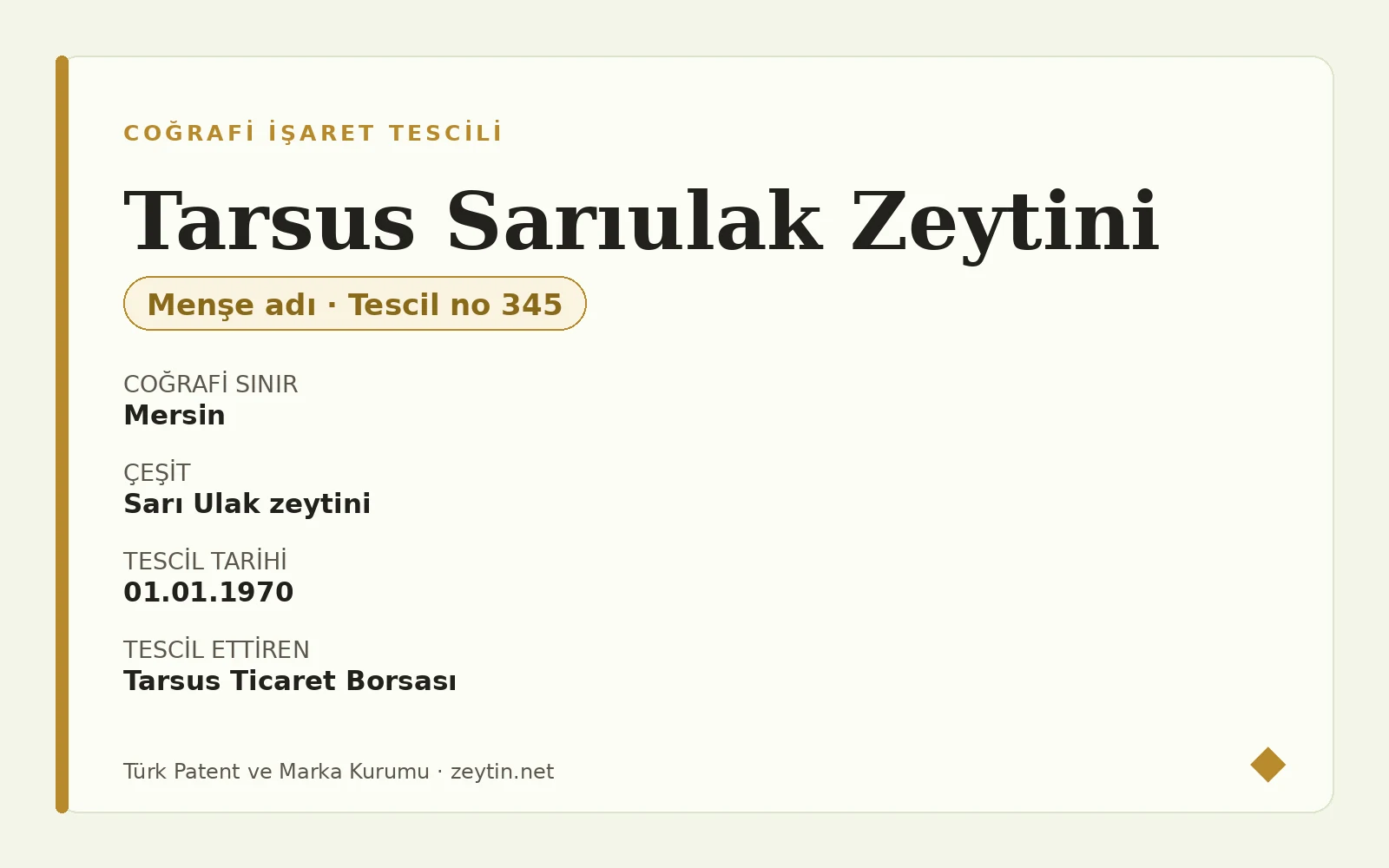 Article
Tarsus Sarıulak Olive: the same cultivar behaving differently in one place
The certificate measures Sarıulak in Tarsus and generally, side by side: it flowers a month earlier, ripens a month later, and has larger fruit and more flesh.
Article
Tarsus Sarıulak Olive: the same cultivar behaving differently in one place
The certificate measures Sarıulak in Tarsus and generally, side by side: it flowers a month earlier, ripens a month later, and has larger fruit and more flesh.