Olives and Olive Oil: Frequently Asked Questions
Does the fridge test work, what separates extra virgin from riviera, can you fry with olive oil? The 18 most common questions, answered briefly.
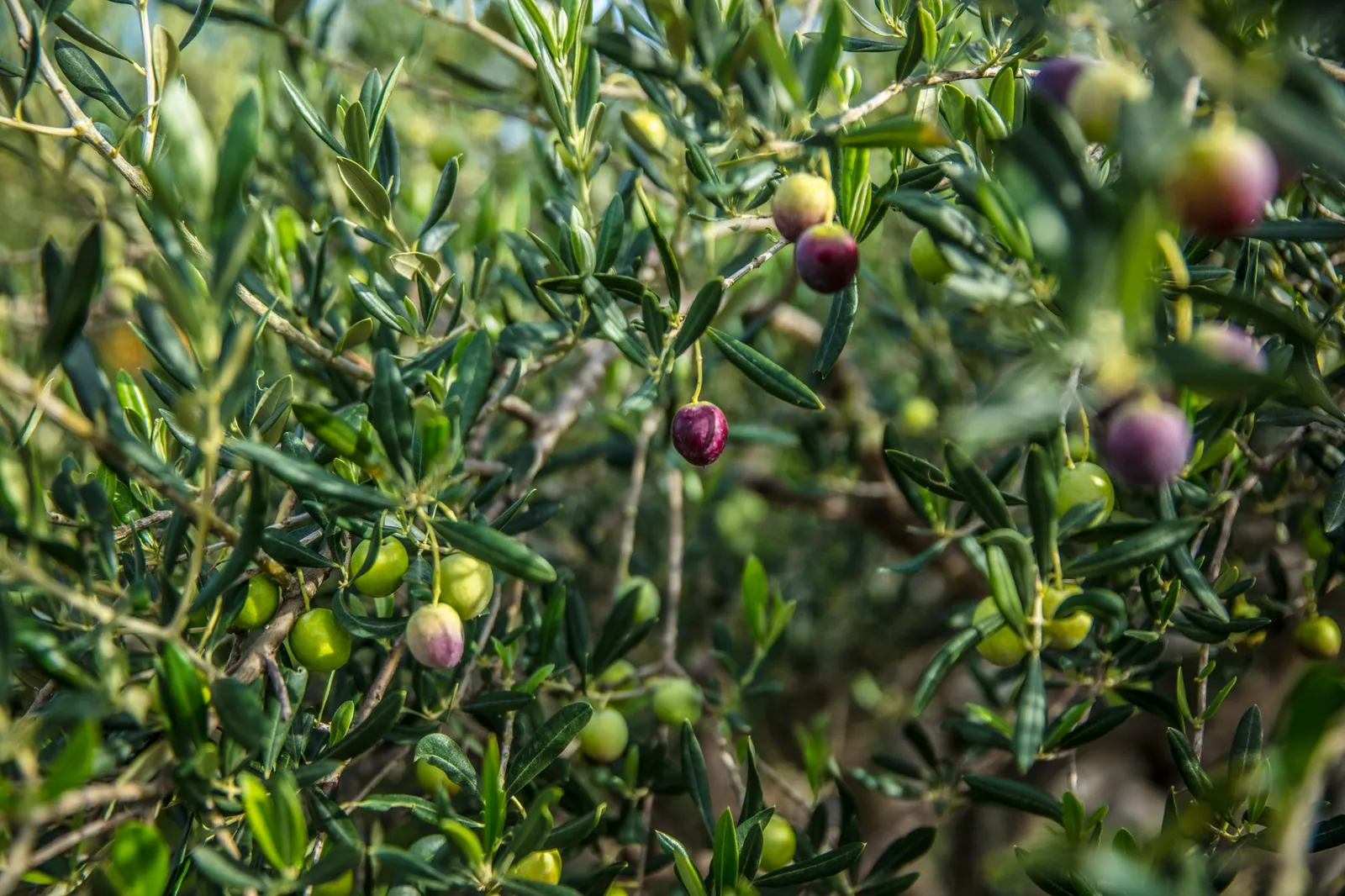
The questions most often asked about olives and olive oil, with short answers. Each links to the article that treats the subject in full.
Is olive oil genuine if it solidifies in the fridge?
No, that is a myth. Olive oil clouds in the cold and forms waxy sediment; this is natural but varies with filtration, variety and temperature. Refined oil can also solidify and a good extra virgin may not cloud. The fridge test says nothing about adulteration.
What is the difference between extra virgin and riviera olive oil?
Extra virgin is extracted by mechanical means only, has free acidity of at most 0.8% and must show no defect in the sensory panel. Riviera is refined oil blended with some virgin oil; the label usually reads simply 'olive oil'.
Can you fry with olive oil?
Yes. The smoke point of extra virgin olive oil is around 190-210 °C, while home frying is usually done at 170-190 °C. However polyphenols are consumed during frying, so extra virgin loses its nutritional advantage; for deep frying, riviera is the more sensible choice.
What does acidity in olive oil mean?
It is the free fatty acid level and measures breakdown in the oil; it has nothing to do with sour taste. Extra virgin may not exceed 0.8% and virgin 2%. Low acidity alone is not proof of quality, since refined oil can be brought down chemically.
How can you tell good olive oil?
A fresh extra virgin leaves a slight sting at the back of the throat on swallowing and smells of fresh grass or green apple. Flat taste and no smell means either a refined blend or an oil past its best. Colour is not an indicator of quality, which is why professional tasting glasses are coloured.
How should olive oil be stored?
Away from light, heat and air. Dark glass or tin, a cool shelf below room temperature, and a tightly closed cap. Oil kept beside the stove in a clear bottle deteriorates noticeably within months. A refrigerator is not needed.
How long does olive oil keep?
Olive oil does not mature, it ages. The first 12-18 months after harvest are generally its best period. A best-before date is not a substitute for a harvest date, since it runs from bottling: oil harvested two years ago may still show a date in the future.
What does it mean if the label says only 'olive oil'?
The product is not extra virgin. Oil that is extra virgin says so plainly on the label. A bottle marked only 'olive oil' usually means the riviera grade — refined oil blended with a little virgin oil.
Do black and green olives come from different trees?
No, they are the same fruit. The difference is when they are picked: green olives once the fruit reaches full size but before it changes colour, black olives once fully ripe.
How can you tell whether black olives have been darkened?
Read the ingredients list. If ferrous gluconate (E579) appears, the olives were darkened chemically; declaring the additive is mandatory. Naturally ripened black olives also vary in tone from fruit to fruit, while darkened ones are a uniform matte black with a pale stone.
Why can't olives be eaten straight from the tree?
The fruit contains a polyphenol called oleuropein that gives it a sharp, lingering bitterness; it is the tree's own defence. Because it is water-soluble, olives are cured in water, brine, dry salt or lye to remove it.
How much fruit does one kilo of olive oil take?
Roughly five to six kilos of olives. The exact ratio depends on variety, ripeness and extraction method. It is a useful way to test whether a shelf price squares with the cost of the raw material.
When are olives harvested?
In Turkey the harvest generally begins in October and runs to January. Oil from early-picked green olives is more bitter, more pungent and richer in polyphenols but lower in yield; a late harvest gives more oil with a softer aroma.
How much olive oil should you have a day?
There is no exact figure; it depends on total energy needs. The practical range recurring in studies of the Mediterranean pattern is two to four tablespoons a day, with one tablespoon carrying about 120 calories. What matters is replacing solid fats with olive oil rather than adding it on top.
Is olive oil good for the heart?
Olive oil is not a medicine and prevents no disease on its own. Replacing saturated fats with monounsaturated fats is regarded as favourable for blood cholesterol. The only claim authorised by the European Food Safety Authority is that olive oil polyphenols contribute to protecting blood lipids from oxidative stress, conditional on at least 5 mg of hydroxytyrosol per 20 g of oil daily. This is not medical advice.
How many calories are in an olive?
100 grams of brined table olives carries on average 115-145 calories; a single medium olive is about 4-5. Almost all of the energy comes from fat. The sodium content of brined olives is also worth noting.
Does a geographical indication guarantee quality?
No — it is a guarantee of identity, not a quality grade. It states that the product comes from the place whose name it bears and that the registered production method was followed. It does not say the oil is extra virgin or low in acidity; those are separate measures.
Does the colour of olive oil show its quality?
No. Colour depends on variety, harvest timing and chlorophyll content, and bears no relation to quality. Official tasting glasses are coloured for exactly this reason — the taster must not be influenced by it.
One rating per visitor; you can change yours at any time. Ratings are real reader votes — no seeded or default scores.
Related
 Article
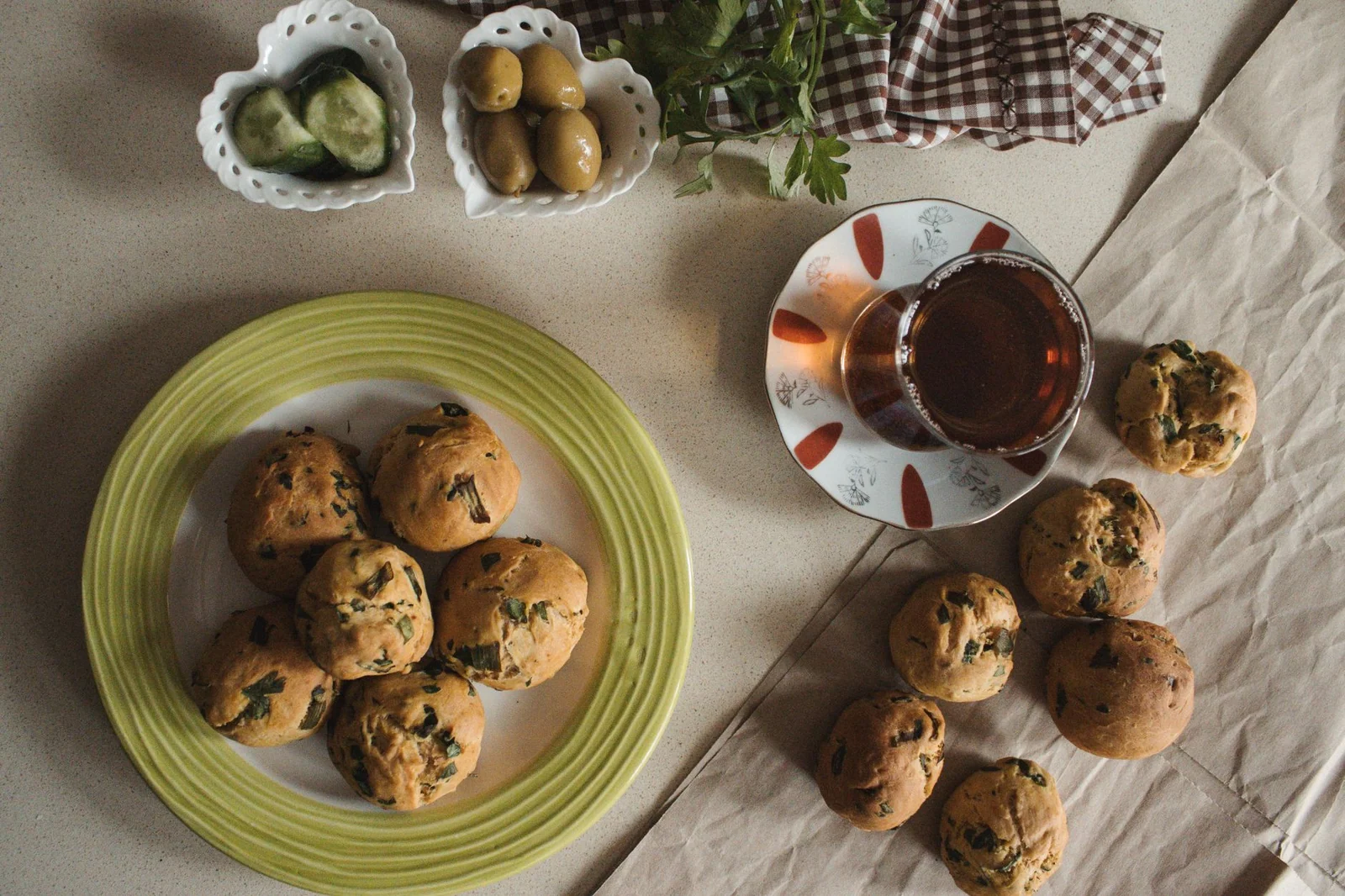
Gaziantep Green Olive Pastry: a registration that turns a recipe into a rule
The only prepared dish among olive geographical indications. The document binds the half-moon shape, the 14-15 cm diameter, the filling gram by gram, the sheep breed, and inspection twice a year. The olives used are oil-type, not table.
Article
Gaziantep Green Olive Pastry: a registration that turns a recipe into a rule
The only prepared dish among olive geographical indications. The document binds the half-moon shape, the 14-15 cm diameter, the filling gram by gram, the sheep breed, and inspection twice a year. The olives used are oil-type, not table.
 Article
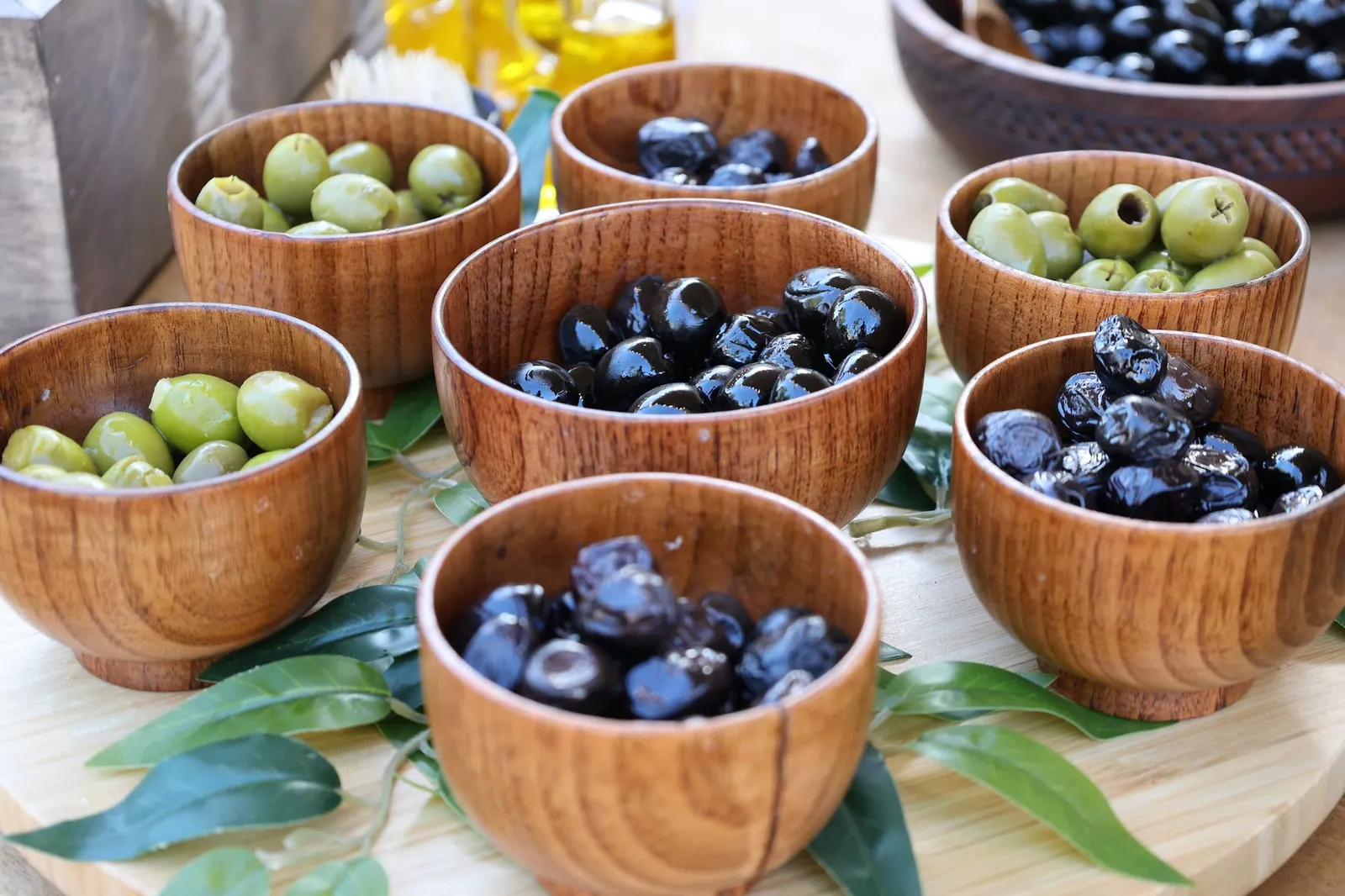
Table Olives: Types, Curing and How to Choose
From green to black, cracked to dry-cured: how table olives are made, chosen and kept.
Article
Table Olives: Types, Curing and How to Choose
From green to black, cracked to dry-cured: how table olives are made, chosen and kept.
 Article
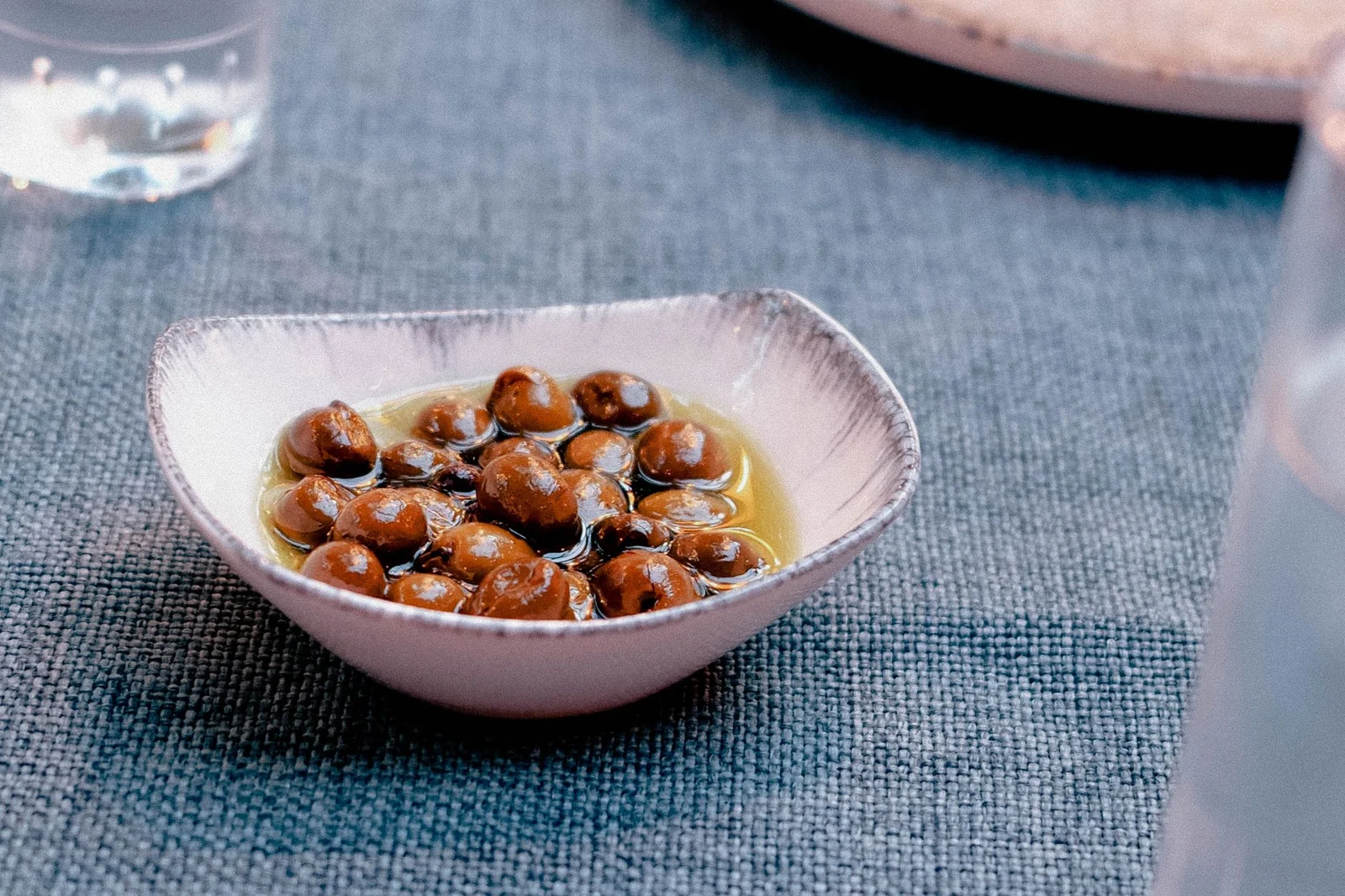
Which table olive variety is best?
The leading varieties for black and green table olives, measured fruit weights, and how curing affects quality.
Article
Which table olive variety is best?
The leading varieties for black and green table olives, measured fruit weights, and how curing affects quality.
 Article
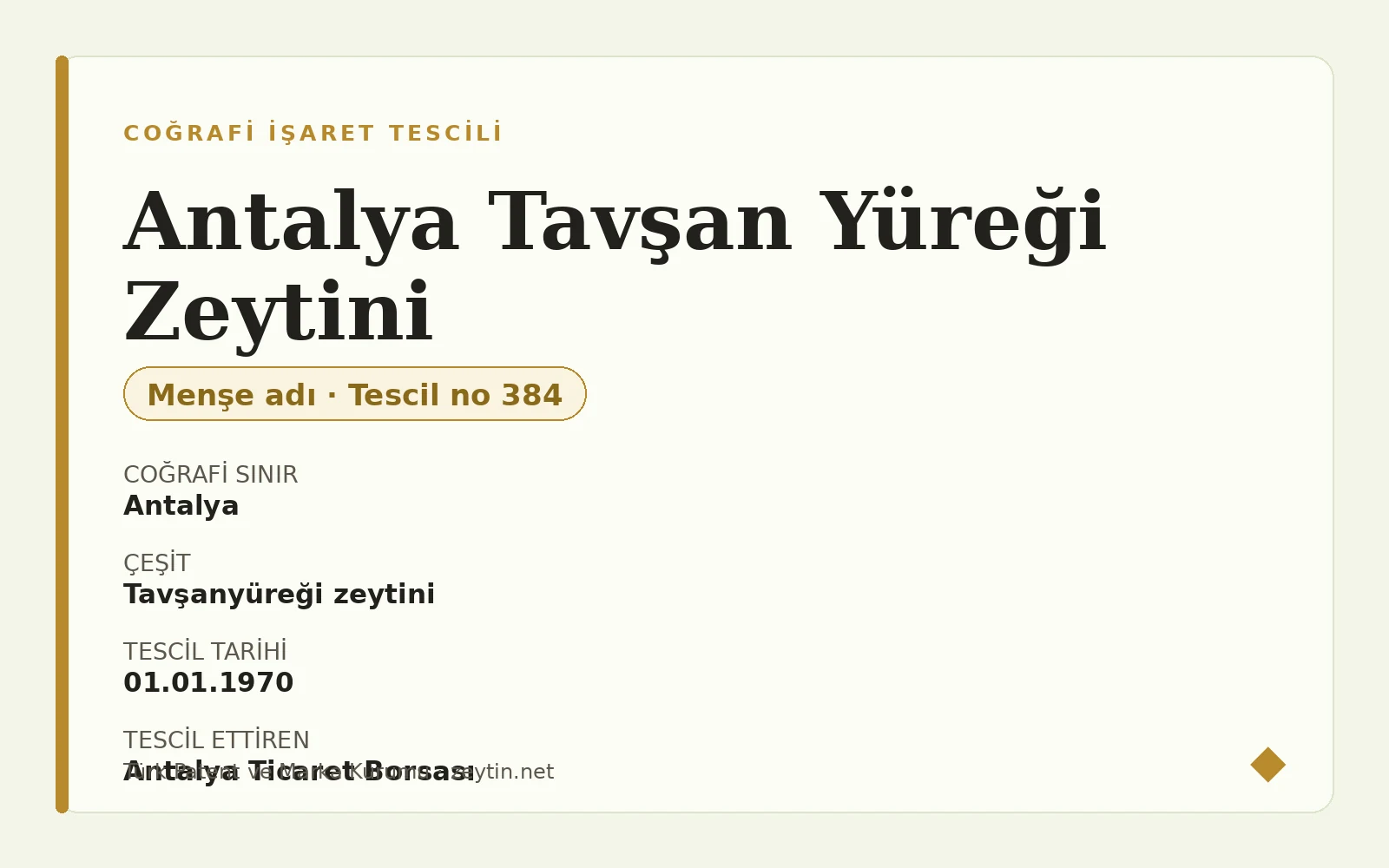
Antalya Tavşan Yüreği Olive: a registration named after the shape of its fruit
Registered in 2018. Fruit and stone are heart-shaped; picked green, its oil runs 9-20.2%, rising to 25% at black maturity.
Article
Antalya Tavşan Yüreği Olive: a registration named after the shape of its fruit
Registered in 2018. Fruit and stone are heart-shaped; picked green, its oil runs 9-20.2%, rising to 25% at black maturity.