What Is the Mediterranean Diet?
Not a weight-loss plan but a pattern of eating. The basics of the Mediterranean way of eating, recognised by UNESCO, and where olive oil sits within it.
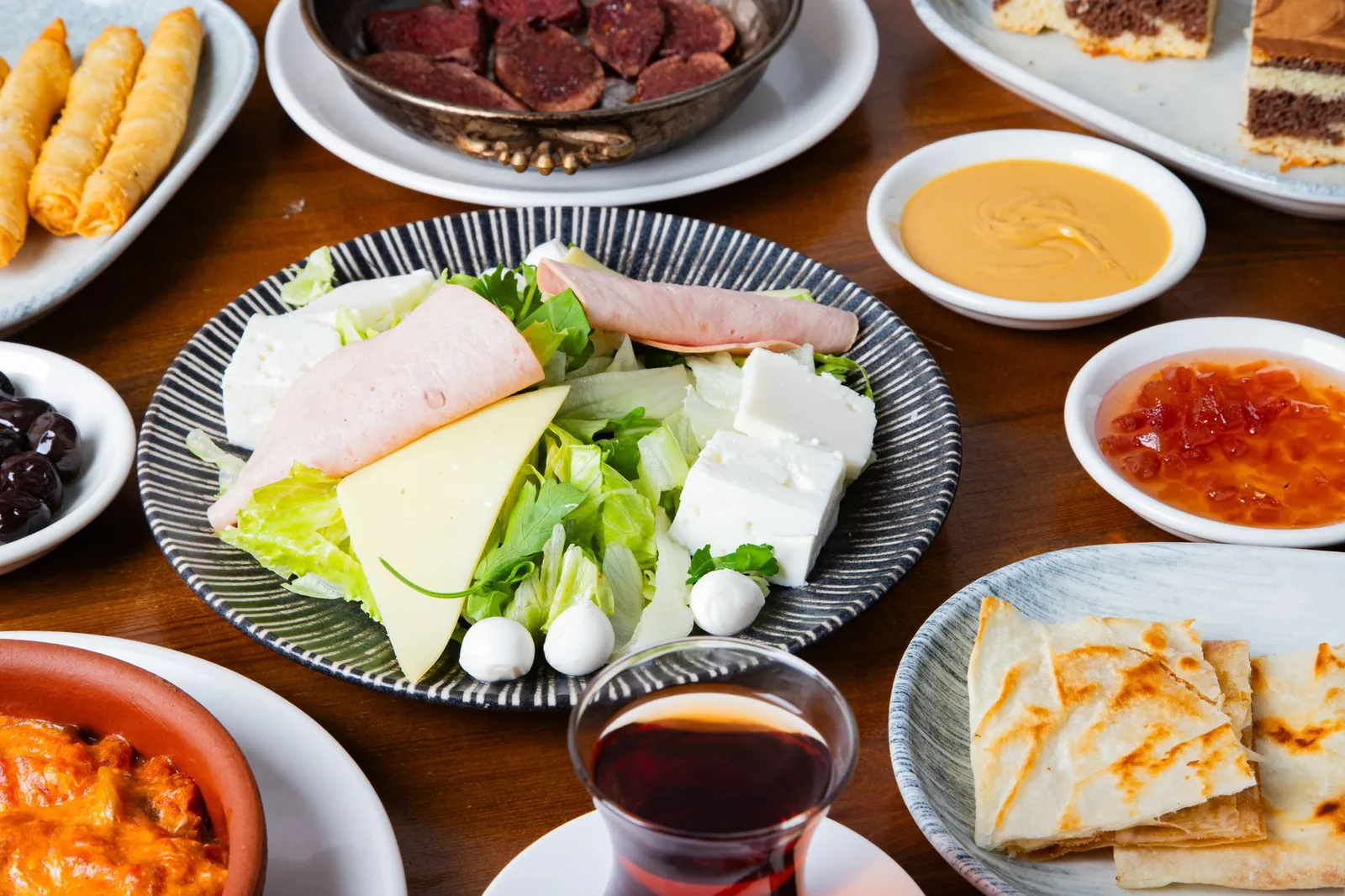
The name "Mediterranean diet" can mislead: it is not a weight-loss plan. It is a model described in the 1960s by observing the ordinary eating habits of people in southern Italy, Greece and the surrounding region. In 2010 UNESCO added it to the Representative List of the Intangible Cultural Heritage of Humanity — because it is about more than the plate: production, season and the shared table count too.
The basic frame
Every day, generously: vegetables, fruit, whole grains, legumes, nuts and olive oil. Olive oil is the principal fat; butter and margarine are exceptions.
Several times a week: fish and seafood, eggs, cheese and yoghurt (in moderation, mostly fermented).
Rarely: red and processed meat. A few times a month, in small portions.
Almost never: sugary drinks, ready-made desserts, heavily processed products.
Two further elements are usually left out of the summary: water as the main drink, and an active daily life.
The role of olive oil
In this pattern olive oil is not one ingredient among many; it is the carrier. Vegetables are cooked in it, salads are dressed with it, legumes are finished with it. Absorbing the fat-soluble vitamins in vegetables — A, D, E, K — requires some fat alongside them, and olive oil performs that task while bringing its own monounsaturated fatty acids and polyphenols.
The Turkish category of zeytinyağlılar is the local expression of exactly this logic: artichokes, green beans, borlotti beans, stuffed vine leaves. Vegetable dishes eaten cool, finished with olive oil and lemon.
Common mistakes
- Adding olive oil and changing nothing else. The effect comes from the pattern as a whole.
- Forgetting portions. Olive oil is calorie-dense; "healthy" does not mean unlimited. Two to four tablespoons a day is a common practical measure.
- Treating cheese as unlimited. Dairy is moderate in this pattern.
- Mistaking white bread for whole grain. Whole grain means the entire grain is used.
Why it gets so much attention
Because it rests not on a single food but on a pattern: high fibre, low saturated fat, few processed products, plenty of vegetables. Those features already appear as shared advice in most national dietary guidelines. The Mediterranean diet did not invent them; it simply describes a cuisine that has held them together for centuries.
The information on this page is general nutrition information and not medical advice; anyone with a chronic condition should plan dietary changes with their doctor.
One rating per visitor; you can change yours at any time. Ratings are real reader votes — no seeded or default scores.
Related
 Article
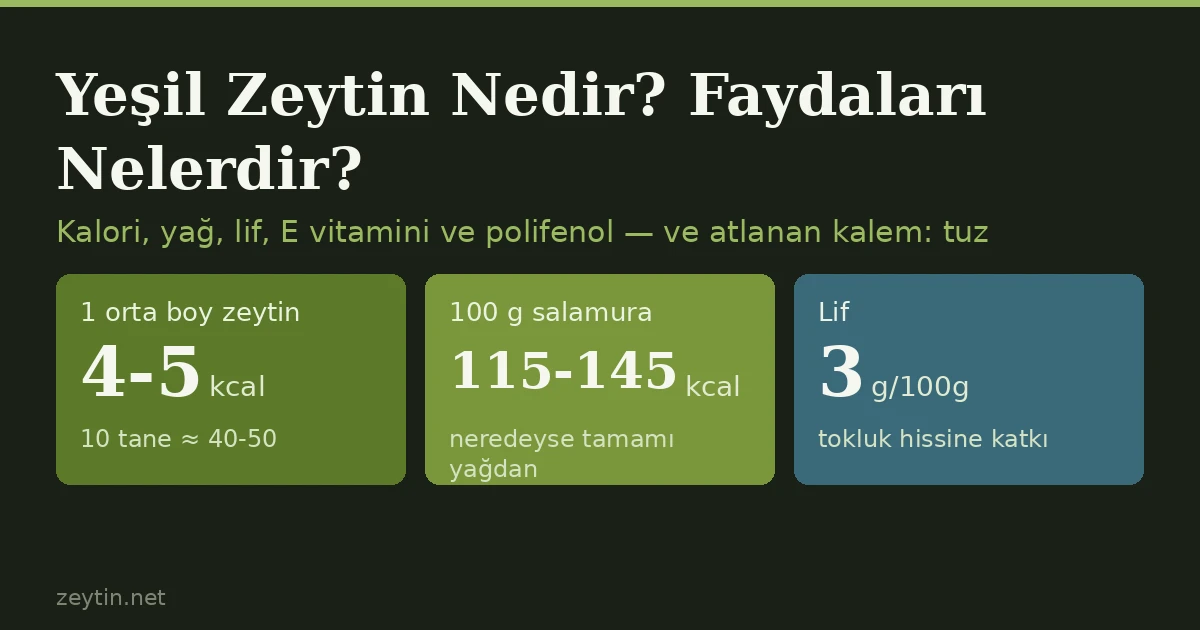
What Are Green Olives? What Are Their Benefits?
What green olives are, what they contain and how many calories. Fat, fibre, vitamin E and polyphenols — and the salt that portion talk must not skip.
Article
What Are Green Olives? What Are Their Benefits?
What green olives are, what they contain and how many calories. Fat, fibre, vitamin E and polyphenols — and the salt that portion talk must not skip.
 Article
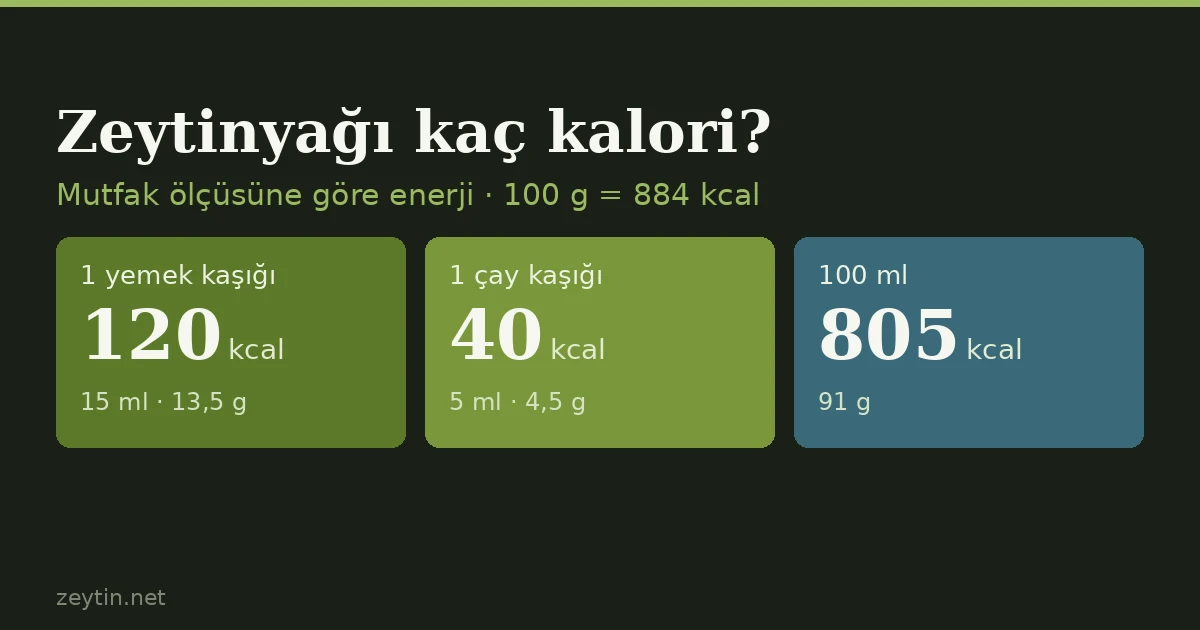
How many calories are in olive oil? Tablespoon, teaspoon and 100 ml
One tablespoon of olive oil has about 120 calories and one teaspoon about 40. Extra virgin, refined blends and sunflower oil carry almost the same energy. A measure table, plus how to count it in salads and cooked dishes.
Article
How many calories are in olive oil? Tablespoon, teaspoon and 100 ml
One tablespoon of olive oil has about 120 calories and one teaspoon about 40. Extra virgin, refined blends and sunflower oil carry almost the same energy. A measure table, plus how to count it in salads and cooked dishes.
 Article
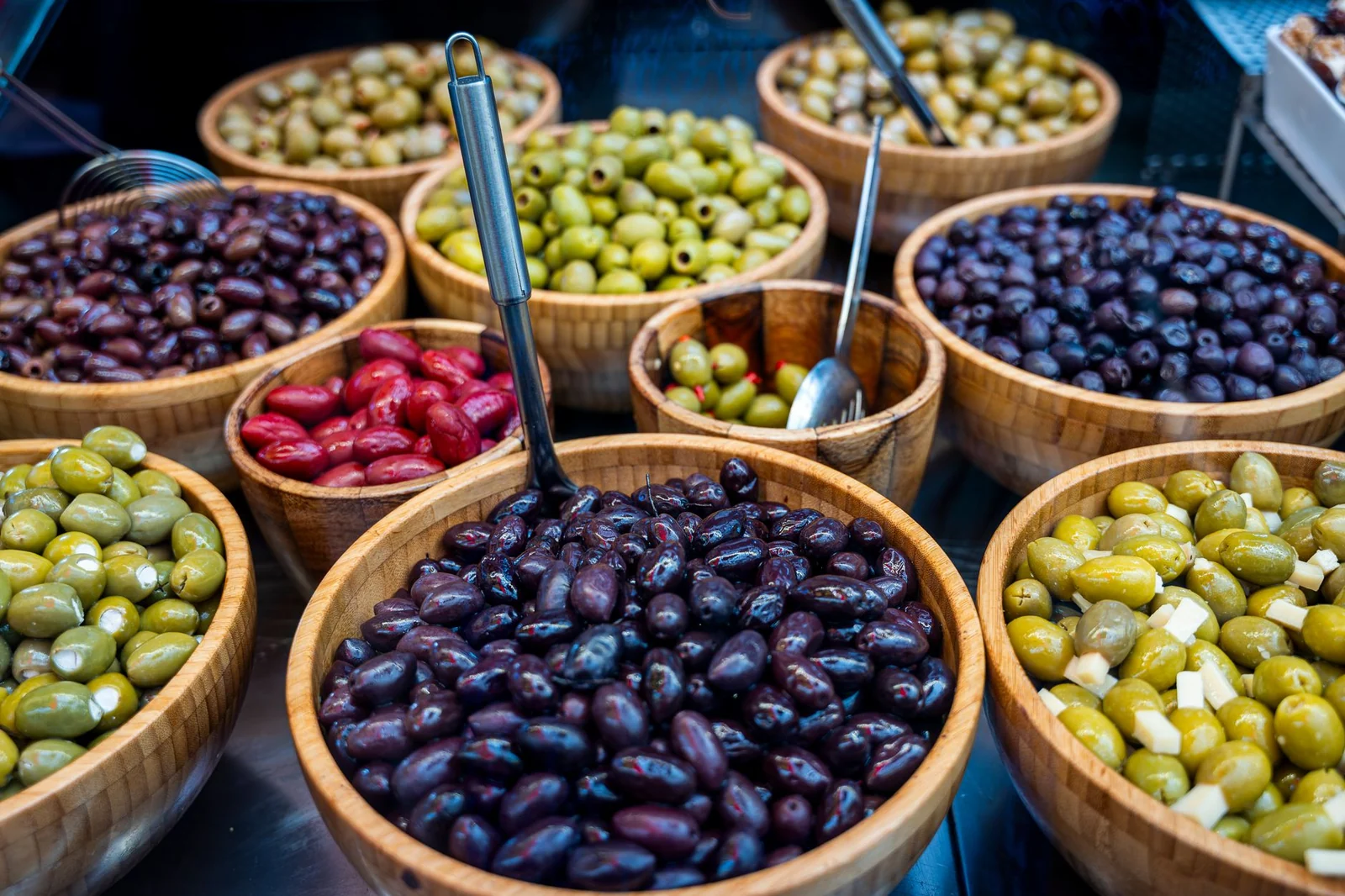
How many calories are in olives? Nutrition and portion table
What is actually in an olive? Fat, fibre, iron, vitamin E — and the salt you should not ignore.
Article
How many calories are in olives? Nutrition and portion table
What is actually in an olive? Fat, fibre, iron, vitamin E — and the salt you should not ignore.
 Article
What Are the Benefits of Olives? What Do They Actually Provide?
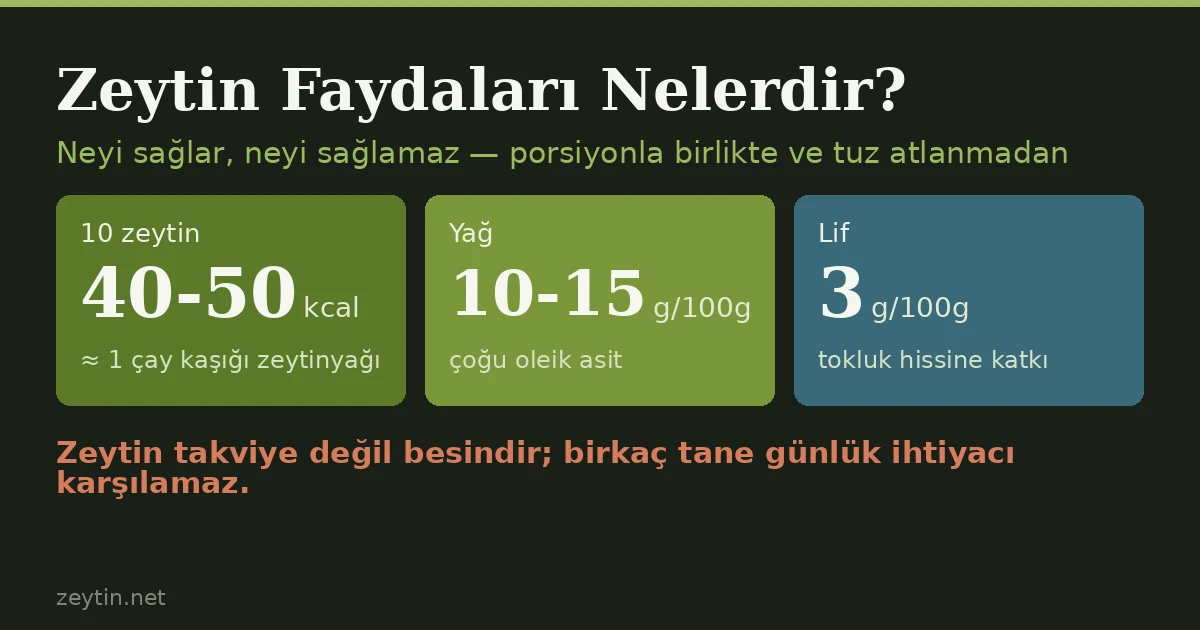
What olives do and do not provide. Fat, fibre, vitamin E, iron and polyphenols — without overstatement, with portions, and without skipping salt.
Article
What Are the Benefits of Olives? What Do They Actually Provide?
What olives do and do not provide. Fat, fibre, vitamin E, iron and polyphenols — without overstatement, with portions, and without skipping salt.