Table olives with half the salt: potassium, calcium and magnesium instead of sodium
Researchers at Spain's Instituto de la Grasa (CSIC) cut sodium in pimento-stuffed green Manzanilla olives from 14,216 mg to about 7,100 mg per kilogram. Potassium, calcium and magnesium salts added to the packing brine made the olives a source of these minerals.
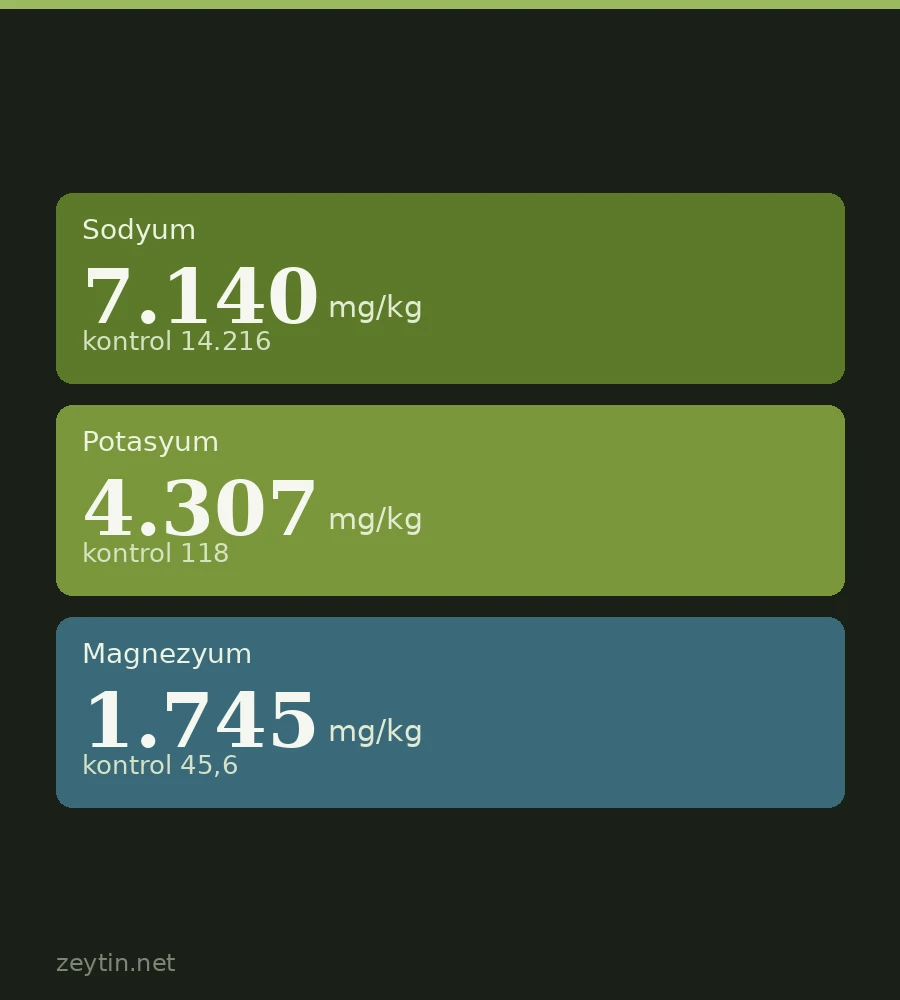
Table olives are nutritious, but they have one weak point: salt. 100 grams of stuffed green olives in brine supply about 59% of the daily sodium reference intake. Researchers at the Instituto de la Grasa in Seville, part of Spain's National Research Council (CSIC), took a different approach: instead of only cutting salt, they replaced it with other minerals the body needs. The study was published in Foods on 9 May 2026.
What they did
The trial used one of Spain's biggest export products: pimento-paste-stuffed, Spanish-style green Manzanilla olives. The olives were first soaked in a cold room until the salt in the flesh fell to 2.5%. They were then packed in glass jars in brine that still contained 2.5% table salt plus 2.5% of a mineral salt mixture of potassium chloride (KCl), calcium chloride (CaCl₂) and magnesium chloride (MgCl₂).
The mixture ratios were set with a statistical design (response surface methodology), with 15 treatments including a standard-brine control. Lactic acid at 0.5% brought pH to about 4.0, and jars were pasteurised at 85 °C for 8.5 minutes, as in industry. Minerals were measured separately in the olive flesh and the brine for every treatment.
Results
| mg/kg | Control | Recommended blend | Reference intake (100 g) |
|---|---|---|---|
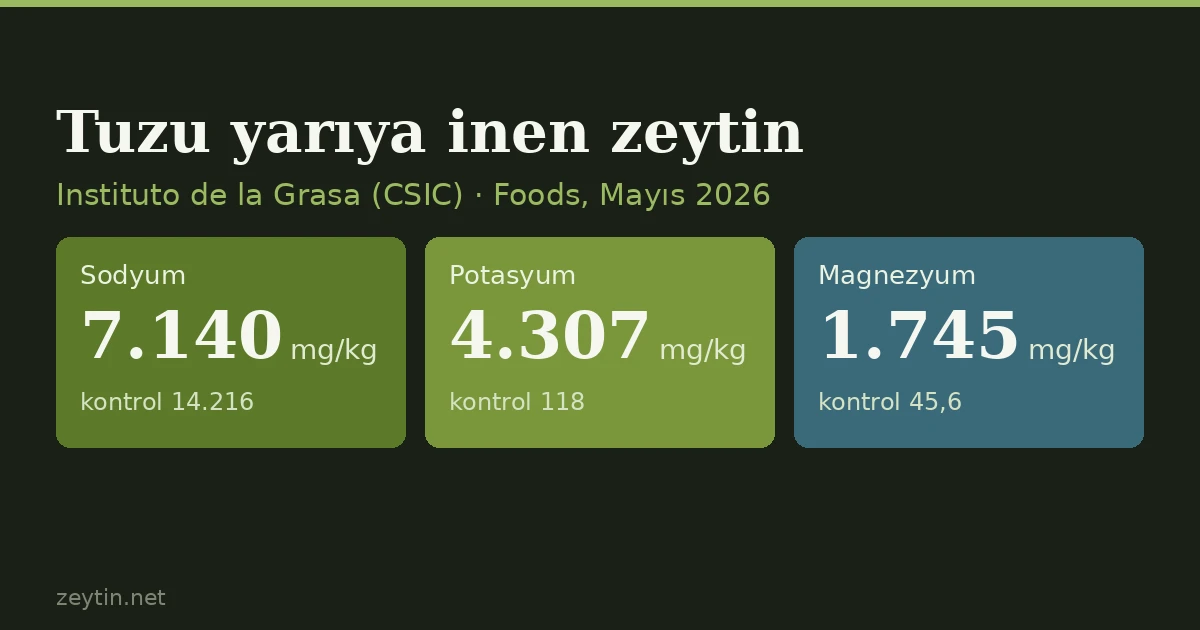
| Sodium | 14,216 | 7,140 | 59% → 30% |
| Potassium | 118 | 4,307 | 22% |
| Calcium | 1,137 | 2,280 | 28% |
| Magnesium | 45.6 | 1,745 | 47% |
The recommended blend is a model prediction: 1.189% KCl, 0.334% CaCl₂, 0.978% MgCl₂.
In every fortified treatment sodium fell to about 7,100 mg/kg and its contribution to the reference intake dropped from 59% to 29-30%. The other minerals depended on the blend. Across treatments potassium reached up to 5,359, calcium 4,584 and magnesium 1,776 mg/kg, but these peaks came from different blends. The researchers grouped the results into four product types: sodium-dominant, calcium-rich, potassium-calcium-abundant and potassium-magnesium-rich.
The model calculated the blend shown in the table as the best balance across all three minerals. With it, potassium rises about 36-fold, magnesium about 38-fold and calcium doubles. Under EU rules a food can be labelled a "source" of a mineral if 100 grams provide 15% of the reference intake, and the recommended blend clears that threshold for all three.
Why these three minerals?
The classic problem with salt reduction is flavour. Earlier studies showed that replacing table salt with potassium chloride alone makes olives more bitter, which is why a mixture of three salts is preferred. The study also notes that calcium improves olive texture and reduces magnesium losses to the brine.
The health rationale is clear. Excess sodium raises blood pressure while potassium works the other way, and dietary guidelines recommend less sodium and more potassium. The new formula has a far more balanced sodium-to-potassium ratio than standard olives.
The trade-offs
The study records a slight deterioration in colour and texture from desalting. The bigger loss is in minerals: soaking removes much of the olive's natural potassium and magnesium along with sodium. The researchers conclude that adjusting salt in the packing brine, rather than during fermentation, is the more practical route for industry. No consumer tasting was carried out in this study, so flavour acceptance and changes over shelf life still need to be examined.
What it means for Türkiye
Table olives make up two-thirds of Türkiye's olive exports. Low-salt, mineral-enriched products could help stand out in health-conscious European and North American markets. Because the method only changes the brine on an existing pasteurisation line, small and medium-sized producers could apply it too.
For home consumers the practical advice stays the same: soaking olives in water lowers sodium but adds no minerals; it removes them. We cover the nutritional profile of olives and how many olives are sensible per day separately, and salt ratios in how olives are cured.
Read with care
⚠ The results apply to one cultivar and one product type: pimento-paste-stuffed green Manzanilla. The same ratios cannot be applied directly to black or naturally fermented olives.
⚠ The recommended blend's values are model predictions; the control values are measurements. Reference-intake percentages are per 100 grams of olives; a typical portion (40-50 g) contributes close to half.
⚠ High-potassium products may not suit people with kidney disease or on potassium-restricted diets.
One rating per visitor; you can change yours at any time. Ratings are real reader votes — no seeded or default scores.
Related
 Article
Edremit Chamber: olive oil needs at least 50 lira per litre in support
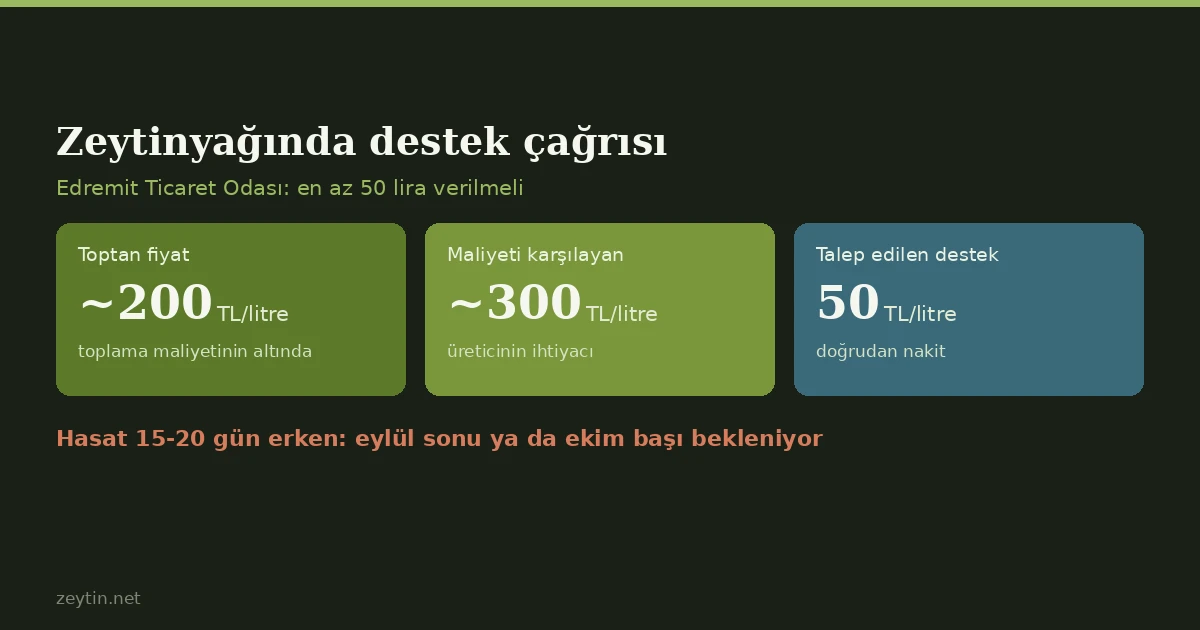
Chamber President Ahmet Çetin says the wholesale price has fallen to 200 lira, below the cost of picking. The level needed to cover costs is 300 lira. Harvest is expected 15-20 days early.
Article
Edremit Chamber: olive oil needs at least 50 lira per litre in support
Chamber President Ahmet Çetin says the wholesale price has fallen to 200 lira, below the cost of picking. The level needed to cover costs is 300 lira. Harvest is expected 15-20 days early.
 Article
Palestinian olive oil: output down from 33,000 to 7,000 tonnes — the cause is access, not the crop
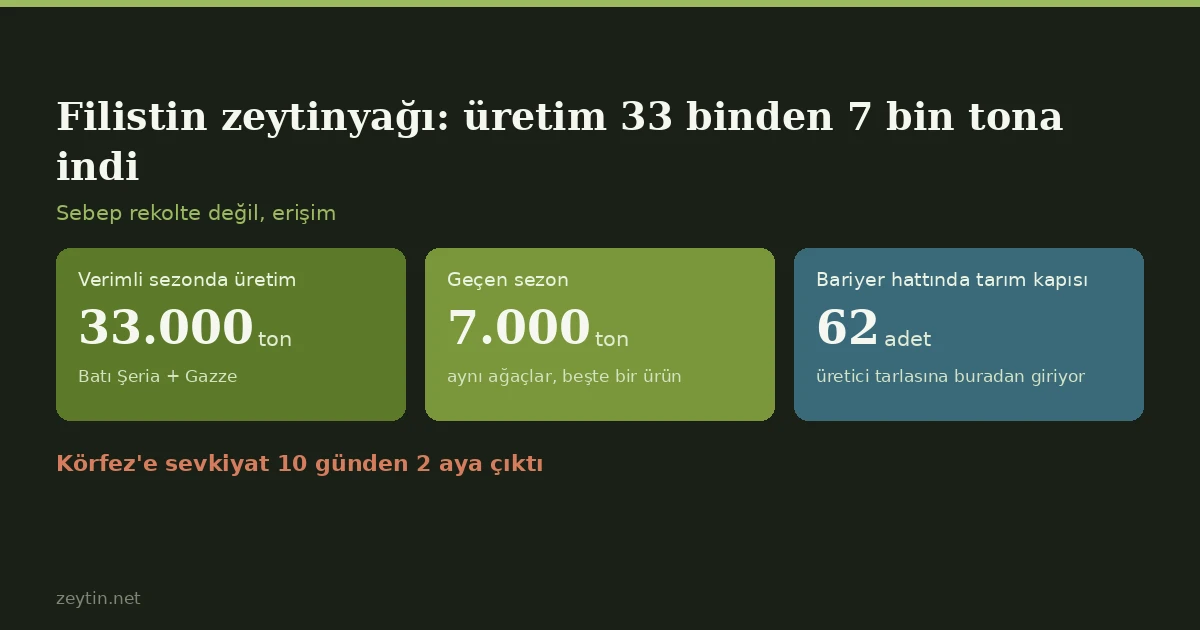
In a productive season Palestine yields 33,000 tonnes of olive oil; last season it produced 7,000. Seventy per cent of the groves sit in the northern West Bank, reached through 62 agricultural gates, and shipping times have gone from ten days to two months.
Article
Palestinian olive oil: output down from 33,000 to 7,000 tonnes — the cause is access, not the crop
In a productive season Palestine yields 33,000 tonnes of olive oil; last season it produced 7,000. Seventy per cent of the groves sit in the northern West Bank, reached through 62 agricultural gates, and shipping times have gone from ten days to two months.
 Article
Andalusia moves against North African imports: 76% of what arrives is extra virgin
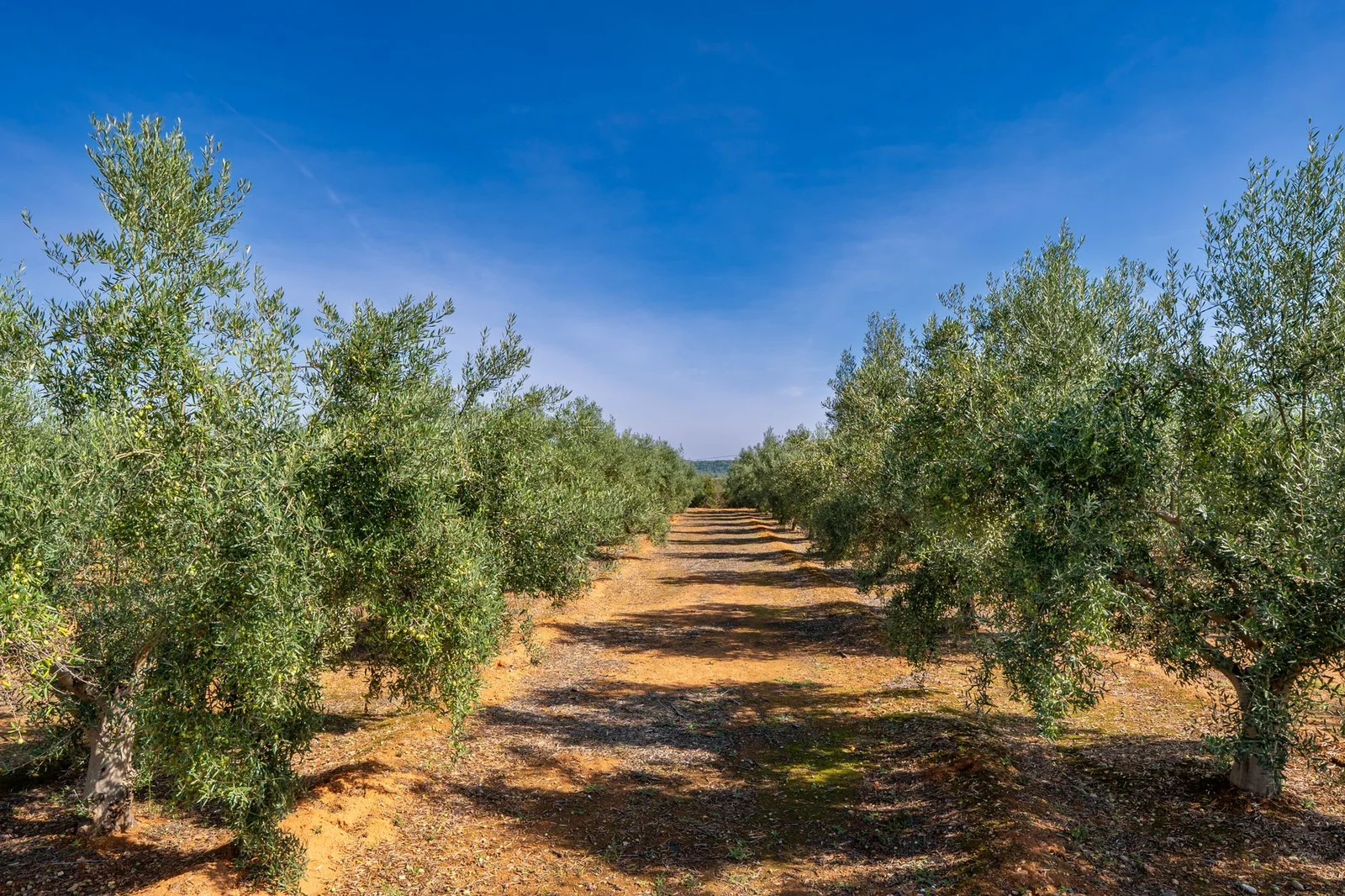
Andalusia's farm sector objects that more than 76% of the olive oil imported into the region in early 2026 was extra virgin. The regional minister has requested exceptional measures under Article 195 of the EU regulation. Türkiye could meet the same door.
Article
Andalusia moves against North African imports: 76% of what arrives is extra virgin
Andalusia's farm sector objects that more than 76% of the olive oil imported into the region in early 2026 was extra virgin. The regional minister has requested exceptional measures under Article 195 of the EU regulation. Türkiye could meet the same door.
 Article
The International Olive Council grows: Iraq joins, Brazil and South Africa apply
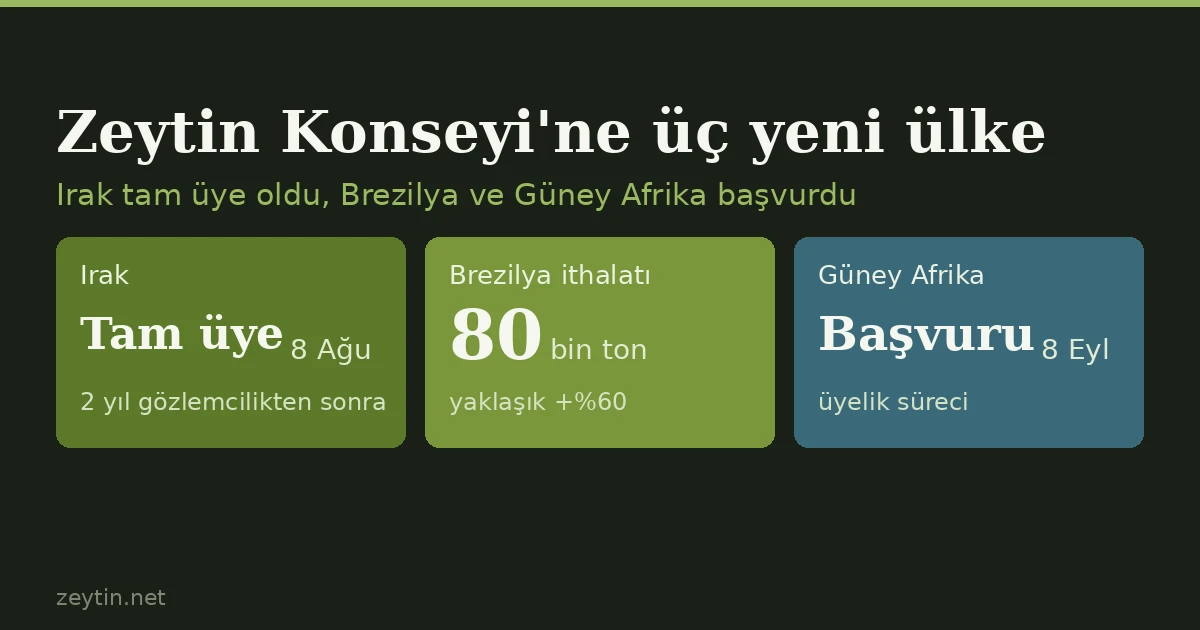
The International Olive Council (IOC) saw three developments in a month: Iraq became a full member on 8 August, South Africa submitted its membership request on 8 September and Brazil on 9 September. The expansion reflects olive oil's shift towards production and consumption areas beyond the Mediterranean.
Article
The International Olive Council grows: Iraq joins, Brazil and South Africa apply
The International Olive Council (IOC) saw three developments in a month: Iraq became a full member on 8 August, South Africa submitted its membership request on 8 September and Brazil on 9 September. The expansion reflects olive oil's shift towards production and consumption areas beyond the Mediterranean.