Cold-hardy olive varieties: Gemlik, Ayvalık and the other candidates in the data
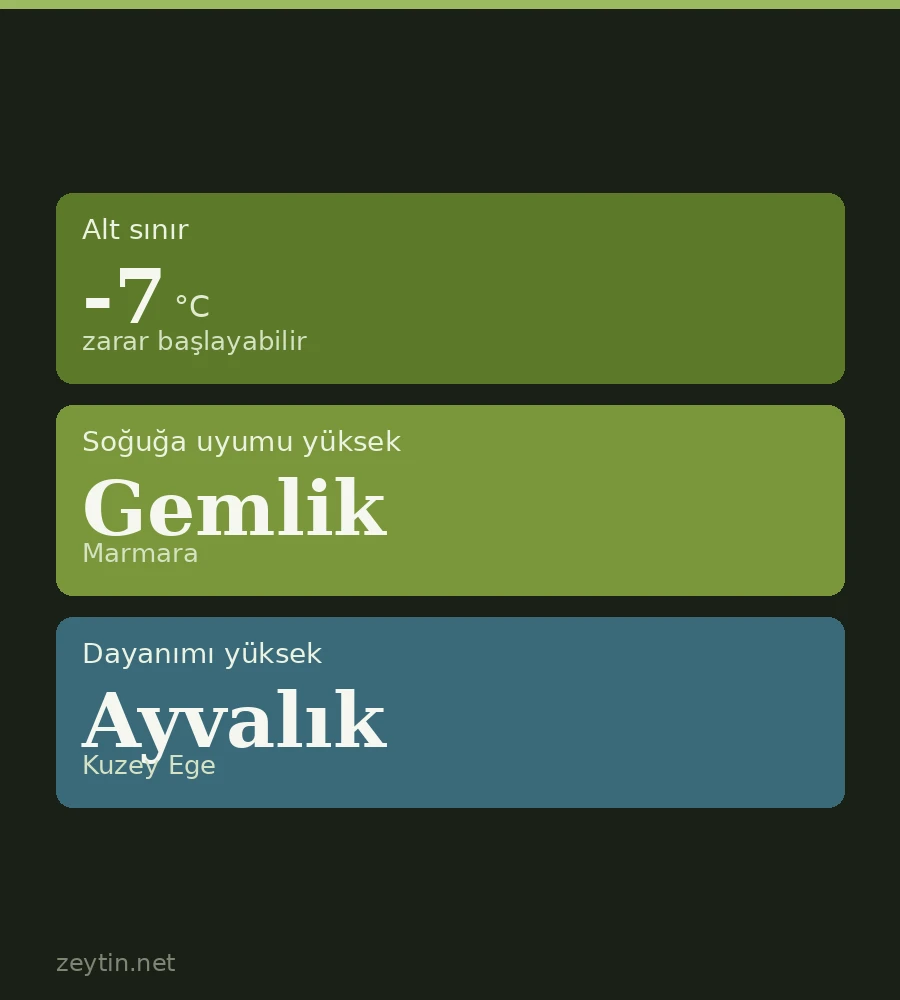
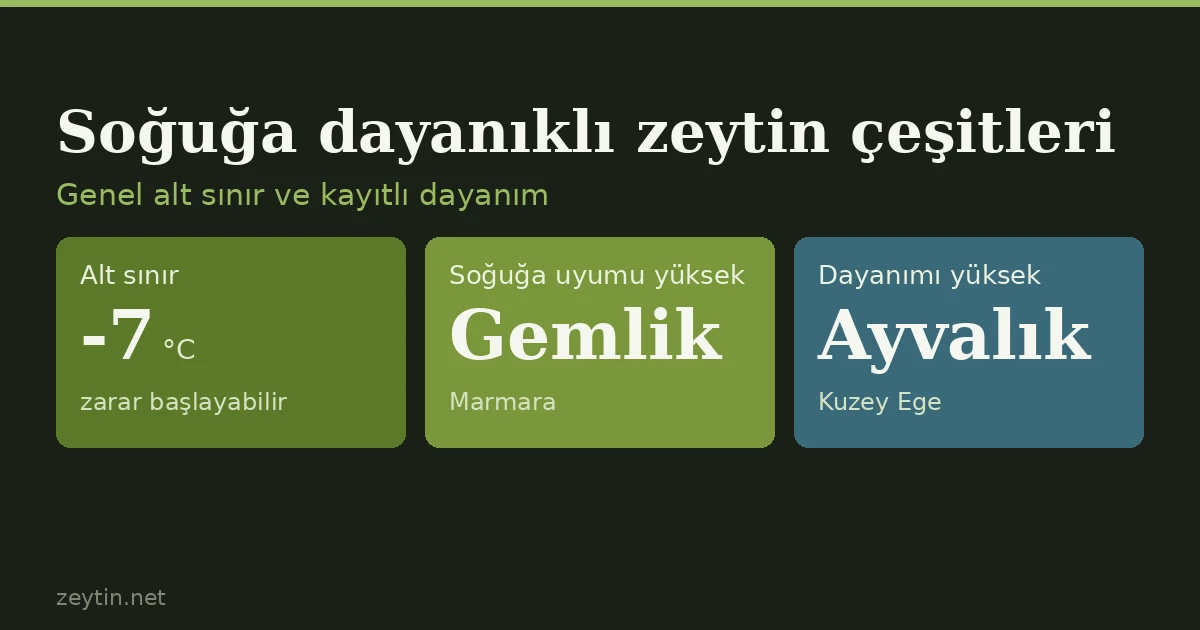
In our variety data, Gemlik, Ayvalık, Coratina, Picual and Hojiblanca are recorded with high cold adaptation or hardiness; Kalamata, Leccino, Memecik and Domat are medium, Frantoio moderately sensitive and Saurani low. But variety alone is not enough: tree age, the duration of the cold and the site of the grove also decide.
In recent years olive growing has been spreading beyond the traditional coastal belt, inland and to higher altitudes. The first question in that expansion is always the same: which variety can take the cold? This article brings together the cold hardiness information recorded on our variety pages and explains why choosing a variety is not enough on its own.
First, the threshold
The generally accepted lower limit for olives is around -7 °C. Below that temperature, damage can appear, starting with shoots and extending to branches, trunk and roots. The extent of the damage depends not only on the lowest temperature but on how long the cold lasts and how awake the tree is at that moment. The thresholds are covered in detail in olive temperature thresholds.
Cold hardiness in the data
The table below shows the information recorded in our variety entries under cold hardiness, cold tolerance or cold adaptation. The descriptions are shortened versions of the wording in the sources.
| Variety | Cold hardiness (recorded) | Note |
|---|---|---|
| Gemlik | High cold adaptation | Suited to the cool winters of the Marmara region |
| Ayvalık | High cold tolerance | The main variety of the North Aegean |
| Coratina | Hardy | From Puglia, Italy |
| Picual | Hardy | Tolerates cold and salinity; sensitive to drought |
| Hojiblanca | Tolerates winter cold | Also tolerates chalky soil and drought |
| Mission | Hardiest of California's commercial varieties | US-based record |
| Kalamata | Moderately hardy | Sensitive to extreme heat |
| Leccino | Medium | — |
| Memecik | Medium | High drought tolerance |
| Domat | Medium for drought and cold | — |
| Frantoio | Moderately sensitive | — |
| Saurani | Low | From Altınözü, Hatay |
This table is a summary of records, not a ranking. A variety missing from the table is not necessarily cold-sensitive; it only means that information is not in our sources. Different sources observed different climates with different methods. Two varieties both recorded as "hardy" may not behave the same way in the same cold.
A practical reading for Turkey
For someone planting in a region with cool winters, the strongest native candidates in the table are Gemlik and Ayvalık. Both have grown for centuries in Turkey's cooler olive regions, Marmara and the North Aegean, which suggests their recorded quality holds up in the field. Among foreign varieties, Coratina, Picual and Hojiblanca stand out; but Picual is also recorded as sensitive to drought and chalky soil, so a variety chosen for cold may struggle under another condition.
Local varieties growing in the Çoruh valley of Artvin, such as Butko, Otur and Sat, are also worth noting. Living in a valley far from the coast, in Turkey's north-easternmost olive belt, shows that they have adapted to the local climate. Measurements for all three were published in a study using fruit from Yusufeli. Of these, Otur is described on its variety page as cold-hardy and early ripening. For Butko and Sat we have no systematic cold hardiness record. For conditions and production figures in the region, see olive growing in the Black Sea region.
Chilling: the good side of cold
Cold is not only a threat. Olives need to spend a certain period at cool temperatures in winter to form flower buds. This is the chilling requirement, and it varies widely by variety. Our records show about 369 hours for Cilli, about 600 hours for Gemlik, 624 hours for Memecik and 1,000 hours for Çakır. A variety with a high chilling requirement is not damaged in a mild winter region, but it does not flower properly. In a cold region, these varieties have an advantage.
Factors as important as variety
The same variety can suffer very different damage in the same cold in different groves. The reasons are usually these:
- Site. Cold air is heavy and pools in hollows and valley floors. On the same land, a tree on the slope may survive while one in the hollow is damaged.
- Tree age. Young saplings are far more sensitive than old trees. Wrapping the trunk and sheltering the sapling from wind during its first few winters is a common precaution.
- Autumn care. Late nitrogen fertilisation and late pruning make the tree enter winter while still pushing shoots. Immature shoots are the tissue most exposed to cold.
- Sudden drops. A hard frost after a mild spell is more damaging than the same temperature arriving slowly, because the tree has not completed its preparation for winter.
- Wet soil. In soil that holds water and drains poorly, the root zone suffers more.
Climate change and selection criteria
In a warming climate it is easy to assume the risk of cold is falling. Yet early-warming winters wake trees early, and a cold snap that follows does more damage to a tree that is already awake. We looked at this contradiction, and at why variety selection criteria need to change, in climate change and the olive.
Reading notes
The information in the table comes from the sources on our variety pages. Temperature thresholds are general values; local frost records and the recommendations of your provincial or district agriculture directorate should weigh more in choosing a variety than this table.
One rating per visitor; you can change yours at any time. Ratings are real reader votes — no seeded or default scores.
Related
 Article
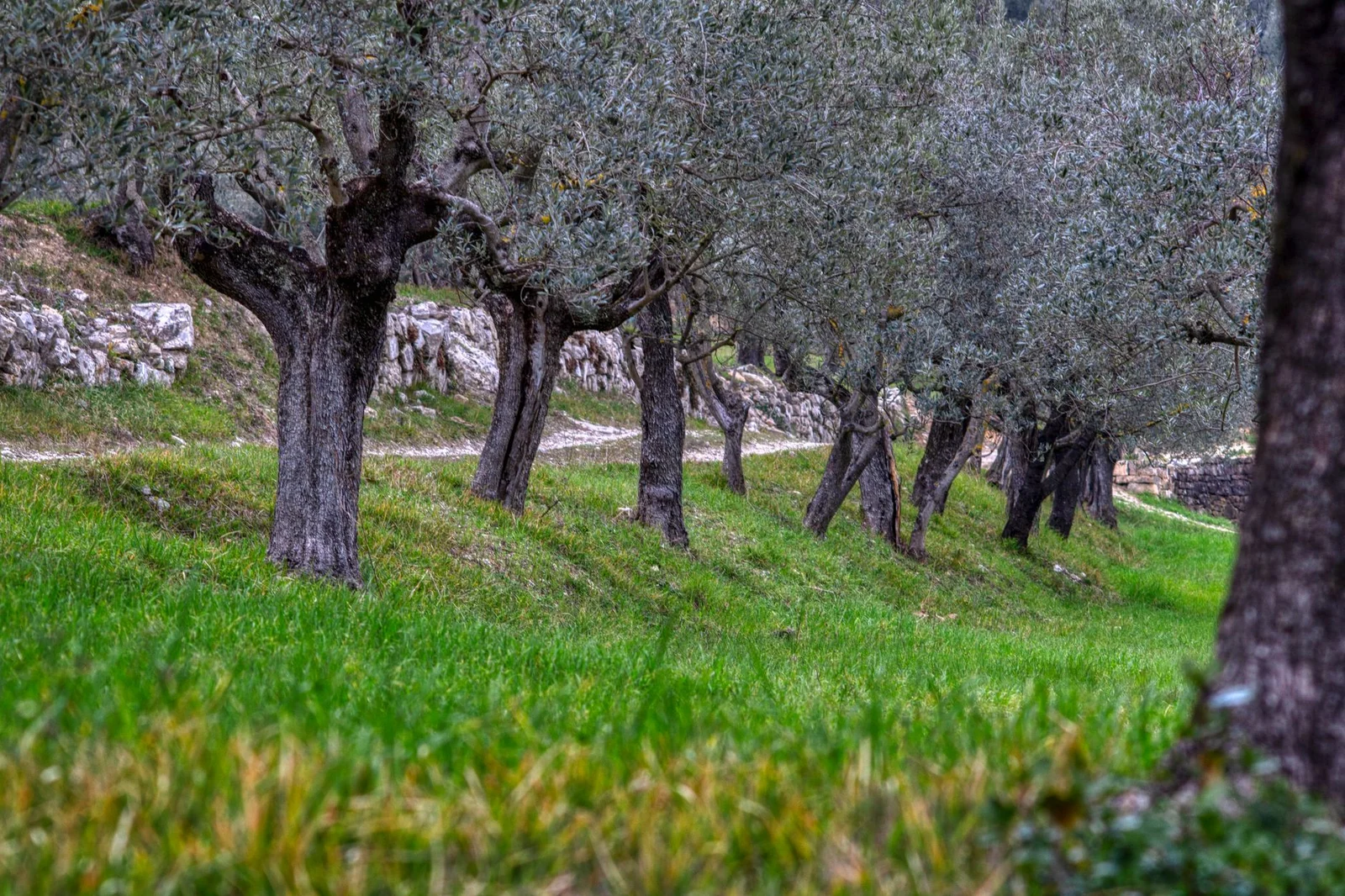
How to Grow an Olive Tree
Soil, climate, watering, pruning and patience. A basic care guide for anyone planting an olive tree.
Article
How to Grow an Olive Tree
Soil, climate, watering, pruning and patience. A basic care guide for anyone planting an olive tree.
 Article
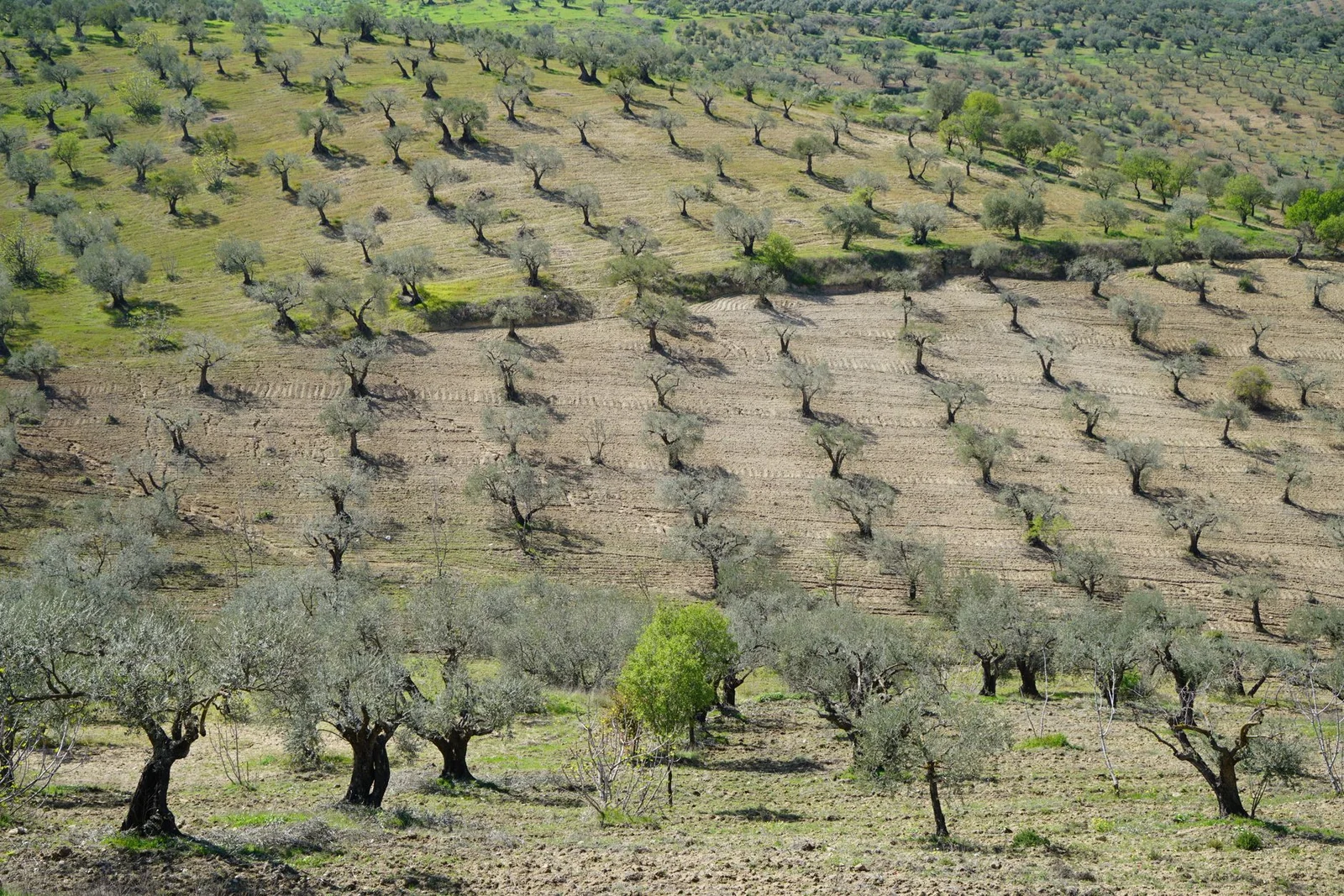
Irrigating Olives: When, How Much, How
Olive water requirements, critical periods, drip system layout, deficit irrigation and water quality.
Article
Irrigating Olives: When, How Much, How
Olive water requirements, critical periods, drip system layout, deficit irrigation and water quality.
 Article
Olive Pruning: Why, When and How
Why olives are pruned, when to do it, formative and production pruning, rejuvenation and high-density systems.
Article
Olive Pruning: Why, When and How
Why olives are pruned, when to do it, formative and production pruning, rejuvenation and high-density systems.
 Article
Pollination and pollinator varieties in olive
98% of olive flowers drop. Whether the remaining 1-2% holds depends on having a pollinator in the grove. Gemlik is only partially self-fertile: in a single-variety grove harvest falls to a third.
Article
Pollination and pollinator varieties in olive
98% of olive flowers drop. Whether the remaining 1-2% holds depends on having a pollinator in the grove. Gemlik is only partially self-fertile: in a single-variety grove harvest falls to a third.