Organic olive growing: what a four-year trial found
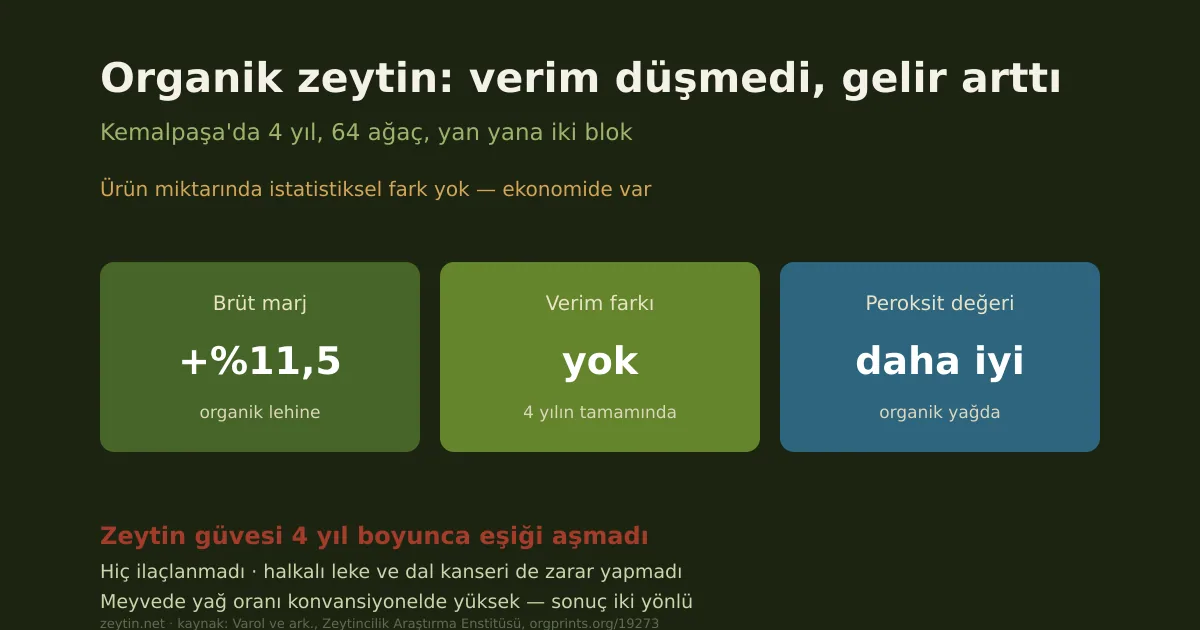
A four-year organic vs conventional trial at Kemalpaşa: no yield difference, 11.5% higher gross margin for organic, lower peroxide value, but higher fruit oil content under conventional management.
The two most common claims about organic olive growing are exact opposites: "organic means lower yields" and "organic olive oil is better quality". Both are hearsay. Türkiye has a field trial that measured the question, and its answer is calmer than either.
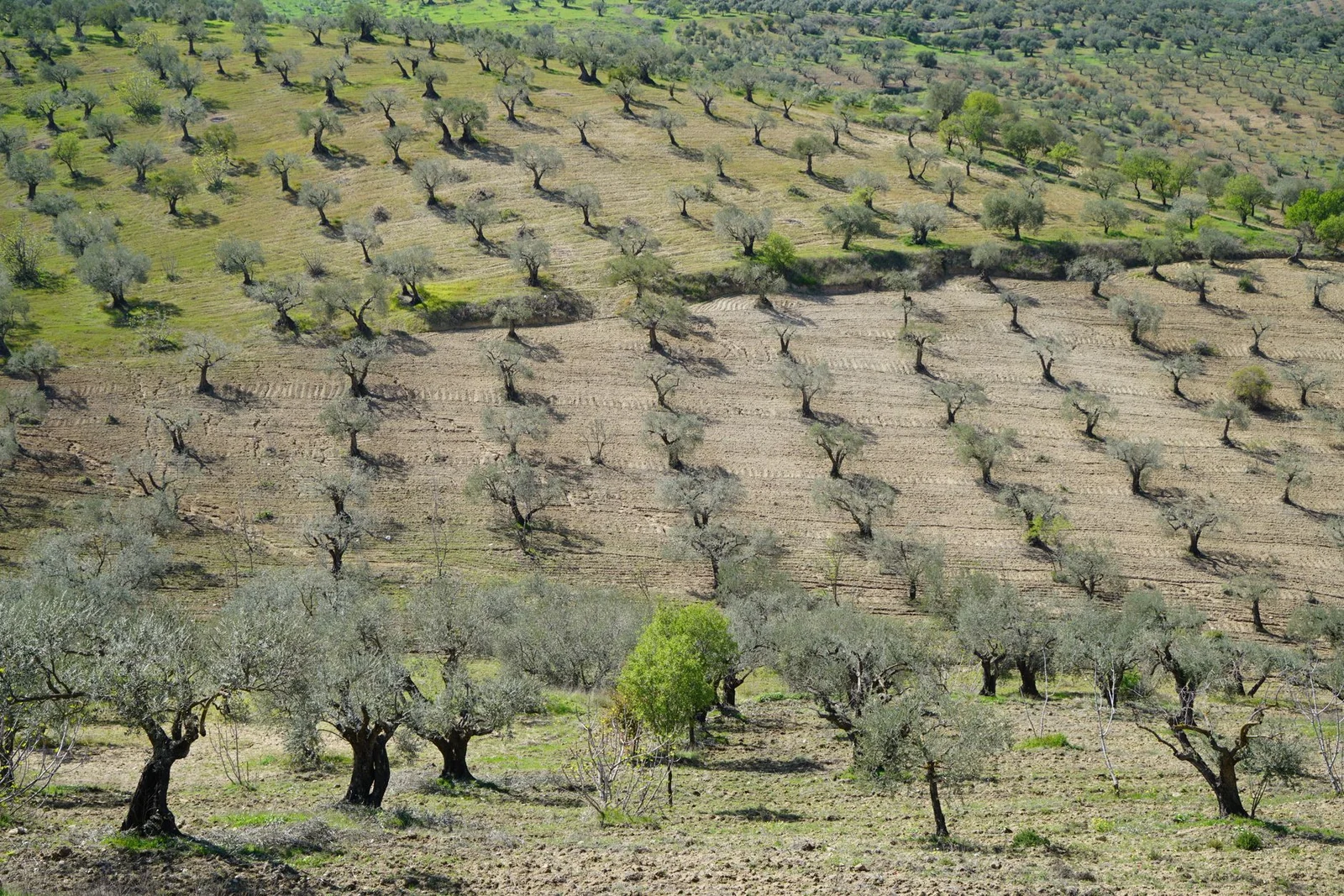
The Olive Research Institute ran two blocks side by side in the same grove at Kemalpaşa for four years, from 2004 to 2007 — one organic, one conventional. What follows are that trial's results.
How the trial was set up
| Duration | 2004–2007 (4 years) |
| Variety | Memecik (grafted on wild olive, planted 1969) |
| Area | 24 decares (2.4 ha) |
| Design | Randomised blocks — 8 blocks × 8 trees |
| Trial trees | 64 |
| Spacing | 4.5 × 7.0 m |
Memecik was not chosen at random: it accounts for 50% of olive trees in the Aegean region and 45.5% nationally. The result therefore applies to the country's most widespread oil variety.
What differed between the blocks?
Fertilisation. Conventional blocks received chemical fertiliser guided by leaf and soil analysis. Organic blocks received green manure (barley + vetch), organic fertilisers and boron.
Pest monitoring (identical in both). Weekly counts for olive fruit fly from June using bait traps and yellow sticky traps; pheromone traps for olive moth from late March.
Control. In years when olive fruit fly crossed the economic damage threshold, organic blocks used mass trapping, a neem-based product and kaolin; conventional blocks received a licensed insecticide.
One detail stands out: olive moth never crossed the economic threshold in any block over four years, so no treatment was applied against it at all. Peacock spot, olive knot and verticillium were also monitored but caused no damage, so nothing was applied. That says a great deal about the habit of spraying every year regardless.
Yield: no difference
Across four years of measuring shoot length, inflorescences per shoot, flowers per inflorescence, fruit per kilo and yield per tree, the result is clear: years differed from one another (the olive's natural biennial rhythm), but there was no statistically significant difference between organic and conventional.
Fruit characteristics tell the same story: no difference in 100-fruit weight, fruit per kilo, fruit length or flesh-to-stone ratio. The single exception was fruit width: fruit in the organic blocks was wider.
In other words, converting to organic did not cost yield — at least not in an established, mature grove.
Oil quality: results cut both ways
| Measure | Result |
|---|---|
| Peroxide value | Lower in organic (better) |
| Oil content of fruit | Higher in conventional |
| Oleic acid | Higher in organic |
| Palmitoleic and linoleic acid | Higher in conventional |
| Total polyunsaturated fatty acids | Higher in conventional |
| Palmitic, stearic, arachidic acid | No difference |
| Free fatty acidity, K232, K270 | No difference |
So "organic oil is better" is partly true: organic leads on peroxide value and oleic acid. But the fruit's oil content was higher under conventional management — which is income, directly. The verdict does not take a side.
Residues and lead
Analyses at the İzmir Provincial Control Laboratory found no organophosphorus, nitrogenous or sulfuric pesticide residues in fruit from either block. Correct timing and correct dosing can produce residue-free fruit conventionally too.
The difference appeared in lead: fruit from the organic block carried a lower lead level than the conventional block.
Soil: the real difference
The phosphorus picture in the soil analyses is the interesting one:
- In conventional blocks phosphorus started very high and fell to an adequate level by year four.
- In organic blocks phosphorus started low and rose to an adequate level by year four.
Two different routes to the same place. Organic management did not impoverish the soil — and it also drew down years of accumulated phosphorus surplus on the conventional side.
Magnesium, by contrast, stayed insufficient under both systems; four years were not enough to meet the soil's magnesium requirement. That is a regional problem independent of method.
Economics: organic ahead by 11%
On a fruit-olive basis, the economic analysis found:
- Gross margin: 11.5% higher
- Gross production value: 11% higher
With yields equal, the income gap comes from input costs and product price. Green manure and trap-based control replace the fertiliser and spray bill, while certified organic fruit fetches a better price.
What does this mean?
The four-year trial in one sentence: organic olive growing is possible without giving up yield or quality, and it is not economically behind.
Read it with several caveats:
- The trial ran in an established, mature grove. Conversion may be harder in a newly planted grove or one that has seen heavy chemical use for years.
- Four years is two biennial cycles for an olive — indicative, but not long-term.
- Olive moth staying below threshold for four years was specific to this grove and these years; it will not hold everywhere.
- Organic's economic edge rests on the certified price premium. Without certification, that 11% disappears.
If you are considering conversion, the real question is not "will yield fall" — this trial says no. The real question is whether you have the discipline to run trap monitoring and a green-manure programme every single year without slipping.
One rating per visitor; you can change yours at any time. Ratings are real reader votes — no seeded or default scores.
Related
 Article
Caring for an olive tree in a pot: container, soil, watering, light and winter
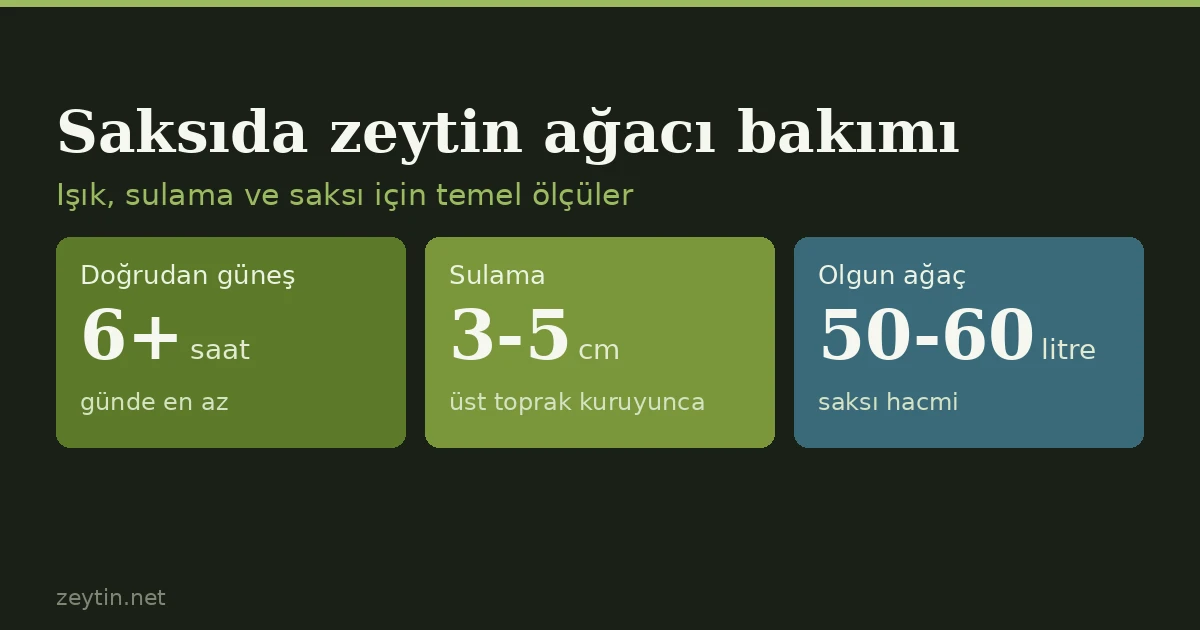
Olive trees can live in pots, but they do not forgive two things: too much water and too little light. A wide pot with drainage holes, a free-draining mix, watering once the top layer dries and at least six hours of direct sun are the basic rules. Expecting fruit indoors is usually pointless without a cool winter.
Article
Caring for an olive tree in a pot: container, soil, watering, light and winter
Olive trees can live in pots, but they do not forgive two things: too much water and too little light. A wide pot with drainage holes, a free-draining mix, watering once the top layer dries and at least six hours of direct sun are the basic rules. Expecting fruit indoors is usually pointless without a cool winter.
 Article
When to harvest olives: deciding with the maturity index
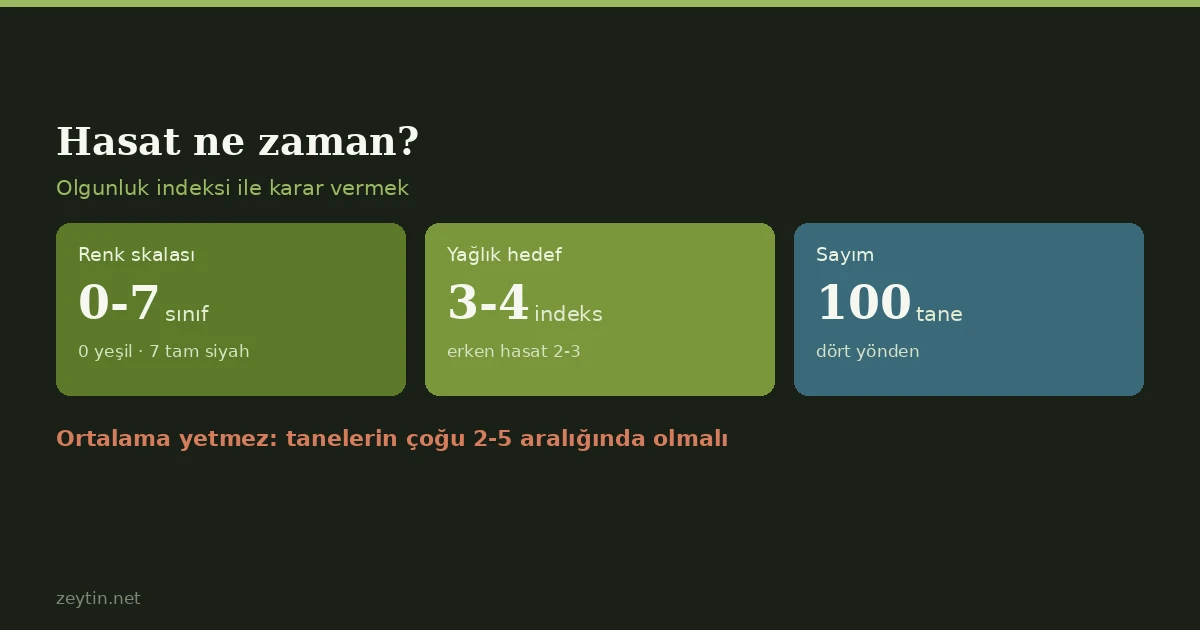
Harvest timing is set by the maturity index, not the calendar. The 0-7 colour scale, how to calculate it from 100 fruits, early versus late harvest compared, and ripening times by variety.
Article
When to harvest olives: deciding with the maturity index
Harvest timing is set by the maturity index, not the calendar. The 0-7 colour scale, how to calculate it from 100 fruits, early versus late harvest compared, and ripening times by variety.
 Article
Choosing certified olive saplings: labels, documents and variety
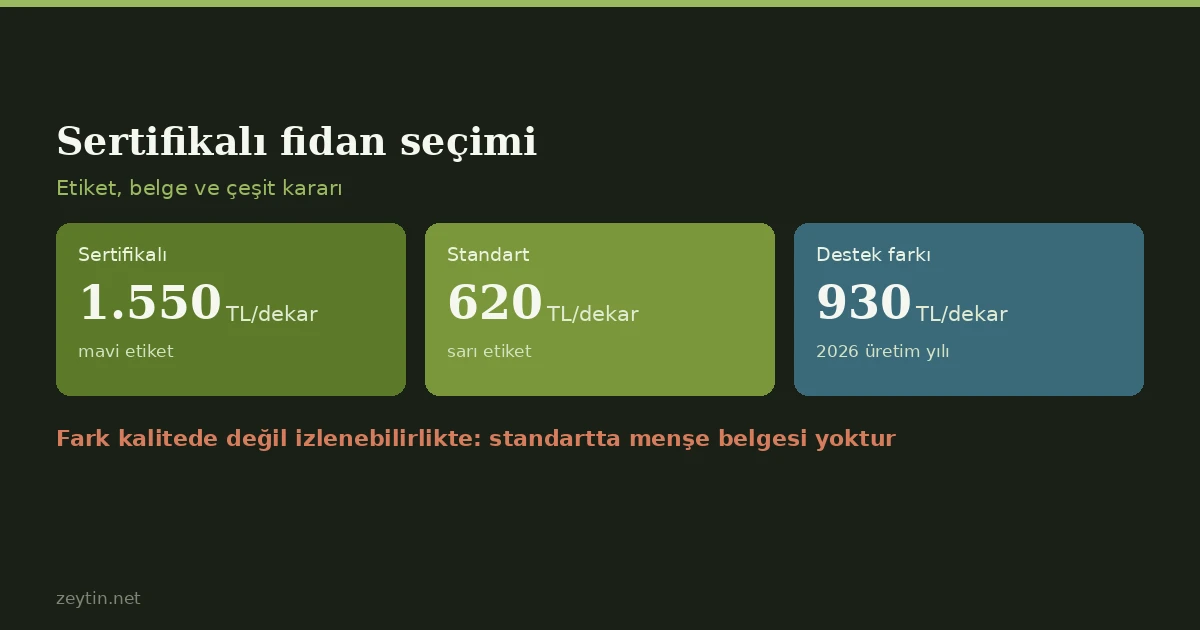
Label colour shows the certificate class: blue certified, yellow standard. The difference is traceability, not quality. The support gap is 930 lira per decare. Four questions that settle variety choice.
Article
Choosing certified olive saplings: labels, documents and variety
Label colour shows the certificate class: blue certified, yellow standard. The difference is traceability, not quality. The support gap is 930 lira per decare. Four questions that settle variety choice.
 Article
Irrigating Olives: When, How Much, How
Olive water requirements, critical periods, drip system layout, deficit irrigation and water quality.
Article
Irrigating Olives: When, How Much, How
Olive water requirements, critical periods, drip system layout, deficit irrigation and water quality.