The Olive: Tree, History, Production and Future
The botany, history and uses of the olive tree; current production figures worldwide and in Turkey, provinces, varieties and the sector's future — with tables.
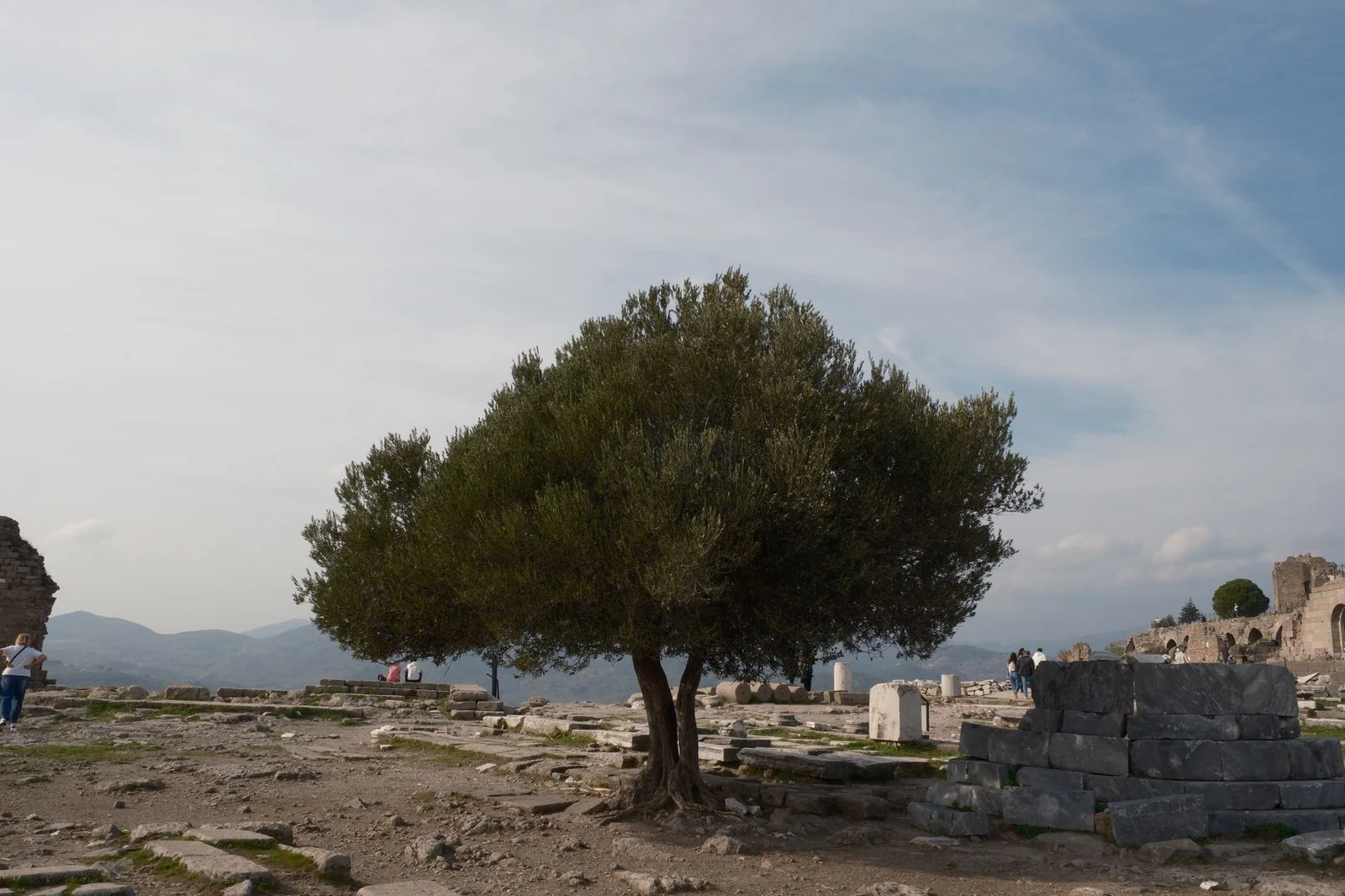
The olive (Olea europaea) is the oldest cultivated plant of the Mediterranean basin and its most recognisable emblem. A single tree lives for centuries and bears fruit on dry, stony ground; its fruit goes both to the table and to the press, its leaves to tea, its pulp to fuel, its wood to furniture. This page treats the olive as a whole: from botany and history to production figures worldwide and in Turkey, and the pressures facing its future.
The olive tree: botany
The olive is an evergreen of the Oleaceae family. Its leaves are lance-shaped, dark green above and silvery-downy beneath — that silver underside holds moisture and is part of its drought tolerance.
- Height: usually 5-10 metres; unpruned it can reach 15
- Lifespan: centuries; trees held to be over a thousand years old stand around the Mediterranean
- Fruit: botanically a drupe — a stone fruit, closer to a plum than an apple
- Flowering: spring; small whitish flowers borne in clusters
- Pollination: by wind; most varieties crop markedly better with cross-pollination
The olive is sensitive to cold and to standing water. Prolonged hard frost kills young trees; in heavy, water-holding clay the roots suffocate. On poor, stony, calcareous ground, by contrast, it does very well. See how to grow an olive tree for detail.
One further fundamental is alternate bearing: a heavy year is followed by a light one. That is why reading a trend from a single year's production figure misleads — as the tables below show.
A short history
The shift from wild olive to the cultivated form took place in the eastern Mediterranean, roughly in the fourth millennium BCE. In the Bronze Age Aegean, olive oil was not only food but lamp fuel, temple offering, perfume carrier and body cleanser. The Linear B tablets of the Cretan and mainland palaces record it as a state commodity, counted, weighed and distributed.
The most striking find in Anatolia is the 6th-century BCE olive oil workshop uncovered at ancient Klazomenai in Urla, İzmir: pressing stones, settling basins and a separation system — a production line divided into stages.
For fuller accounts: the history of the olive in Anatolia · the olive oil trade in the ancient world · why the olive branch means peace · the olive in religion.
What each part of the tree gives
| Part | Product | Use |
|---|---|---|
| Fruit (cured) | Table olives | Breakfast, meze, cooking |
| Fruit (pressed) | Olive oil | Cooking, salads, frying, cosmetics |
| Pomace | Pomace oil, fuel | Soap stock, biofuel, boiler fuel |
| Leaf | Olive leaf tea, extract | Infusion, supplement, fodder |
| Stone | Pomace char | Fuel, activated carbon |
| Wood | Olive wood | Kitchenware, furniture, carving |
Olive oil grades are a subject of their own: extra virgin, virgin and riviera explained. For how the bitterness of table olives is removed see how olives are cured, and for varieties table olive varieties.
World olive production
Commercially, the olive grows almost entirely within the Mediterranean climate belt: the Mediterranean basin, California, Chile, Argentina, South Africa and parts of Australia.
According to the International Olive Council (IOC), world olive oil production in the 2024/25 crop year reached 3,572,000 tonnes — a 38% increase (983,000 tonnes) on the previous season and a record. World consumption in the same season was recorded at 3,215,000 tonnes.
| Country | 2024/25 olive oil output | Note |
|---|---|---|
| Spain | ~1,300,000 t | About 38% of world output; up 51% on the previous season |
| Turkey | 450,000 t (IOC) | A record; up 109% on the previous season |
| Tunisia | 340,000 t | Up 55% |
| Italy, Greece, Morocco, Portugal, Syria, Algeria, Egypt | — | The top ten together account for about 91% of world output |
One trend stands out: the share of non-EU producers is rising. Below 33% in 2021/22, non-EU countries supplied 40% of world output in 2024/25. Turkey, Tunisia and Morocco are the main movers.
⚠ These figures belong to a single season. Because of alternate bearing and drought, swings of up to double between seasons are normal; ranking countries on one year's figure is misleading.
The olive in Turkey
Turkey is among the world's leading olive countries by both tree count and output. Because olives alternate between on and off years, a single season is misleading; the seasons are shown one below another.
| Season | Total trees | Olives | Table | For oil | Olive oil | Per tree |
|---|---|---|---|---|---|---|
| 2024-25 | 204,437,000 | 3,600,000 t | 700,000 t | 2,850,000 t | 475,000 t | 20.9 kg |
| 2025-26 | 210,608,251 | 2,450,000 t | 740,000 t | 1,710,000 t | 310,000 t | 13.9 kg |
Source: UZZK — Ulusal Resmî Tespit Heyeti Raporu — a pre-harvest crop estimate, not realised output.
In this season Turkey overtook Egypt to become the world's largest producer of table olives, and ranks second worldwide by number of trees.
⚠ Why two different figures? The IOC puts Turkey's 2024/25 olive oil output at 450,000 tonnes, UZZK at 475,000. Note also that TÜİK measures calendar-year output (3,750,000 t for 2024) while UZZK issues a season estimate — the two do not measure the same thing. The gap comes from differing season definitions and compilation methods. Both are given here with their source; picking one and calling it "the right figure" would not be honest.
How the tree count grew
Turkey had 99 million olive trees in 2001; by 2024 the figure approached 205 million. More than doubling in two decades reflects planting incentives and the expansion of land given over to groves. The share of young trees — 32.5 million, about 16% — indicates output will keep rising in the coming years.
Production by province
The weight of production lies on the Aegean and Marmara coasts. Leading provinces in the 2024 season:
| Province | Bearing trees | Olives | Table | Olive oil |
|---|---|---|---|---|
| Aydın | 22,405,000 | 439,278 t | 143,251 t | 44,785 t |
| İzmir | 18,523,000 | 376,021 t | 48,766 t | 60,988 t |
| Manisa | 28,892,000 | 320,045 t | 154,683 t | 30,539 t |
| Mersin | 11,539,000 | 224,537 t | 105,789 t | 21,382 t |
| Hatay | 13,675,000 | 182,319 t | 40,399 t | 34,599 t |
2025-26 season · UZZK
A telling detail: Manisa leads on trees and on olive tonnage, but İzmir leads on oil. The reason is that much of Manisa's crop goes to table olives — its varieties (Uslu, Domat) suit curing. Along the İzmir-Balıkesir line the Ayvalık/Edremit oil variety dominates.
For the history and culture of that belt see Ayvalık and Edremit.
Principal Turkish varieties
| Variety | Region | Main use |
|---|---|---|
| Gemlik | Marmara (Bursa) | Table (black) |
| Ayvalık / Edremit | Northern Aegean | Oil; table when picked early |
| Memecik | Aegean (Aydın, Muğla) | Oil |
| Domat | Aegean (Akhisar) | Table (green, stuffed) |
| Uslu | Akhisar | Table |
| Nizip Yağlık | South-east (Gaziantep, Kilis) | Oil and table |
The future of the olive
While the figures grow, serious questions stand before the sector.
Climate change and drought. The olive withstands drought, but not without limit. The Spanish drought of 2022-2023 collapsed world output and drove prices to historic highs; the 38% jump in 2024/25 is a recovery from that low base. Extreme heat during flowering strikes fruit set directly.
Protecting grove land. In Turkey, opening olive grove land to mining and construction remains a live controversy. Since an olive tree takes seven to ten years to reach economic yield, replacing a felled grove costs close to a human lifetime.
Quality and added value. For a long time Turkey exported bulk oil and watched it bottled in other countries. Recent years have brought a focus on early harvest, geographical indications and branding; the real return lies not in bulk but in bottled product with an identity.
Super-high-density planting. Modern groves with thousands of trees per hectare, suited to machine harvesting, raise yields — but they narrow varietal diversity, and their displacement of traditional old groves is debated.
Water management and pomace. The vegetation water produced during pressing is a significant environmental problem, polluting soil and water if released untreated. Putting pomace to use as fuel and fodder, by contrast, is the sector's most mature recycling loop.
Sources
- International Olive Council (IOC) — world production, consumption and trade statistics, 2024/25 crop year
- UZZK — National Official Crop Assessment Board report (season estimate)
- TurkStat (TÜİK) — calendar-year crop production statistics
- Turkish Exporters Assembly (TİM) — olive and olive oil sector reports
⚠ Figures are seasonal and updated annually. The data on this page belongs to the 2024/25 season and will be updated as new figures are published.
Sources and further reading
The institutions behind the figures on this page, and where to take the subject further. Every link was checked before publication.
International bodies and statistics
- International Olive Council (IOC) — world production, consumption and trade statistics, and the grade standards for olive oil. Source of the world figures on this page.
- FAOSTAT (UN Food and Agriculture Organization) — country-by-country series for area, tree numbers and output; the broadest database for long-run comparison.
Turkey
- TurkStat — Crop Production Statistics — tree counts, output and provincial data. Source of the Turkish figures on this page.
- Ministry of Agriculture and Forestry — support decisions, grove land legislation, notices to producers.
- National Olive and Olive Oil Council (UZZK) — the sector's umbrella body; crop forecasts and sector reports. (Site served over http only.)
- Turkish Exporters Assembly (TİM) — olive and olive oil target-market briefings and export data.
- Aegean Exporters' Associations — Aegean olive oil export statistics and price bulletins.
- Uludağ Exporters' Associations — sector reports weighted towards table olives (the Gemlik belt).
- Zeytindostu Association — conservation of olive growing, grove land debates, producer training.
Trade press
- Olive Oil Times — international sector news, harvest results, competition and tasting coverage.
Related pages on this site
- Olive varieties · table olive varieties
- How to grow an olive tree · the harvest
- How olives are cured · black vs green olives
- Olive oil · grades · acidity · cold pressing · recognising good oil · storage
- The olive in Anatolia · Ayvalık and Edremit · ancient trade · olive oil soap
- Nutrition · heart health · Mediterranean diet · how much a day
- Recipes with olives and olive oil
One rating per visitor; you can change yours at any time. Ratings are real reader votes — no seeded or default scores.
Related
 Article
The Çelebi olive: the green table cultivar of İznik
Grown around İznik in Bursa, Çelebi is a green table cultivar. Its oil content is lower than Gemlik's — which is no drawback for a table olive.
Article
The Çelebi olive: the green table cultivar of İznik
Grown around İznik in Bursa, Çelebi is a green table cultivar. Its oil content is lower than Gemlik's — which is no drawback for a table olive.
 Article
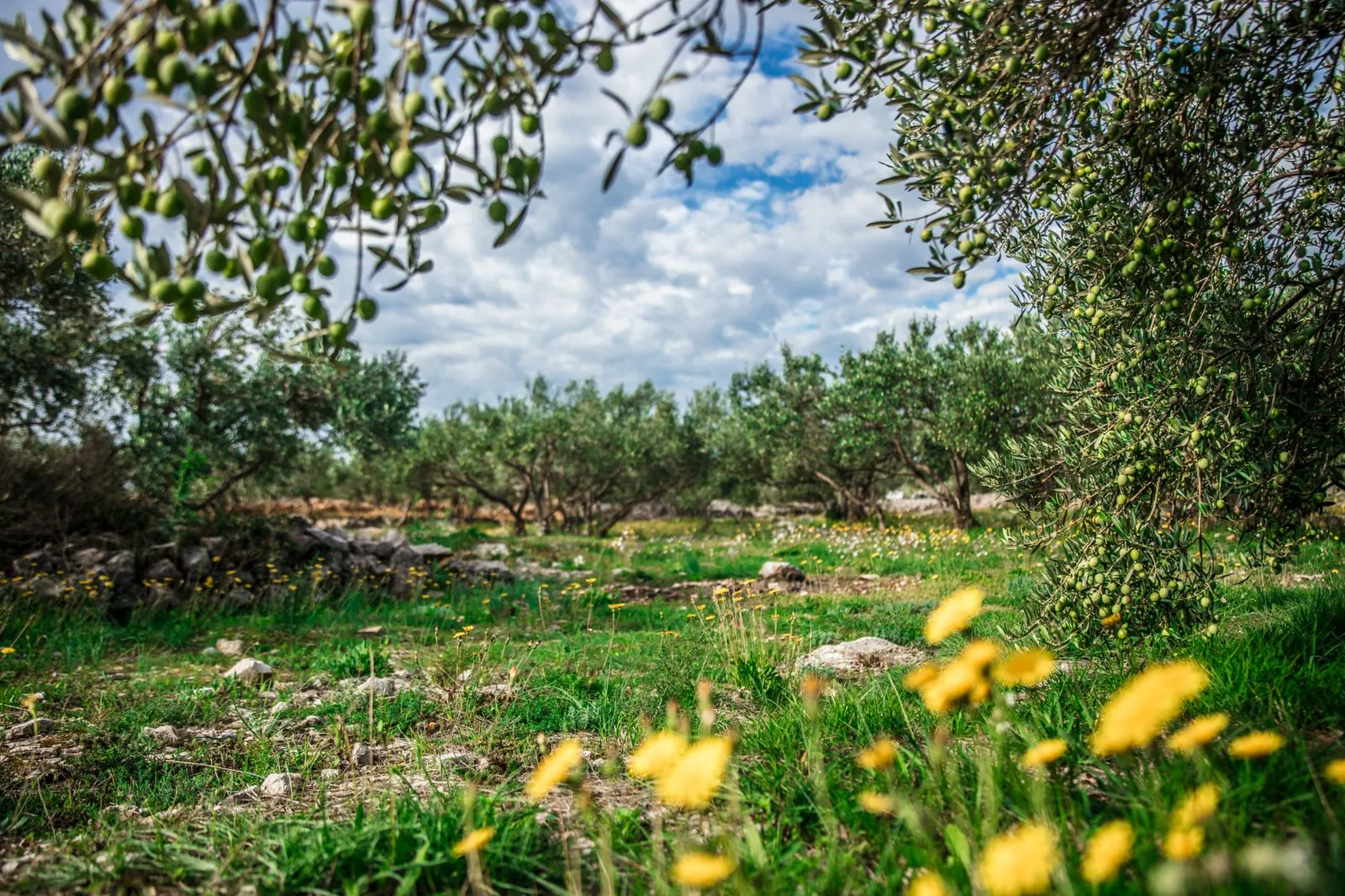
The Olive Tree
Olea europaea: botany, lifespan, root and leaf structure, monumental trees. The identity of the Mediterranean's emblematic tree and how it lives.
Article
The Olive Tree
Olea europaea: botany, lifespan, root and leaf structure, monumental trees. The identity of the Mediterranean's emblematic tree and how it lives.
 Article
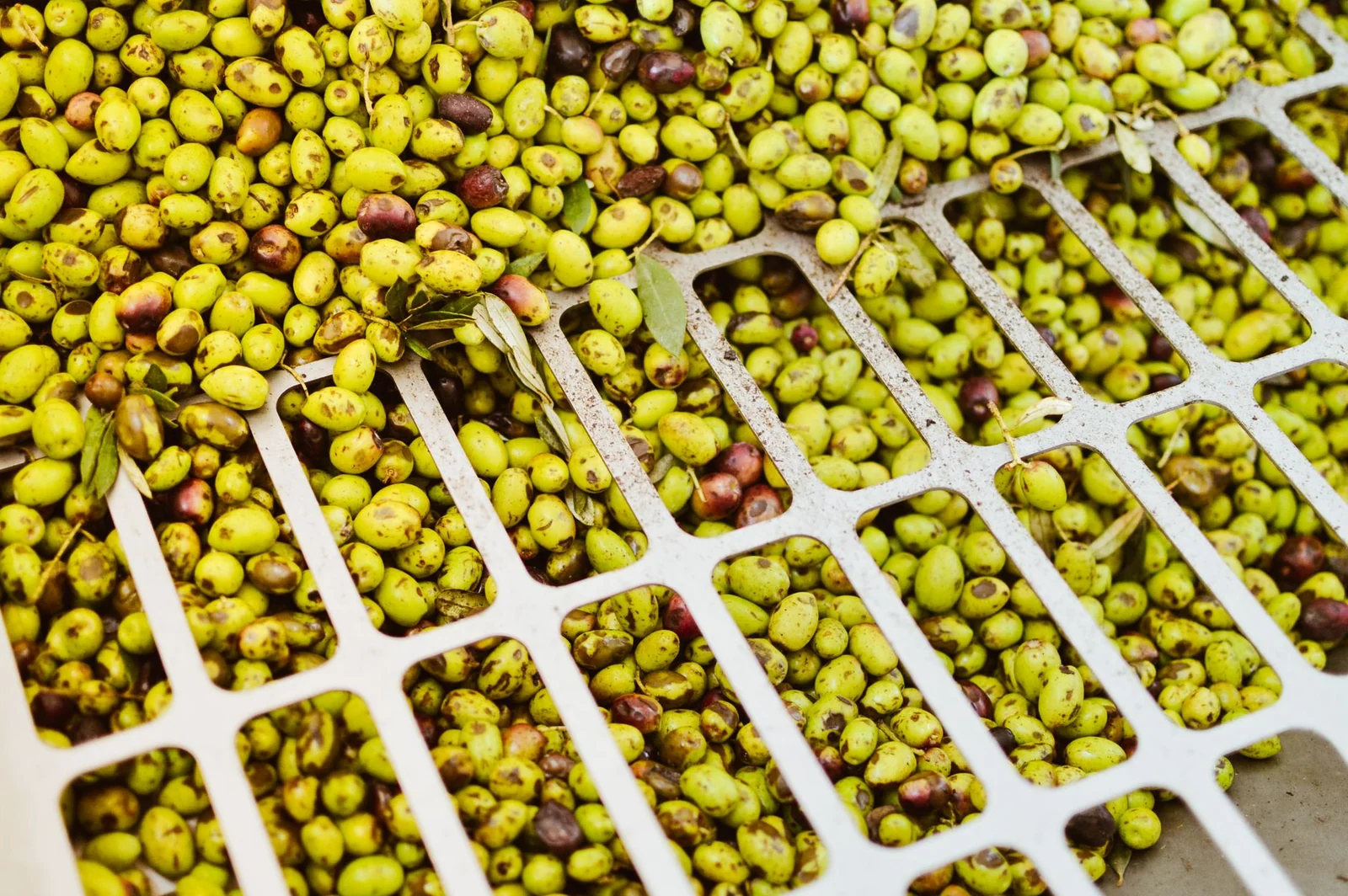
Which is Turkey's best-quality olive?
Quality criteria and measured values for Turkey's main olive varieties — fruit weight, oil content and intended use.
Article
Which is Turkey's best-quality olive?
Quality criteria and measured values for Turkey's main olive varieties — fruit weight, oil content and intended use.
 Article
Marantelli olive
Marantelli is a recorded variety of the Black Sea. Described in the source.
Article
Marantelli olive
Marantelli is a recorded variety of the Black Sea. Described in the source.