Ayvalık and Edremit: Turkey's Olive Heartland
Soap works, oil mills and the population exchange of 1923. How a gulf built its identity on the olive.
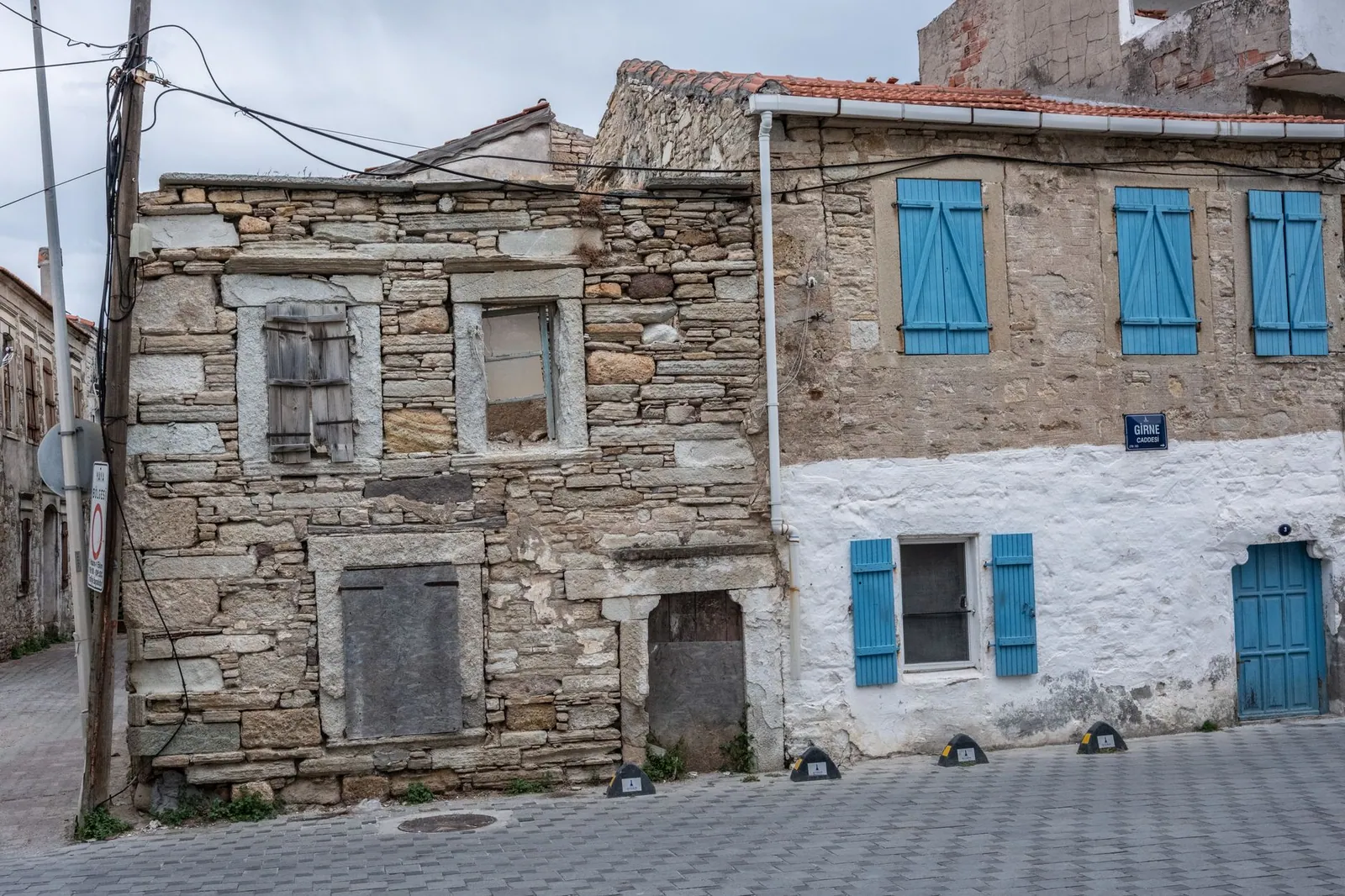
In Turkey, the first place that comes to mind at the word "olive" is a narrow strip in the northern Aegean around the Gulf of Edremit: Ayvalık, Burhaniye, Edremit, Havran and Küçükkuyu. The relationship this strip has with the olive is not merely a branch of farming; the region's architecture, economy and demographic history were shaped directly by it.
Why here?
The geography suits it. The southern slopes of the Kaz Mountains (ancient Ida) break the wind, winters are mild, and the soil is stony and calcareous — exactly what the olive tree wants: poor ground that drains rather than holds water.
The local variety, the Ayvalık olive (also known as Edremit yağlık), is known for its high oil yield and pronounced, grassy aroma. Picked early it gives oils high in bitterness and pungency.
A city of soap and oil
In the 19th century Ayvalık was among the liveliest centres of olive oil and soap production in the Ottoman Empire. The stone oil mills and soap works lining the shore tied production to a trade that opened onto the sea; oil and soap were distributed through İzmir, Istanbul and the Aegean islands.
Most of the high-ceilinged stone buildings a visitor sees in Ayvalık today are the factories of that period. Some have become hotels, museums or cultural centres, with their stone presses and cauldrons preserved in place.
1923: a change of population
The sharpest break in Ayvalık's history came with the Greek-Turkish population exchange of 1923, following the Treaty of Lausanne. Until then the town's population was largely Greek Orthodox; with the exchange they left for Greece, and Muslim populations, largely from Lesbos, Crete and the Balkans, settled in their place.
For olive growing this meant a handover of knowledge. Many of the newcomers were islanders who already knew the olive and soap trades, and that continuity kept production going. The island influence in the town's cooking is explained by the same migration.
Cunda (Alibey Island) is where the traces of the exchange are most visible: stone houses, abandoned churches and olive groves stand side by side.
Today
The Gulf of Edremit still accounts for a significant share of Turkey's olive oil production. Small producers are numerous; many families press their own oil from their own trees.
Three trends stand out in recent years: early harvest oils marketed as a category of their own, groves opening to rural tourism, and work on geographical indications. Alongside these, the opening of grove land to construction and mining remains a live controversy in the region.
What to see
- The stone factories of Ayvalık and the converted oil mills
- Cunda Island — stone houses and the Taxiarchis church
- The old groves on the skirts of the Kaz Mountains
- The Adatepe Olive Oil Museum at Küçükkuyu, housed in a former soap works
For the region's variety and its harvesting methods, see olive varieties and the olive harvest.
One rating per visitor; you can change yours at any time. Ratings are real reader votes — no seeded or default scores.
Related
 Article
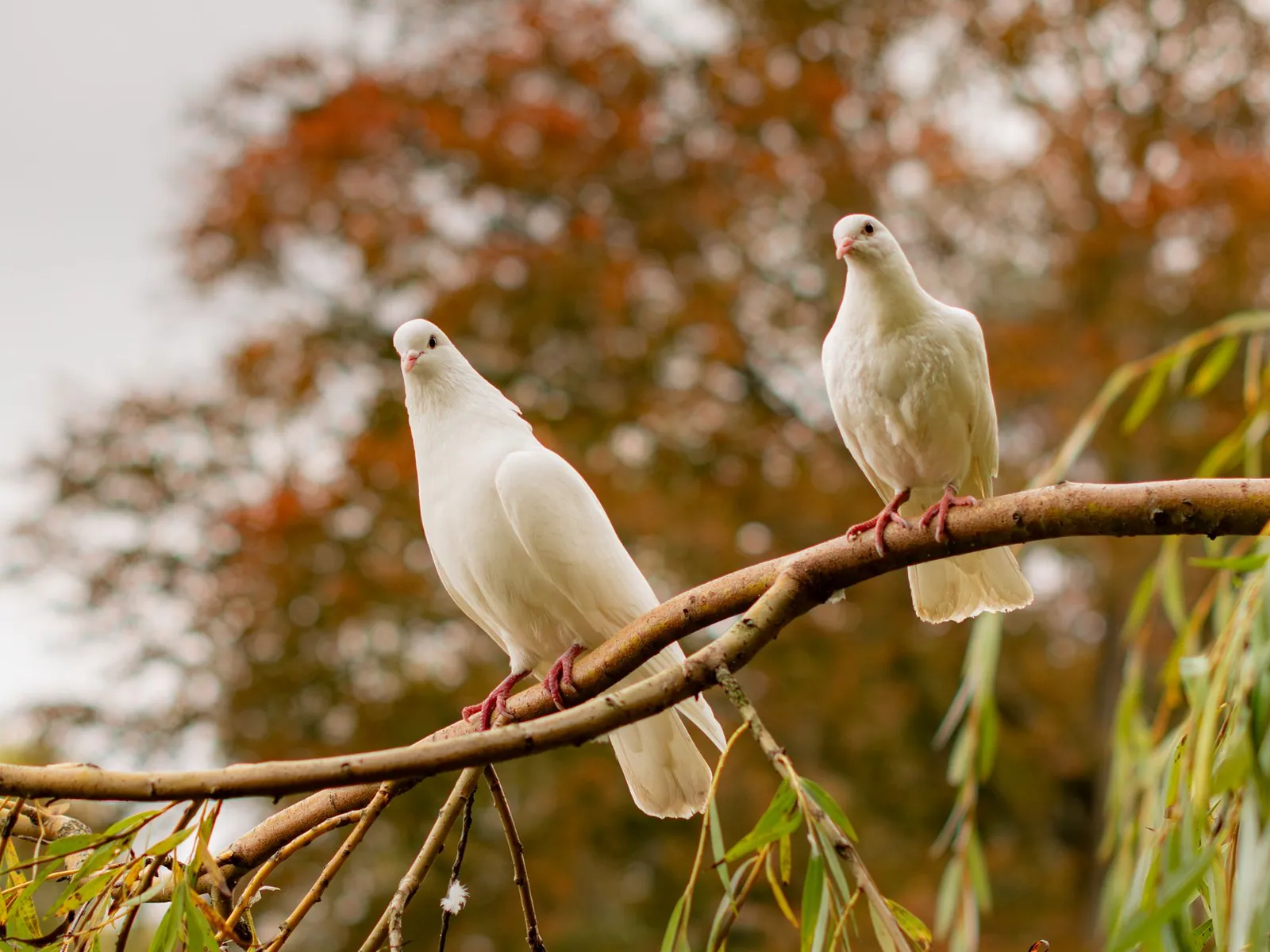
Why Is the Olive Branch a Symbol of Peace?
From the dove of the flood narrative to the emblem of the United Nations: how a tree branch has carried the same meaning for thousands of years.
Article
Why Is the Olive Branch a Symbol of Peace?
From the dove of the flood narrative to the emblem of the United Nations: how a tree branch has carried the same meaning for thousands of years.
 Article
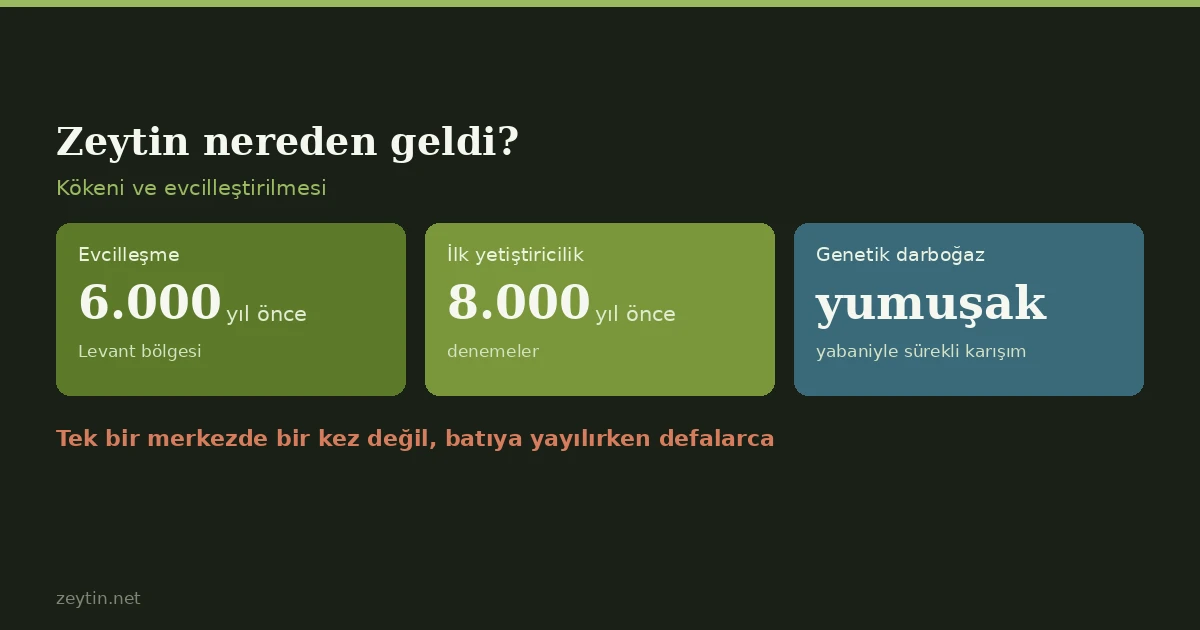
Where did olives come from? Origin and domestication
The olive was domesticated about 6,000 years ago in the Levant — but not at a single centre. Genetic work shows the cultivated olive kept mixing with the wild oleaster throughout its spread.
Article
Where did olives come from? Origin and domestication
The olive was domesticated about 6,000 years ago in the Levant — but not at a single centre. Genetic work shows the cultivated olive kept mixing with the wild oleaster throughout its spread.
 Article
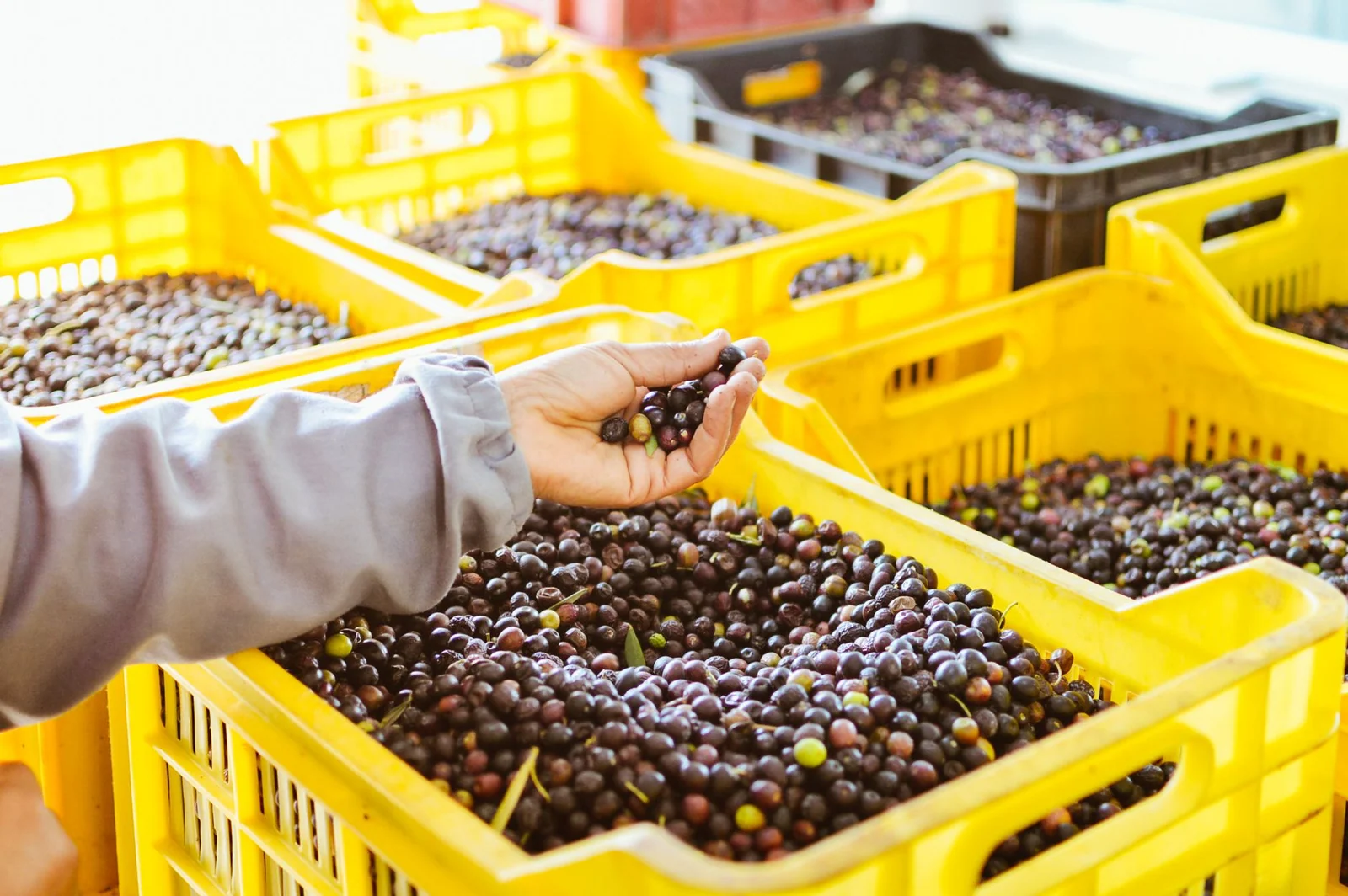
Gemlik-Orhangazi Olive Festival, 10-13 September: what the registration says about the name
Gemlik and Orhangazi are holding their olive festivals together for the first time, on 10-13 September 2026. Dropping “Gemlik Olive” from the name drew criticism. The registered area under record no 76 covers four districts: Gemlik, İznik, Orhangazi and Mudanya.
Article
Gemlik-Orhangazi Olive Festival, 10-13 September: what the registration says about the name
Gemlik and Orhangazi are holding their olive festivals together for the first time, on 10-13 September 2026. Dropping “Gemlik Olive” from the name drew criticism. The registered area under record no 76 covers four districts: Gemlik, İznik, Orhangazi and Mudanya.
 Article
The oil was a medicine: two thousand years of olive oil in medicine and folk practice
For most of its history olive oil was not food but lamp fuel, soap, ointment and medicine. Rome's four grades are the ancestor of today's label — and much of what survives in folk medicine is two thousand years old.
Article
The oil was a medicine: two thousand years of olive oil in medicine and folk practice
For most of its history olive oil was not food but lamp fuel, soap, ointment and medicine. Rome's four grades are the ancestor of today's label — and much of what survives in folk medicine is two thousand years old.