How Are Olives Cured?
An olive straight from the tree is inedible — it is bitter. In water, in salt, in lye or scored: the methods that remove the bitterness, and how long each takes.
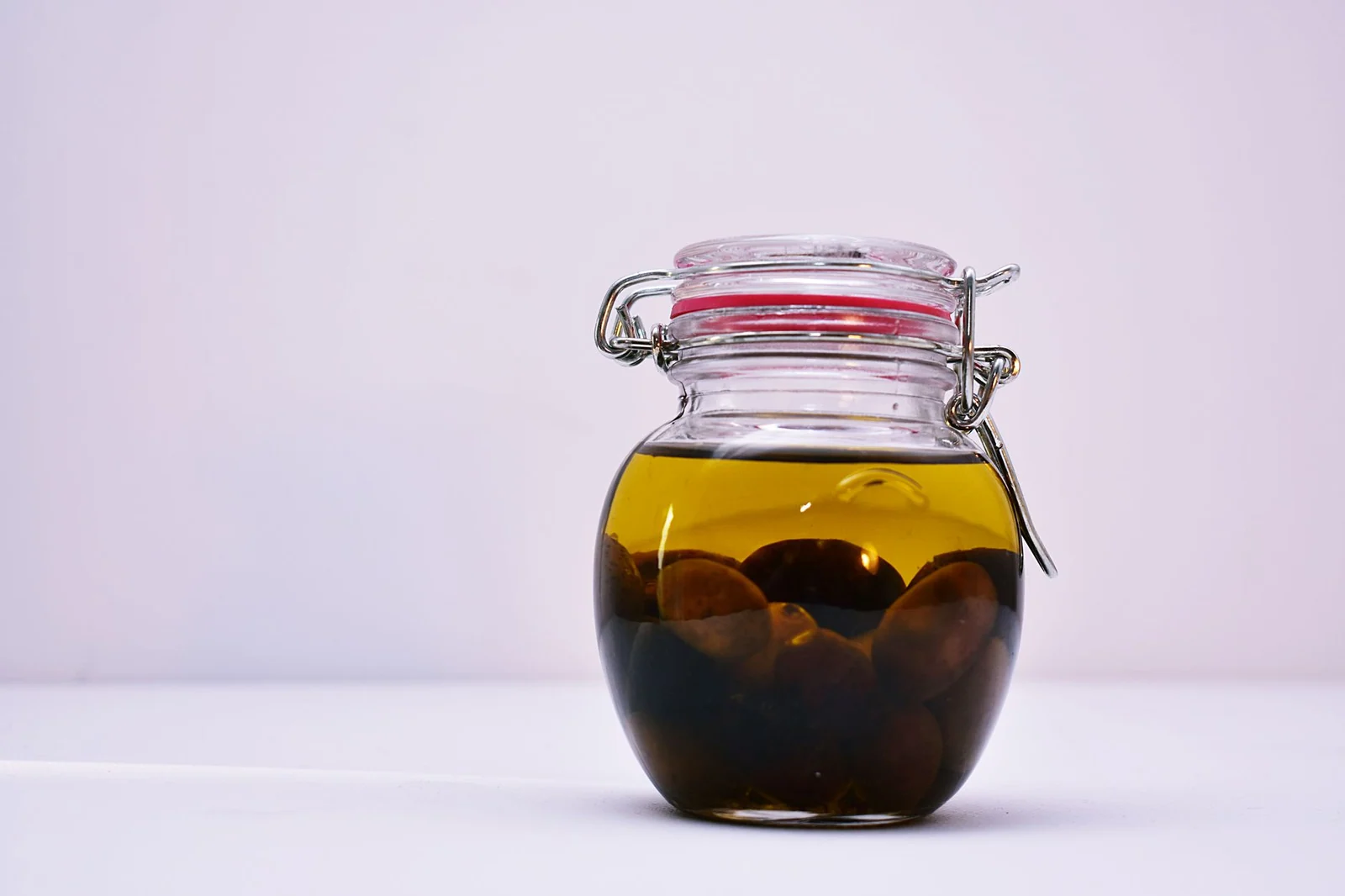
If you have ever bitten into an olive fresh from the tree, you know what we mean: it is not something you can eat. The reason is a compound called oleuropein, which gives the fruit a sharp, lingering bitterness. Before an olive can reach the table, that bitterness has to be removed — the whole process is known as curing.
Why so bitter?
Oleuropein is a polyphenol and the tree's own defence, keeping insects and fungi at bay. It is water-soluble, and that is what makes curing possible: left long enough in water or brine, the olive gradually gives up its oleuropein.
Water curing (the common home method)
The olives are covered with water in a wide container and the water is changed daily. Green olives take 20-30 days, black ones 10-15, depending on variety and ripeness. At the end you taste them; once the bitterness has fallen to an acceptable level, the olives are moved into brine (80-100 g of rock salt per litre) and stored in jars.
To speed things up the olives are scored or cracked — hence "cracked olives". The larger surface lets the oleuropein out faster, though the fruit stays softer.
Dry salt curing
Ripe black olives are layered with rock salt in perforated baskets or cloth. The salt draws the moisture out of the fruit, and the bitterness leaves with it. It takes four to eight weeks. The result is a wrinkled, intensely flavoured olive with pronounced salt — the sele olives of the Gemlik region are made this way.
Lye and ash methods
In industrial production the bitterness is removed within hours using a dilute sodium hydroxide (lye) solution, followed by a long wash. It is fast, but it reduces both the aroma and the polyphenol content. In Anatolia the same job used to be done with water strained through wood ash.
Most green "Spanish style" olives are produced this way and then left to a lactic fermentation.
Greek style natural fermentation
The olives go straight into brine and stay there for months. The oleuropein both leaches into the water and is broken down by naturally occurring lactic acid bacteria. It is the slowest method (6-12 months) and the richest in flavour; Kalamata olives are prepared like this.
If you are curing at home
- The olives must stay under the liquid at all times; any fruit that floats will mould. Weigh them down with a plate or a clean stone.
- A finger of olive oil poured on top of the jar seals off contact with the air.
- Use non-iodised salt; iodine disrupts the fermentation.
- The bitterness never disappears entirely in a table olive, and it should not — a faint bitterness is the mark of a good one.
The variety shapes the result: which are suited to curing and which to oil is covered in olive varieties.
One rating per visitor; you can change yours at any time. Ratings are real reader votes — no seeded or default scores.
Related
 Article
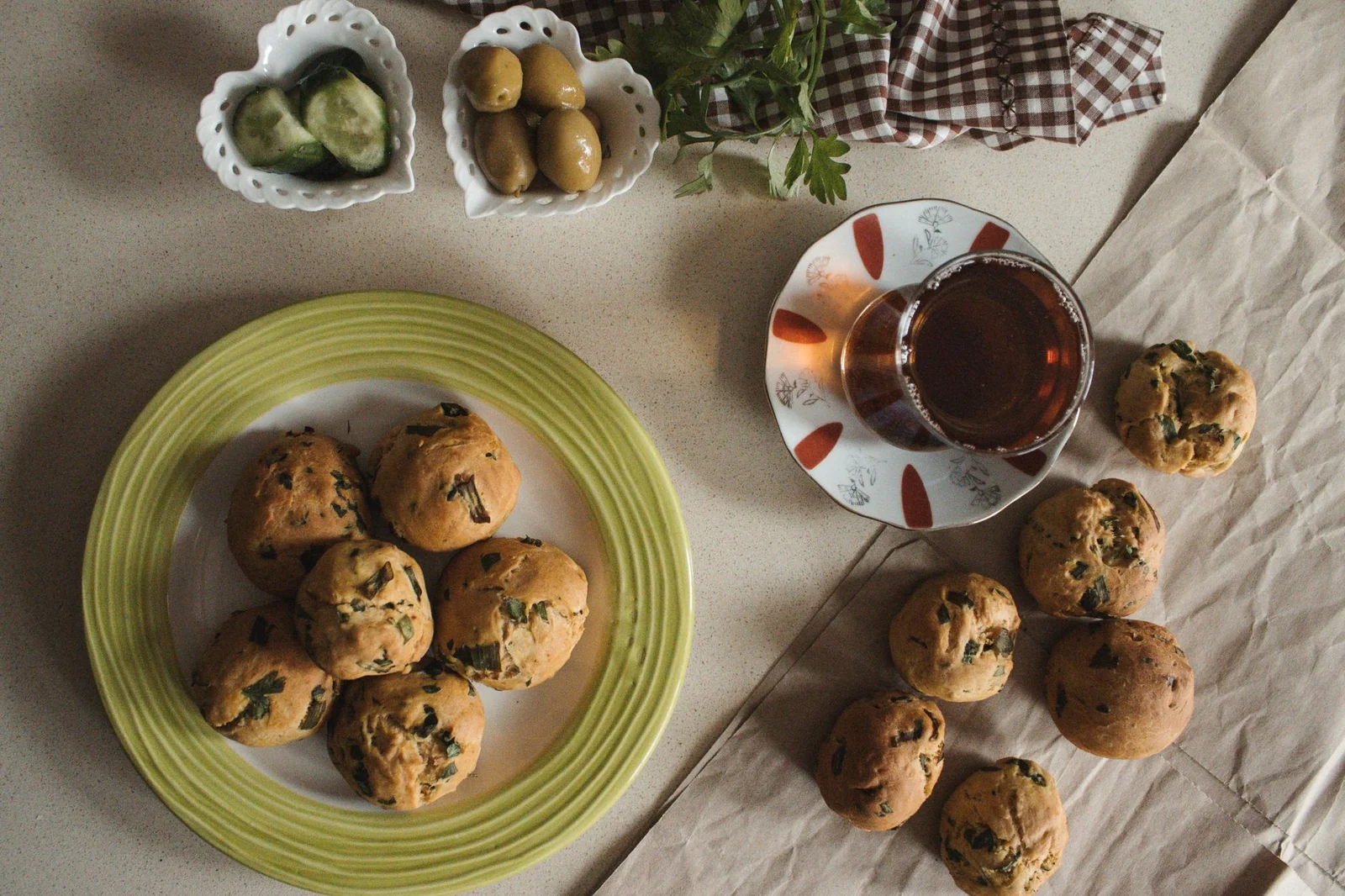
Gaziantep Green Olive Pastry: a registration that turns a recipe into a rule
The only prepared dish among olive geographical indications. The document binds the half-moon shape, the 14-15 cm diameter, the filling gram by gram, the sheep breed, and inspection twice a year. The olives used are oil-type, not table.
 Article
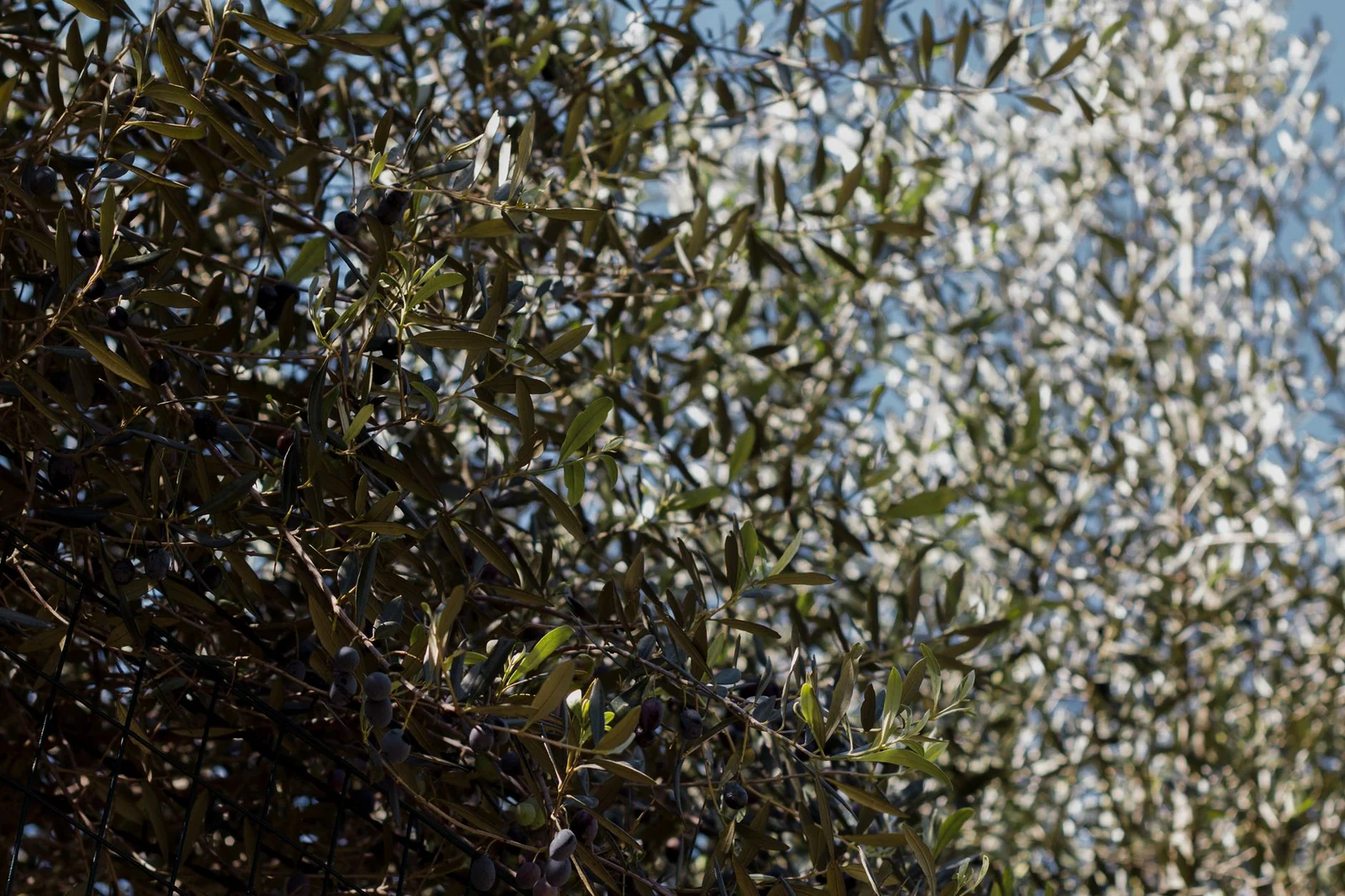
The Olive Calendar: The Olive Year Month by Month
When to prune, when it flowers, which olives are picked when — the year of the tree and the grower, month by month.
 Article
The Çelebi olive family: seven types, two separate geographies
Çelebi is not one variety but a family name. Tesbih Çelebi yields above 22 percent oil while Hamza, Yuvarlak and Yün Çelebi stay under 18. Measured values for seven types.
 Article
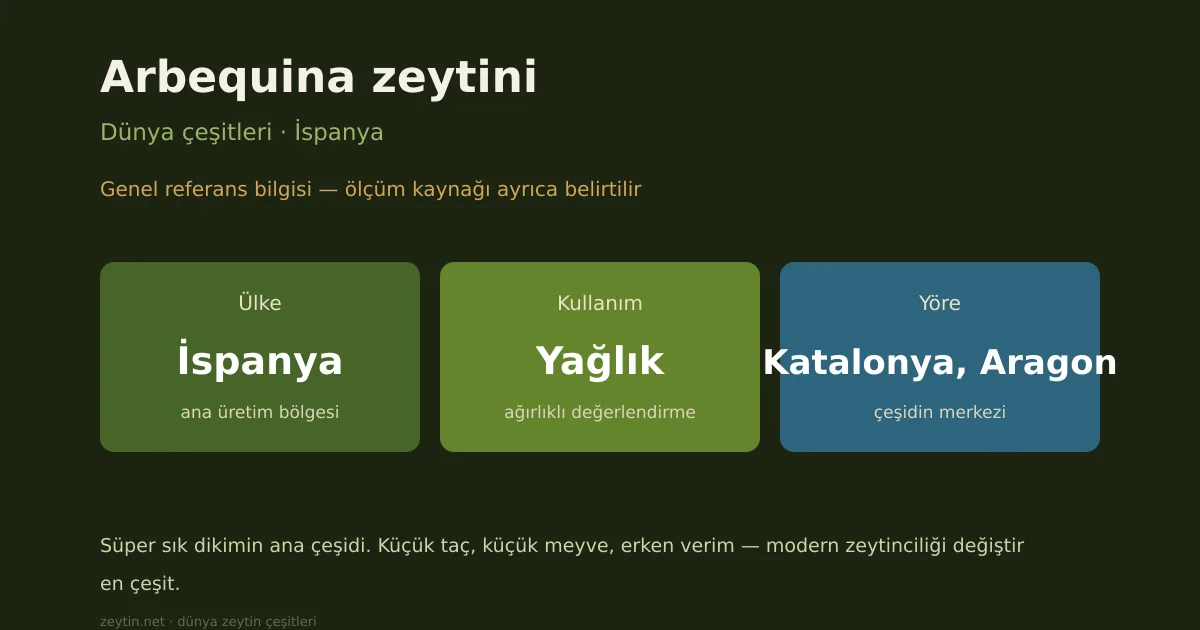
Arbequina olive: Spain's oil variety
The mainstay of super-high-density planting. Small canopy, small fruit, early bearing — the variety that changed modern olive growing.