Nutrient deficiencies in olive: from symptom to element
The same yellowing can mean nitrogen, magnesium, zinc or iron, and the wrong element makes it worse. Standard leaf analysis values, symptom-to-element matching and the boron schedule.
The most expensive mistake in an olive grove is fertilising by guesswork. When a tree yellows, nitrogen comes to mind first — yet magnesium, zinc and iron deficiency produce the same yellowing, and giving the wrong element makes things worse: excess potassium blocks magnesium uptake, excess phosphorus locks up zinc.
That is why the Integrated Pest Management technical instruction sets one rule: analysis first, fertiliser second.
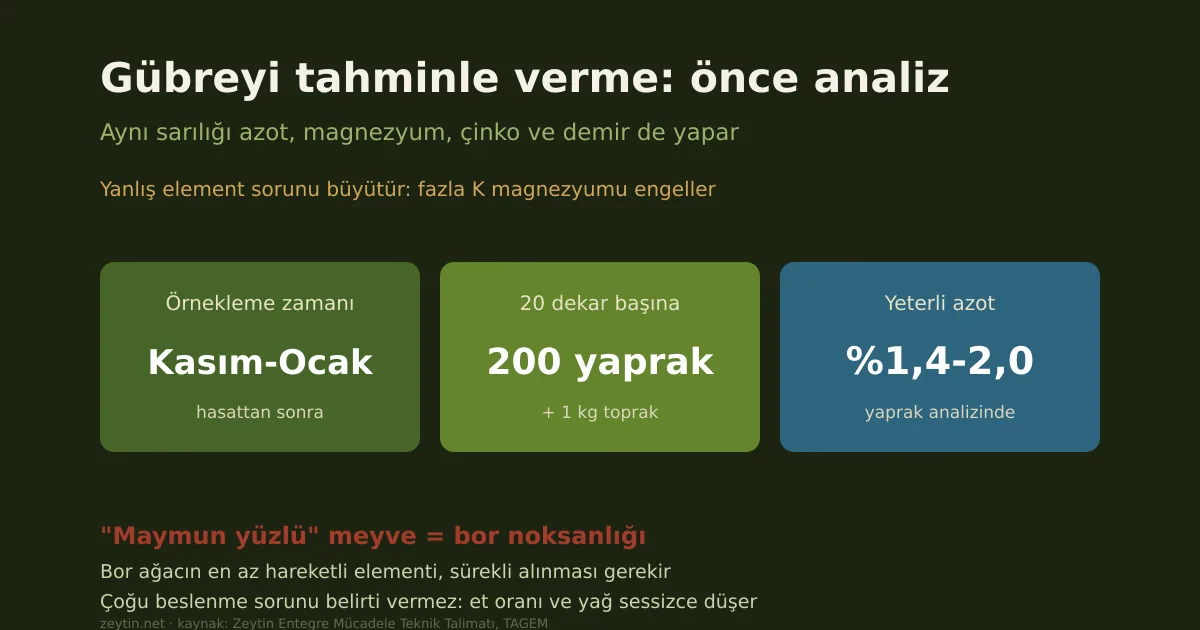
How to sample
| Timing | After harvest — November to January |
| Leaves | 200 leaves per 20 decares (2 ha) |
| Soil | 1 kg per 20 decares |
Results are compared against the standard values below, and fertiliser rates follow from that.
Standard leaf analysis values
| Element | Very low | Low | Adequate | High | Very high |
|---|---|---|---|---|---|
| Nitrogen — N (%) | <1.0 | 1.0–1.4 | 1.4–2.0 | 2.0–2.5 | >2.5 |
| Phosphorus — P (%) | <0.05 | 0.05–0.08 | 0.08–0.20 | 0.20–0.25 | >0.25 |
| Potassium — K (%) | <0.3 | 0.3–0.7 | 0.7–1.4 | 1.4–2.0 | >2.0 |
| Calcium — Ca (%) | <0.3 | 0.3–1.4 | 1.4–2.5 | 2.5–3.5 | >3.5 |
| Magnesium — Mg (%) | <0.08 | 0.08–0.25 | 0.25–0.45 | 0.45–0.57 | >0.57 |
| Iron — Fe (ppm) | <40 | 40–70 | 70–200 | 200–250 | >250 |
| Manganese — Mn (ppm) | <5 | 5–25 | 25–70 | 70–100 | >100 |
| Zinc — Zn (ppm) | <1 | 1–15 | 15–50 | 50–60 | >60 |
| Copper — Cu (ppm) | <2 | 2–6 | 6–18 | 18–30 | >30 |
| Boron — B (ppm) | <6 | 6–18 | 18–50 | 50–65 | >65 |
The bold column is the adequate range. A "high" reading is also a problem: excess potassium blocks magnesium, excess phosphorus blocks zinc, and excess lime blocks boron.
From symptom to element
Nitrogen deficiency
Yellowing (chlorosis) on some or all leaves; leaf drop in the lower and middle canopy; weak shoots; fewer inflorescences and flowers. Flowers and fruit drop, fruit is small, flesh ratio and oil content fall.
Causes: low soil nitrogen and organic matter, low soil temperature, low phosphorus, severe drought.
Remedy: soil-applied nitrogen or foliar urea according to analysis. Legumes can be sown as an intercrop.
Phosphorus deficiency
Growth slows, leaves shrink, internodes shorten, roots weaken. Flowering is reduced and delayed, fruit set suffers. Fruit ripens late and oil content falls below normal. Sensitivity to cold and drought rises.
Causes: low organic matter, cold and wet conditions, acid soils.
Potassium deficiency
Tip chlorosis and necrosis on older leaves; leaves brown at the tip, yellow at the base. Leaves and fruit shrink, flesh ratio and oil content fall. Resistance to water and cold stress drops, and the tree suffers more from pests and diseases.
Causes: low soil potassium, low cation exchange capacity.
Calcium deficiency
Shoots snap and die back easily, leaves drop, picked leaves dry without hardening, young leaves become sensitive to chilling.
Causes: low soil calcium or excess magnesium.
Magnesium deficiency
Yellowing starting at the leaf tip or margins, with green retained along the midrib and at the leaf base — a characteristic pattern. As the season advances, yellowing covers the whole leaf. Significant leaf drop on young shoots and stalled growth.
Causes: low soil magnesium, excess potassium and calcium, excessive rainfall.
Zinc deficiency
Interveinal yellowing, rosetting, shrinking and distortion of leaves.
Causes: low soil zinc, excess phosphorus. Common on high-pH, light, easily leached soils.
Boron deficiency — the olive's own problem
Boron is the least mobile element in the tree and must be taken up continuously. It is involved in root growth and apical meristem formation, and matters for the plant's defences. In olive, leaf boron rises as growth begins, peaks when the stone hardens and falls to a minimum as fruit ripens.
On leaves: a pale green discolouration spreading from the tip toward the stalk over two-thirds of the leaf, then yellowing and drop. Leaves shrink, curl, thicken and pucker; internodes shorten into rosettes.
On shoots: tip dieback. Lateral buds break, shoot numbers rise, and the tree becomes stunted and bushy. Cracks and splits on branches, trunk and even leaf stalks.
On fruit: deformity. The stone keeps growing while the skin stops, producing the characteristic "monkey-faced" fruit — the signature of boron deficiency. Flower and young-fruit drop.
Causes: low pH, excessive liming, severe drought, excessive rainfall. Common on easily leached soils poor in organic matter.
Application schedule (according to analysis):
| Method | Timing |
|---|---|
| Foliar | 1st: before flowering |
| 2nd: at fruit set | |
| 3rd onward: 2–3 times at 15-day intervals | |
| Soil | One application in spring during shoot growth (March–April) |
In short
Most nutritional problems in olive are the hidden kind rather than the visible kind: the tree stands, its leaves look green, but flesh ratio and oil content are low. Only analysis reveals it.
Two hundred leaves and one kilo of soil per 20 decares, between November and January — those two samples decide a season's fertiliser plan. Fertiliser given by guesswork usually costs money, and sometimes costs the tree.
⚠ Fertiliser type and rate are grove-specific. Discuss your analysis with your Provincial/District Directorate of Agriculture and Forestry or an agricultural engineer.
One rating per visitor; you can change yours at any time. Ratings are real reader votes — no seeded or default scores.
Related
 Article
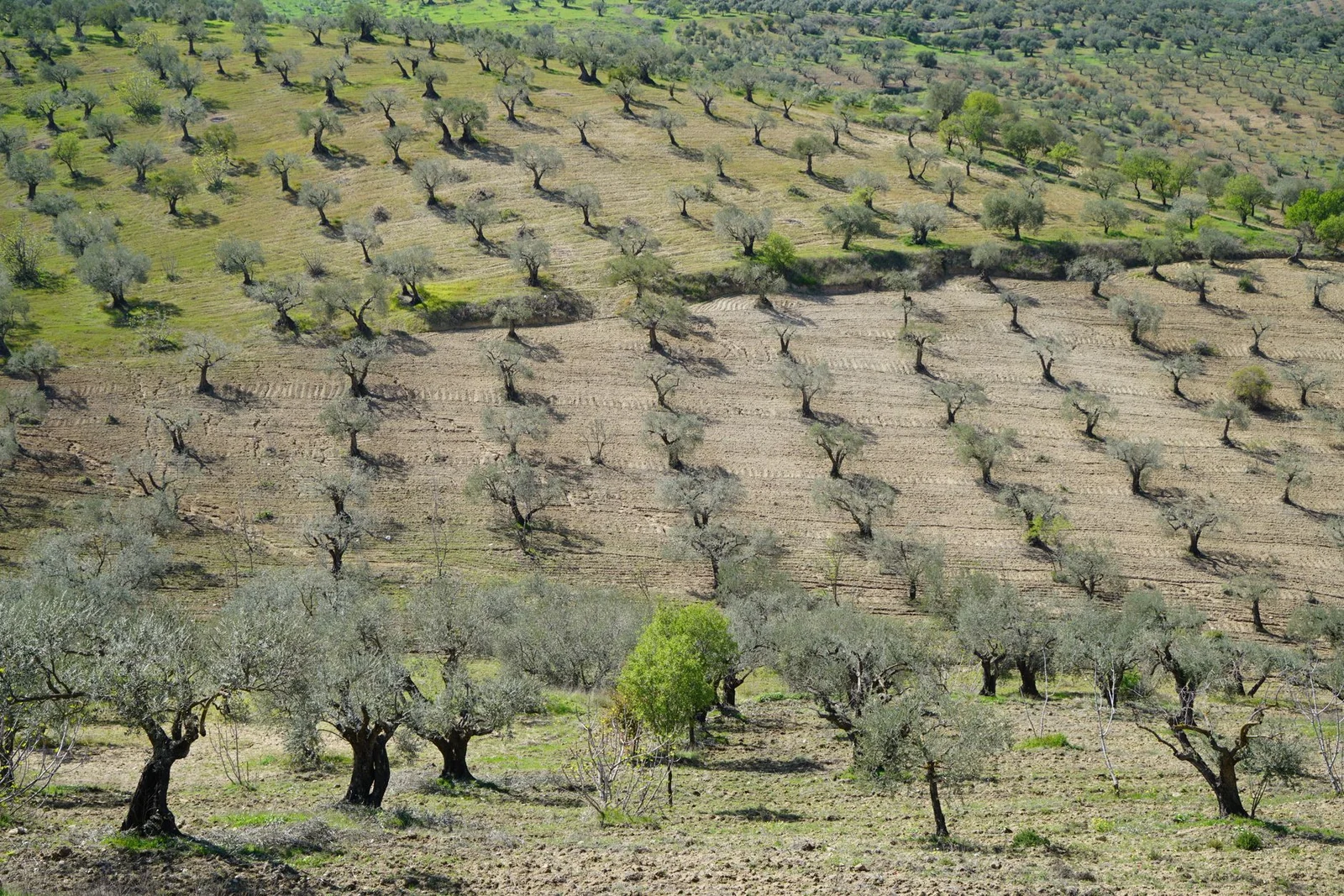
Irrigating Olives: When, How Much, How
Olive water requirements, critical periods, drip system layout, deficit irrigation and water quality.
Article
Irrigating Olives: When, How Much, How
Olive water requirements, critical periods, drip system layout, deficit irrigation and water quality.
 Article
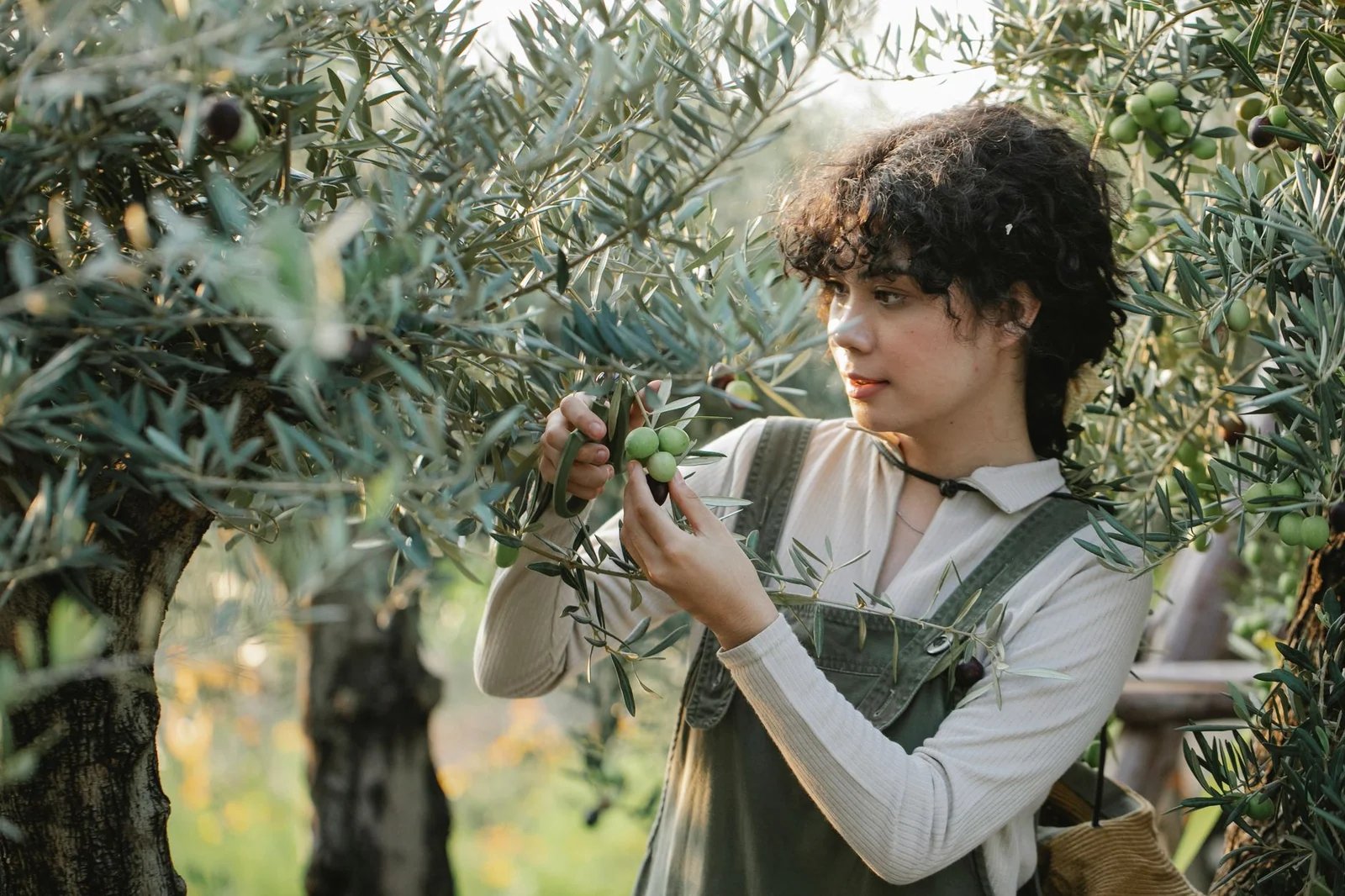
Where does an olive sapling come from? From cutting to laboratory
Most table olive varieties will not root, and those that do are clones of one another — defenceless against disease. Tissue culture reports up to 85% success in vitro, but zeatin is expensive.
Article
Where does an olive sapling come from? From cutting to laboratory
Most table olive varieties will not root, and those that do are clones of one another — defenceless against disease. Tissue culture reports up to 85% success in vitro, but zeatin is expensive.
 Article
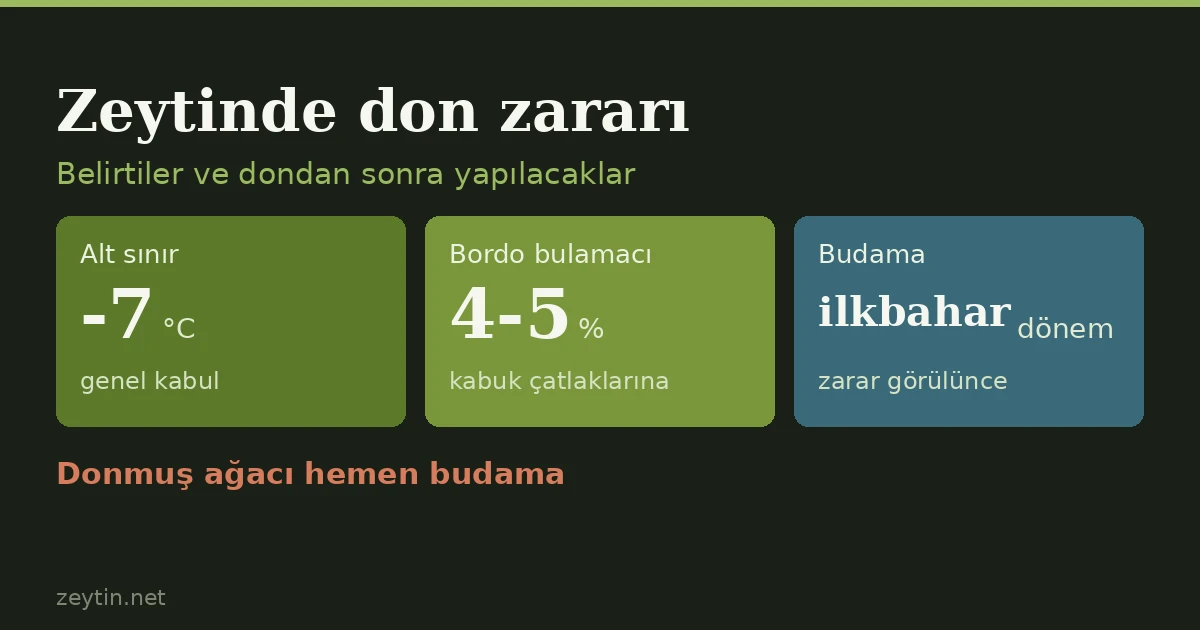
Frost damage in olive trees: signs, risk factors and what to do after a frost
The generally accepted lower limit for olives is around -7 °C, but damage does not depend on the thermometer alone: how long the cold lasts, sudden drops, humidity, tree age and nutrition all matter. Here are the signs of frost damage on leaves, shoots, bark and fruit, ways to reduce the risk and which job to do when after a frost.
Article
Frost damage in olive trees: signs, risk factors and what to do after a frost
The generally accepted lower limit for olives is around -7 °C, but damage does not depend on the thermometer alone: how long the cold lasts, sudden drops, humidity, tree age and nutrition all matter. Here are the signs of frost damage on leaves, shoots, bark and fruit, ways to reduce the risk and which job to do when after a frost.
 Article
Caring for an olive tree in a pot: container, soil, watering, light and winter
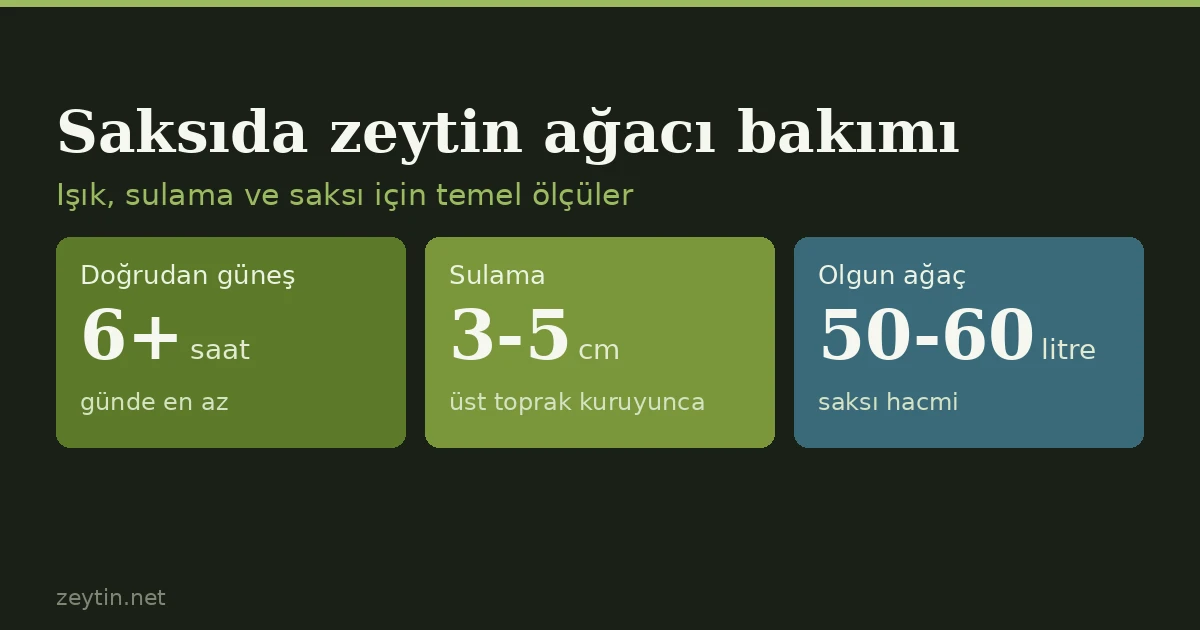
Olive trees can live in pots, but they do not forgive two things: too much water and too little light. A wide pot with drainage holes, a free-draining mix, watering once the top layer dries and at least six hours of direct sun are the basic rules. Expecting fruit indoors is usually pointless without a cool winter.
Article
Caring for an olive tree in a pot: container, soil, watering, light and winter
Olive trees can live in pots, but they do not forgive two things: too much water and too little light. A wide pot with drainage holes, a free-draining mix, watering once the top layer dries and at least six hours of direct sun are the basic rules. Expecting fruit indoors is usually pointless without a cool winter.