Iced Olive Leaf Tea
A summer drink from leaves left over after pruning: cold-brewed, with lemon and mint.
- Time
- 15 minutes
- Serves
- 4 glasses
- Level
- Easy
- Cuisine
- Non-alcoholic
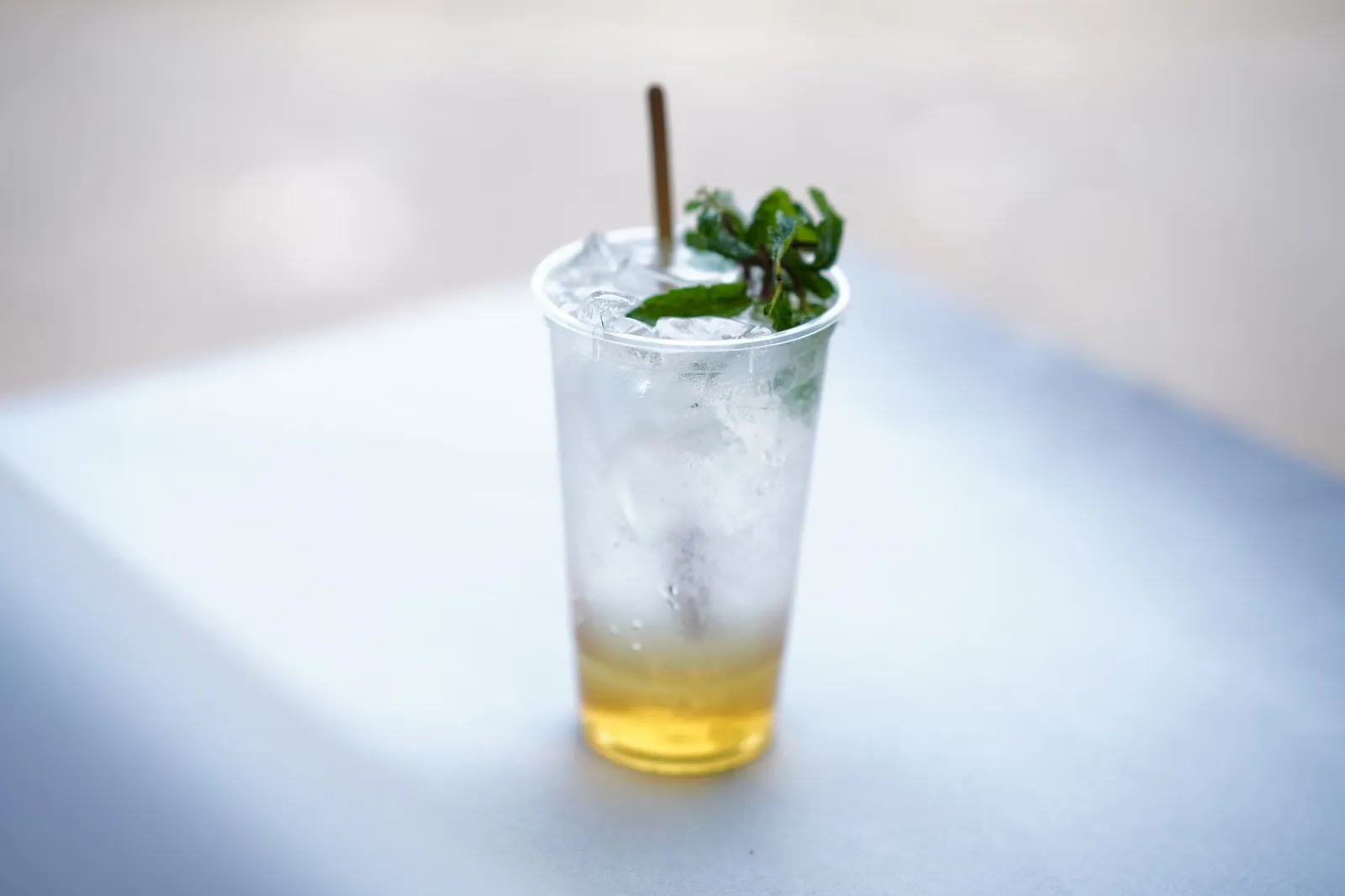
Olive leaf tea is the tree's third use beyond its fruit and its oil — a folk drink known around the Mediterranean for centuries. The leaf's principal phenolic compound is oleuropein, the same substance responsible for the bitterness of the raw olive, and the source of the tea's characteristic astringency.
The entire technique of this recipe gathers around a single number: 90 °C. Boiling water extracts oleuropein and tannins too aggressively and the tea comes out undrinkably bitter. Waiting a minute after the kettle boils gives you that temperature without any measuring.
For the detail and the limits: the olive leaf and its tea.
Directions
- Boil the water, take it off the heat and wait a minute (about 90 °C).
- Pour over the leaves, cover and steep for 8-10 minutes. ⚠ Do not boil; a long boil raises bitterness and tannin.
- Strain and leave to cool completely.
- If using honey, stir it in while the tea is still warm; it will not dissolve cold.
- Put the lemon slices and mint in a jug and pour the tea over.
- Chill for at least an hour.
- Serve in glasses filled with ice.
Tips & storage
⚠ Not something to drink without limit. There is evidence that olive leaf extract can lower blood pressure and blood sugar. If you take medication for hypertension or diabetes, are pregnant or breastfeeding, or are due for surgery, consult your doctor before drinking it daily. The detail is in the linked article.
Do not boil it. Prolonged boiling increases both the bitterness and the tannic taste — the one technical rule in this recipe.
Don't extend the steeping. Eight to ten minutes is enough. Longer does not improve the flavour, it only adds astringency.
Stir the honey in while warm. Honey will not dissolve in cold tea and sinks to the bottom. Added to boiling water, it loses its aroma.
Use fresh leaf. Dried leaf more than a year old loses its aroma and keeps only its astringency. If you dry your own, do it in the shade with good air movement; sunlight degrades the active compounds.
Lemon last. Added during steeping it brings the astringency forward; added in the jug, it refreshes.
Storage. Two days in a covered jug in the fridge. The mint version is best on the first day.
One rating per visitor; you can change yours at any time. Ratings are real reader votes — no seeded or default scores.
Related
 Recipe
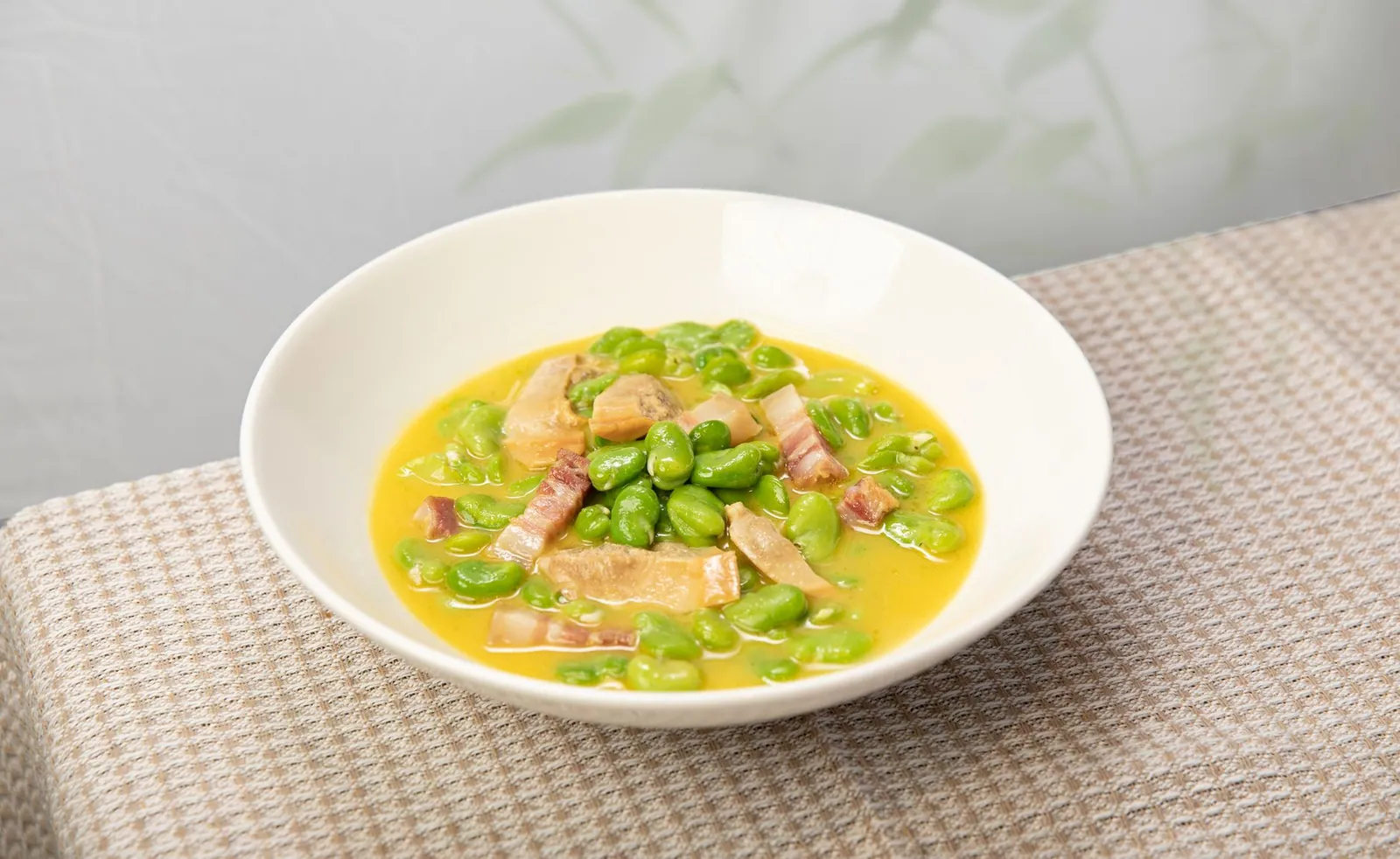
Borlotti Beans in Olive Oil (Pilaki)
Borlotti beans cooked with carrot, potato and tomato; the texture settles as it cools, served with lemon.
 Recipe
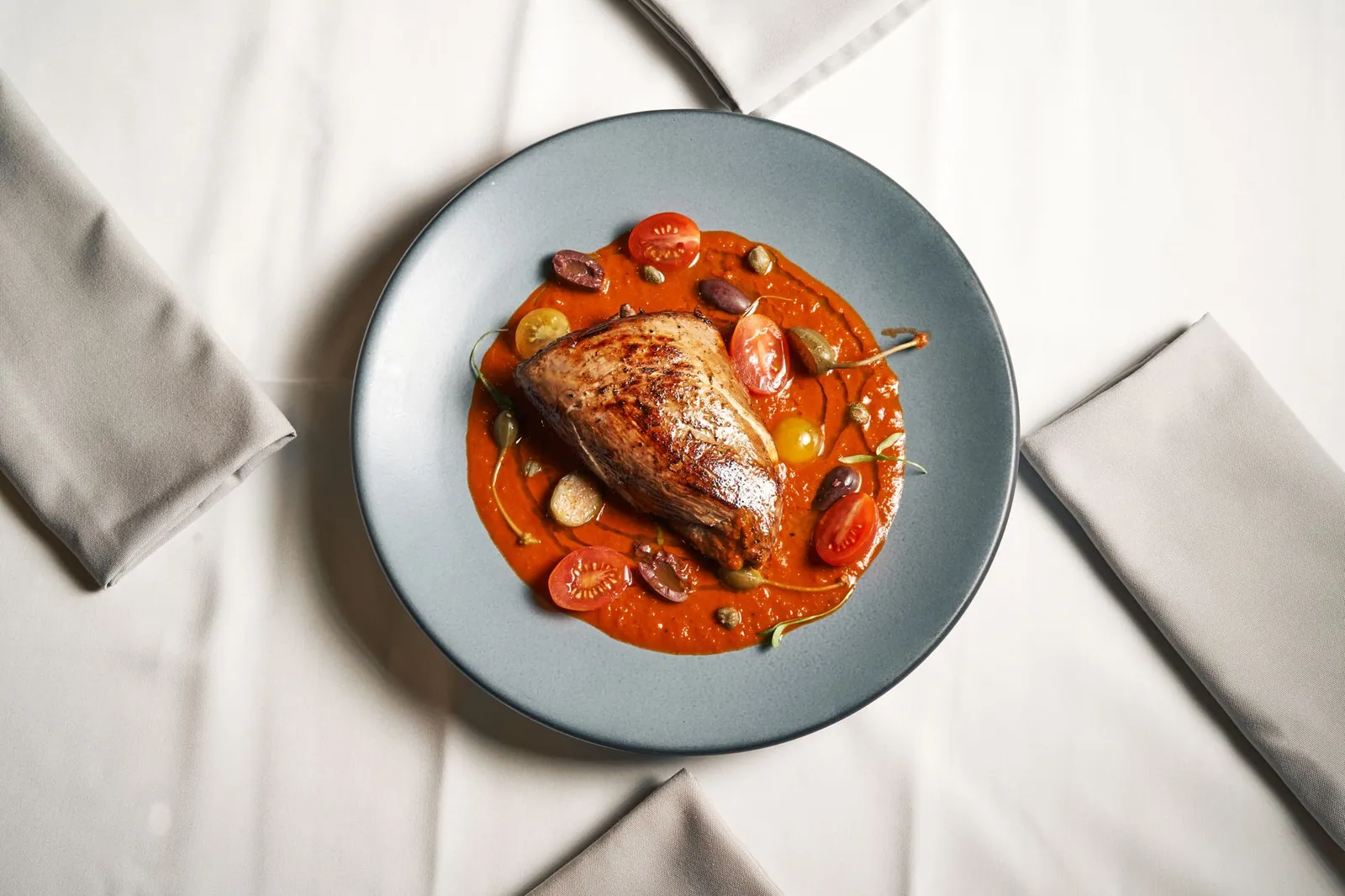
Şakşuka with Olives
The classic aubergine, pepper and tomato meze, with black olives folded in.
 Recipe
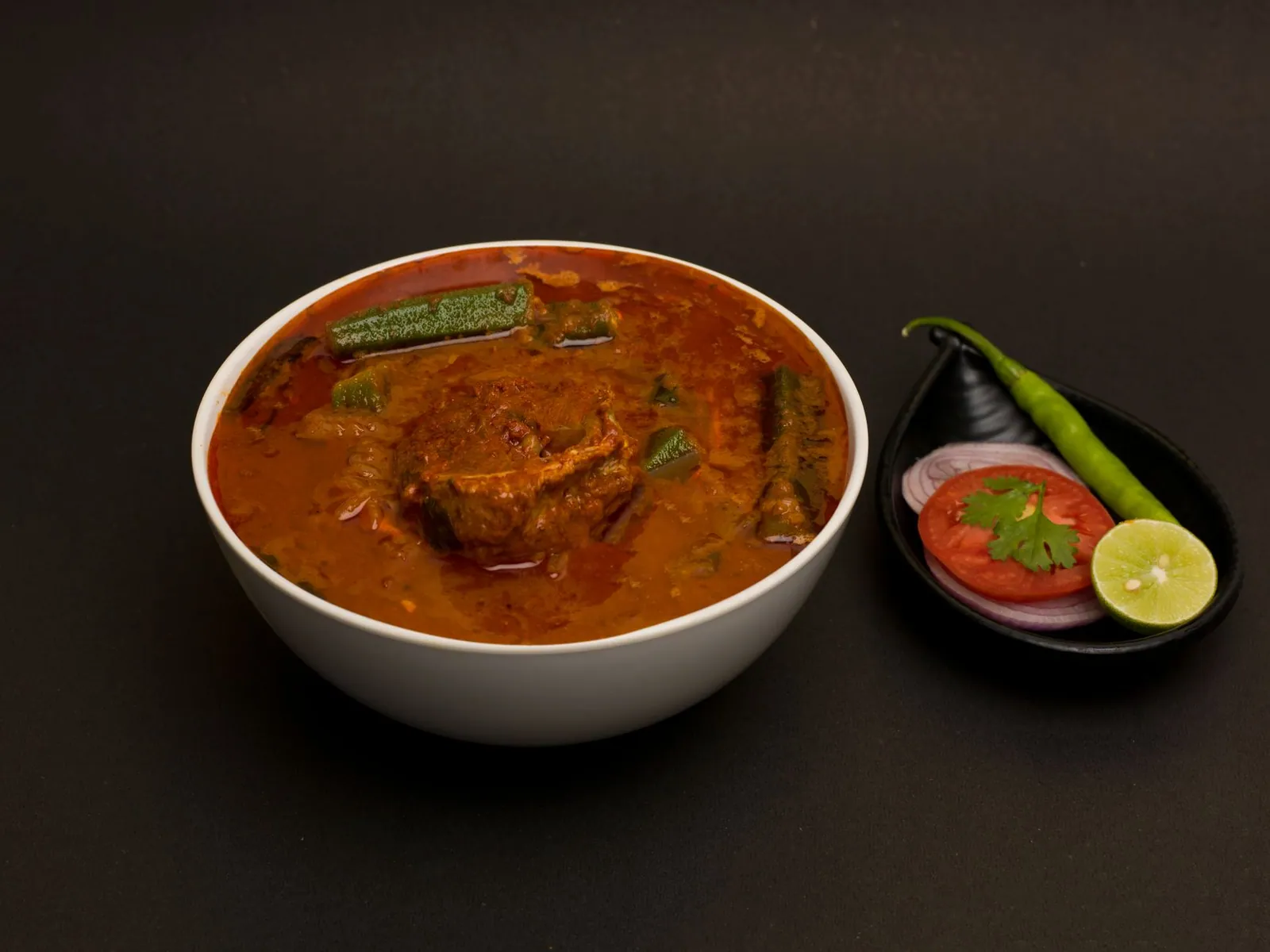
Okra in Olive Oil
Okra rested in vinegar to cut the sliminess, then cooked slowly with tomato and onion.
 Recipe
Courgette Fritters with Olives
A salty layer added to the classic fritter: chopped black olives. The secret is getting all the water out of the courgette.