Why Is the Olive Branch a Symbol of Peace?
From the dove of the flood narrative to the emblem of the United Nations: how a tree branch has carried the same meaning for thousands of years.
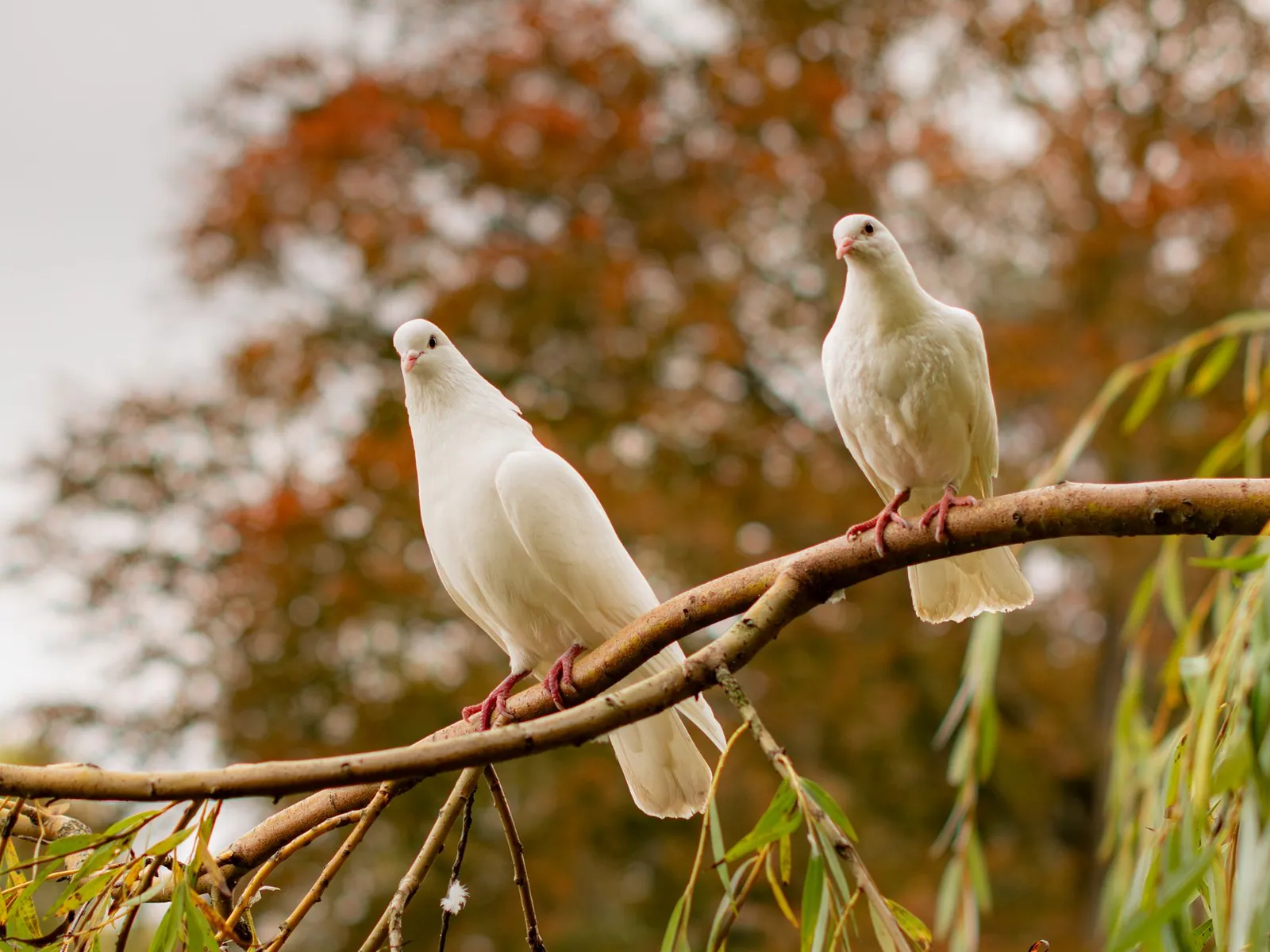
Most people who speak of "extending an olive branch" today do not stop to think how old the gesture is. The symbol was in fact formed by at least three separate traditions layered on top of one another: the sacred tree of ancient Greece, the envoy's sign in Rome, and the dove of the flood narrative. Its meaning today, reaching from the United Nations emblem to national flags and everyday speech, comes from those three layers.
The short answer
The olive branch symbolises peace because:
- In ancient Greece, a person carrying an olive branch was considered inviolable.
- In Rome, envoys and those seeking to surrender announced themselves by carrying a branch.
- In the flood narrative, the dove returns with an olive leaf to announce that the disaster is over.
- The olive tree takes years to come into bearing; planting a grove means investing in a long period of peace.
Ancient Greece: sanctuary and victory
In the Greek world the olive was the gift of the goddess Athena. In the story, when Athena and Poseidon competed for guardianship of the city, Poseidon struck salt water from the rock while Athena brought forth an olive tree. The city chose what was useful, and took Athena's name. The details of this and other myths are in the olive in mythology.
The sacred olive tree on the Acropolis was bound up with the city's very existence. Herodotus relates that when the Persians burned the Acropolis in 480 BC the tree burned too, but put out a new shoot from its stump the very next day. The story is an early example of the olive seen as a life that sprouts again after destruction.
The symbolic weight of the branch came from there. In the practice known as hiketeria, a stranger or a fugitive seeking sanctuary needed only to carry an olive branch wrapped in wool; to lay hands on the bearer was an offence against the gods. The branch marked not disarmament or surrender but inviolability.
The same tree stood for victory too: winners at Olympia were crowned with the kotinos, a wreath woven from wild olive. Victors at the Panathenaic games received no money but large amphorae filled with oil from the sacred trees. The tradition carried into the modern era: at the 2004 Athens Olympics, medal winners were crowned with olive wreaths.
Rome: surrender and negotiation
In Rome the olive branch was a recognised way of signalling a truce or a request to surrender on the battlefield. Envoys and negotiators carried one. It was a sign acknowledged by both sides, meaning that its bearer would not be killed. In Latin literature the olive branch stands directly for suing for peace; in Virgil's Aeneid, envoys arrive bearing olive branches to ask for peace.
The flood narrative
The greatest share of the symbol's modern reach belongs to the flood narrative in Genesis. When the dove released as the waters recede returns, it carries a fresh olive leaf in its beak: the sign that land has emerged, that the punishment is over, and that peace with the earth has been restored. For the olive's place in other scriptures and folk traditions, see the olive in religion and the olive in scripture and folk belief.
The pairing of dove and olive branch appears in early Christian art from the catacomb paintings onward. Over the centuries the two merged into a single emblem: the dove of peace.
Dove and olive branch: the 20th century
One of the people who made the dove of peace as recognisable as it is today was Pablo Picasso. His lithograph of a dove was chosen for the poster of the World Peace Congress held in Paris in 1949, and it soon became a symbol of anti-war movements. In later years Picasso repeatedly drew the dove with an olive branch in its beak. An ancient sign thus moved onto mass posters and badges.
What does "extending an olive branch" mean?
The idiom means taking the first step towards reconciliation in a dispute, offering peace to the other side. It is used for a leader proposing talks to a rival, two companies dropping a lawsuit and sitting down to negotiate, or one of two estranged friends picking up the phone. Variants such as "hold out an olive branch" or "offer an olive branch" mean the same.
The idiom's power comes from keeping its ancient sense: the person extending the branch announces not weakness but that they mean no harm. Whether the other side accepts the branch is a separate decision.
Is an olive wreath the same as a laurel wreath?
No, and the difference matters. In the ancient world the two plants stood for two distinct honours. The olive wreath was tied to the games at Olympia and to Athena; it said that victory had been won in peaceful competition. The laurel wreath was sacred to Apollo: it was the prize at the Pythian games in Delphi, and in Rome it was seen on the head of a commander in a triumphal procession. Today the two plants are often confused in art, on medals and in logos. If there are small oval fruits among the leaves, or the leaves are narrow and long with a silvery underside, the wreath is olive.
Branch or leaf?
In the flood narrative, what the dove brings back is not a branch but a leaf. The text says the dove returned with a freshly plucked olive leaf in its beak. The freshness of the leaf matters: it shows that the waters have receded and that trees are growing green again. Artistic tradition gradually turned the leaf into a small branch; in most modern drawings of the dove of peace, the bird carries a short sprig with a few leaves and sometimes fruit.
Modern use: emblems, flags, seals
That inheritance survives in official emblems.
| Where | How the olive branch appears |
|---|---|
| United Nations emblem | Branches flanking the world map on both sides |
| Flag of Cyprus | Two olive branches beneath the silhouette of the island |
| Flag of Eritrea | A wreath made of olive branches |
| Great Seal of the United States | An olive branch in one of the eagle's talons, arrows in the other; the eagle's head turned towards the olive branch |
The US seal shows both faces of the symbol at once: the desire for peace and the capacity to defend when necessary. The eagle's head facing the olive branch expresses that peace is the preferred path.
The line used by Yasser Arafat at the UN General Assembly in 1974, an olive branch in one hand and a freedom fighter's gun in the other, shows how alive the symbol remains in political language. How olive groves in the same region have suffered in conflict is covered in olive groves in the war.
Why the olive?
Probably because the olive tree stands for patience. It takes years to bear fruit; replacing a grove felled in wartime takes close to a human lifetime. A society with olive groves is a society that has planned to stay at peace for a long time. The branch is that calculation made visible.
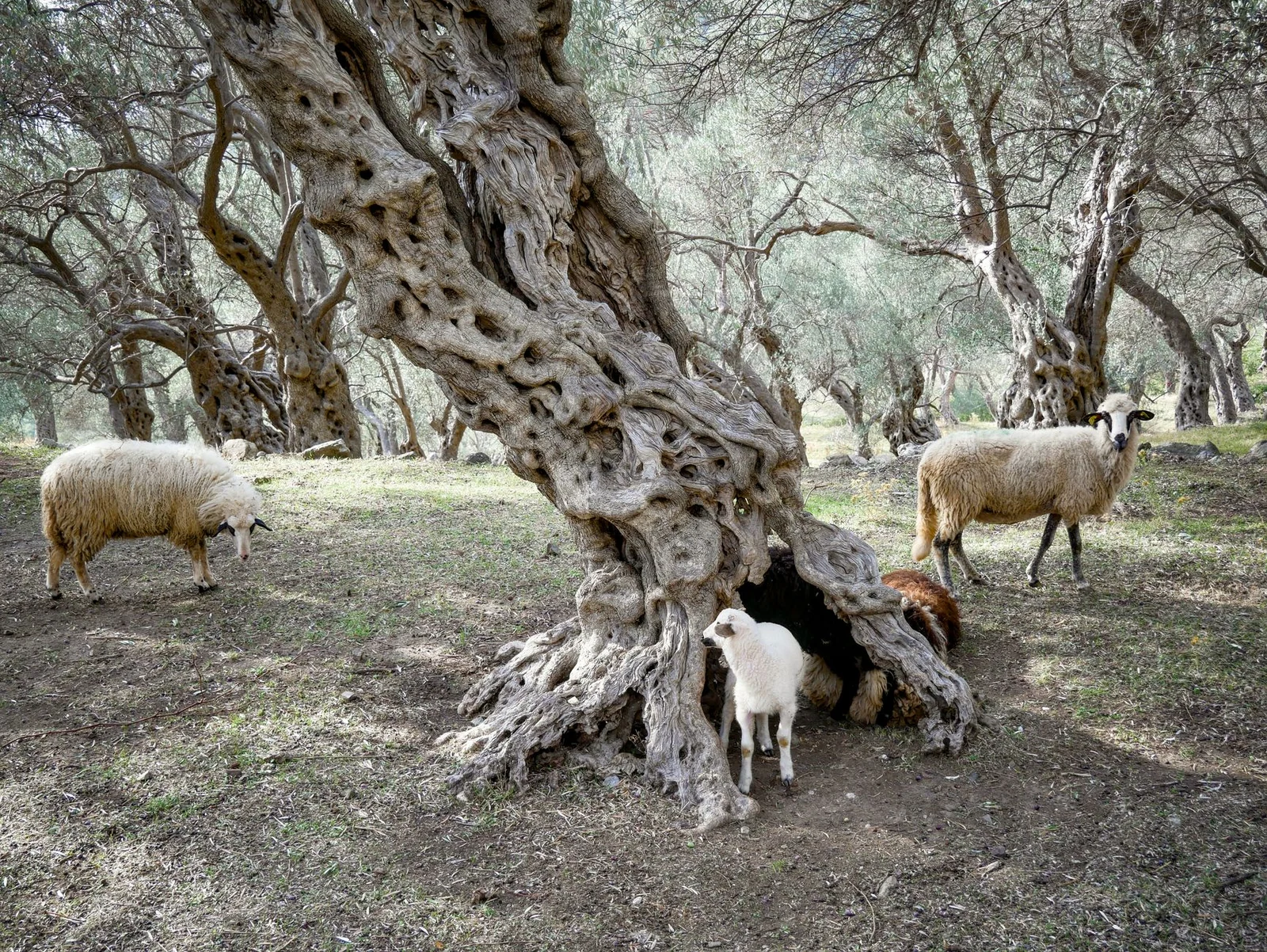
The tree's extraordinary lifespan reinforces that meaning. Olive trees are known to live for hundreds of years, some for more than a thousand; we described Turkish examples in the monumental olive trees of Edremit. It is no surprise that a tree able to sprout again from its roots even after being cut down should become a symbol of starting over after destruction. Where the olive came from and how long it has lived alongside people is the subject of olive tree history.
One rating per visitor; you can change yours at any time. Ratings are real reader votes — no seeded or default scores.
Related
 Article
History of the Olive
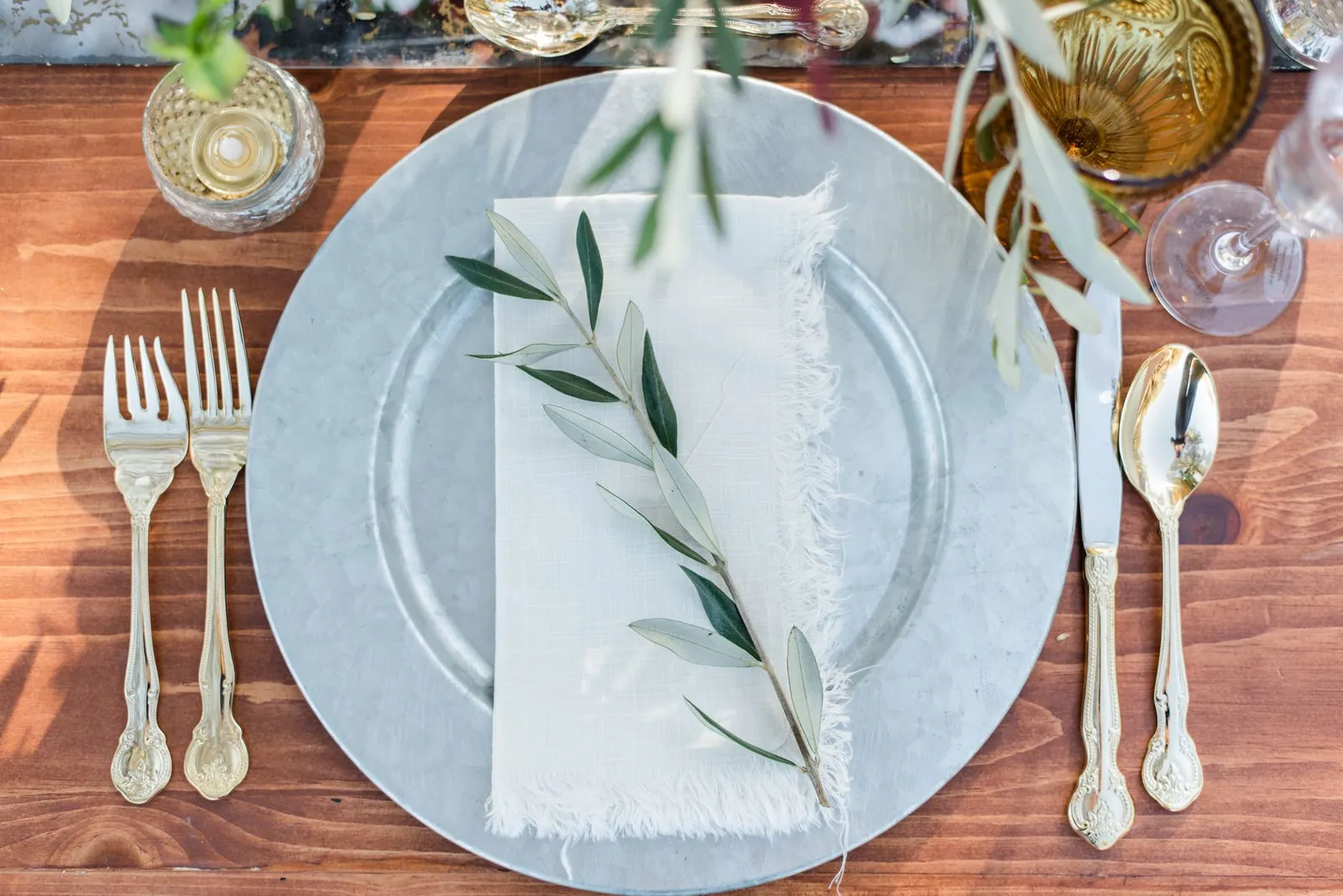
The olive was domesticated in the eastern Mediterranean some six thousand years ago. Traces in Anatolia, routes of spread and the birth of trade.
Article
History of the Olive
The olive was domesticated in the eastern Mediterranean some six thousand years ago. Traces in Anatolia, routes of spread and the birth of trade.
 Article
The Olive Oil Trade in the Ancient World
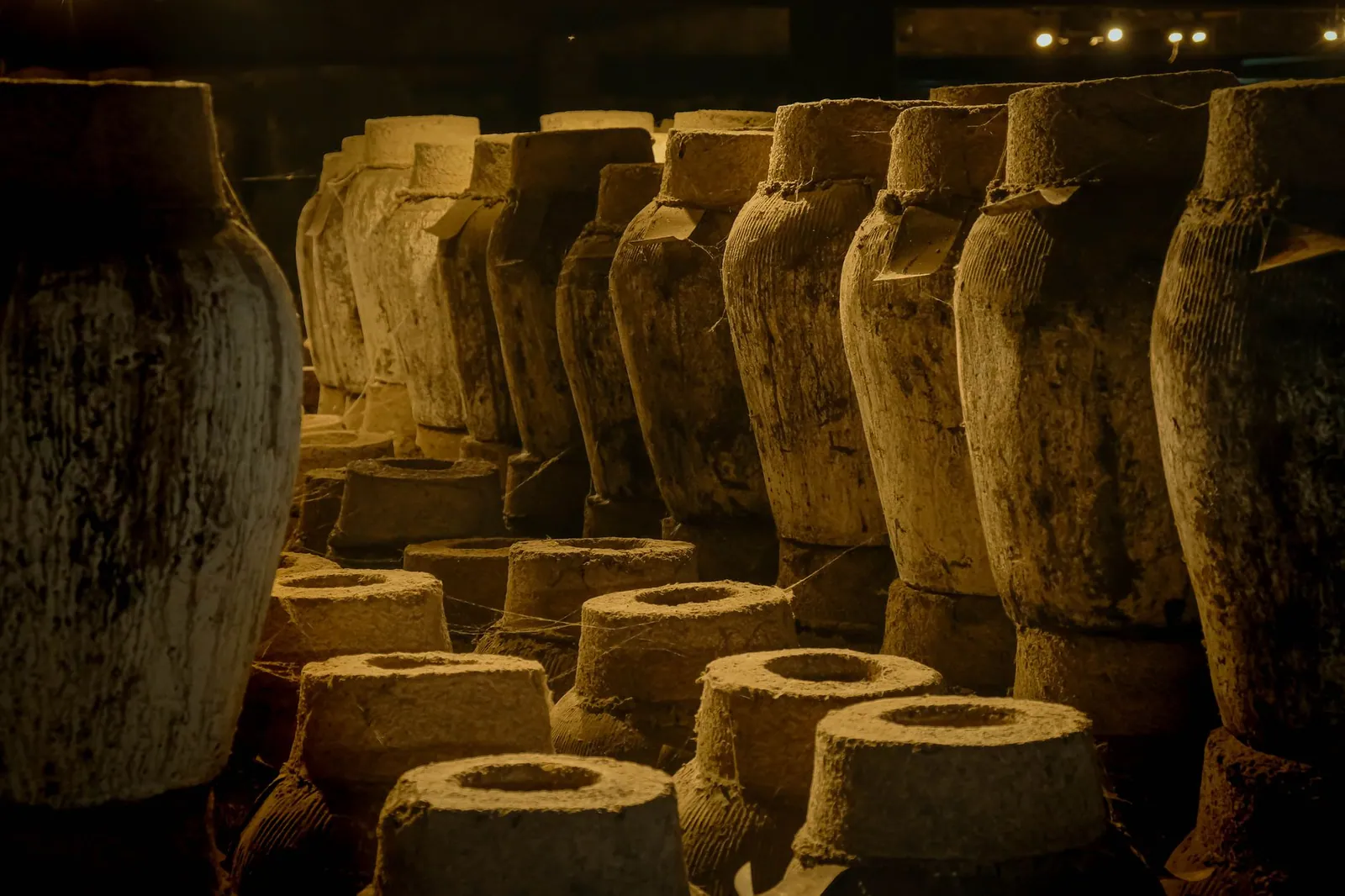
Amphorae, sea routes and a Roman hill made of broken jars: olive oil was one of the Mediterranean's first large-scale commodities.
Article
The Olive Oil Trade in the Ancient World
Amphorae, sea routes and a Roman hill made of broken jars: olive oil was one of the Mediterranean's first large-scale commodities.
 Article
Ayvalık and Edremit: Turkey's Olive Heartland
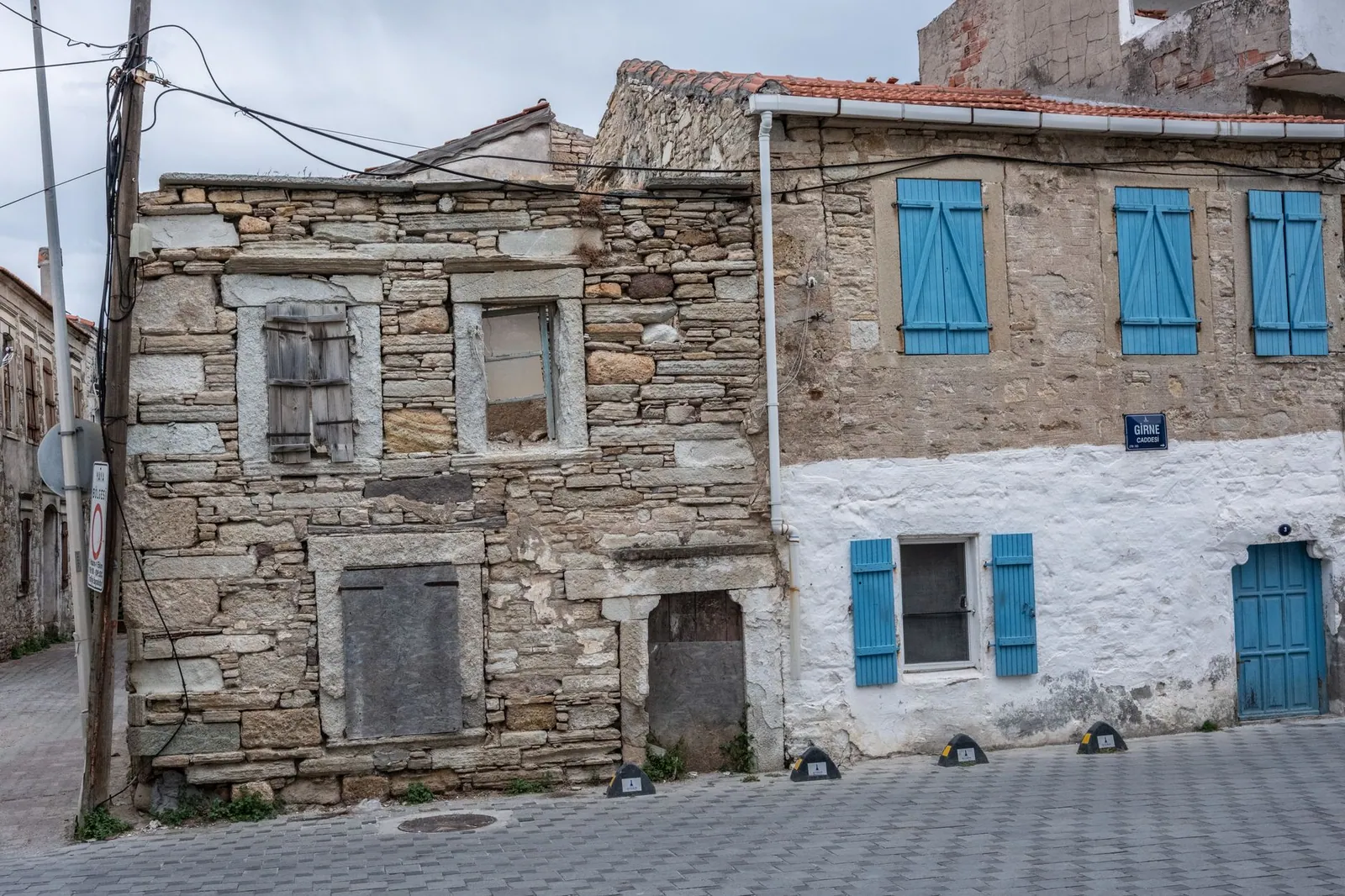
Soap works, oil mills and the population exchange of 1923. How a gulf built its identity on the olive.
Article
Ayvalık and Edremit: Turkey's Olive Heartland
Soap works, oil mills and the population exchange of 1923. How a gulf built its identity on the olive.
 Article
The History of the Olive in Anatolia
Where did the olive come from, and when was it first cultivated in Anatolia? From the stone workshop at Klazomenai to today's Aegean groves.
Article
The History of the Olive in Anatolia
Where did the olive come from, and when was it first cultivated in Anatolia? From the stone workshop at Klazomenai to today's Aegean groves.