Does olive oil help with depression? The Mediterranean diet, PREDIMED and UK Biobank
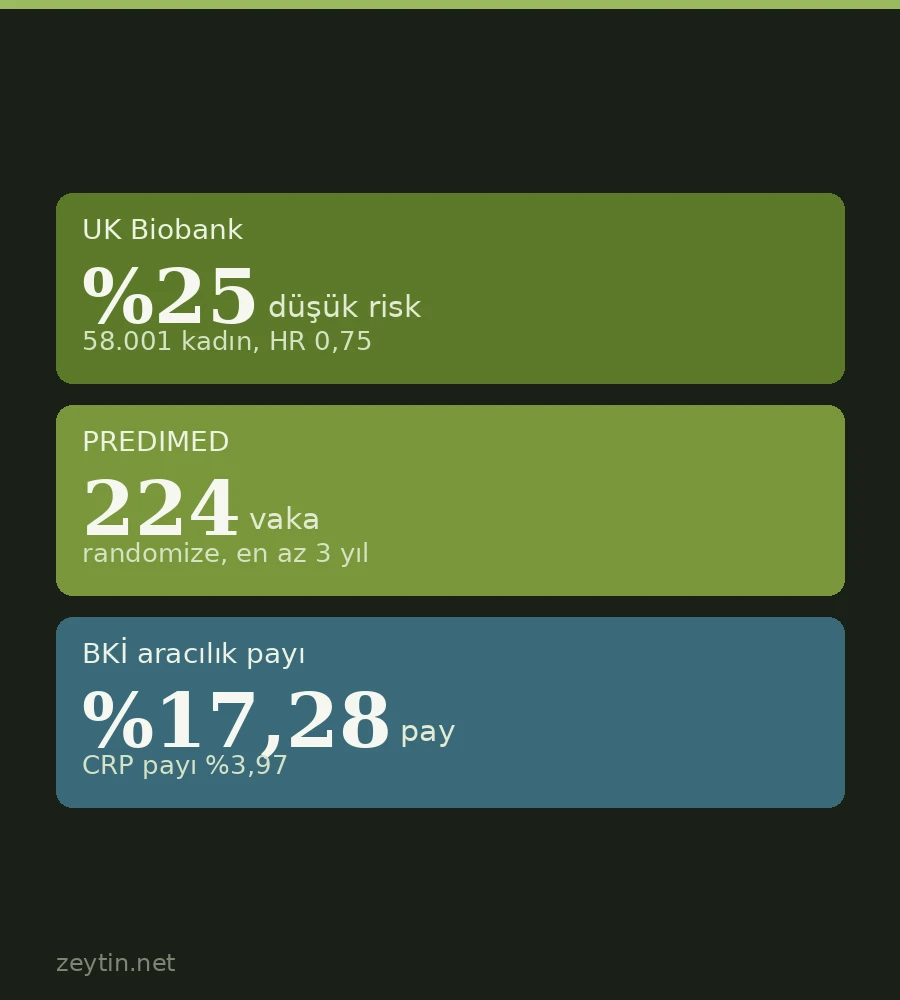
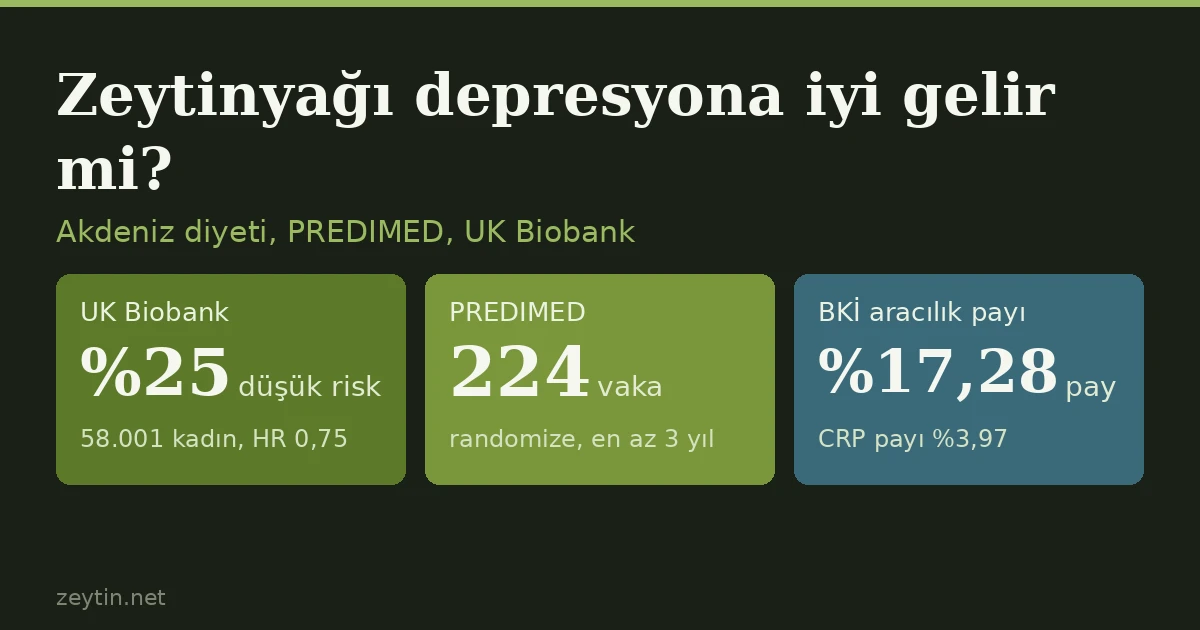
Olive oil on its own is not a treatment for depression or a way to prevent it. In UK Biobank, the highest Mediterranean score among 58,001 women was linked to a 25% lower risk (HR 0.75); in the randomised PREDIMED trial the significant finding was in the nut arm and only in diabetics.
The link between the Mediterranean diet and the risk of depression has been examined in recent years in both observational and randomised studies, and olive oil is often named in that discussion. A distinction is needed here: the question is not "does olive oil treat depression?" but "does an eating pattern rich in olive oil lower the risk of depression, and can olive oil's share in that be separated out?" The answer in the studies we have is not that clear.
Short answer
Olive oil on its own has not been shown to be a treatment for depression or a way to prevent it. There are observational studies showing that a Mediterranean-style diet, in which olive oil is the main fat, is inversely associated with the risk of depression; at the level of randomised trials, results are limited and disputed. For now, olive oil's share in this picture cannot be separated from the rest of the diet.
| Study | Type | Main finding |
|---|---|---|
| UK Biobank, 2026 | 58,001 postmenopausal women, ~9.7 years of follow-up | Highest score: 25% lower depression risk (HR 0.75) |
| PREDIMED, 2013 | Randomised, ≥3 years, 224 new cases of depression | Nut arm HR 0.78 (not significant); in diabetics 0.59 |
| SMILES | First trial of diet as a treatment for depression | Effect size disputed |
Observational data: UK Biobank
A cohort study published in 2026 followed 58,001 postmenopausal women from the UK Biobank for an average of 9.7 years. Adherence to the Mediterranean diet was measured with the PREDIMED score; depression was identified from primary care records, hospital admissions, death registers and mental health questionnaires. 1,457 women developed depression during follow-up. In the group with the highest Mediterranean score the risk of depression was 25% lower than in the lowest group (hazard ratio 0.75; confidence interval 0.63-0.89).
The authors listed olive oil, vegetables and seafood among the protective components, but the abstract gives no numbers for their separate contributions. The findings also showed a split by age: the protective effect appeared only in women aged 60 or under. Part of the effect was explained by markers of inflammation and weight: C-reactive protein (CRP) accounted for 3.97% of the mediation, gamma-glutamyl transferase (GGT) for 3.20% and body mass index for 17.28%. So part of the association may pass through the diet's link to weight and inflammation; the rest is unexplained.
An observational study shows an association; it does not prove cause. People who eat a Mediterranean-style diet may also differ in smoking, activity, income and social ties, and although models try to adjust for these, the remaining effect cannot be reduced to zero.
One limit of this data is how depression was defined: records based on ICD-10 codes (F32, F33) and questionnaires were used. Record-based diagnosis may leave out mild cases that never saw a doctor, so the 25% difference applies to depression that reached the records, not to all depressive complaints.
Randomised data: PREDIMED
The data closest to the question of cause comes from PREDIMED. In Spain, participants at high cardiovascular risk, men aged 55-80 and women aged 60-80, were assigned to one of three groups: a Mediterranean diet supplemented with extra virgin olive oil, a Mediterranean diet supplemented with nuts, and a control group advised to reduce fat. Fifty-one percent of the participants had type 2 diabetes. Over at least three years of follow-up, 224 new cases of depression were recorded.
The results given in the abstract are for the nut arm: compared with the control group the hazard ratio was 0.78 (confidence interval 0.55-1.10), a reduction in direction but not statistically significant. When the analysis was limited to people with type 2 diabetes, the hazard ratio in that arm fell to 0.59 (0.36-0.98) and crossed the significance threshold. The authors' conclusion is likewise that a Mediterranean diet supplemented with nuts may benefit the risk of depression in diabetics. The abstract does not report a result for the olive oil arm, so we give no figure for that arm either. In other words, from the abstract we have, we cannot say what the olive-oil-supplemented arm did to depression.
SMILES: a trial of diet as treatment
SMILES is described as the first intervention study to test dietary improvement as a way of treating depression. When its results showed a large effect size, some researchers argued that expectation bias and the difficulty of blinding might have inflated it. The study's authors replied that they saw a strong correlation between dietary change and change in depression scores, which they argue is consistent with a causal effect, and that the study is an important but preliminary first step. The debate is not closed, and olive oil's share within the whole dietary package has not been separated out.
Why is it hard to isolate olive oil?
The Mediterranean diet is a package: vegetables, pulses, fish, whole grains, nuts and olive oil together. In the studies olive oil is the constant part of that package, but to test it alone two groups would have to be the same in everything else and differ only in olive oil; the sources we rely on contain no such trial for depression. On mechanism, too, nothing definite can be said: in the UK Biobank data the share of the inflammation marker CRP stays below 4%. That neither strengthens nor refutes the assumption that olive oil polyphenols act through inflammation; it only shows that inflammation is not the sole explanation.
Which olive oil?
In PREDIMED the olive oil arm used extra virgin olive oil. The UK Biobank abstract does not separate oil types; "olive oil" appears as one component of the score. The polyphenols of olive oil are largely lost in refining (why high-polyphenol olive oil is expensive), so carrying findings obtained with extra virgin over to refined oil cannot be justified with the data we have. There is one more distinction: the link between polyphenols and depression was not measured in these studies; only "olive oil consumption" or the "Mediterranean score" was.
What it means in practice
- A Mediterranean-style diet is already recommended for cardiovascular and metabolic reasons; the risk of depression can be treated as an additional possible benefit, and what the Mediterranean diet is lists its components.
- Olive oil makes sense in this pattern when it replaces other fats; fat added on top only adds calories. For separate evidence on the brain and mental functions, see olive oil and brain health.
- If there are symptoms of depression (low mood lasting weeks, loss of interest, changes in sleep and appetite, hopelessness), improving the diet does not replace treatment; a mental health professional should be consulted.
What cannot be said
There is no basis in any of these studies for "you can protect yourself from depression by drinking olive oil" or "it replaces antidepressants". The evidence we have is an observational association between a Mediterranean-style diet rich in olive oil and a lower risk of depression, and limited, disputed support at the randomised level. Anything beyond that is guesswork.
One rating per visitor; you can change yours at any time. Ratings are real reader votes — no seeded or default scores.
Related
 Article
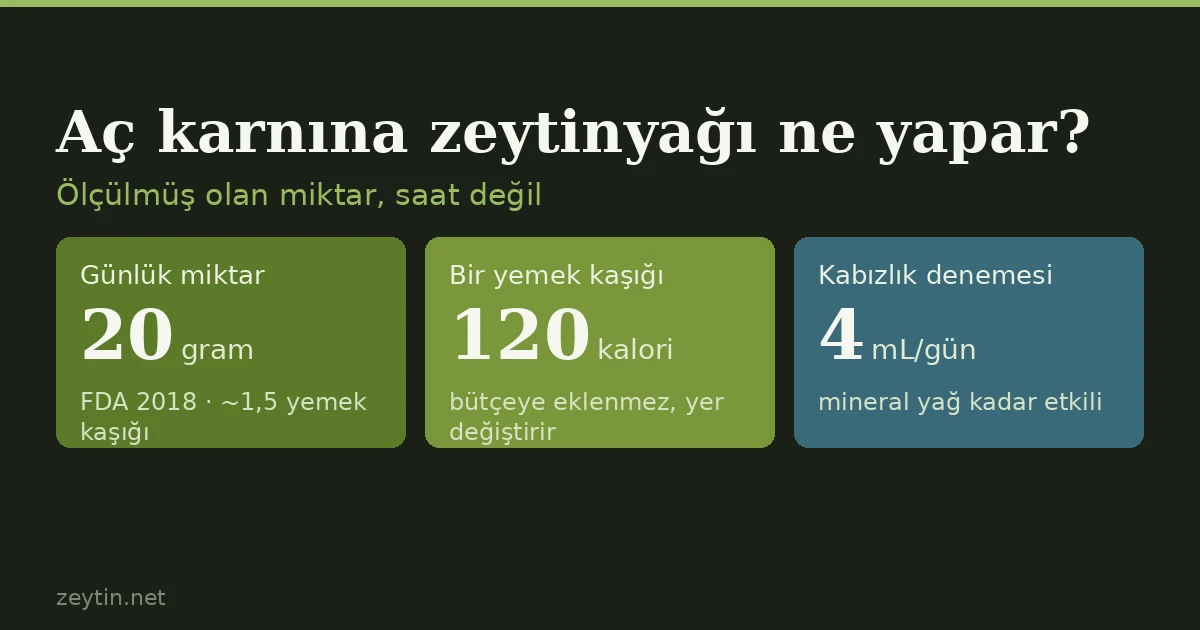
What does drinking olive oil on an empty stomach actually do?
A spoonful of olive oil in the morning is a common habit, but there is no proven separate benefit to taking it on an empty stomach. What actually happens in the body, which claims have been measured and which are myth: the gallbladder, constipation, the calorie arithmetic and the truth about "liver flush" stones.
 Article
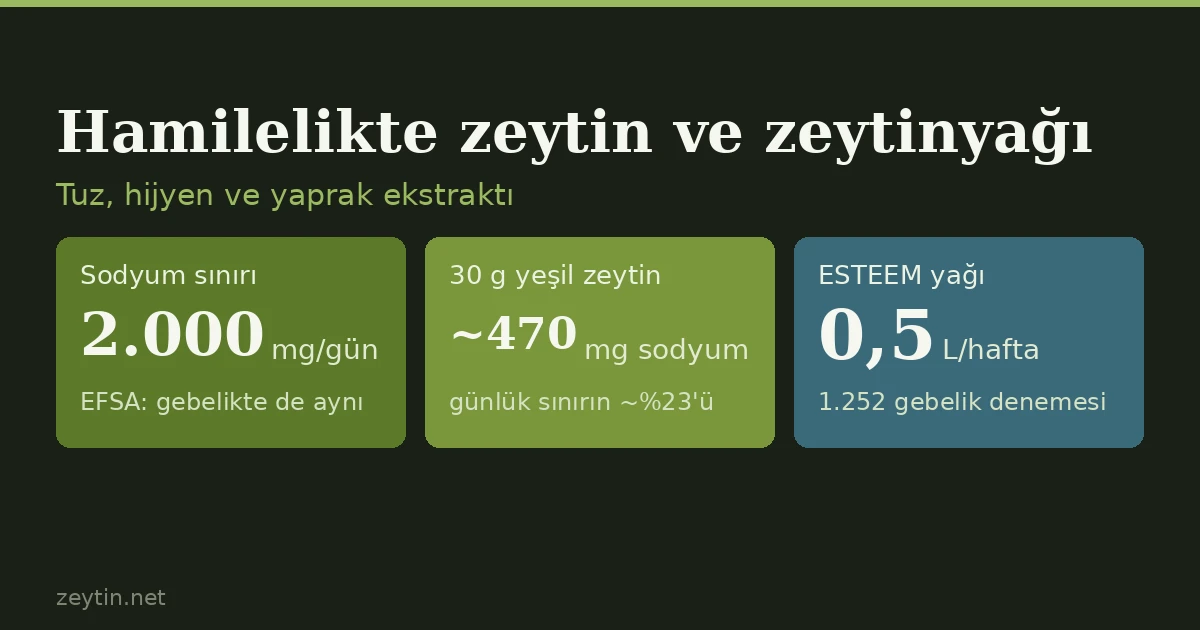
Can you eat olives and olive oil during pregnancy? What to watch for
Yes, green and black olives are fine in pregnancy and on no avoid list. Watch the salt, hygiene of homemade olives, and leaf extracts.
 Article
Is olive oil good for earwax? Can you put it in your ear?
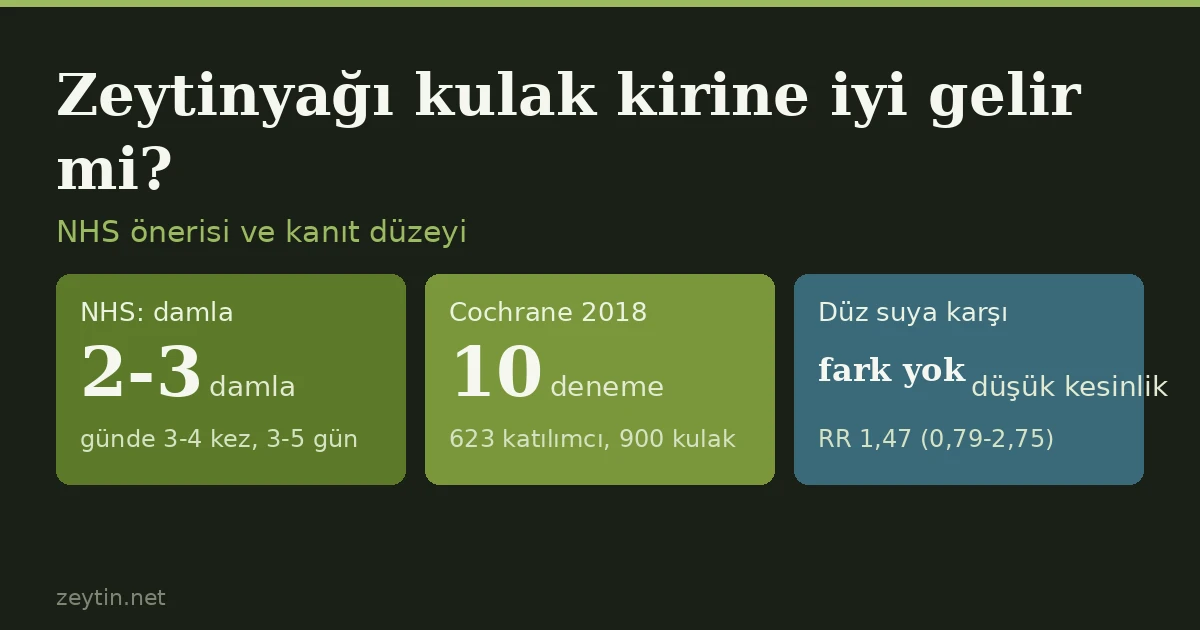
The NHS suggests 2-3 drops of olive oil, 3-4 times a day for 3-5 days, to soften earwax; a Cochrane review could not show drops beat plain water. The evidence, guidelines, the eardrum warning, cotton buds and ear candles.
 Article
What Are Black Olives? What Are Their Benefits?
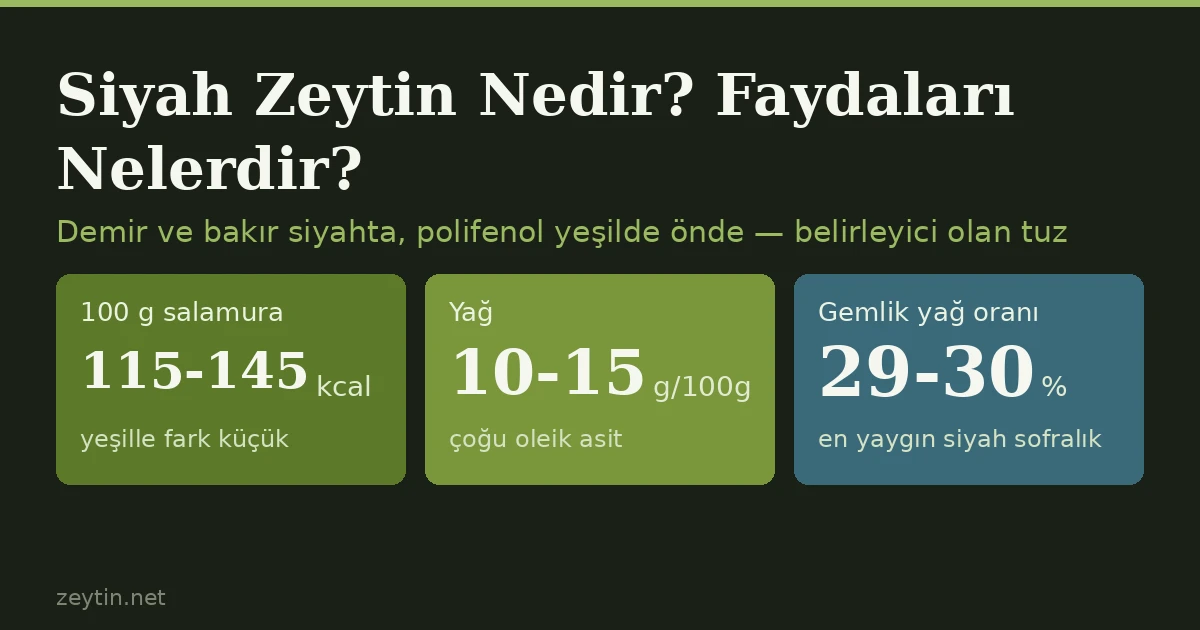
What black olives are, how they differ from green, and how many calories. Iron and copper, the polyphenol difference, and the two different black olives on the shelf.