Purslane in Olive Oil
Summer's lightest olive-oil dish: purslane cooked with rice, eaten with garlic yoghurt.
- Time
- 35 minutes
- Serves
- 4
- Level
- Easy
- Cuisine
- Turkish
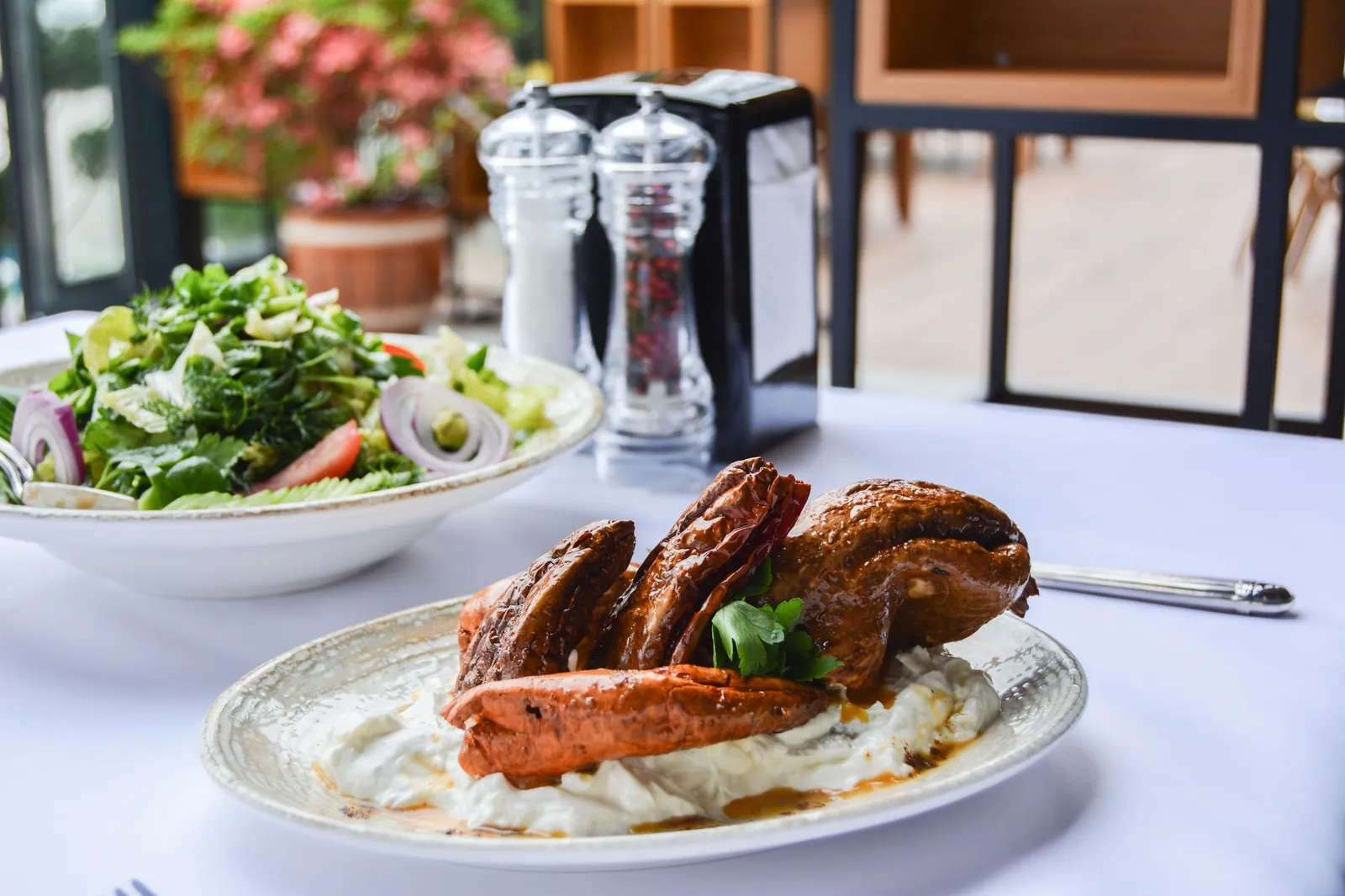
Purslane was long treated as a weed and is now sold by the bunch — and there is a good reason for the promotion: it is among the highest of all leafy vegetables in omega-3 (alpha-linolenic acid). Cooking it in olive oil brings two different plant sources of fatty acids together on the same plate.
Its leaves are fleshy and full of water; the Turkish name semiz, "plump", says exactly that. That water content dictates the technique: almost no liquid is added, and the vegetable cooks in its own.
Directions
- Trim away the thick stems; wash the leaves and tender stems and drain.
- Soften the onion in the olive oil; add the rice and stir for 2 minutes.
- Add the grated tomato and cook until the liquid reduces.
- Add the purslane — it releases its own moisture, so little water is needed.
- Add the salt and half a cup of hot water, then cover.
- Cook over low heat for 15-18 minutes.
- Whisk the yoghurt with the garlic and spoon it over to serve.
Tips & storage
Be mean with the water. Purslane releases most of its weight as liquid. The half cup in the recipe is an upper limit; more turns it into soup.
Separate the thick stems, but keep them. The thick lower stems are fibrous; chopped finely and fried off with the onion they melt into the dish, whereas left whole they stay stringy.
Cook it briefly. Fifteen to eighteen minutes is enough. Cooked longer, purslane collapses and turns from green to olive.
Yoghurt at the moment of serving. Poured over a hot dish it splits; wait until the pan has cooled to warm.
It is also eaten raw. Don't throw leftover purslane away — a yoghurt and purslane salad uses the same ingredients, and the omega-3 content survives better uncooked.
Storage. Two days in the fridge; because it contains rice, do not stretch it further.
One rating per visitor; you can change yours at any time. Ratings are real reader votes — no seeded or default scores.
Related
 Recipe
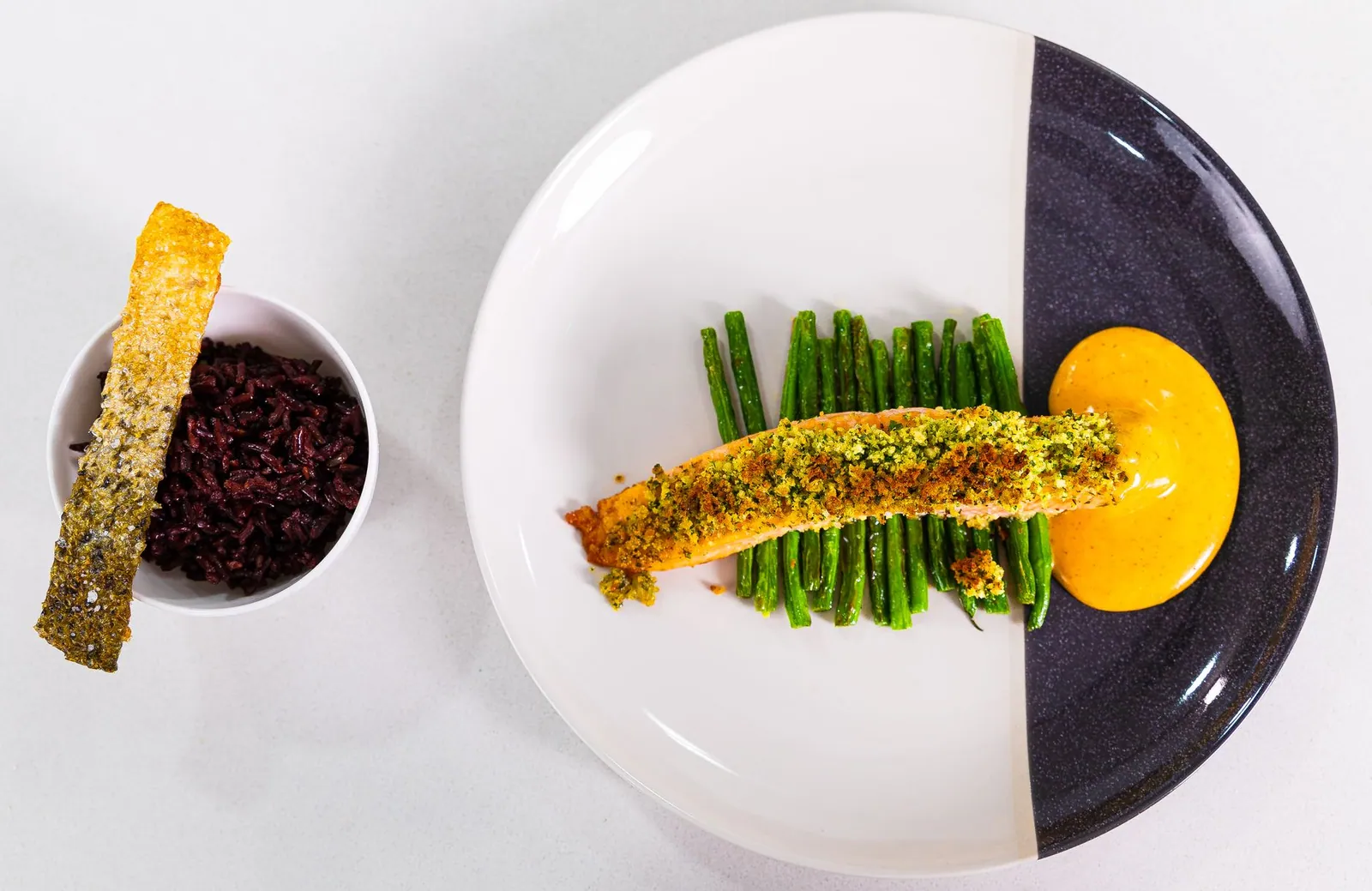
Samphire in Olive Oil
The salty shore plant of the Aegean and Mediterranean: blanched and dressed with garlic, olive oil and lemon.
Recipe
Samphire in Olive Oil
The salty shore plant of the Aegean and Mediterranean: blanched and dressed with garlic, olive oil and lemon.
 Recipe
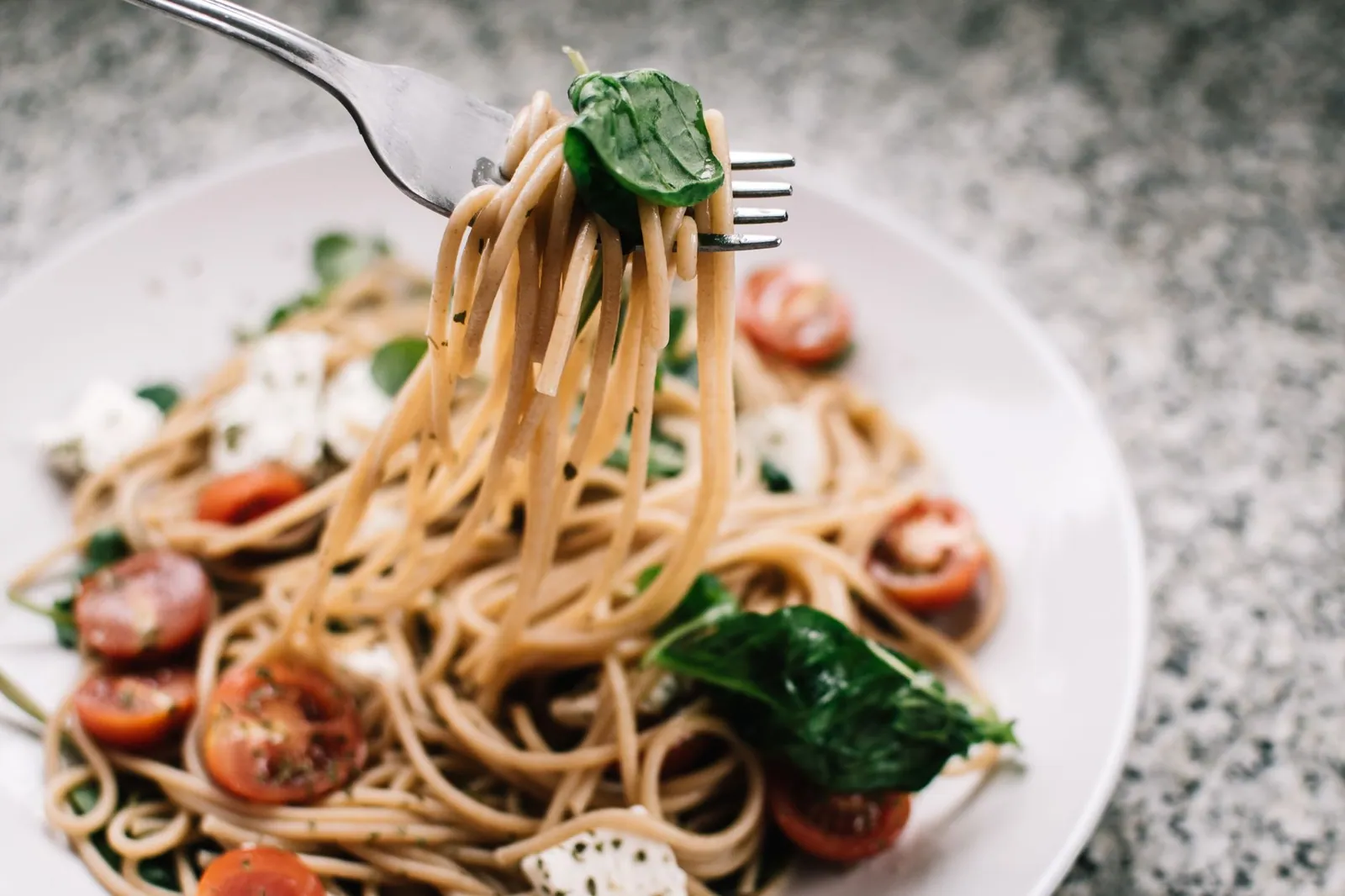
Spaghetti alla Puttanesca
Naples' bold pasta: black olives, capers, anchovy and tomato — all in twenty minutes.
Recipe
Spaghetti alla Puttanesca
Naples' bold pasta: black olives, capers, anchovy and tomato — all in twenty minutes.
 Recipe
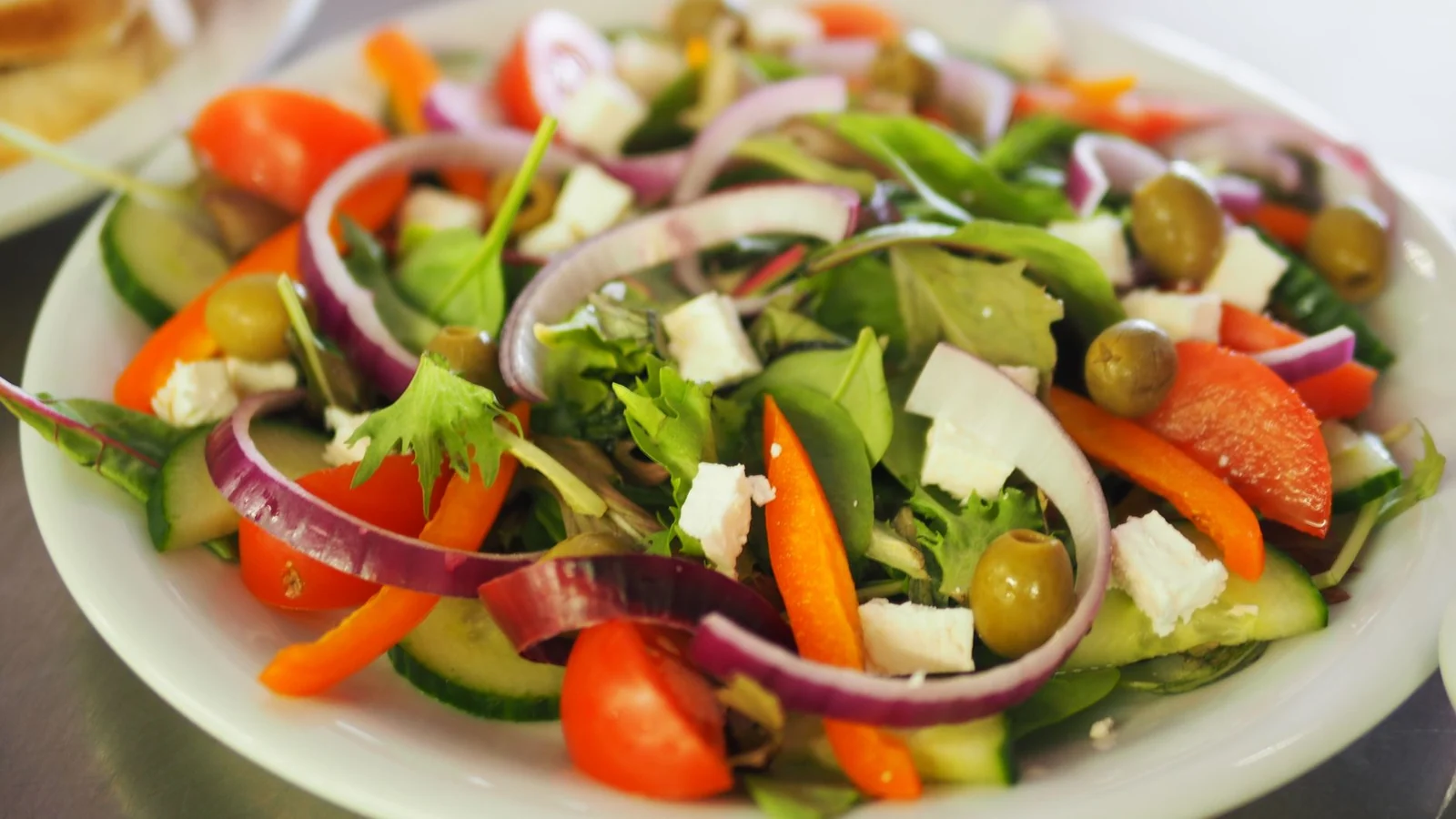
Chard in Olive Oil
Spinach's lesser-known relative: the stems and the leaves cook separately, and that separation defines the recipe.
Recipe
Chard in Olive Oil
Spinach's lesser-known relative: the stems and the leaves cook separately, and that separation defines the recipe.
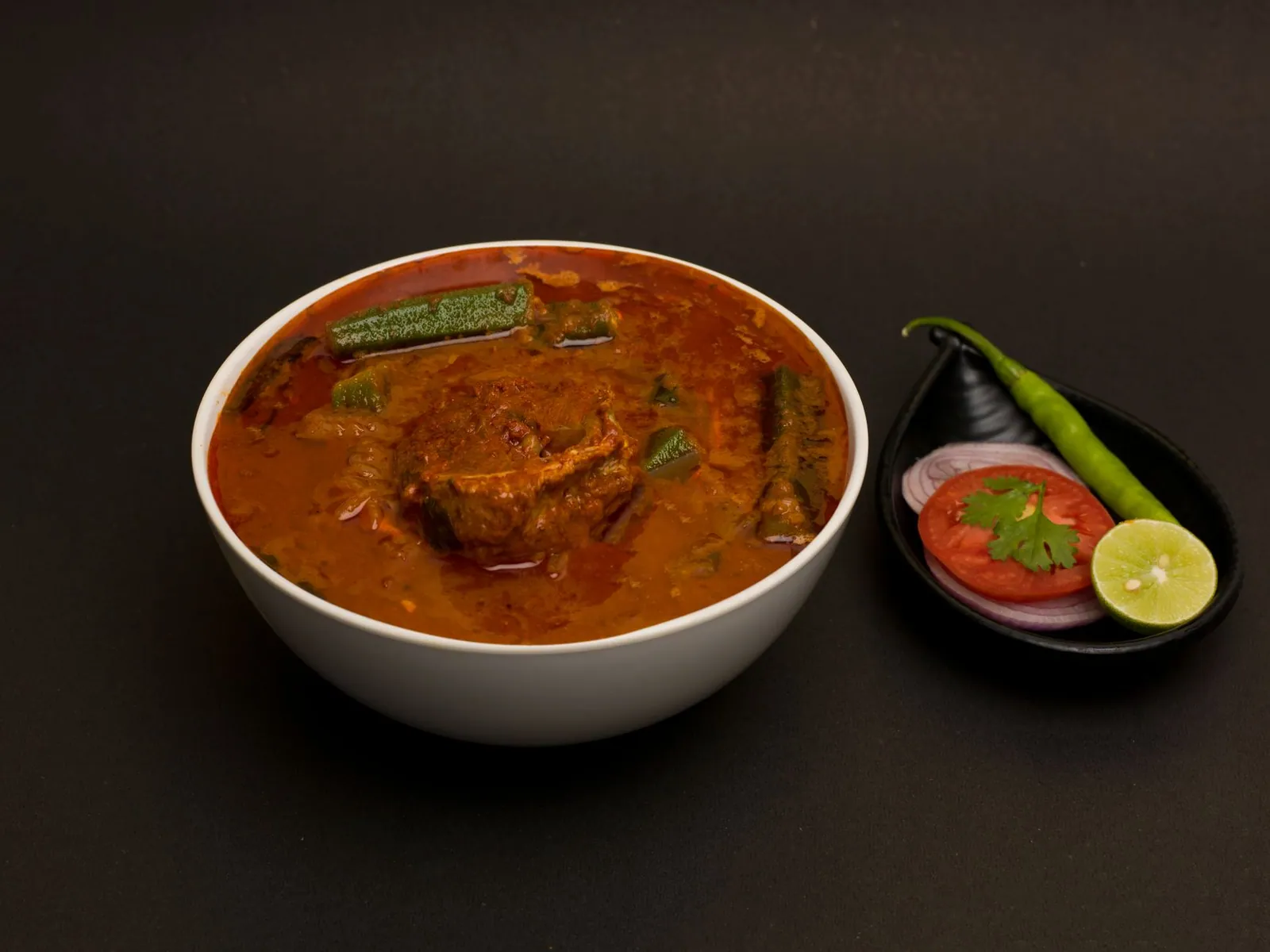 Recipe
Okra in Olive Oil
Okra rested in vinegar to cut the sliminess, then cooked slowly with tomato and onion.
Recipe
Okra in Olive Oil
Okra rested in vinegar to cut the sliminess, then cooked slowly with tomato and onion.