Herbicide-free weed management in olive groves: from cover crops to autonomous robots
Managing weeds rather than eliminating them: cover crops, mulch, grazing, flame weeding and AI-assisted precision farming — five tools and a practical order for combining them.
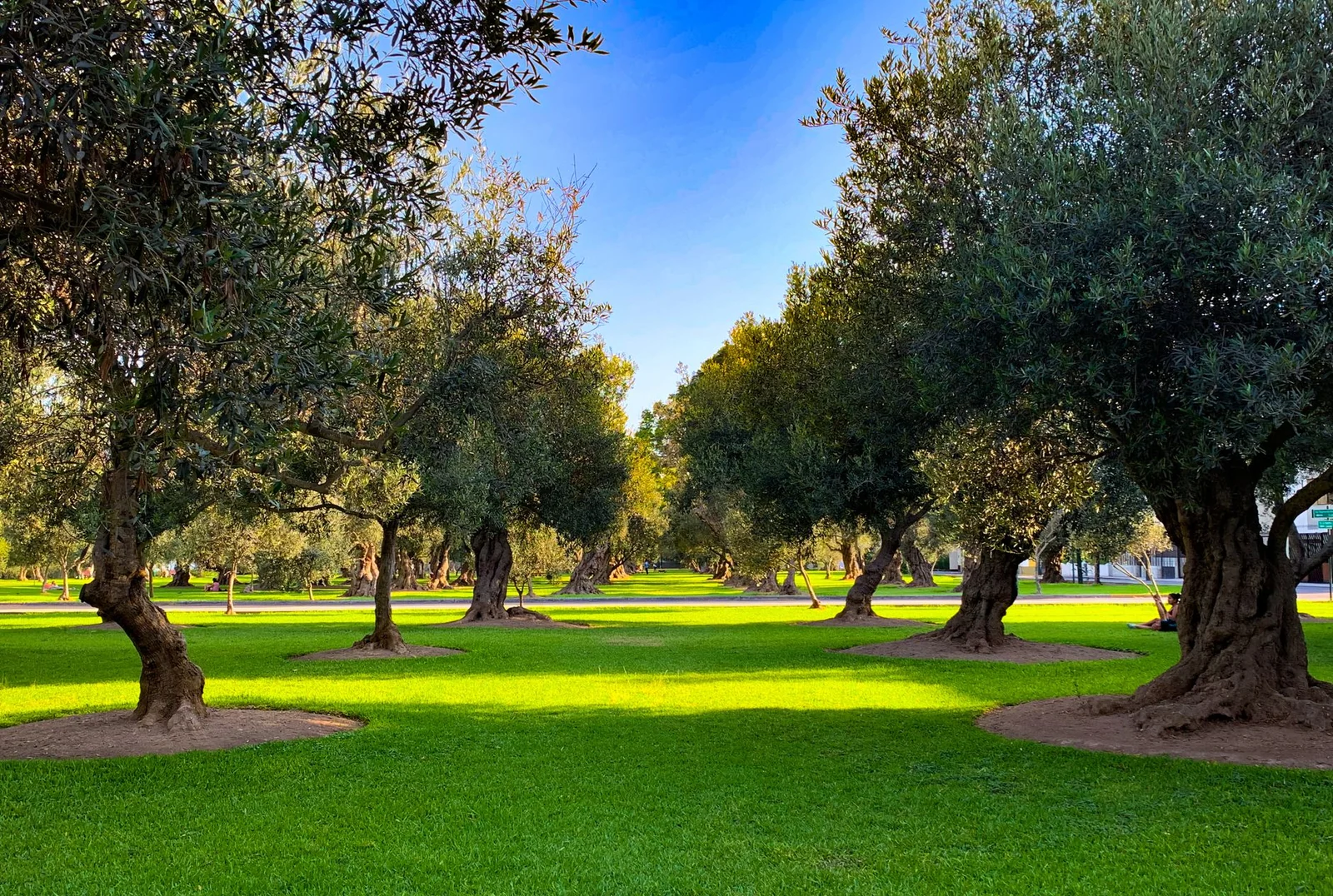
We covered the classical line of weed control in a separate article: weed management in olive groves — which species cause trouble, when to cultivate, how to choose a herbicide. This piece gathers what lies outside that line: the ways available today of managing weeds without chemicals.
It is no accident that the subject has come up. The European Union's target of reducing pesticide use under the Green Deal bears directly on exporting countries like Türkiye; we looked separately at the international rules that protect the olive. But legislation is not the only driver. There are two problems a herbicide cannot solve: soil health and erosion.
Why eliminating weeds entirely is the wrong target
The harm weeds do is not in dispute. They compete with the tree for water, nutrients and light — particularly with a young tree, whose root system is still shallow and which loses that competition. They complicate harvesting: ground cover beneath the tree makes net-on-the-ground collection unworkable. They shelter insects, mites, nematodes and disease organisms. Dried out in summer they become a fire load. They can increase the risk of frost damage.
Yet look at that list and something stands out: none of it says the soil must be bare. Leaving an olive grove bare creates its own problem in Mediterranean conditions. Sudden, heavy rain after drought strips the topsoil from uncovered sloping ground. The measured data in soil quality in Kilis olive groves puts numbers to that picture.
So the correct aim is not to eliminate the weeds but to manage them: suppress them during the period when the tree is competing and within the canopy's footprint, while leaving a cover between the rows that holds the soil.
Living cover: cover crops and mulch
A cover crop is the most direct way of not leaving the space to an unwanted species. It closes the soil surface and prevents weeds establishing; at the same time it binds the soil, adds organic matter, and — if a legume is used — fixes nitrogen.
The critical detail is timing. Winter annuals are the least troublesome group, because in winter there is enough moisture for both the tree and the weed and the competition is not real. The problem begins in spring, when the tree most needs water. So the cover crop is left through winter and mown or incorporated in spring; the dying root mass stays in the soil while the cover itself becomes mulch.
Mulching does the same job with dead material: an organic layer (straw, prunings, pomace) or a synthetic one cuts off the light and suppresses emergence. Here the grove's own waste can come into play — we calculated the energy potential of olive prunings in a separate article, and the same material, chipped, also serves as mulch.
Grazing: the oldest method, revisited
The most practical form of biological weed control is grazing animals. The sources describe the use of sheep, goats, geese and turkeys in olive groves, and the differences between them matter:
| animal | behaviour | caution |
|---|---|---|
| Sheep | eat herbage, keep the sward short | limited harm to young trees |
| Goat | also eat leaves and shoots | ⚠ damages trees; not for young groves |
| Goose | works in narrow rows, prefers grasses | suits small plots |
| Turkey | also picks off insects | dual purpose |
The advantage of grazing is not only that the weeds are cut: manure returns to the soil and no machine fuel is burned. The disadvantage is that it needs managing — keeping the flock on a given plot, matching the animal to the age of the trees, and avoiding overgrazing. The goat is the most efficient grazer on that list, but because it also eats olive shoots it is used only in established groves with high canopies.
The natural-enemy route is more experimental: competing plants, insects, nematodes, mites, fungi, bacteria and viruses are all being investigated for weed control. There is as yet no widespread field practice.
Working with heat: flame and steam
Flame weeding does not burn the plant — it expands the water inside the cells so suddenly that the cell walls rupture. The plant wilts within hours. The method works post-emergence and on young weeds; on perennials that regrow from the root (johnsongrass, bermudagrass, field bindweed) it takes only the top growth and leaves the root.
Steam treatment works on similar logic and can also target the seed bank at the soil surface.
⚠ Both carry the same risk in an olive grove: fire. Flame is never used on dry summer cover. Application belongs to the damp season, and well away from the trunk.
Precision farming: drones, sensors, autonomous robots
The real change of recent years is here. Remote sensing and GPS-guided autonomous robots can not only detect weeds but carry out mechanical and chemical clearing themselves. Artificial intelligence identifies the weed species from the image and decides on the method.
The implication is this: even where a herbicide is used, it is applied not across the whole grove but only at the point where the weed is. The quantity of chemical involved falls by an order of magnitude compared with area-based application. So even if the "herbicide-free" target is not reached, technology closes much of the distance.
At Turkish scale the obstacle to that investment is plain: most groves are small and fragmented. A survey of growers in İzmir shows how decisive holding size is. Robotic solutions look likely to reach large, level ground first, and small growers afterwards through shared machinery.
How to combine them
No single method is enough; the shared recommendation of the sources is integrated management — combining cultural, mechanical, biological and, where necessary, chemical methods according to the grove. The right combination varies from year to year and from grove to grove, decided by weed species, soil, irrigation method, slope and the level of control being sought.
A practical sequence can be set out like this:
1. Between the rows: a cover crop or natural sward, mown in spring — the soil is never left bare
2. Under the canopy: mulch or shallow mechanical cultivation — this is where the tree competes
3. Stubborn perennials: spot treatment, with a selective herbicide if needed
4. Grazing where possible: after harvest and through winter
5. Measurement: recording which species is increasing where, which sets next year's plan
In organic olive growing the first four of those are already obligatory; for growers without certification the road map is the same.
In short
Weed control in the olive grove is moving from a goal of "clean soil" to a goal of "managed cover". The reason is practical rather than ideological: in the Mediterranean, bare soil means topsoil lost to erosion, and that loss costs more than the herbicide.
There are five distinct tools available — cover crops, mulch, grazing, heat and precision farming. None is sufficient alone; together they suppress the weeds and keep the soil where it is.
One rating per visitor; you can change yours at any time. Ratings are real reader votes — no seeded or default scores.
Related
 Article
The olive moth: three generations, three kinds of damage
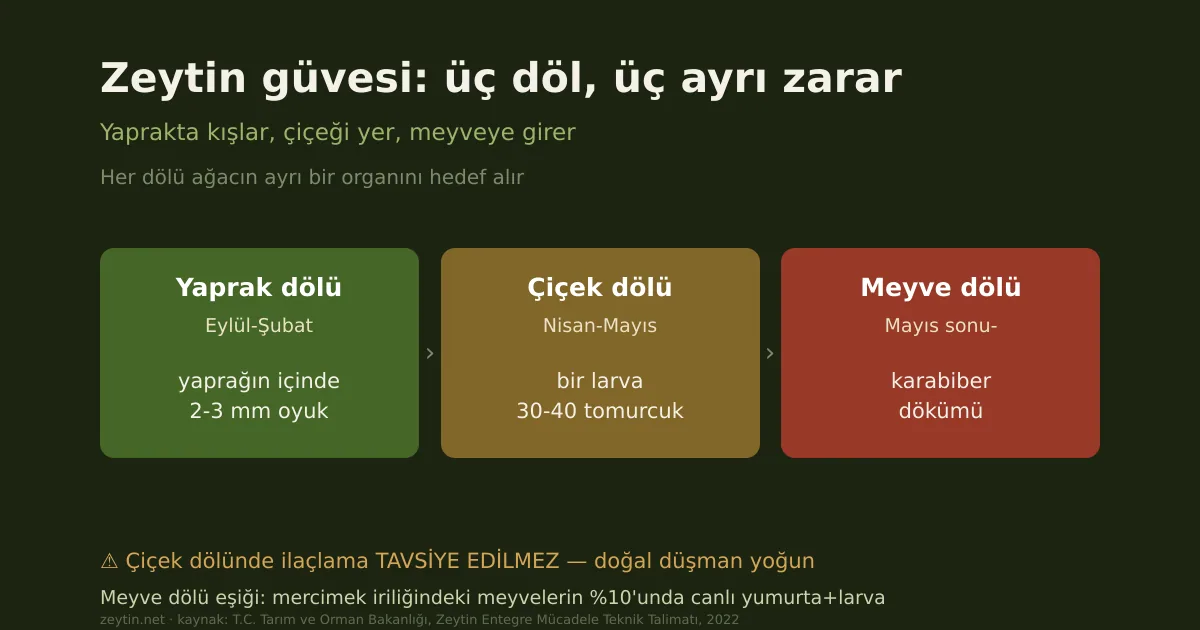
The olive pest with three generations: it winters in the leaf, eats the flowers, enters the fruit. One larva can take 30-40 buds.
Article
The olive moth: three generations, three kinds of damage
The olive pest with three generations: it winters in the leaf, eats the flowers, enters the fruit. One larva can take 30-40 buds.
 Article
Other olive pests: jasmine moth, psyllid and olive scale
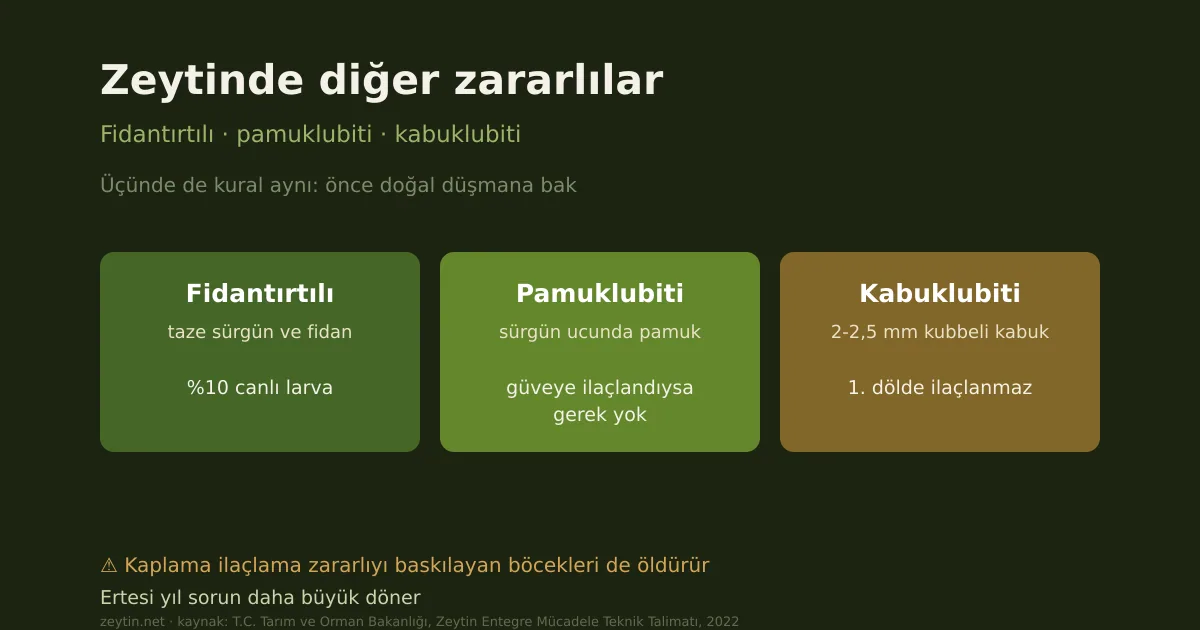
Three olive pests overshadowed by the fruit fly: the jasmine moth on tender shoots, the cottony psyllid, and olive scale.
Article
Other olive pests: jasmine moth, psyllid and olive scale
Three olive pests overshadowed by the fruit fly: the jasmine moth on tender shoots, the cottony psyllid, and olive scale.
 Article
Olive black scale and sooty mould: the H on its back
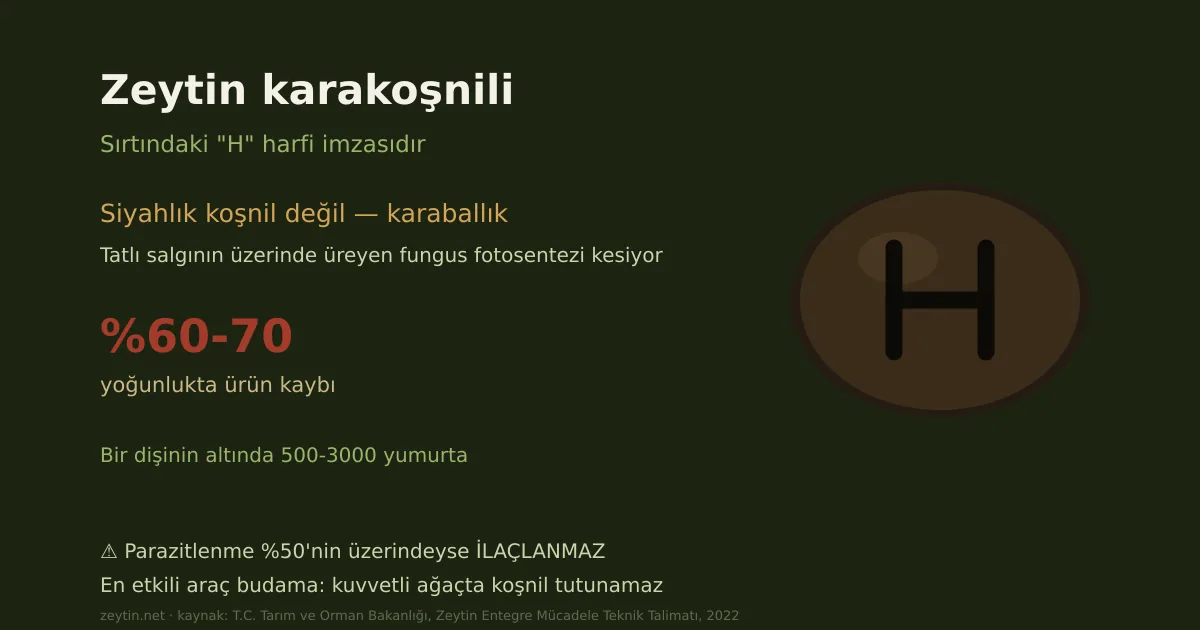
The olive pest behind sooty mould: a scale with an H on its back. Losses of 60-70%; if parasitism tops 50%, do not spray.
Article
Olive black scale and sooty mould: the H on its back
The olive pest behind sooty mould: a scale with an H on its back. Losses of 60-70%; if parasitism tops 50%, do not spray.
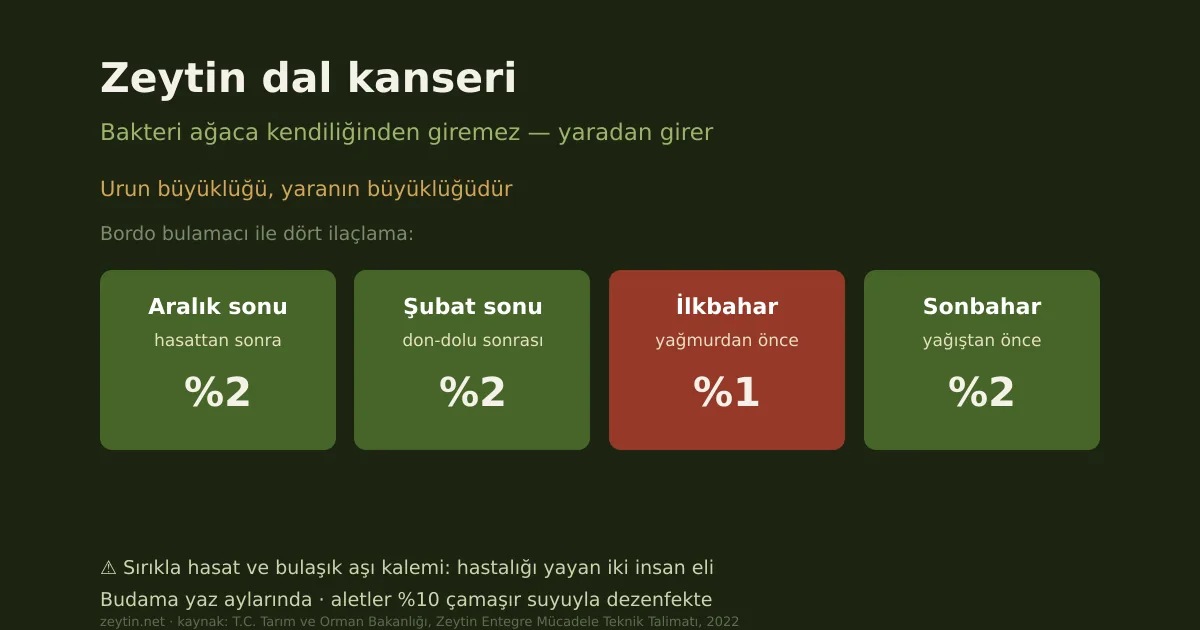 Article
Olive knot: galls, warts and a bacterium that enters through wounds
The bacterial canker among olive tree diseases that enters through wounds: galls and warts. Pole harvest and pruning errors spread it.
Article
Olive knot: galls, warts and a bacterium that enters through wounds
The bacterial canker among olive tree diseases that enters through wounds: galls and warts. Pole harvest and pruning errors spread it.