Borlotti Beans in Olive Oil (Pilaki)
Borlotti beans cooked with carrot, potato and tomato; the texture settles as it cools, served with lemon.
- Time
- 60 minutes
- Serves
- 4
- Level
- Easy
- Cuisine
- Turkish
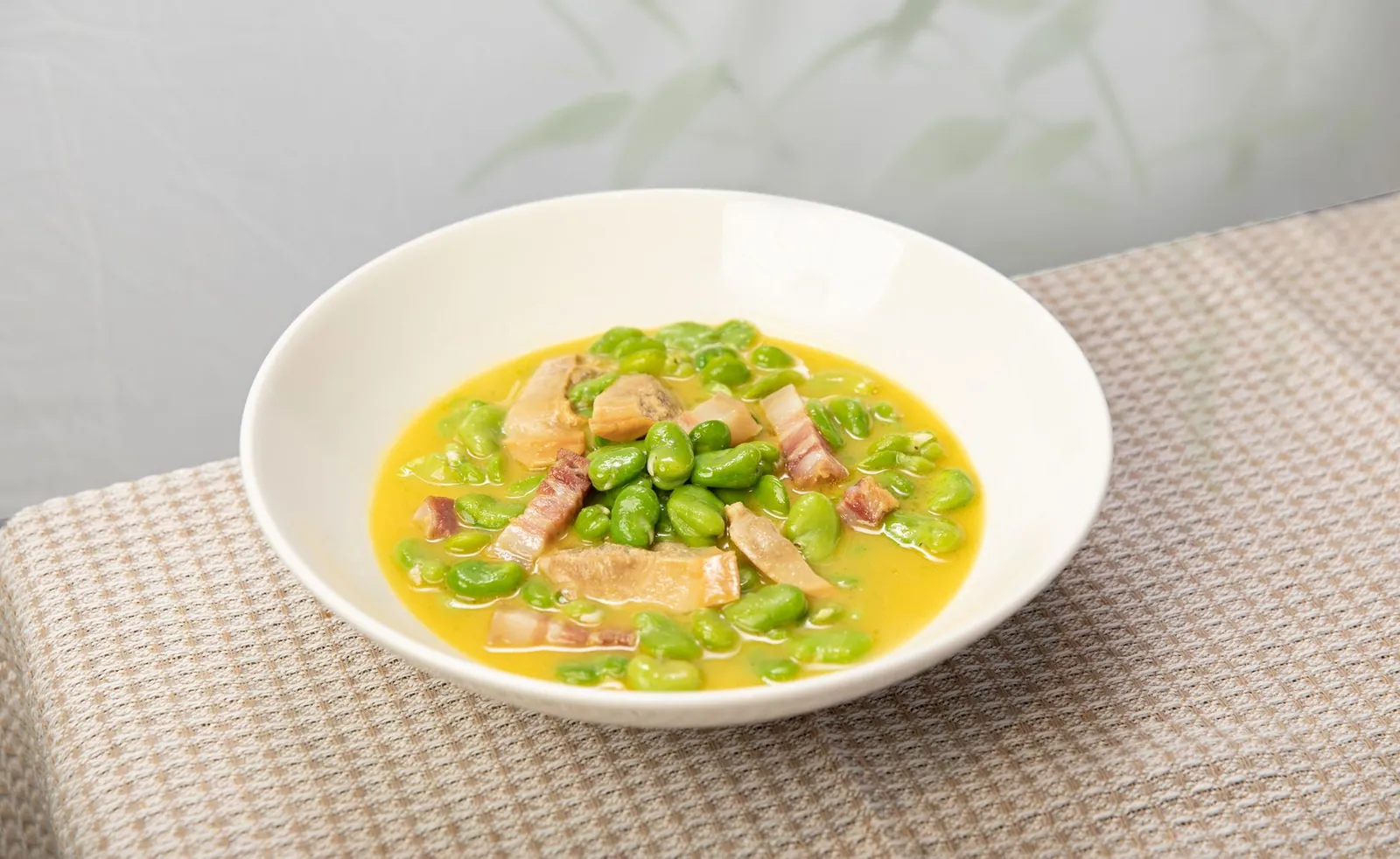
Pilaki is the name of a method rather than a dish: a vegetable or pulse cooked with onion, olive oil and tomato, then served cold. Bean pilaki, mussel pilaki, celeriac pilaki are all variations on the same logic. Borlotti beans are its best-loved partner, because their floury texture holds the oil and leaves an almost creamy consistency once cooled.
It is no accident that pulses and olive oil turn up together so often; the meatless protein of Mediterranean cooking rests on exactly this pairing. As the dish cools it does not harden but settles — which is why pilaki is never eaten hot.
Directions
- Heat the olive oil in a pan and soften the onion.
- Add the carrot and potato and stir for 5 minutes.
- Add the grated tomato and the whole garlic cloves and cook until the liquid reduces.
- Add the beans, then the sugar and salt.
- Pour in the hot water, cover, and cook over low heat for 40-45 minutes.
- When the beans are tender, take the pan off the heat and let it cool in the pan.
- Serve at room temperature with lemon wedges and parsley.
Tips & storage
Fresh borlotti and dried borlotti are not the same thing. This recipe is for fresh beans, in their speckled green pods. If you use dried ones, soak them overnight and double the cooking time.
Leave the garlic whole. Sliced garlic disperses and turns sharp; whole cloves sweeten slowly and become a separate mouthful on the plate.
You can salt late. Early salt is said to toughen the skins of pulses; the effect is overstated, but with very fresh borlotti, adding salt in the last ten minutes does leave the skins softer.
Cool them in the pot. Transferring while hot crushes the beans. Leave the lid ajar, let them cool in the pot, then move them to a dish.
Lemon at the table. Lemon juice added at the start keeps the skins firm with its acidity and slows the softening. Serve it in wedges alongside.
Storage. Up to four days in the fridge; at its best on the second day.
One rating per visitor; you can change yours at any time. Ratings are real reader votes — no seeded or default scores.
Related
 Recipe
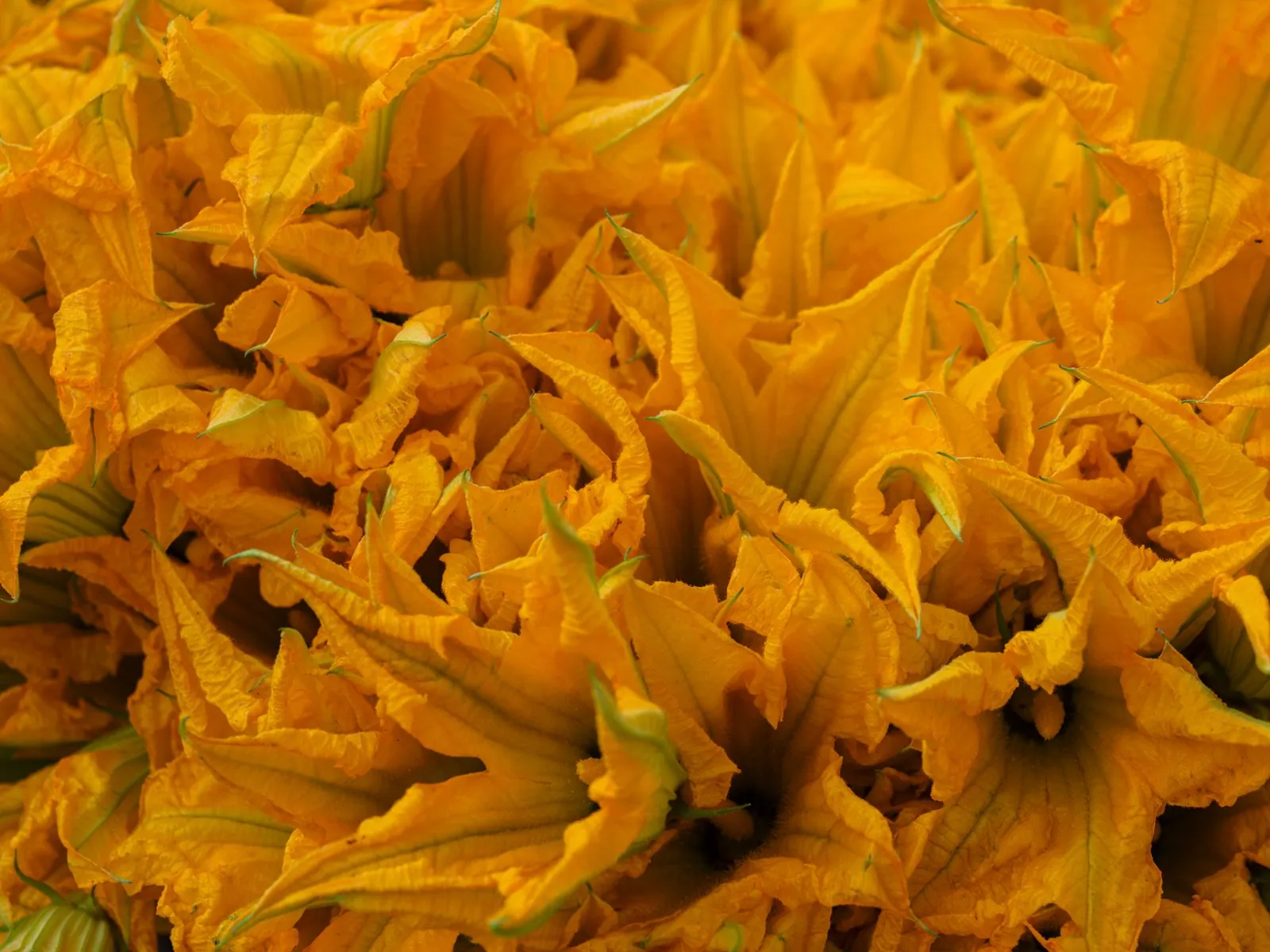
Stuffed Courgette Flowers in Olive Oil
The Aegean's most delicate dolma: courgette flowers filled with spiced rice and cooked gently.
Recipe
Stuffed Courgette Flowers in Olive Oil
The Aegean's most delicate dolma: courgette flowers filled with spiced rice and cooked gently.
 Recipe
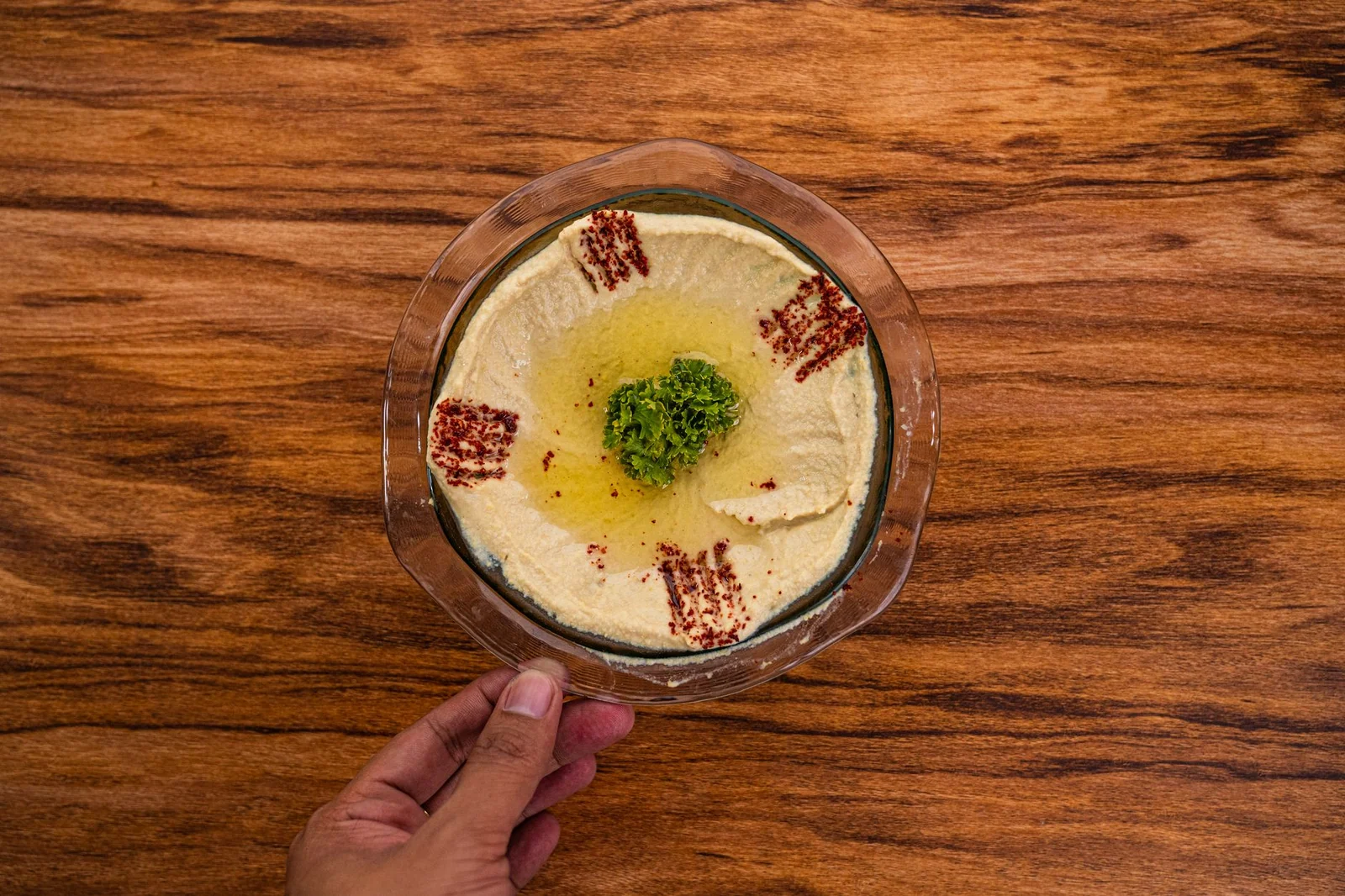
Chickpeas in Olive Oil
The Mediterranean's meatless protein pairing in one pot: chickpeas and olive oil, with tomato and lemon, served cold.
Recipe
Chickpeas in Olive Oil
The Mediterranean's meatless protein pairing in one pot: chickpeas and olive oil, with tomato and lemon, served cold.
 Recipe
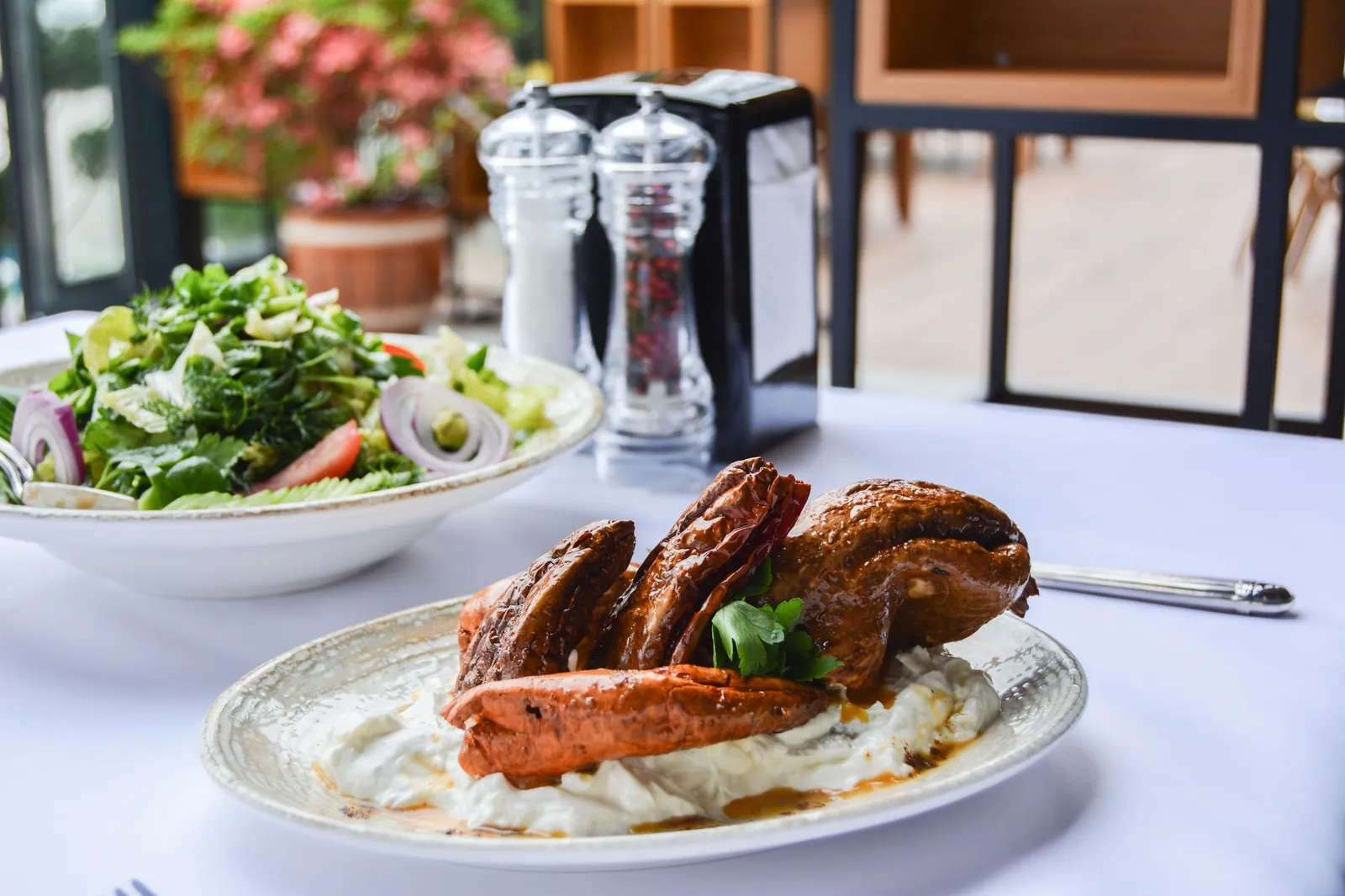
Purslane in Olive Oil
Summer's lightest olive-oil dish: purslane cooked with rice, eaten with garlic yoghurt.
Recipe
Purslane in Olive Oil
Summer's lightest olive-oil dish: purslane cooked with rice, eaten with garlic yoghurt.
 Recipe
Roast Chicken Thighs with Olives
A one-tray dinner: chicken thighs, potatoes, olives and lemon roasted together.
Recipe
Roast Chicken Thighs with Olives
A one-tray dinner: chicken thighs, potatoes, olives and lemon roasted together.