Wild Fennel in Olive Oil
The aniseed-scented green of the Aegean coast: cooked slowly with rice, its aroma opening further as it cools.
- Time
- 45 minutes
- Serves
- Serves 4
- Level
- Easy
- Cuisine
- Turkish
⚠ If you are foraging — identification comes first. Edible wild plants have poisonous look-alikes, some of them lethal. Do not pick anything you are not certain of, and go with someone who knows if it is your first time. Roadsides, the edges of sprayed fields and industrial areas are not gathering grounds.
Arapsaçı is the Aegean name for wild fennel (Foeniculum vulgare), which grows unbidden along roadsides and on waste ground the length of the coast and smells of aniseed when crushed. What separates it from garden fennel is the absence of a bulb — what is eaten are the young stems and fronds.
The compound responsible for its scent is anethole, the same substance that gives anise and rakı their aroma. That is why wild fennel is thought to belong beside a glass of rakı on an Aegean table; not a coincidence, but the same aromatic family.
The rice in the recipe is there for consistency, as in spinach in olive oil: the greens release liquid and the rice binds it.
Directions
- Trim away the thick, woody lower stems and cut the young stems and fronds into pieces of three or four centimetres.
- Wash twice in plenty of water and drain.
- Heat the olive oil in a pan and soften the onion.
- Add the rice and turn for two minutes, then add the grated tomato and cook until the liquid has gone.
- Add the fennel and cook uncovered for five minutes, until the volume drops.
- Add the salt and hot water, and put the lid on.
- Cook over low heat for twenty to twenty-five minutes, until the rice is tender.
- Take off the heat, pour over the lemon juice and leave to cool in the pan.
- Serve at room temperature with lemon wedges.
Tips & storage
Discard the woody stems, keep the young ones. A stem that snaps easily between the fingers is edible; one that resists stays stringy after cooking.
Don't pick plants that have run to seed. Once the yellow flowers are open the leaves toughen and turn bitter. The season is spring; nothing is gathered after midsummer.
Keep the lid off at first. While the greens release their liquid, a closed lid steams them and dulls the colour.
Little water. Wild fennel gives up plenty of its own; half a cup is an upper limit.
Lemon at the end. Acid added during cooking suppresses the scent of the anethole; added off the heat, the aroma stays open.
More fragrant cold. Do not eat this dish hot — the aniseed scent comes forward at room temperature.
Storage. Two days in the fridge. Because it contains rice, do not stretch it.
One rating per visitor; you can change yours at any time. Ratings are real reader votes — no seeded or default scores.
Related
 Recipe
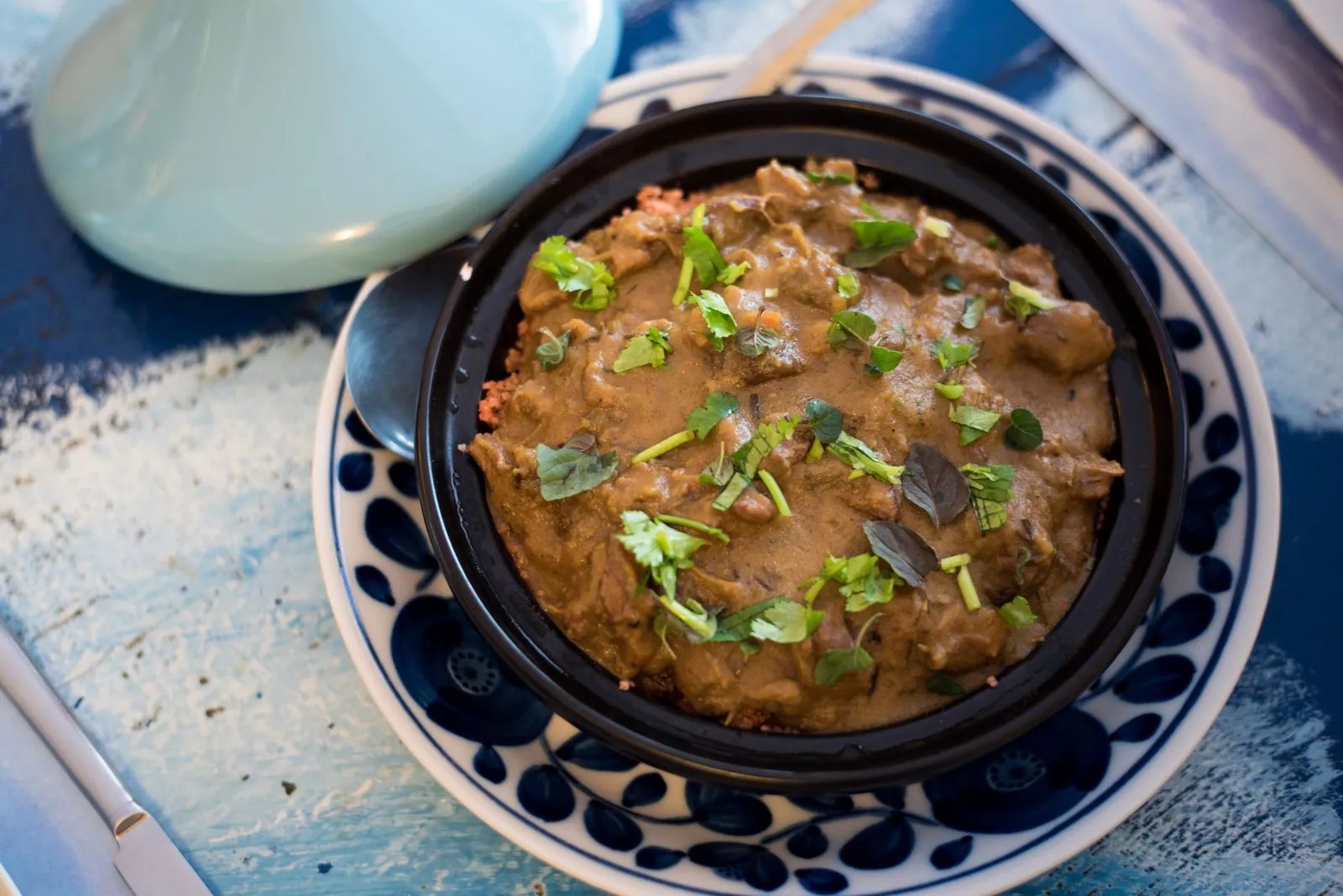
Beef Casserole with Olives
Beef slow-cooked with black olives and tomato; better the next day.
Recipe
Beef Casserole with Olives
Beef slow-cooked with black olives and tomato; better the next day.
 Recipe
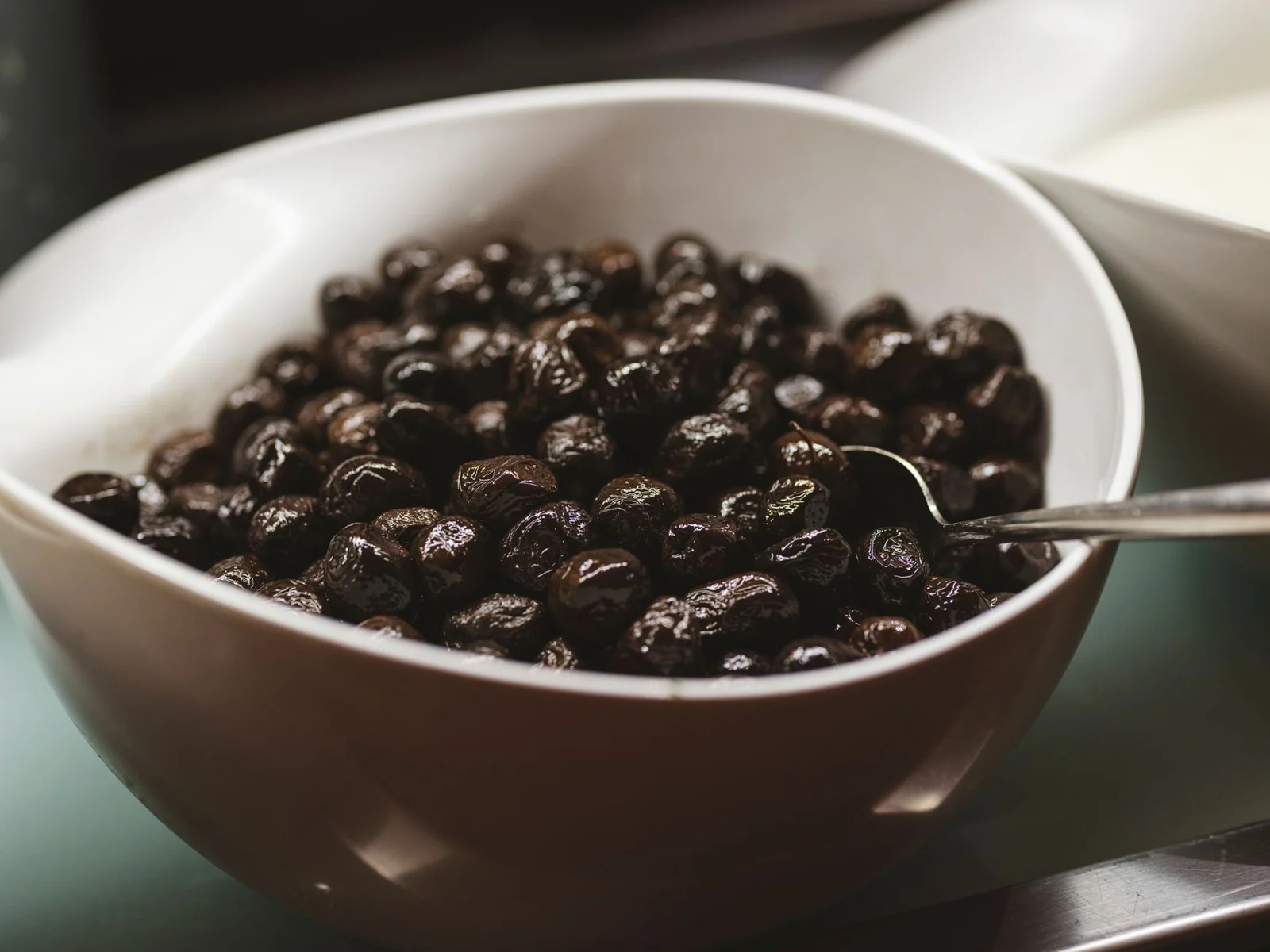
Sele Olives: Black Olives Cured in Dry Salt
The traditional method that uses dry salt rather than water: the wrinkled, intensely flavoured black olive of the Turkish breakfast table, in three to four weeks.
Recipe
Sele Olives: Black Olives Cured in Dry Salt
The traditional method that uses dry salt rather than water: the wrinkled, intensely flavoured black olive of the Turkish breakfast table, in three to four weeks.
 Recipe
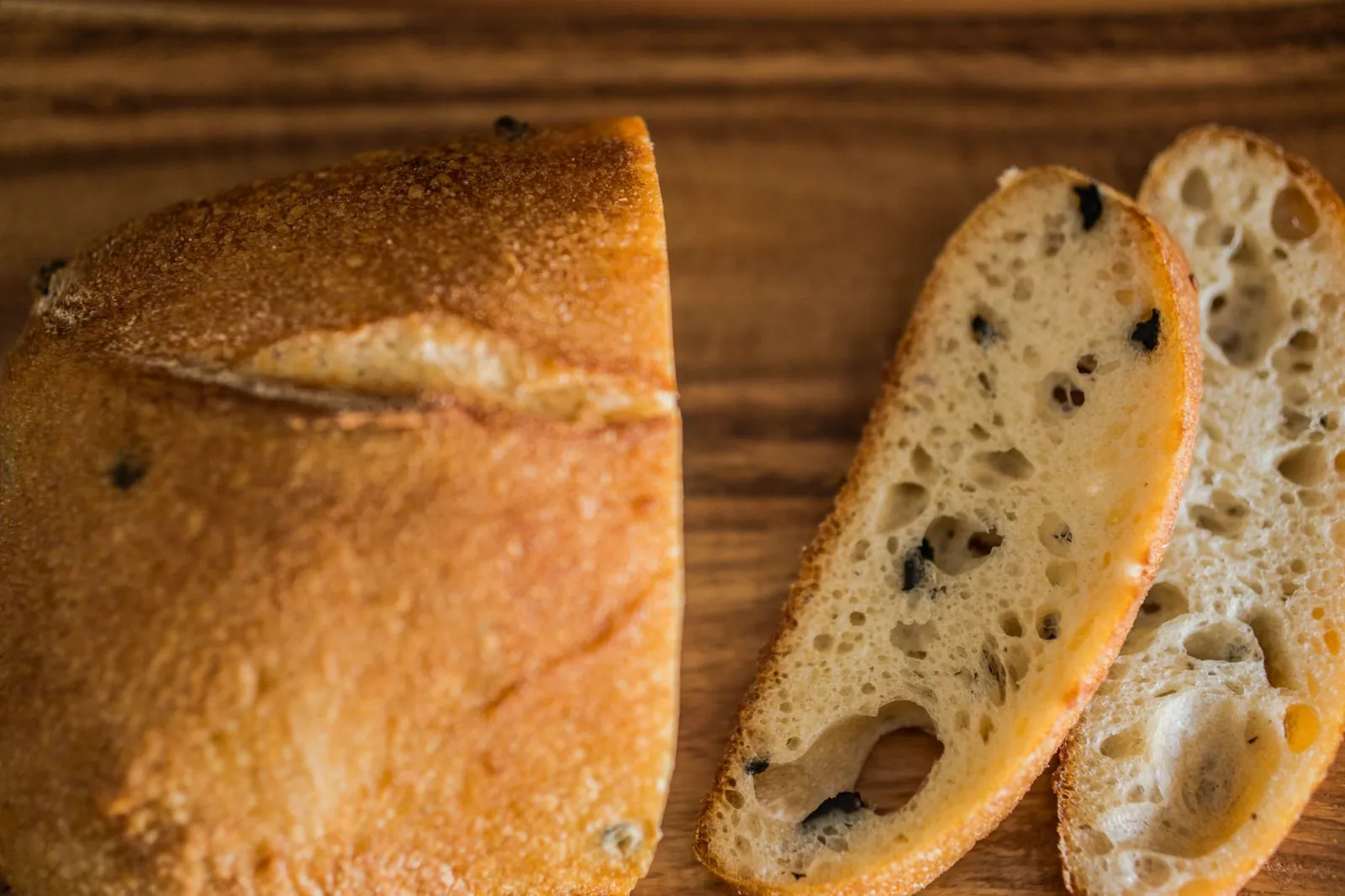
Olive Bread
An Aegean bakery classic: a loaf kneaded with black olives and olive oil, crisp outside and soft within.
Recipe
Olive Bread
An Aegean bakery classic: a loaf kneaded with black olives and olive oil, crisp outside and soft within.
 Recipe
Dirty Martini
The classic olive cocktail: gin, dry vermouth and olive brine, garnished with green olives.
Recipe
Dirty Martini
The classic olive cocktail: gin, dry vermouth and olive brine, garnished with green olives.